
The right pizza oven is the one that fits how your household really cooks, not the one with the biggest spec sheet. Count your actual sessions over the past month — how often you make pizza, for how many people, indoors or out, and with what patience for preheat — then match the oven to those habits. A modest oven that gets used beats a premium one that does not.
Start with your real cooking rhythm
Before comparing models, answer a few questions honestly: how many people do you usually feed, where do you cook, and how much time do you have for preheat on a busy night? A household that bakes pizza every Friday night for a family has different needs than one making a single pie occasionally. The habit, not the marketing, should drive the choice.
Match fuel to your tolerance
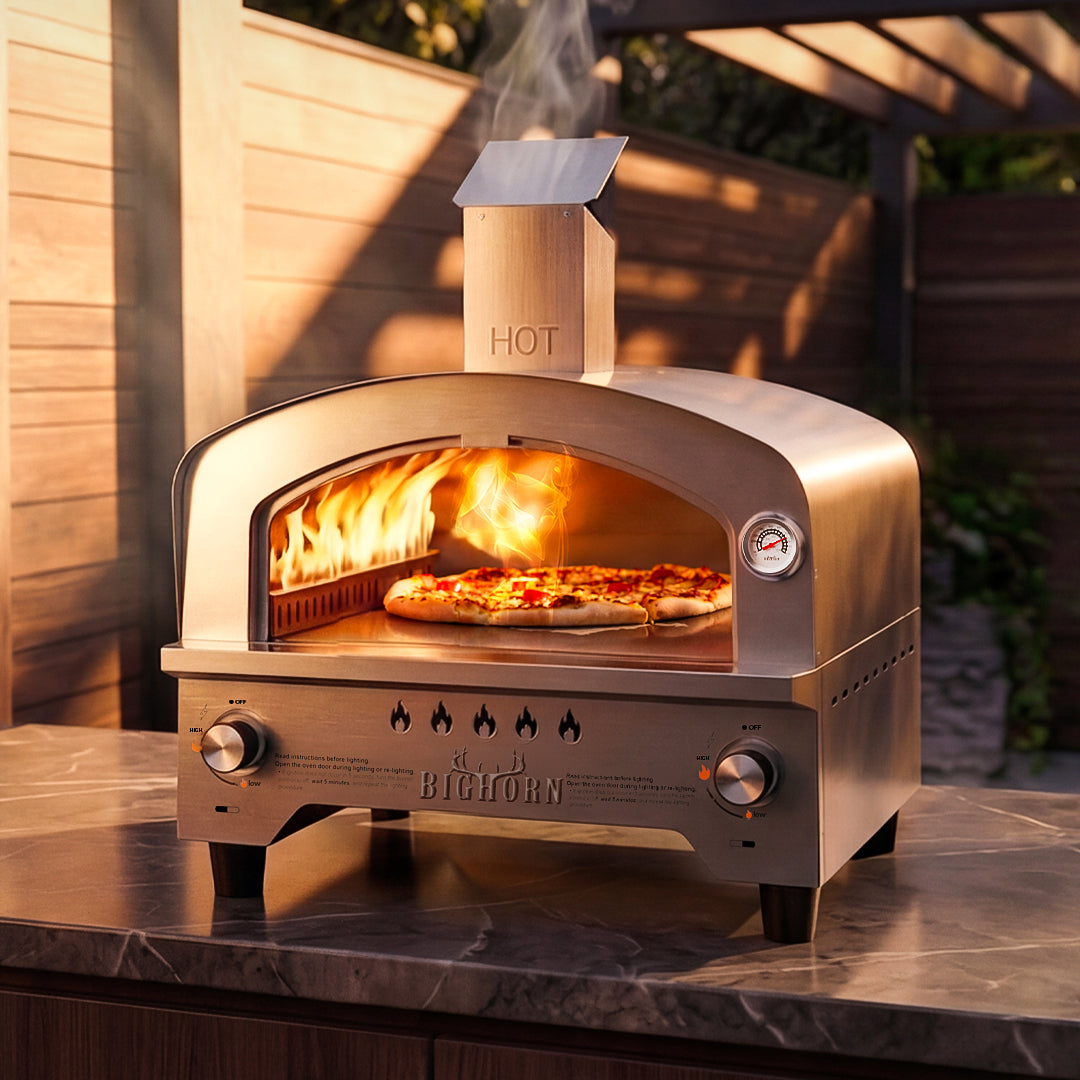
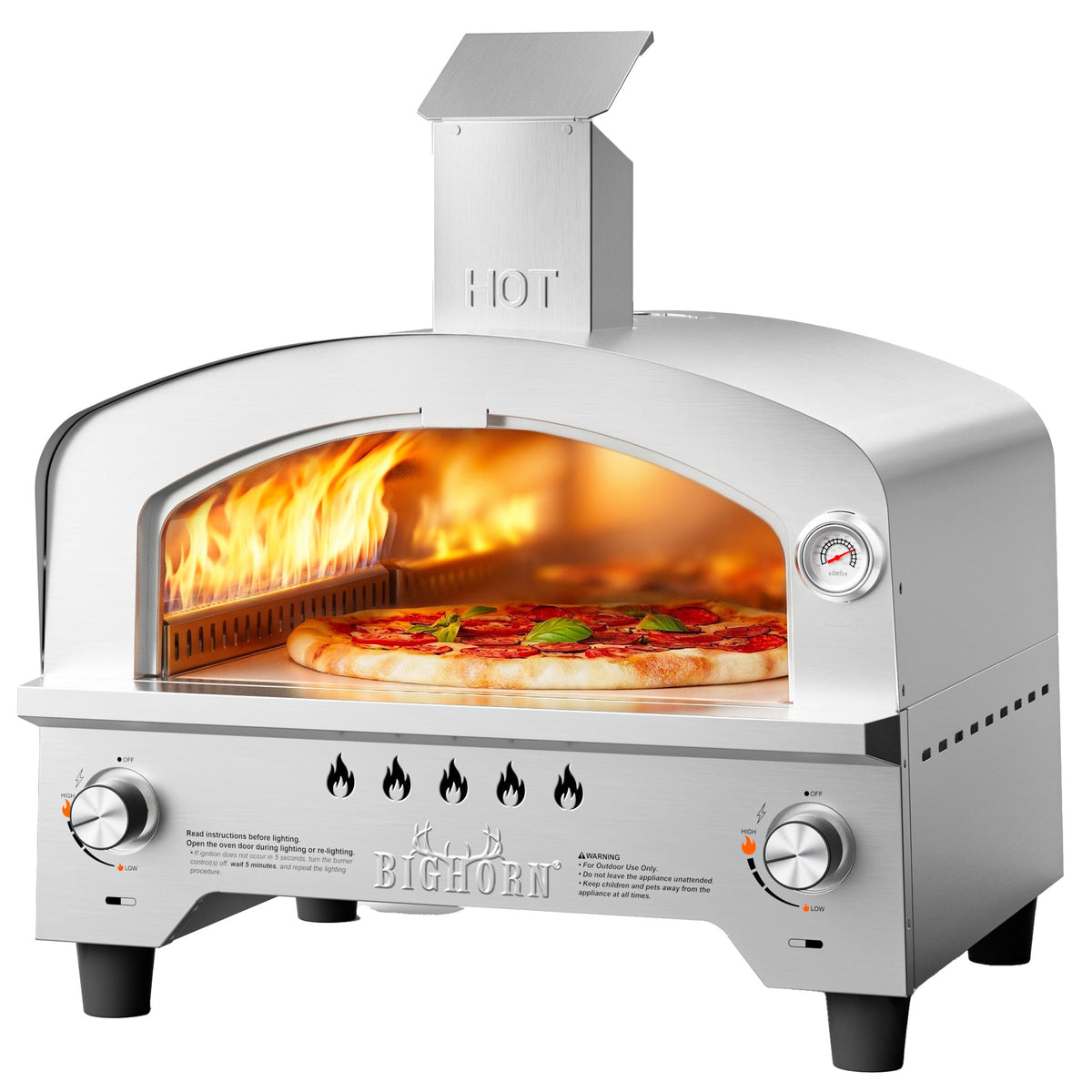
Fuel is the biggest lifestyle decision. A gas oven preheats in about 10 minutes and holds a dial temperature — the lowest effort for regular use. A pellet oven adds smoke flavor but needs 15–20 minutes and fire management. An electric unit plugs in and suits indoor, low-fuss cooking. Match the fuel to how much ritual and patience your household has.
Size the oven to your table
Choose the deck size for the pizzas you actually serve. A 12-inch deck suits couples and occasional pies; a 14–16 inch deck fits family pizza night and gatherings. Bigger decks preheat longer and cost more, so buy the size for your regular guest count rather than the biggest option. For most households, a 12–14 inch oven is the practical sweet spot.

Consider where you cook
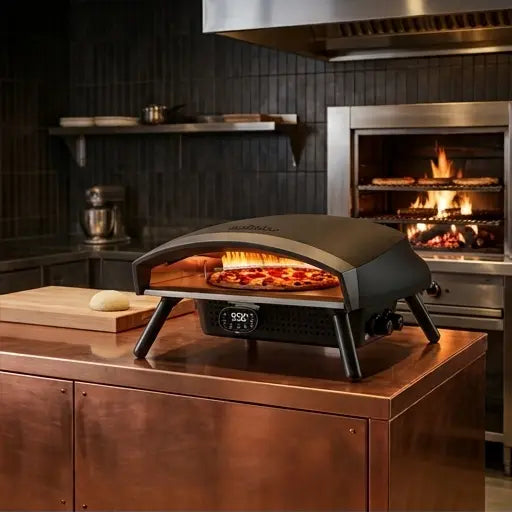
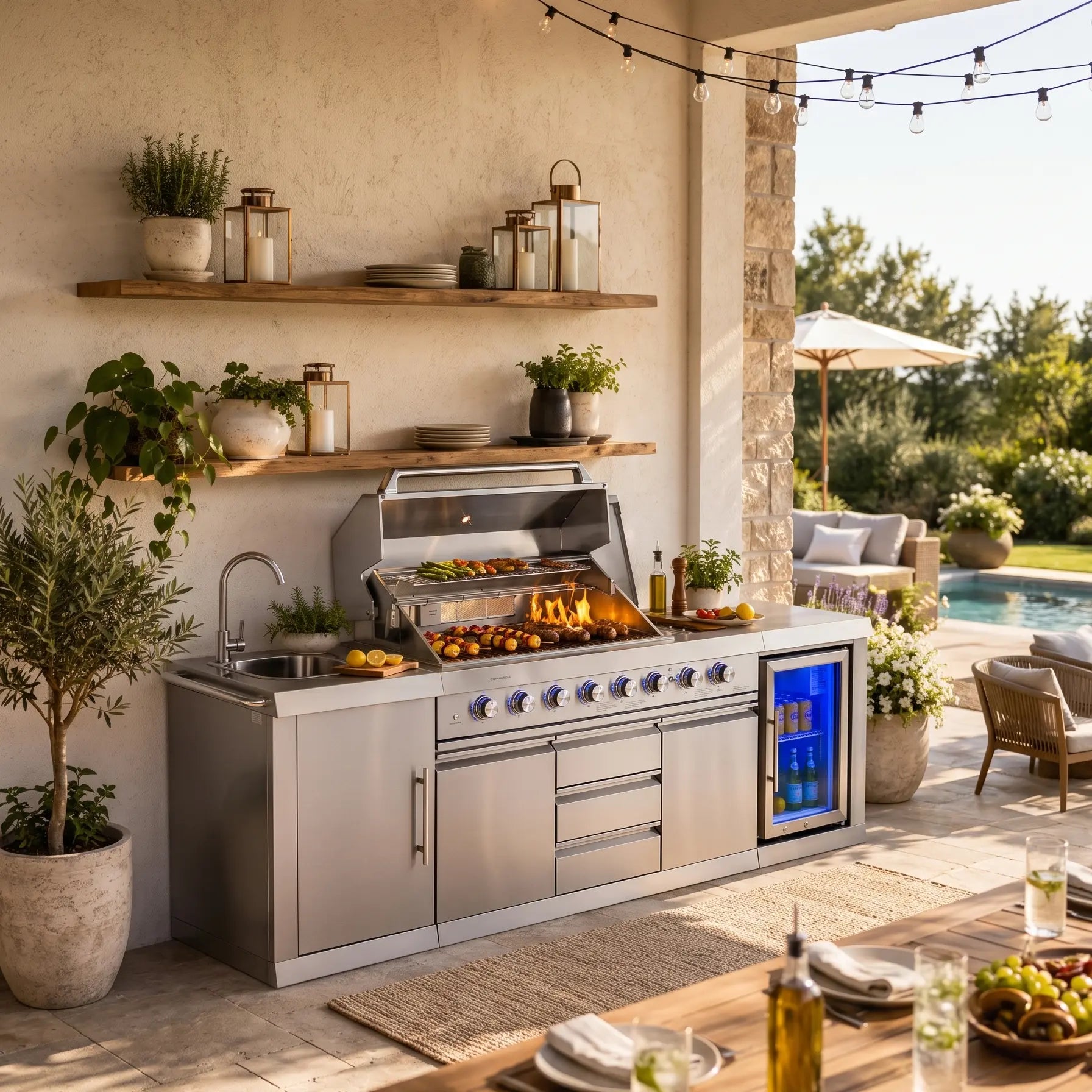
Location narrows the field. A patio with room for a tank and clearance suits gas, pellet, or even wood; an apartment or small kitchen calls for a countertop electric unit. Confirm you have the fuel or outlet access and the storage before buying, since a great oven that does not fit your space is the wrong one.
The decision in one line
Choose the oven that handles your most common session — the frequency, the people, and the preheat patience you actually have. If your household makes weekly family pizzas, a 14–16 inch gas or pellet oven fits; if pizza is occasional and indoor, a compact electric unit is the honest purchase. The habit decides, and the specs follow.
What if two people in the household cook differently?
Choose for the shared sessions, not the rare one. If the household mostly makes family pizza together, buy for that rhythm and let individual experiments work within it. A versatile fuel — like gas for speed with the option to add pellet — can cover both styles in one oven.
How do you plan for growth in cooking?
Leave room to grow: a 14–16 inch deck or a multi-fuel option adapts as hosting becomes more frequent. You do not need to buy for the busiest day you imagine, but a size that scales a little keeps you from replacing the oven in a year. Match today’s habit, then one step of headroom.
What is the quickest way to confirm the choice?
Write down your last month of cooking: dates, who ate, where you cooked, and how long you waited. That record answers more than any spec sheet, because it shows the frequency, the table size, and the patience your household actually has.
What about households with kids?
Kids change the priorities: fast preheat, simple controls, and easy cleanup matter more than a headline heat number. A gas or electric oven with presets removes guesswork, and a compact deck keeps the table size manageable. Choose an oven you can operate one-handed while supervising, and it will actually get used on school nights.
How do you budget for a first oven?
Spend for heat and a good stone first; extras are optional. A modest oven that holds 750–850 °F makes real pizza, and you can upgrade the deck or add multi-fuel later if the habit grows. The first oven should remove friction, not impress — budget for capability, not branding.
What maintenance should you expect?
Expect a cool-down clean each session: brush the stone, wipe the shell, empty the crumb tray, and cover the unit between uses. Gas adds a connection check; pellet adds ash and dry pellet storage; electric just needs a clean stone and a dry spot. The routine is small, but consistency is what keeps the oven ready.
Whatever you choose, the test is the same: does it fit your most common session today? Match the oven to the habit already in your house, and the purchase pays off from the first bake onward.
Remember, the best oven is the one that shows up at your most common meal — frequency is the truest measure of value.
Choosing FAQs
Should I buy a bigger oven than I need?
No — a bigger deck preheats slower and costs more. Buy the size for your regular guest count, and let a larger oven wait until hosting becomes frequent.
Is gas or electric easier for a busy household?
Both are low-effort; gas preheats in about 10 minutes outdoors, electric plugs in indoors with presets. Pick by where you cook and which fuel you already keep.
How do I know I will actually use it?
Look at the last month — if pizza appeared regularly, an oven will earn its place; if it was rare, start modest. Use the habit, not the purchase, to predict the use.
To compare options by fuel and size, review the pizza oven collection.