







Pizza Dough & Bake Faults
Before you open a cold ball, run a short check, not a guess. Cold pizza dough from the fridge should come off the chill until it is relaxed, slightly airy, and no longer icy in the center. Then — and only then — it is a candidate for a high-heat launch. The checklist is the same on a July patio and a January one. The wait time is not.
A July ball can be ready in a shorter window than a January ball taken from the same refrigerator. That seasonal contrast is the practical comparison on this page. The fridge schedule that got the dough there in the first place is a different job, and the bake-balance questions that show up after launch already live on pages about top and bottom heat in an electric pizza oven.
Why fridge-cold dough misbehaves on a hot stone
Fridge-cold dough tightens on a hot stone instead of opening and springing. The center is still stiff, gas production is slow, and the pie can come out dense or pale in the crumb before the outside is done. A short tempering wait stands between the refrigerator and a cleaner launch.
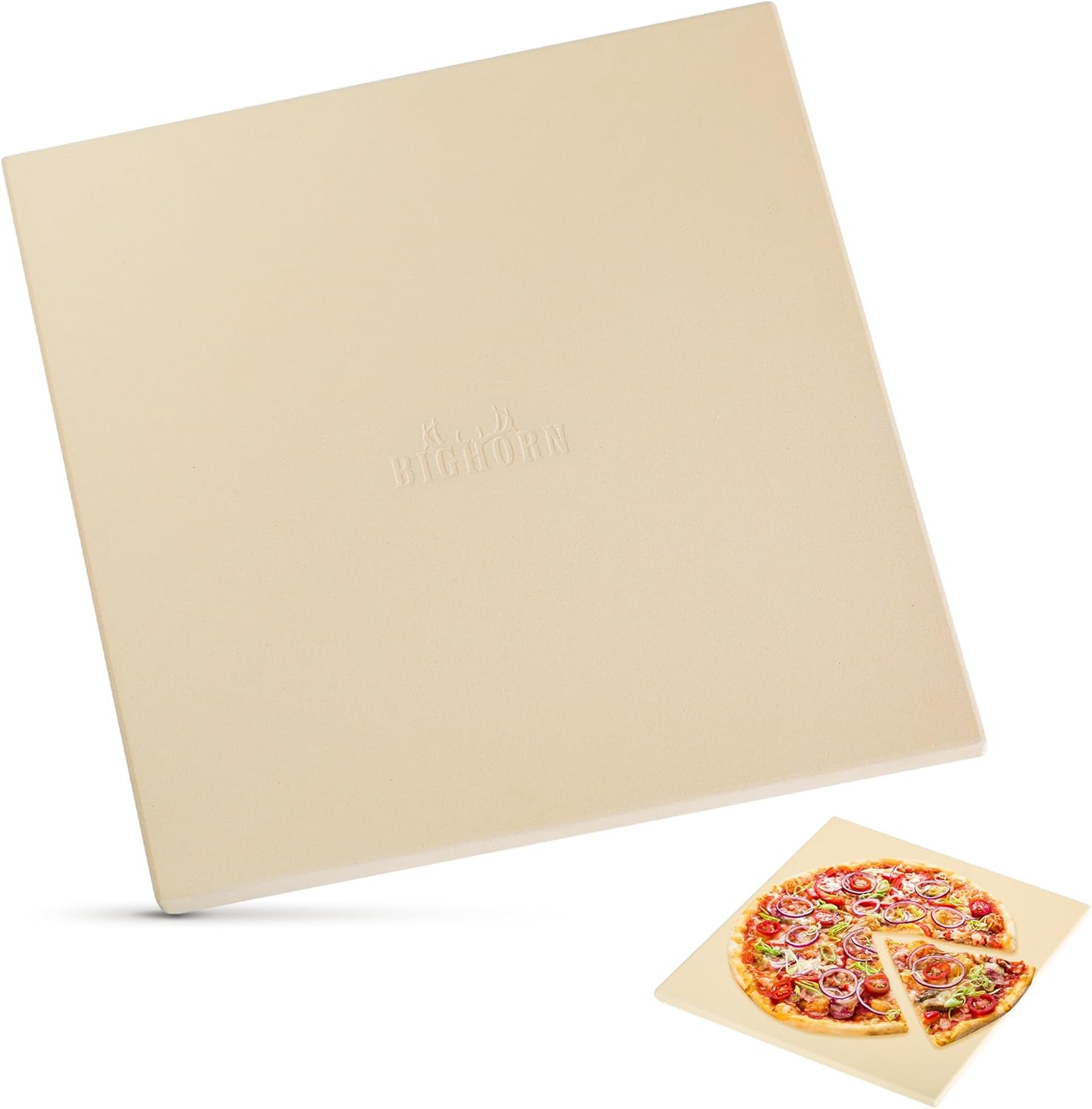
A heavy rectangular pizza stone holds a lot of heat. That is useful for a relaxed skin, and unforgiving for a ball that is still cold in the core. The floor dumps energy into the dough immediately. If the dough cannot stretch or expand yet, you get a tight disc, a pale or gummy center, and a stronger urge to blame the flame.
Cold dough also misbehaves on the peel. It snaps back when you try to open it, and it can sit too thick in the middle. Those are handling symptoms of temperature, not proof that the formula failed. Warm the ball until it cooperates, then stretch.
How long to wait, and how to tell the dough is ready
There is no single official wait that fits every refrigerator, every ball size, and every room. A common backyard range is about 30 to 90 minutes at indoor room temperature, shorter when the kitchen is already warm, longer when the room is cold. The cue that matters is readiness, not the clock.
Ready dough feels relaxed rather than rubbery, opens without a hard snap-back, and is no longer fridge-cold when you press the center of the ball. A gentle poke should behave like a finished proof: a slow spring with a slight dent, not a tight rebound and not a collapse. If the center still feels like it just left the refrigerator, keep waiting, covered.
If you habitually need much more than that window in a comfortable room, the ball may have been underproofed before it was chilled, or the balls may be large and still cold in the core. Split the difference by taking dough out earlier next time, not by parking it next to a running oven.
A cold-dough launch window that does not wreck oven spring
The useful window is after the dough has tempered and before it overproofs on the bench. Launch inside that window and the rim has a chance to puff. Launch much earlier, and the spring is dull. Wait much too long in a warm room, and the dough can go slack, sticky, and hard to move on the peel.
Oven spring also depends on a hot, clean floor and a dough that was actually fermented, not only warmed. Tempering cannot replace a ferment that never happened, and it cannot replace heat-mapping work such as mapping flame placement before you launch. Think of the wait as the last temperature step, not the whole bake plan.
A dough built for high heat, including a Neapolitan-style dough for a high-heat oven, still wants this pause when it comes from the refrigerator. The formula does not make a stone-cold ball stretch like a tempered one.
What goes wrong if you launch too soon — or wait too long
Launch too soon and the usual result is a tight pie: poor spring, a thick pale center, and a rim that colors before the crumb opens. In a very hot oven the outside can race ahead of the still-cold middle. That looks like a heat-balance problem, and sometimes it is, which is why the broader question of balancing top and bottom heat in a pizza oven has its own page. Check the dough temperature first, before you change the whole heat plan.
Wait too long and the dough can overproof on the counter, especially in summer. It gets slack, wet on the surface, and fragile. It may stick to the peel or tear when you stretch. At that point you are no longer tempering; you are running a room-temperature ferment you did not plan.
Gluten-free doughs are less forgiving of both mistakes. If you are working from a gluten-free dough for a high-heat pizza oven, keep the wait shorter, keep the balls covered, and judge by softness and a lack of ice-cold stiffness rather than by a classic gluten poke test.
How this differs from the cold-ferment day-by-day playbook
A cold-ferment playbook answers how many hours or days the dough should spend in the refrigerator, and what the dough should look like at each stage. This page starts later. The ferment is already underway or finished. The only question is how long the ball should sit out before it meets a hot stone.
Blending the two jobs causes a common error: treating “it fermented in the fridge, so it is ready” as permission to launch immediately. Cold fermentation and tempering are sequential, not interchangeable. You can have a well-fermented dough that is still a poor launch because it is fridge-cold, and you can have a tempered dough that still bakes poorly because it never fermented long enough in the first place.
Summer vs winter wait times
The same refrigerator, the same ball weight, and two different rooms will not share a wait. In a warm summer kitchen, dough can temper in the shorter end of a 30-to-90-minute range, and it can overproof if you forget it on the counter. In a cold winter kitchen or a chilly garage, the same ball may need the longer end, or a slightly warmer indoor spot, before the center loosens.
| Setting | What usually changes | How to use the wait |
|---|---|---|
| Warm summer kitchen | Dough loosens sooner and can overproof if left out | Start checking early; keep balls covered; refrigerate any extras that are already relaxed |
| Mild indoor room | A mid-range wait is often enough | Use the poke and the center feel, not a single minute count |
| Cold winter kitchen or garage | The core stays fridge-cold longer | Allow a longer wait, or move the box to a comfortably warm indoor room, not onto the oven |
These are starting contrasts, not measured times for a particular model of oven or a particular night. If the dough still feels cold in the center, it is not ready, even if a summer wait would already have been enough.
A simple tempering setup on a busy pizza night
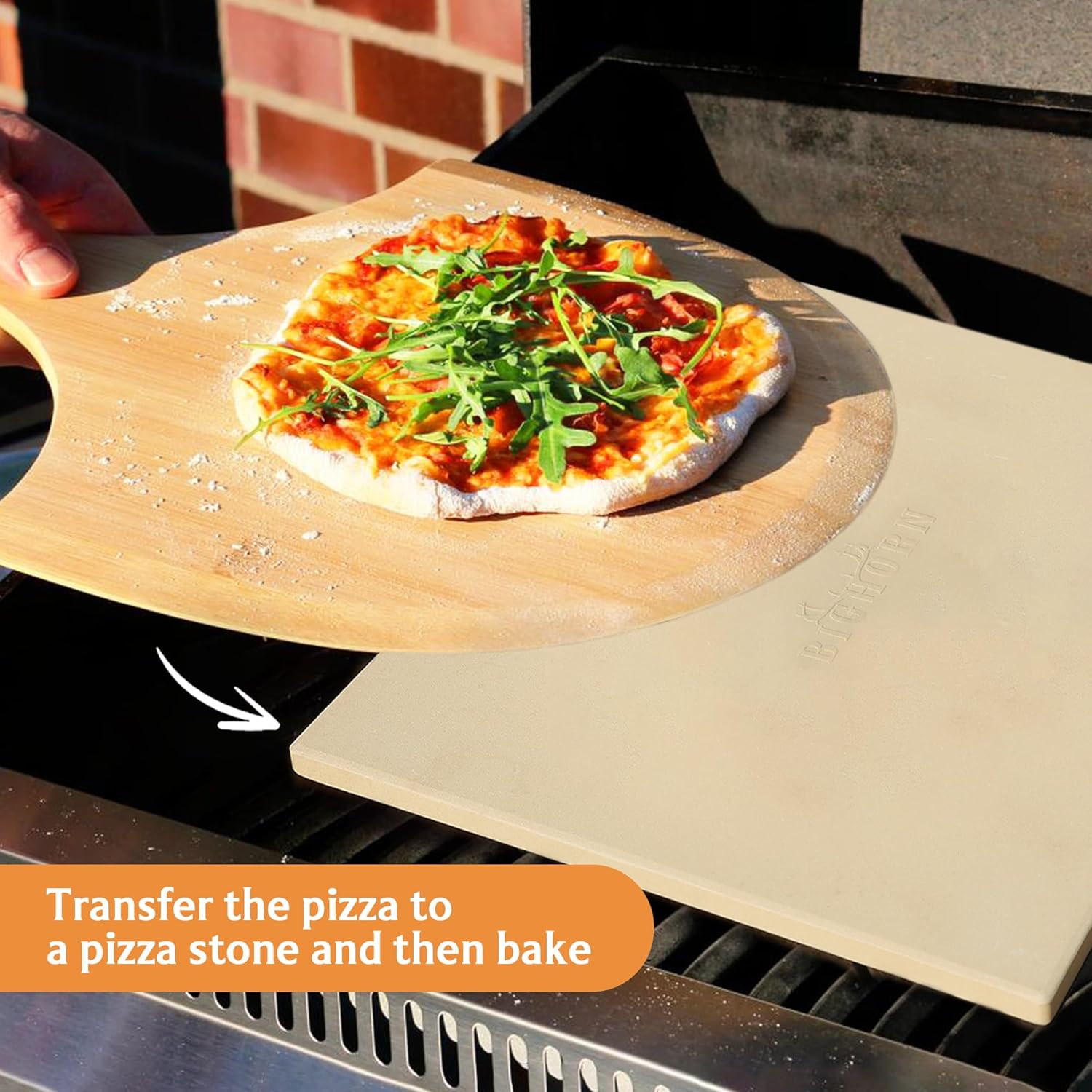
On a party night, take the first balls out while the oven is still preheating, not after the stone is already at launch heat. Stagger the rest: the next balls come out as the first pies go in. That overlap keeps you from launching one cold pie and then rushing the others.
Set a single tray or box on a work table away from the oven mouth. Cover it. Check the first ball a little earlier than you think you need to in summer, and a little later in winter. If a ball is ready before you are, put it back in the refrigerator rather than leaving it to overproof on the bench.
Ordinary food-holding habits still apply. Do not park dough for hours in the lukewarm zone that FDA safe food handling guidance warns about for perishable foods, and do not leave a tray out overnight as a substitute for refrigeration. Kitchen and leftover basics from FDA kitchen food-safety advice and the National Center for Home Food Preservation storage pages are enough here.
A covered box or bin so balls do not crust while they temper
Tempering air-dries dough as surely as it warms it. A covered box, a lidded dough bin, or a tray with a loose cover keeps a skin from forming while the center catches up. A dry crust on the ball will tear when you stretch and can leave pale, leathery patches after the bake.
Oil on the surface can help a little, but a cover does more, and too much oil just makes a slippery ball. If a skin has already formed, a brief, light mist or a smear of water on the surface is a limited rescue; it will not fix dough you have already left uncovered for a long time.
When the night ends, leftover balls go back into the refrigerator in a covered container, following the same common-sense leftover logic as Ready.gov food safety basics. Formula tweaks, including the ratios explained in King Arthur’s baker’s math guide and the hydration definition on King Arthur’s hydration explainer, can wait for a calmer mix day. The job tonight is only to let cold dough become launchable without letting it crust or collapse on the counter.
Once the dough is relaxed and the oven is hot, a fully heated stone matters as much as the wait. Check the current 12-inch heavy-duty pizza stone listing if you need a floor that can take a high-heat launch.
FAQ
Should you chill pizza dough before baking?
Chilling is useful for a long ferment and for holding dough, but it is not a cue to launch the ball ice-cold. Most high-heat backyard pies launch more cleanly after the dough has tempered until it is relaxed and no longer fridge-cold in the center.
How long should I cold ferment pizza dough?
Cold fermentation is a multi-hour or multi-day fridge schedule, not the short wait after you take a ball out. Many backyard doughs sit in the refrigerator for about one to three days, depending on yeast load and flavor goals. This page only covers the tempering wait once that fridge time is already done.
Can I leave pizza dough out overnight?
Leaving dough out overnight at room temperature is a different decision from a short tempering wait, and in a warm kitchen it can push the dough past ready or into a long spell in the temperature danger zone. If you need to hold dough overnight, the refrigerator is the ordinary place, not the counter.
What is the best way to store pizza dough?
For dough you are not baking yet, a covered container in the refrigerator is the usual home method. Keep the surface from drying out, and use a covered box or bin when balls are tempering on the counter so they do not crust. Storage is not the same as a launch-ready wait.
More to Read
Fireproof Grill Mat Under Pizza Ovens and Infrared Grills
Place a fireproof grill mat to catch grease and sparks under ovens and grills. Confirm the live 48-by-30-inch claims, and use a cart when you need ...
No Oven Spring on a High-Heat Pie: Dough Temp, Launch and Floor
Diagnose no oven spring on a high-heat pizza by checking dough temperature, launch handling, and floor heat before you spend another mix changing t...
Heat-Resistant BBQ Gloves: Temperature Ratings and Wet-Grip Limits
Read a 1472°F glove rating as a short, dry, instant figure. Wet or oily conditions change grip, so let long peels reach into hot ovens and grills.
