


A concrete outdoor fireplace with a grill is a permanent-looking centerpiece that does double duty: it anchors a seating area with directional heat and provides a live-fire cooking surface. Because it is heavy, porous and built to hold fire, its placement, clearance and care follow stricter rules than a portable fire pit. This guide covers how to site one, what clearances to respect, how to protect concrete from weather and cooking residue, and the seasonal care that keeps a concrete fireplace safe and sound for years.
Why concrete needs different rules
Concrete is heavy, porous and vulnerable to moisture and thermal stress. It holds and radiates heat well, which makes it an excellent fireplace material, but the same properties mean water that soaks in can freeze and crack it, and rapid temperature changes can stress the surface. A concrete fireplace also cannot be moved casually — once it is placed, it lives there — so siting decisions matter more than with a portable unit. The rules that follow exist to protect both the structure and the people around it.
Placement and clearances
Place the fireplace on a stable, level, load-bearing surface — concrete, stone or a properly built pad — never directly on grass, wood decking or a surface that cannot support its weight. The clearances in the product manual are the numbers to follow: they specify how far the unit must sit from walls, eaves, railings, dry vegetation and seating, and they override general advice. Local fire rules may add requirements about distance from property lines or structures, so check those before delivery. Think about the seating layout too: a concrete fireplace throws heat forward, so chairs should face the opening, with the cooking side accessible without crowding the fire.

Using the grill surface
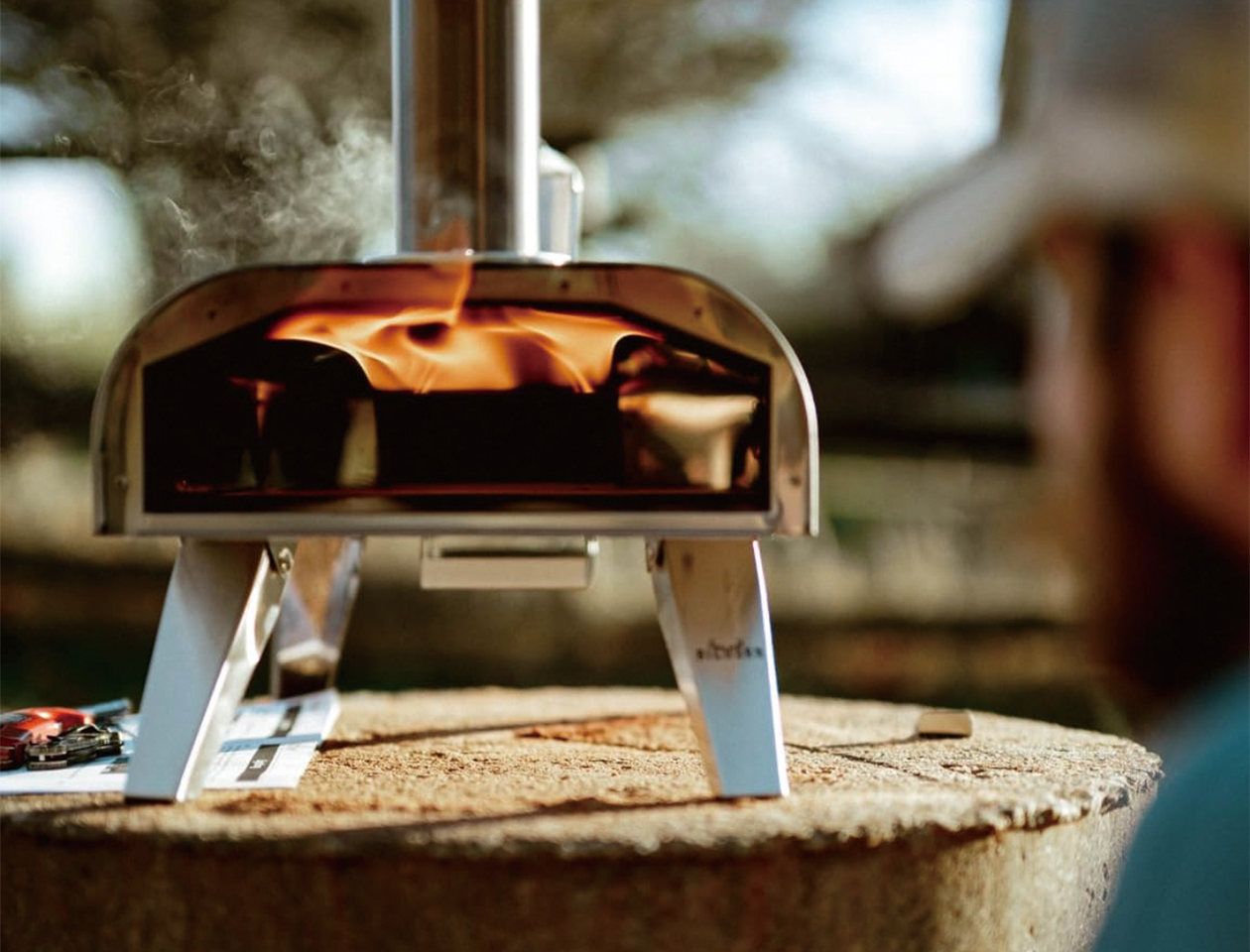
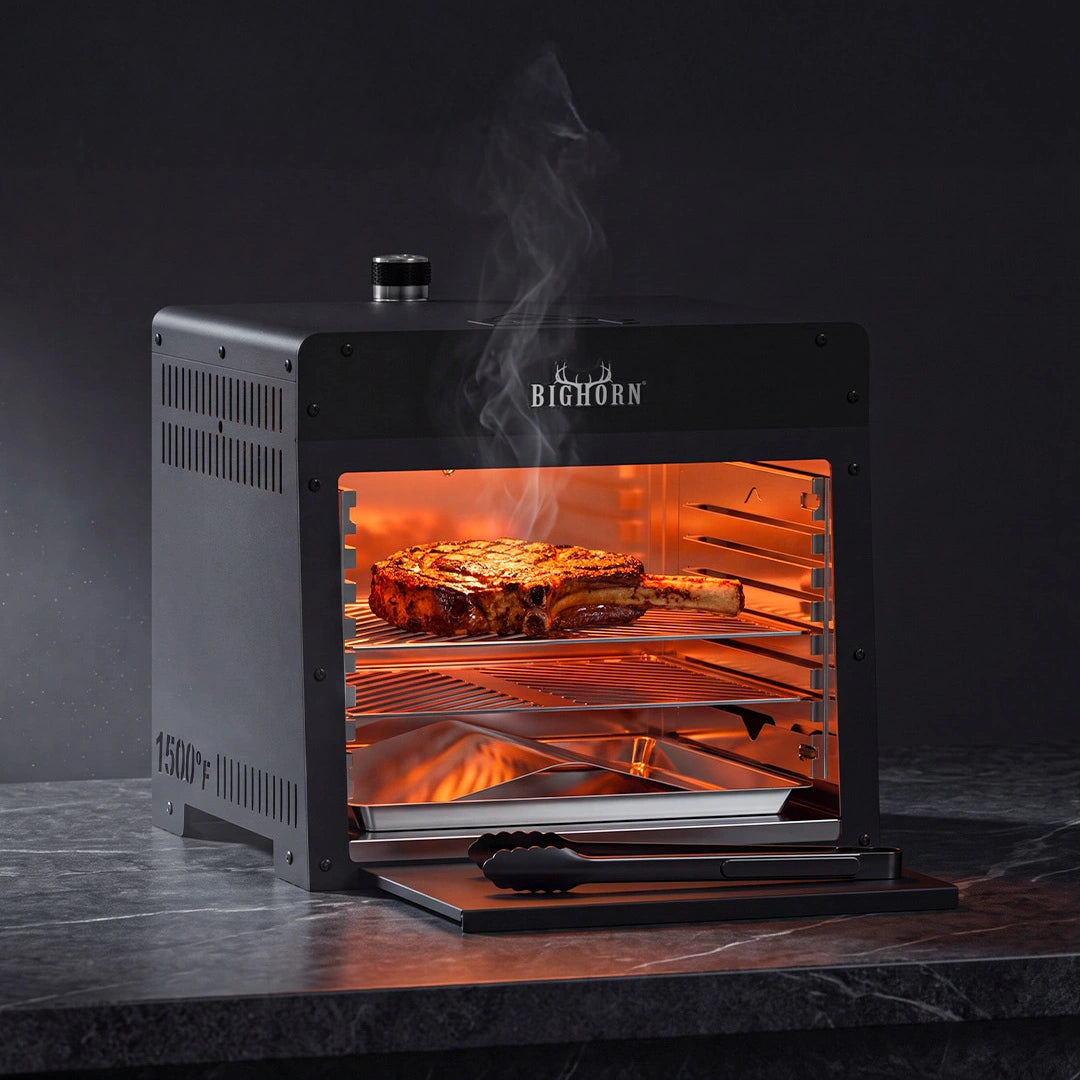
When the fireplace includes a grill, cooking over the firebox is the point of the unit for many owners. Use the grill surface the way the manual describes: build the fire to a cooking bed, place the grate or grill at the designed height, and manage the food over the coals rather than over leaping flames. Keep a fire-safe area clear around the cooking side, use long-handled tools, and never leave a fire unattended while cooking. The same live-fire rules that apply to any open cooker apply here — with the added caution that the concrete mass around the fire stays hot long after the flames are gone.
Weatherproofing and moisture control
Moisture is the concrete fireplace's main enemy. Water that sits on or soaks into the concrete can freeze and crack it in cold climates, and standing water around the base can undermine the pad over time. Protect the top and firebox from rain and snow with a fitted cover or a cap designed for the unit, and make sure drainage carries water away from the base rather than pooling beside it. In freeze-thaw climates, treat small cracks before winter, because water that freezes inside a crack widens it quickly. A concrete fireplace that stays dry through the wet seasons needs far less repair than one left open to the weather.
Cleaning and care after cooking
Cooking in the fireplace adds residue to the concrete: ash, grease and food drips that can stain the surface and attract moisture. Remove ash when it is cool, scrape the grill surface after each cook, and clean drips from the concrete promptly with the cleaner your manual approves — avoid harsh acids that can etch concrete. If grease stains set in, treat them early with a poultice or the product your fireplace manufacturer recommends. The concrete around the firebox will darken with use; that is normal patina, not damage, but burnt-on food residue is worth cleaning while it is fresh.
Seasonal care checklist
- Before the season: inspect for cracks, confirm the base is level and drainage is clear, and check the grill surface for wear.
- During use: remove ash regularly, clean drips promptly, and keep the fire within the designed firebox.
- Before winter: deep-clean, dry the unit, cover the top and firebox, and treat any cracks before freezing weather.
- In spring: inspect for new cracks or heaving, clear debris, and re-check the grill and chimney areas before the first fire.
The checklist keeps the fireplace's maintenance from becoming a repair project. Most concrete fireplace problems — spalling, cracking, heaving — develop slowly and are preventable with the fall and spring inspections, which is why the seasonal routine matters more than any single deep clean.
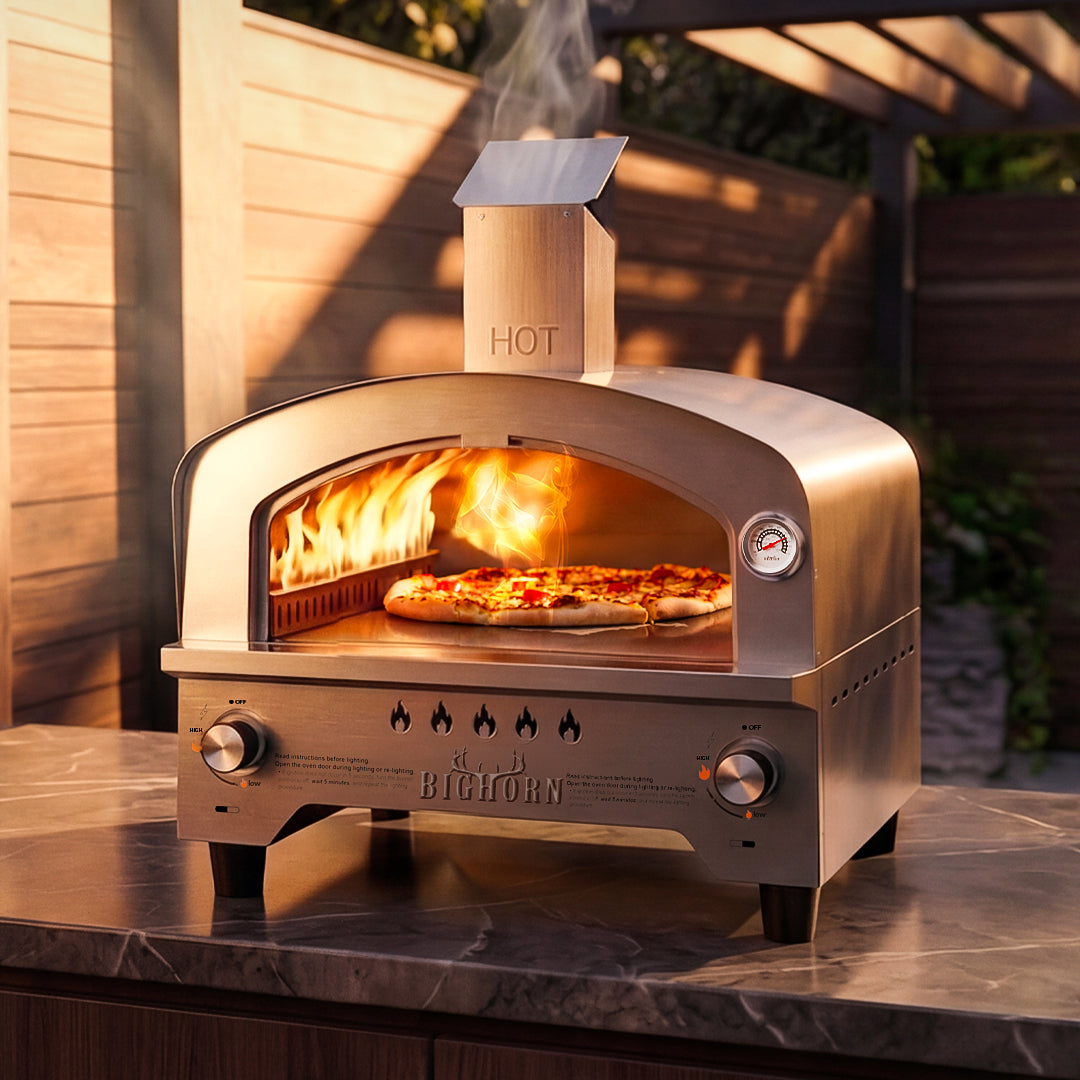
Big Horn's 36.6-inch concrete outdoor fireplace with grill is an example of this category, and the Big Horn Prime collection shows the wider outdoor living range. Site it on a solid base, respect the manual's clearances, keep it dry and clean, and a concrete fireplace with a grill becomes the long-lived centerpiece of the patio — the kind of feature that still looks right a decade later.
Planning the delivery and install day
Because concrete units are heavy, the install day is part of the planning. Confirm the delivery path can handle the unit's weight and that the final surface is ready before it arrives — a fireplace that lands on an unprepared pad is a problem from day one. Have help for positioning, protect the surface beneath during the move, and level the unit carefully so the firebox and grill sit true. If the unit needs assembly or anchoring per the manual, follow those steps exactly; a concrete fireplace that is not level or not secured as designed can develop cracks or become unstable over time.
Cooking with the fireplace grill
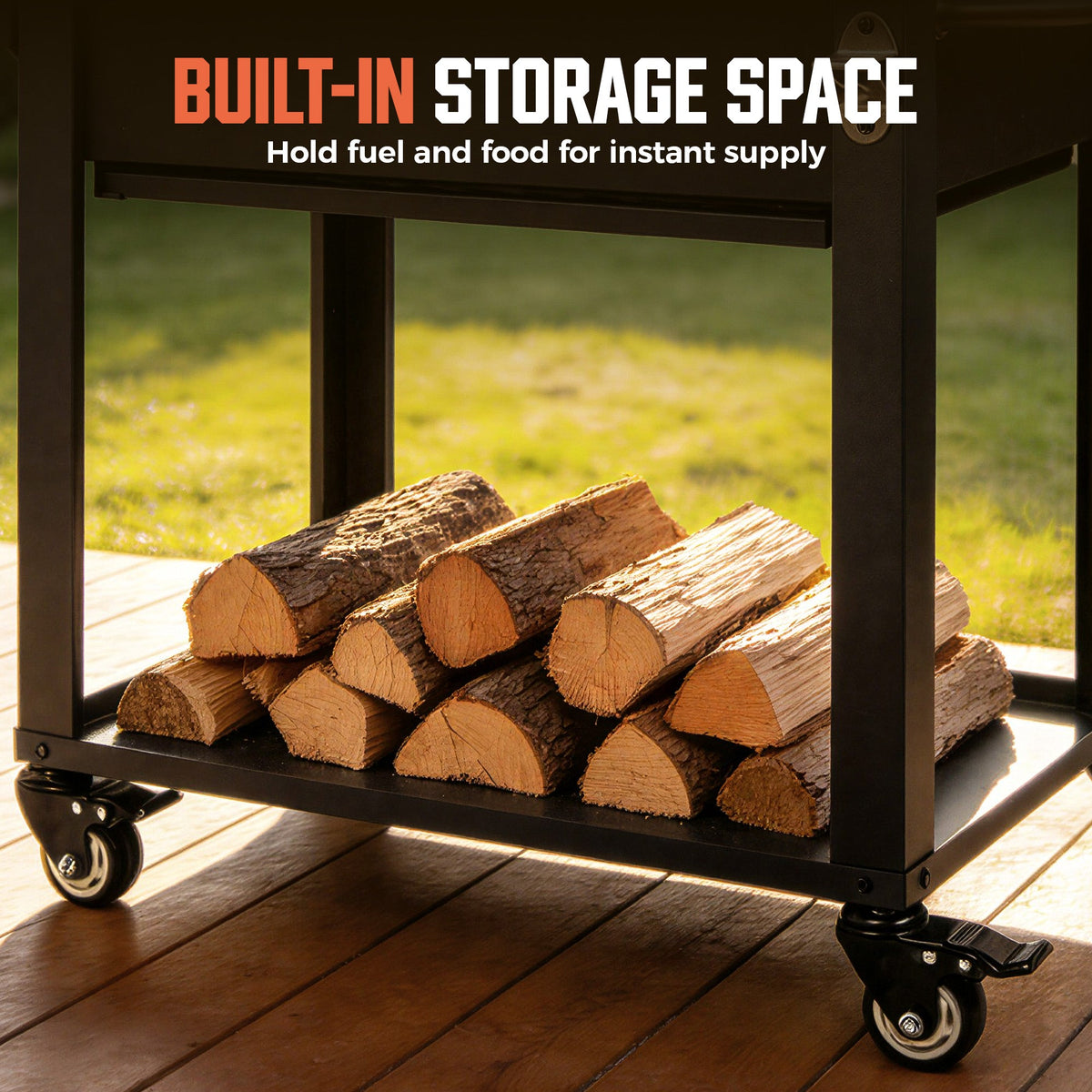
Treat the fireplace grill as a live-fire cooker with its own rhythm. Build the fire and let it settle into coals before cooking, use the grate height or position the manual provides, and keep the food over the coal bed rather than leaping flames. Wood adds flavor but needs management; charcoal is easier to control for beginners. Have long-handled tongs, a brush for the grate and a safe place for hot tools within reach, and never leave the fire unattended while cooking. The concrete mass holds heat, so even after the fire dies, the cooking area stays hot far longer than a portable grill — plan the cooldown accordingly.
Concrete fireplace mistakes that cost you
The most common mistakes with concrete fireplaces are placing them too close to a structure, covering them while damp, letting ash and drips sit, and skipping the seasonal crack check. Each is easy to avoid with the routine in this guide: measure clearances before final placement, dry the unit before covering, clean after cooks, and inspect in spring and fall. A second set of mistakes is about fire itself — overloading the firebox, using wet wood, and leaving a fire unattended all strain both the unit and the people around it. The manual's fire size guidance exists for a reason; respect it.
If you are choosing between concrete sizes, match the unit to the patio rather than the tallest option. A fireplace that visually dominates a small yard can crowd the seating, while one too small for a large patio throws weak heat. Measure the seating distance, the available footprint and the cooking needs, then choose the size that balances all three. The right concrete fireplace anchors the space without owning it, and it earns its place by being used — for warmth, for cooking and for the gathering that forms around it.
Before you commit, also check your local rules and your property's practicalities: some areas restrict open fires or require permits for permanent fire features, and insurance policies may ask about fire features near structures. A quick call to the local fire authority and a look at your homeowner policy can prevent an expensive surprise after delivery. Concrete fireplaces are a long-term purchase, and the ten minutes of local-rule checking is the cheapest part of the project — it keeps the fireplace legal, safe and welcome on the patio it will anchor for years.
Safety and technical guidance here is general and educational: follow your product manual and local fire, building and electrical codes, which override general advice. Product details reflect official Big Horn Outdoors listings reviewed September 5, 2026; re-check prices and availability at checkout.