







Pizza Styles & Recipes
Herb oils and finishing sauces belong on a pizza after the bake when the ingredient would burn or turn bitter in a high-heat oven: pesto, chili crisp, hot honey, and many fresh-herb oils. The crust can blister first; the finish goes on when the pie is on a board.
That is a timing habit, not a claim that one sauce is the best sauce for every pie. A high-heat tomato sauce already has its own home in homemade pizza sauce for high-heat ovens. This page is the after-bake finishing hub, not a pesto-pizza recipe and not a redo of that tomato sauce.
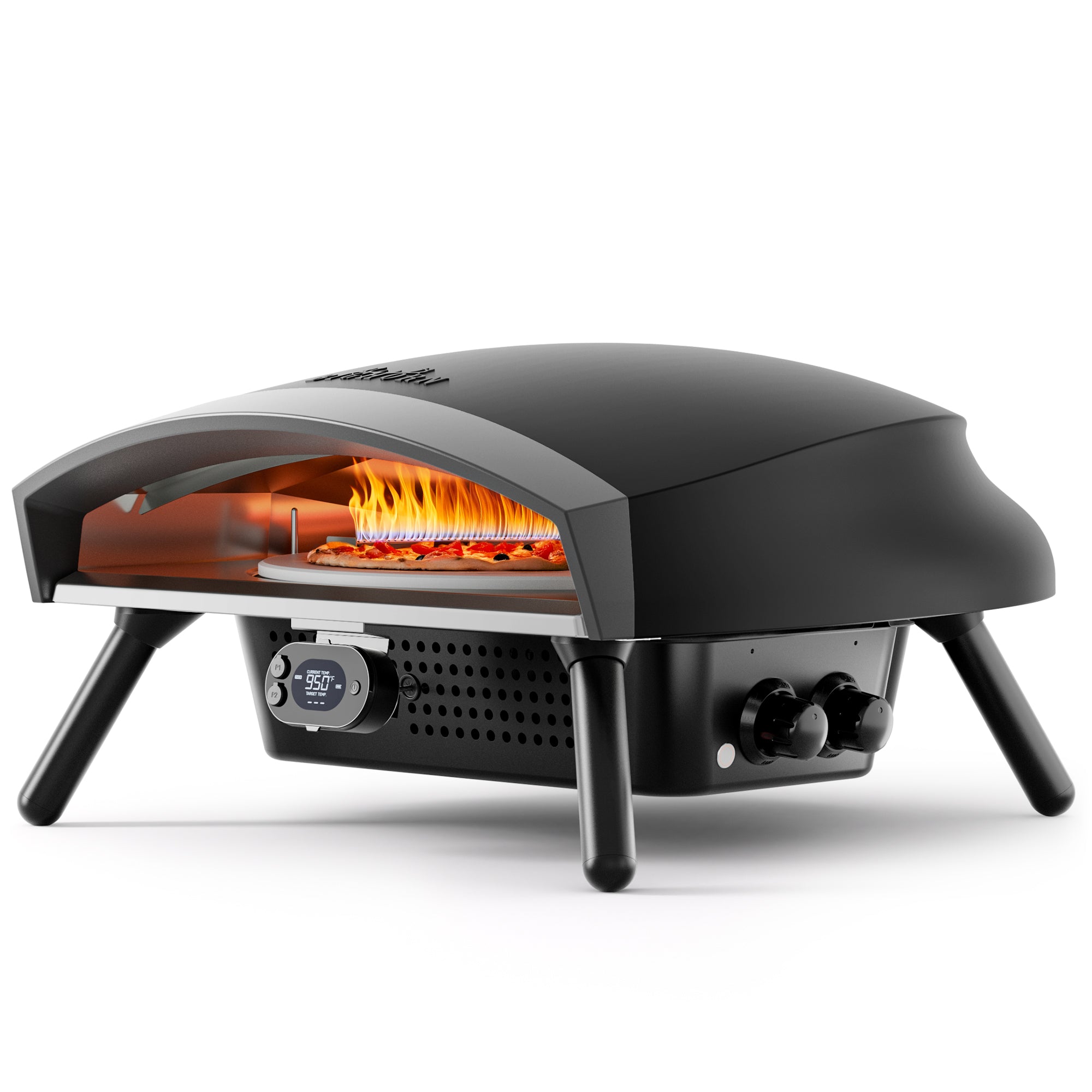
Why delicate herbs burn
Basil, parsley, and many blended pestos darken and turn harsh in a launching-heat chamber. Chili oil and honey can scorch too, especially on a pie that sits under a fierce flame while you wait for the crust. The failure is usually timing, not a "bad" jar. Put the delicate finish on after the bake, or in the last brief moment only if you already know that particular finish can take the heat.
A ready oven from the pizza oven collection is still for the crust and the cheese. The board is for pesto and herbs. Keep the oven outdoors, with clearance. NFPA grilling safety and U.S. Fire Administration cooking-fire prevention remain the fire references; EPA carbon monoxide information is why you do not finish pies in a closed garage just to keep the herbs happy.
Pesto after the bake
Spoon or drizzle pesto on a cooked pie so the basil stays green and the garlic stays bright. A thick smear under the cheese in a high-heat oven will often dull and separate. If you want a little pesto in the bake, use a very thin layer and accept that the after-bake drizzle is still where most of the aroma should come from.
Pesto with cheese and nuts is a perishable food. Keep it cold, use clean spoons, and do not leave a jar in the sun beside a running oven. FDA safe food handling and FDA food safety in your kitchen are the official handling pages.
Chili crisp and hot honey
Chili crisp and hot honey are finishes, not a reason to flood a raw dough. A light drizzle after the bake gives heat and sweetness without turning the crust into a sticky scorch. If you put honey on too early, it can blacken. If you put a greasy chili crisp on a raw peel, the dough can slide or burn in spots.
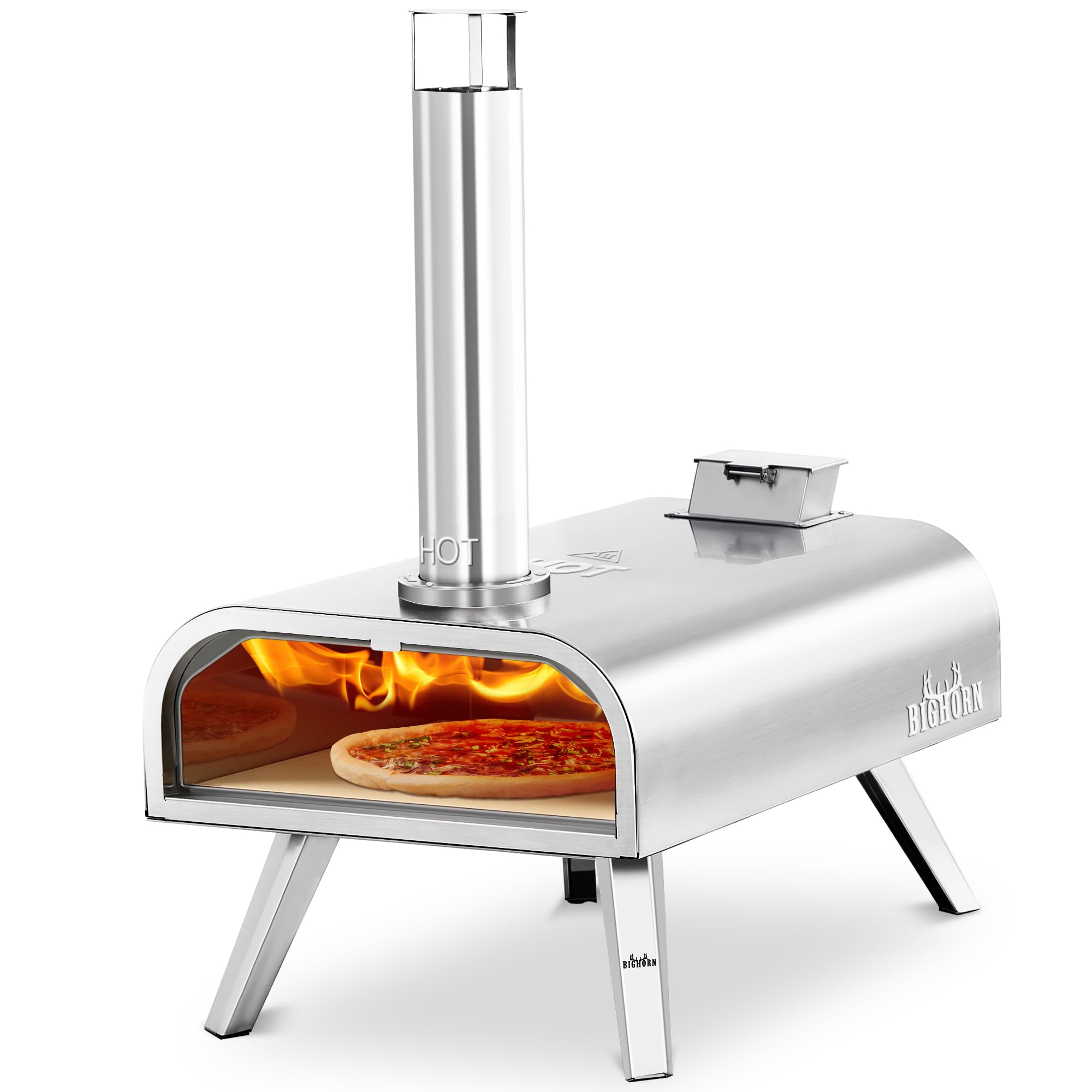
There is no official "best" finishing sauce. Match the finish to the pie: a peppery crisp on a simple cheese pie, a little honey on a salty cured meat, pesto on a pie that can take basil. Gas and pellet chambers in the gas pizza oven collection and the pellet pizza oven collection will all scorch a sweet drizzle if you treat it like tomato sauce.
Garlic-oil caution
Garlic oil is useful, and it is also a food-safety project if you make it ahead and leave it at room temperature. Do not store homemade garlic-in-oil on the counter as a standing pantry bottle. Follow official guidance on oil infusions and leftovers rather than a social-media jar. National Center for Home Food Preservation storage guidance and Ready.gov food guidance are the storage and leftover references to keep next to the whisk.
A small, fresh batch you use the same night is the practical backyard path. Brush it on after the bake, or very lightly before if the oven is not a blast furnace. Burnt garlic is bitter; more oil will not fix it.
Storing finishes
How long a leftover tomato sauce or a homemade finish keeps is not a number this article will invent, including a blanket "yes" at seven days. Official leftover guidance and the sauce's own storage notes outrank a calendar guess. Refrigerate promptly, keep the container clean, and when you are unsure, make a fresh batch rather than tasting your way through a week-old jar.
Leftover tomato sauce can be used on a later pie, on a tray of vegetables, or on pasta, as long as it was handled as perishable food. "What is the best sauce to use on pizza?" still depends on the pie and the oven. A thick, cooked tomato sauce for high heat is a different job from a pesto you add on the board.
A high-heat dough you already trust, such as the Neapolitan dough recipe for a high-heat oven, does not change those storage rules.
A finishing station for service
Use the table to set a small board station, not as a restaurant recipe kit.
| Finish | When it usually goes on | Watch-out |
|---|---|---|
| Pesto and fresh herb oils | After the bake, on a board | High heat dulls basil; the jar is perishable |
| Chili crisp | After the bake, in a light drizzle | A greasy load on raw dough can slide or scorch |
| Hot honey | After the bake, or in the briefest finish if you already know the heat | Sugar burns; a little goes a long way |
| Fresh garlic oil | Best the same night, after the bake | Do not park homemade garlic-in-oil on the counter as a pantry bottle |
Key takeaways
Pesto, chili crisp, hot honey, and herb oils usually finish a pie after the bake so they do not scorch. This is a timing hub, not a "best sauce" contest and not a tomato-sauce clone. Store finishes as perishable food, do not invent a seven-day rule, and keep official handling and fire-safety pages next to the board.
For a high-heat tomato sauce, keep the homemade pizza sauce for high-heat ovens guide at hand, and preheat an oven from the pizza oven collection before you set out the after-bake finishes.
FAQ
How to store leftover homemade pizza sauce?
Refrigerate it promptly in a clean container and follow official leftover guidance plus the sauce's own notes. This article will not invent a guaranteed number of days.
What is the best sauce to use on pizza pizza?
There is no single best sauce. A thick tomato sauce for high heat is a different job from pesto, chili crisp, or hot honey you add on the board after the bake.
What to cook with leftover pizza sauce?
A later pie, a tray of vegetables, or pasta can all use leftover tomato sauce if it was handled as perishable food. When you are unsure about time or temperature, make a fresh batch.
Can I use tomato sauce after 7 days?
Do not assume a homemade sauce is fine at day 7. Official leftover guidance outranks a calendar guess. When you are unsure, do not taste your way through an old jar.
More to Read
Leftover Holiday Turkey on the Grill or in the Pizza Oven: Sandwiches, Tostadas and a White Pie
Give leftover turkey a second heat, not another roast: grill sandwiches or tostadas, or bake a white pie, after a safe leftover inventory the night...
Parrilla Taco Night: Carne, Salsas and Grate Space for a Crowd
Run taco night on a parrilla as a grate-space plan: carne, a second protein, a salsa station, and tortillas held soft, without one crowded fire.
Bone-In Lamb Leg or Shoulder on a Santa Maria or Gas Grill
Grill a bone-in lamb leg or shoulder as a roast: Santa Maria height or a gas two-zone fire, a USDA safety floor, and a probe that does not touch bone.
