







Infrared Grilling Expansion
A thick ribeye can forgive an extra minute. A skirt steak cannot. The cost of treating flank or skirt like a ribeye on an infrared grill is a dry, charcoal-edged sheet of meat that looked expensive until it spent too long in a close, intense heat. The comparison is the whole method: same cooker, different cut, a much shorter window.
This page is a thin-cut infrared protocol. Live ribeye pages and gas-grill fajita or flank pages keep their own fuels and thicknesses. Use those when they match the cut and the cooker you actually have.
Why thin steaks fail on infrared if you treat them like a ribeye
Flank and skirt fail on an infrared grill when you give them a thick-steak clock. They are thin, they have a lot of surface, and a close infrared heat will finish them in a short window, often a minute or two per side. Sear, check early, and get them off before the edges charcoal.
A ribeye has a cushion of thickness and fat. It can take a harder sear and still have a center to finish. Flank and skirt are closer to a sheet. The same preheat and rack position that browns a ribeye can overshoot them while you are still reaching for tongs.
The cheap mistake is not the marinade. It is standing there with a ribeye habit and a thin steak already past the point of a juicy slice.
Flank vs skirt: thickness, grain and marinade time
Flank is usually a wider, slightly thicker sheet with a clear long grain. Skirt is typically thinner, with a very pronounced grain and more uneven edges. Both want a thin slice across that grain after the cook. Skirt often cooks faster simply because there is less meat between the two faces.
Marinade time can be brief for this method. A couple of hours is plenty for a thin skirt; overnight is optional, not required, and it can make the surface wetter than you want for a hard infrared sear. Flank can take a little longer in a thin marinade if you have the time, but it still needs to be patted down before it hits the heat.
If the butcher left a heavy membrane on a skirt, trim what you can without shredding the steak. You are not trying to turn it into a filet. You are trying to give the heat an even sheet.
A short-window sear that does not charcoal the edges
Preheat the infrared grill so the cooker is actually at working heat, then set the steak on a rack height that is not the closest, most aggressive position if your model allows a choice. Sear the first side only until it has color, turn once, and check the second side early. The edges will darken first, especially on a skinny skirt.
There is no single second count that fits every unit. A common way to think about it is a short window, often around a minute or two per side, not a five-minute ribeye sear. If your steak is on the thicker end of flank, it may need a little more, but still far less than a roast-style cook. If flare or dripping marinade starts to blacken the surface, move the steak or step it to a slightly farther rack, and stay with the cooker.
For preheat cues that belong to this kind of hardware, use the live infrared pages rather than a conventional gas-grill clock. For grease and fire attention in a close cooker, stay with NFPA grilling safety and U.S. Fire Administration cooking-fire prevention.
| Cut | A common infrared window | After the sear |
|---|---|---|
| Skirt, typical thin packer or outside skirt | Often a very short pass, commonly around 1–2 minutes per side | Rest briefly, then slice thin across the grain |
| Flank, a slightly thicker sheet | Still short; start checking in a similar window and add time only if the center needs it | The same slice; do not serve it in thick steaks along the grain |
| A sugary or thick glaze | Even shorter, or glaze after the sear | Sugar will blacken in a close heat |
| A thick ribeye on the same cooker | A longer protocol, owned by the ribeye pages | Do not use that clock here |
Slicing against the grain while the meat is still juicy
Rest the steak briefly, just long enough to settle, then slice it thin across the grain while it is still juicy. A long rest under a tight wrap will steam the crust and let a thin cut lose heat you wanted at the table. A short rest on a warm plate is enough.
Look at the fibers and cut across them, not along the length of the steak. That is the chew. It is also how a weeknight fajita or a salad actually works. If you cut with the grain, even a perfectly timed sear will feel stringy.
The FDA safe food-handling chart lists 145°F, with a three-minute rest, for steaks such as beef, pork, veal, and lamb. That published figure is the official line this page cites. Some cooks prefer a redder center; if you do, understand that you are leaving the official minimum. Probe the thickest area, then slice. Use the FDA safe food-handling chart and the FDA kitchen food-safety page for the board and handwashing path from raw meat to the cut slices.
How this differs from the live ribeye infrared page and gas fajita/flank pages
The infrared ribeye method is built for a thick cut and a longer presence in the heat. Use how to cook a ribeye on an infrared grill and how to grill a ribeye steak when that is the steak in the pan. A broader cut chart lives on the infrared grill steak chart by cut, and a survey of different steaks is on how to infrared grill different steaks. This page does not rewrite those ribeye steps.
Gas-grill fajita or flank methods use a broader grate and a different heat path. A reverse-sear tomahawk page such as the portable-grill tomahawk reverse-sear method is for a much thicker steak. Do not import that timeline into a skirt steak on infrared.
A weeknight fajita or salad plan
Season or marinate the steak in the morning or when you get home, preheat the infrared grill while you slice onions and peppers or assemble a salad, then sear the steak in that short window. Rest, slice across the grain, and toss the meat into warm tortillas or over greens. The vegetables can be cooked on a conventional gas grill or in a pan; this page will not pretend a tiny infrared chamber is always the right place for a full fajita spread.
The plan works because the steak itself is fast. The cost of missing the window is that the whole plate turns dry. Stay at the cooker for the sear, then do the slicing at the board.
Do not move a lit infrared grill into a closed garage to escape weather while you finish the onions. See the EPA page on carbon monoxide and Ready.gov home-fire guidance if that idea crosses your mind.

A marinade that stays thin so sugar does not blacken the surface
Keep the marinade pourable: oil, a little acid, salt, and aromatics. Thick, sugary sauces belong after the sear, or in a tiny last-second brush, because they blacken in a close infrared heat and then taste bitter. Pat the steak down so it is not dripping. Wet meat steams, then the drips flare, and the surface goes past browned before the center is ready.
If you already have a sweet bottled sauce you like, serve it with the sliced meat instead of using it as a pre-sear coat. The thin-cut protocol is about controlling the surface in a short window, not about collecting more ingredients.
Salt still matters. A dry-ish surface with salt and oil will often brown more cleanly than a sticky one. Add heat after the slice if you want a sauce, not before.
A recap of who this method is for, and who should use a different cooker
This method is for an infrared grill and for cooks who actually have flank or skirt, not a thick ribeye they are trying to rename. It is a good weeknight path when you want sliced steak for fajitas or a salad and you can watch a short sear.
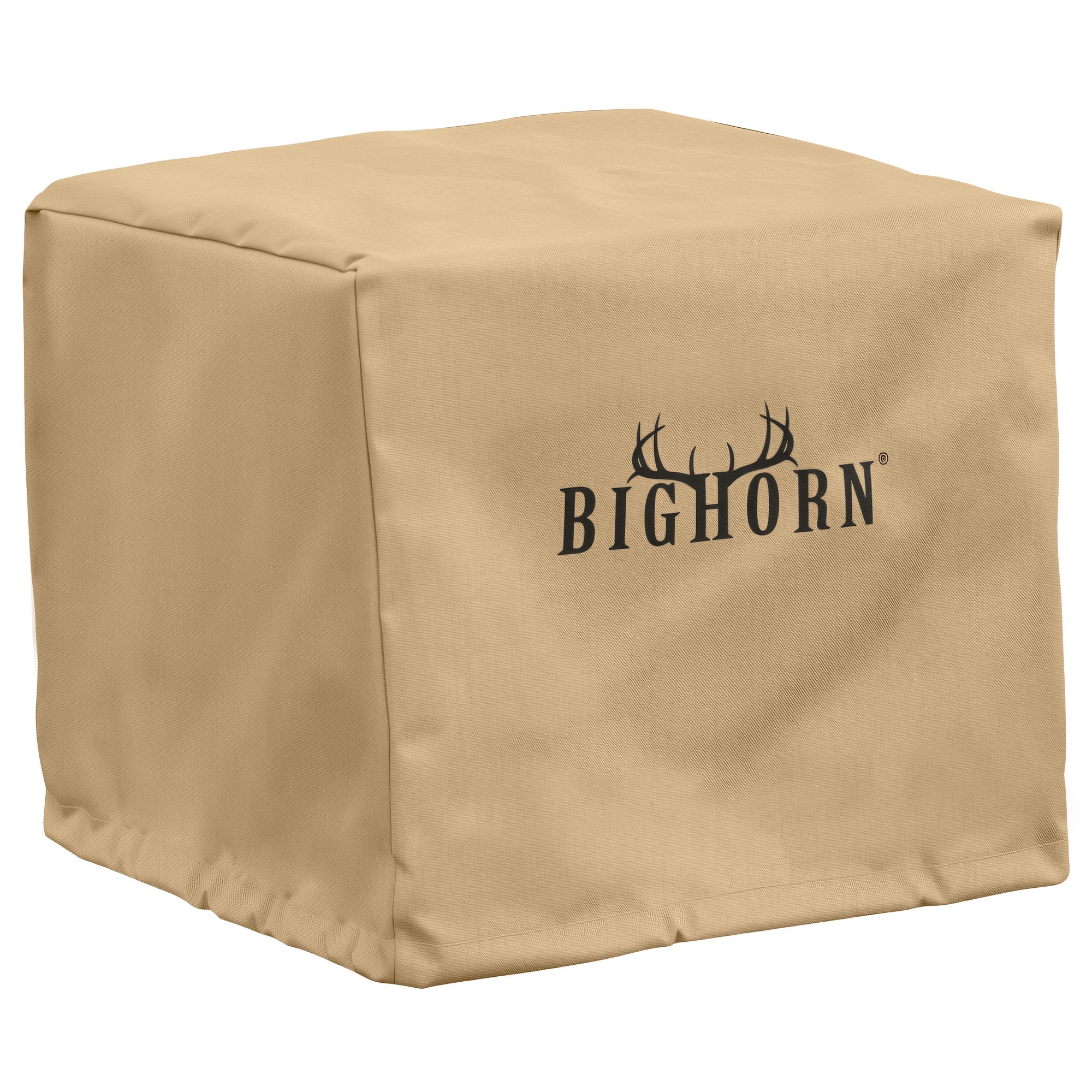
If your only cooker is a conventional gas grill, use a hot, preheated grate and a similarly short attention span, but do not copy infrared rack heights onto that grate. If you want a thick steak dinner, go to the ribeye pages instead of forcing a long cook onto a thin cut. When the infrared grill has cooled, a cover such as the waterproof infrared steak grill cover can go on the unit it is made for. Do not cover a hot cooker, and do not treat the cover as part of the recipe.
After a short flank or skirt sear, let the infrared grill cool fully, then use a fitted cover such as the waterproof, anti-UV infrared steak grill cover so the next thin-cut cook starts on a clean, protected unit.
FAQ
How long does skirt or flank take on an infrared grill?
The window is short, often on the order of a minute or two per side, and it depends on thickness, rack height, and how hot the cooker already is. Skirt is usually thinner than flank and can finish even faster. These are common ranges, not a timed test of one model. Start checking early, and do not copy a thick ribeye clock onto either cut.
Does flank steak burn on an infrared grill?
It can, if you treat it like a thick ribeye and leave it in a close, intense heat for too long, especially if the marinade is sugary. Flank is a thin, lean-enough cut with a lot of surface for its weight, so the edges and any glaze will darken quickly. A short sear, a little distance if your rack allows it, and a thin marinade are the usual protections. Burnt edges are a time problem more often than a cut problem.
Should you marinate flank or skirt before an infrared sear?
A brief, thin marinade can add flavor and a little surface moisture, but it should not be thick, sticky, or heavy with sugar if the steak is going into a close infrared heat. Pat the surface almost dry before it goes on so drips do not flare and the sugar does not blacken in the first seconds. If you only have time for salt and oil, that is enough for this method.
How should you slice flank or skirt after an infrared sear?
Rest the steak briefly, then slice thinly across the grain, not along the long muscle fibers. Flank and skirt both chew more easily that way, which is the difference between a weeknight fajita and a stringy bite. Cut on a clean board, not the one that held the raw meat, and serve soon so the thin slices do not dry out.
More to Read
Leftover Holiday Turkey on the Grill or in the Pizza Oven: Sandwiches, Tostadas and a White Pie
Give leftover turkey a second heat, not another roast: grill sandwiches or tostadas, or bake a white pie, after a safe leftover inventory the night...
Parrilla Taco Night: Carne, Salsas and Grate Space for a Crowd
Run taco night on a parrilla as a grate-space plan: carne, a second protein, a salsa station, and tortillas held soft, without one crowded fire.
Bone-In Lamb Leg or Shoulder on a Santa Maria or Gas Grill
Grill a bone-in lamb leg or shoulder as a roast: Santa Maria height or a gas two-zone fire, a USDA safety floor, and a probe that does not touch bone.
