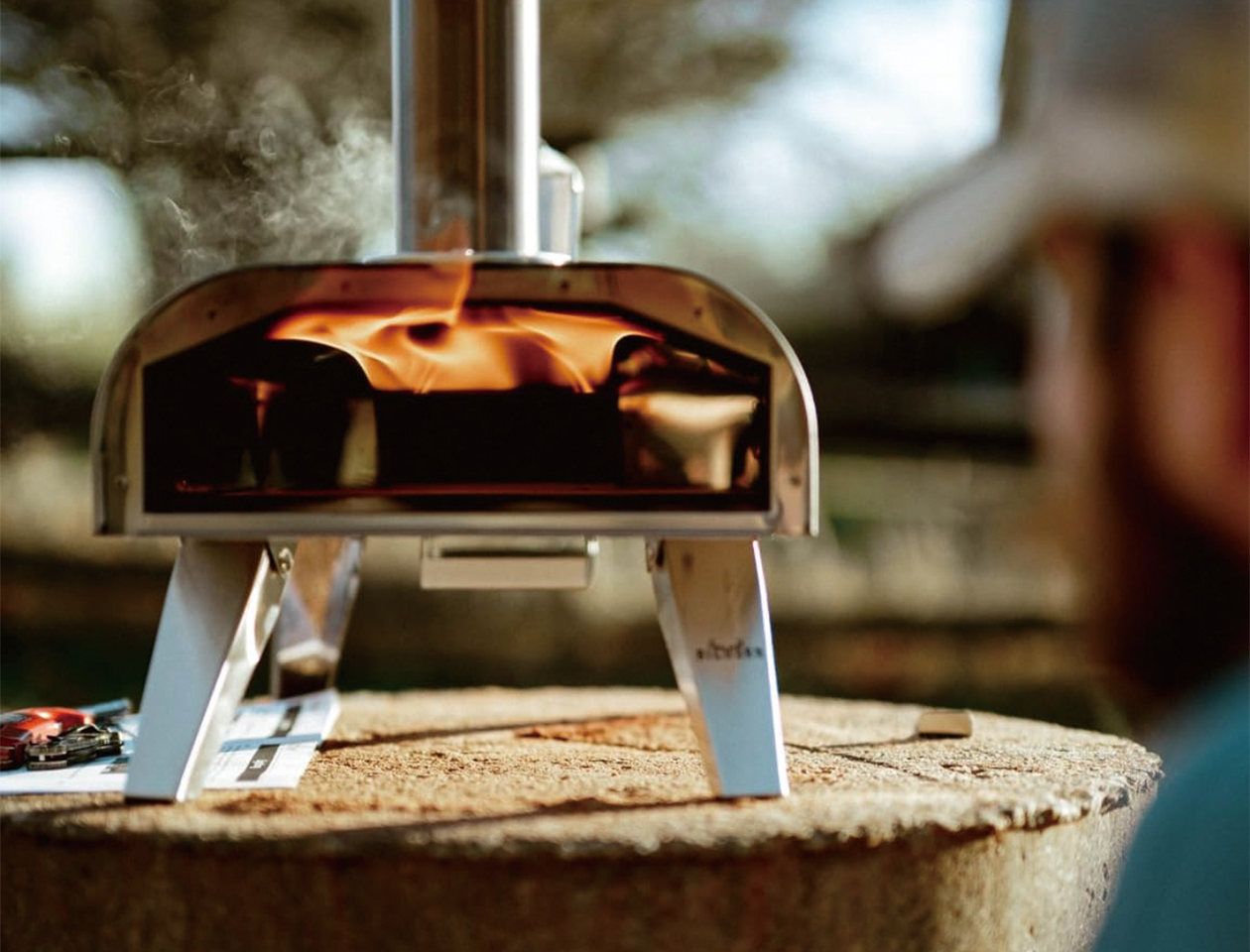
Cooking on an outdoor fireplace grill is live-fire cooking at its most direct: build the fire, let it settle into coals, and cook on the grate built into the firebox. The method rewards patience more than equipment — the fire needs time to become an even bed of coals, the grate needs to be at the right height over that bed, and the food needs watching because there is no dial to turn. This guide covers fire management, wood selection, the cooking stages, and the foods that work best over an open fireplace fire.
Start with the fire, not the food
The difference between fireplace cooking and grilling is the fire itself. A fireplace is designed for a contained fire with a chimney, so the firebox is smaller and the heat comes from coals rather than a wide bed of charcoal. Build the fire with dry, seasoned hardwood — avoid softwoods that burn fast and smoke heavily, and never use treated or painted wood, which releases harmful fumes. Let the fire burn down until the flames settle into glowing coals; cooking over leaping flames chars the outside and leaves the inside raw. The coal stage is the cooking stage, and it takes patience to reach.

Use the grate height
If the fireplace grill has an adjustable grate, use its height the way you would on any live-fire cooker: lower for a hot sear, higher for gentle cooking, and higher still to hold food warm. If the grate is fixed, control the heat by where you place the food and how you build the coal bed — a thicker bed under the cooking area gives more heat, and food moved to the edges cooks more gently. Test the heat with your hand held above the grate: a few seconds of comfortable heat means moderate, and a quick pull-away means searing. Learn the grate's hot and cool zones before the food goes on.
Foods that work over an open fire
The best fireplace-grill foods are those that cook relatively quickly and forgive an uneven fire: steaks and chops, burgers, sausages, chicken pieces, skewers, foil packets of vegetables, and flatbreads toasted near the coals. Thick roasts and anything needing long, even low heat are harder in a small firebox, where the fire needs constant feeding to hold temperature. Skewers and foil packets are especially practical because they keep food together over an uneven heat and make cleanup simple. Choose foods that match the fire's strengths and you will cook like the fireplace was built for it — because in many designs, it was.
Managing the fire during the cook
An open fireplace fire needs attention while food cooks. Add small pieces of wood to the back or side of the fire so new fuel ignites gradually instead of flaring under the food, and keep a bed of coals under the cooking area. If flames flare from dripping fat, move the food to the edge or raise the grate until the fire settles. Have a spray bottle of water and a metal lid or fire tool within reach, and never leave a cooking fire unattended. The fire is the heat source and the hazard at once; managing it calmly is the skill that live-fire cooking teaches.
Safety around the fireplace
Fireplace grills concentrate heat and fire in a structure meant to contain them, but the rules still apply. Keep the area clear of flammables, keep children and pets back from the firebox, and use long-handled tools so hands stay away from the heat. Let the fireplace and grate cool completely before cleaning, and remove ash only when it is cold. Confirm your local rules allow open fires and that the fireplace is placed per its manual's clearances. Live-fire cooking is rewarding precisely because it asks for respect — the structure contains the fire, and you manage the rest.
Cleanup and care after cooking
After the cook, brush the grate while it is warm to remove residue, let the fire burn down, and remove ash once everything is cold. Clean grease drips from the concrete or firebox promptly, because they stain and attract moisture. Season the grate after cleaning if it is bare steel, and cover the fireplace when it is cool and dry to protect it from weather. The fireplace grill rewards the same care as any cooking surface, with the added rule that concrete and masonry need moisture management — keep it dry, clean and covered, and it will cook for years.
Big Horn's concrete outdoor fireplace with grill is built for exactly this method, and the Big Horn Prime collection shows the wider outdoor living range. Build the fire early, wait for the coals, cook at the right height, and manage the fire calmly — the result is food with a live-fire character no gas grill can match.
Wood selection in practice
The wood you burn shapes both the fire and the flavor. Oak is the classic all-purpose cooking wood: it burns hot, produces steady coals and adds a clean smoke. Fruitwoods like apple and cherry add a milder, slightly sweet note that suits pork and poultry, while hickory is stronger and better for beef if you like pronounced smoke. Whatever you choose, use wood that is seasoned and dry; green wood smolders, produces heavy smoke and coats food with a harsh flavor. Start with oak for your first fireplace cook, learn how your firebox handles it, and experiment with one other wood once the method feels natural.
A simple first menu
For the first fireplace cook, choose foods that are forgiving over live fire. Sausages and chicken pieces cook relatively quickly and tolerate some heat variation; thick-cut vegetables in foil packets are nearly foolproof; flatbreads toasted near the coals are fast and impressive. Skip the expensive thick steak until you have learned the fire's rhythm, because a premium cut deserves a heat source you understand. A first menu of sausages, foil vegetables and grilled bread builds confidence without pressure, and it teaches the fire management that makes the later steak cook effortless.
Fireplace-grill mistakes that ruin the cook
Four mistakes cause most fireplace-grill failures. Cooking over leaping flames instead of settled coals chars the outside and undercooks the center. Using damp or soft wood produces smoke that overwhelms the food. Leaving the fire unattended for even a few minutes invites flare-ups and hazards. And cleaning the grate only occasionally lets old residue burn onto the next meal. Each mistake has an easy fix — wait for the coals, burn dry hardwood, stay with the fire, and brush the grate after every cook. Naming them makes them easy to avoid.
Weather and wind
Weather changes how a fireplace fire behaves. Wind can push flames sideways or blow smoke toward seating, so position the cook with the wind in mind and shelter the firebox opening if gusts are strong. Cold weather makes the fire work harder to heat the cooking area, so give it extra time to settle before food goes on. Rain should end the cook — a covered chimney does not make a wet fire predictable, and cooking in wet conditions is not worth the risk. Check the forecast before planning a fireplace meal, and have an indoor backup for the days the weather disagrees with the fire.
Finally, let the fireplace cook become a ritual rather than a project. The fire takes time to settle, the cooking is hands-on, and the cleanup is part of the evening — that is the appeal, not the cost. Plan the menu around the fire's pace, cook with friends nearby, and the fireplace grill will deliver meals that feel like the center of the backyard, because it is the fire that makes them so.
These steps are general guidance, and models vary: follow the manual for your specific unit, and verify temperatures with a clean thermometer where the text calls for one. Product details reflect official Big Horn Outdoors listings reviewed September 5, 2026; re-check prices and availability at checkout.