If you want authentic, high-heat pizza results without stepping outside, an indoor electric pizza oven from Big Horn Outdoors delivers fast preheat, consistent temperatures, and kitchen-safe convenience. This guide explains what “indoor pizza oven” really means, how to choose the right size and feature set for your space, and which Big Horn Outdoors models are built specifically for indoor countertop use—plus the safety, workflow, and maintenance habits that keep results reliable over time.
What Is an Indoor Pizza Oven?
An indoor pizza oven is an electric countertop appliance designed to reach much higher temperatures than a standard kitchen oven, using dedicated top and bottom heating elements and often a dense baking stone to mimic the heat profile of outdoor wood- or gas-fired ovens—without open flame or combustion.
Key selection factors:
-
Fuel type and indoor rating: Only electric models explicitly labeled for indoor countertop use belong in the kitchen; wood, pellet, propane, and charcoal ovens are for outdoor, ventilated spaces only.
-
Pizza size and cooking surface: Match the oven’s internal capacity (for example, 12" or 14") to the pizzas you make most often and to your counter space.
-
Temperature range and control: Look for wide, precise temperature control (for example, 220–850°F) and presets that simplify different styles from thin crust to thick pan.
-
Included accessories and cleaning: Confirm whether a pizza stone, peel, or cover is included, and how the interior and stone should be cleaned and stored.
Why This Choice Is Harder Than It Looks
Many shoppers assume “pizza oven = indoor,” but the reality is more nuanced.
-
Fuel confusion: Some brands sell wood-pellet or gas ovens that look similar to electric units but are strictly outdoor appliances due to combustion and carbon monoxide risks.
-
Size mismatch: A 14" oven may not fit shallow counters or small kitchens, and the external dimensions are often much larger than the pizza size it can cook.
-
Temperature expectations: Not all indoor electric ovens reach the same peak heat; some favor gentle, even baking while others prioritize very high searing temperatures.
-
Accessories and maintenance: Pizza stones are not universal, and some ovens include stones, peels, or covers while others sell them separately; cleaning rules differ between stainless interiors and cordierite stones.
Key Outdoor Cooking Insight
For indoor pizza ovens, the single most important filter is “indoor-rated electric countertop.” If a product page or manual does not explicitly say it is safe for indoor kitchen use, treat it as outdoor-only and keep it outside.
Compare the Main Options
Why Big Horn Outdoors May Fit This Use Case
Big Horn Outdoors positions its indoor pizza ovens as high-heat, kitchen-safe appliances that bridge the gap between conventional ovens and outdoor wood-fired units.
-
Indoor-rated electric designs: The brand clearly distinguishes indoor electric countertop ovens from its outdoor wood, pellet, and gas models, aligning with safety guidance that only non-combustion appliances belong inside.
-
High, controllable temperatures: Current indoor models advertise temperature ranges around 220–850°F with preset modes, supporting everything from slow bakes to fast, high-heat Neapolitan-style pies.
-
Practical cooking times: Product pages describe preheat windows in the 15–30 minute range and bake times around 3 minutes for 14" pizzas, which fits weeknight dinners and small gatherings.
-
Clear support and policies: Big Horn Outdoors provides refund and support pages, making it easier to verify warranty, returns, and contact options before purchase.
Related Products and Resources
-
Pizza Ovens – Browse the full indoor and outdoor pizza oven lineup, with filters for fuel type, size, and use case.
-
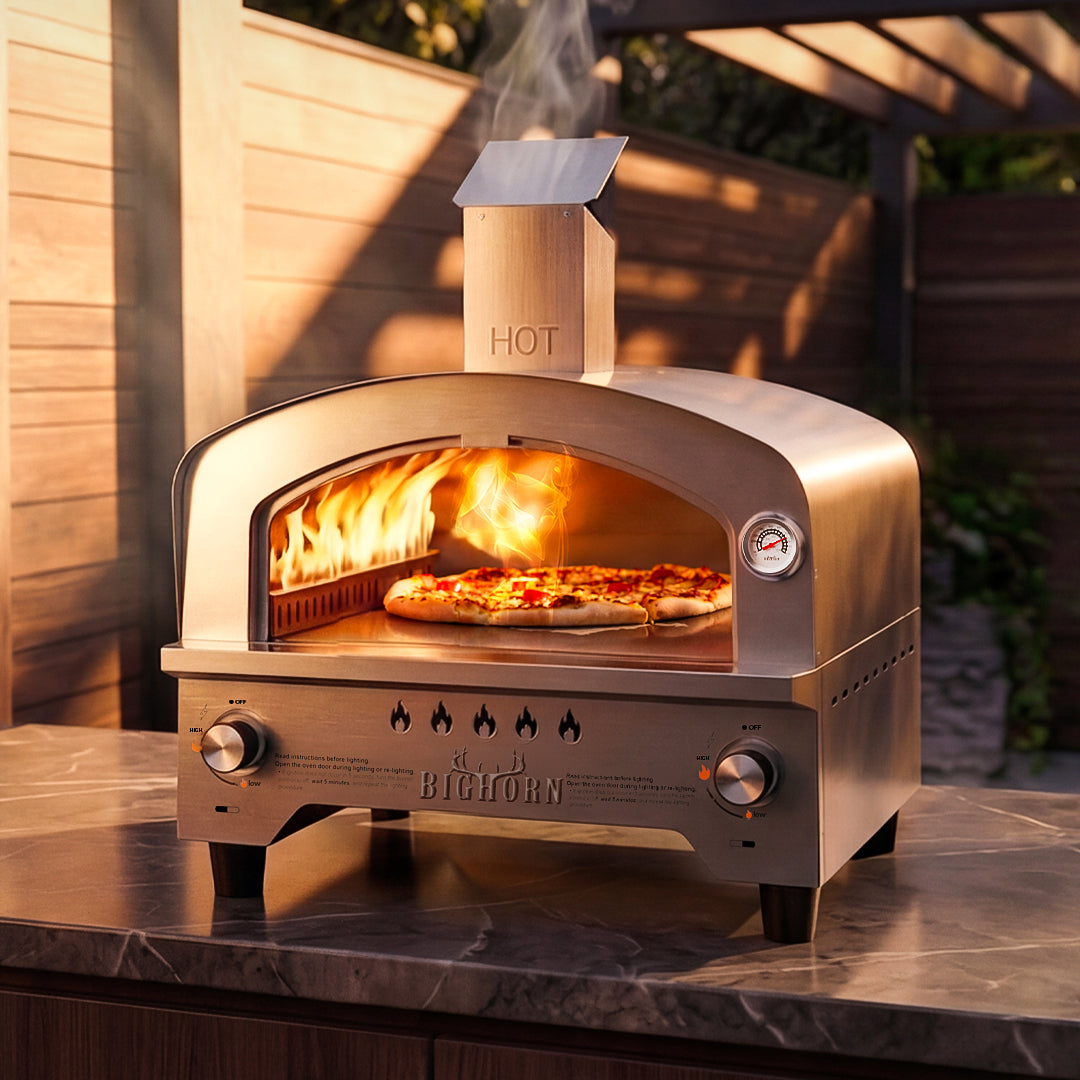
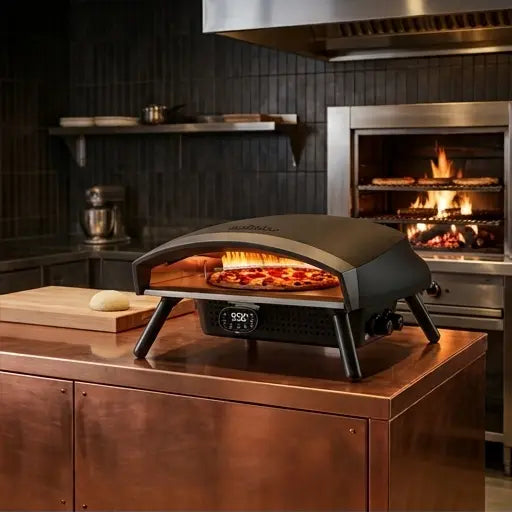
14" Indoor Electric Countertop Pizza Oven with 6 Preset Modes – A current indoor electric model with high heat, 6 presets, and countertop-friendly design.
-
Accessories – Find pizza stones, peels, covers, and other add-ons that complement your indoor oven.
-
Refund Policy – Review return windows, conditions, and how to start a refund or exchange for your order.
How to Choose and Use It Safely
Use this checklist to match an indoor pizza oven to your kitchen and cook safely.
-
Confirm indoor rating and fuel type
Only choose models explicitly described as indoor electric countertop ovens. Do not use wood, pellet, propane, or charcoal ovens indoors or in enclosed spaces. -
Measure your counter and storage space
Check the product’s external dimensions and ensure you have stable, heat-resistant counter space and room to store the unit when cool. -
Match pizza size to cooking surface
Select a 12" or 14" oven based on the pizzas you typically make; remember that the advertised size refers to the maximum pizza, not the external footprint. -
Verify included items and compatible accessories
Confirm whether the oven includes a pizza stone, peel, or cover, and which accessories are sold separately or listed as compatible. -
Follow preheat and temperature guidance
Preheat according to the manual (often 15–30 minutes for electric models), then use presets or manual controls to reach your target temperature before baking. -
Use safe cookware and handling practices
Use only the included or approved pizza stone and pans; handle hot surfaces and stones with heat-resistant gloves and long-handled tools, and allow full cooldown before cleaning or moving. -
Clean and store per instructions
Wipe the interior with a damp cloth once cool, avoid harsh chemicals, and follow the stone’s care instructions to prevent damage from thermal shock or improper cleaning.
Use Cases
Scenario: Weeknight family pizzas
What matters: Fast preheat, simple presets, easy cleanup.
Suitable Big Horn Outdoors route: Indoor electric countertop oven with multiple preset modes and high heat.
Check before use: Counter space, power outlet location, and that the stone is correctly positioned.
Scenario: Small-apartment pizza nights
What matters: Compact footprint, indoor-safe operation, low smoke/odor.
Suitable Big Horn Outdoors route: 12–14" indoor electric model designed for kitchen use.
Check before use: Ventilation (standard kitchen vent is fine), clearance from cabinets, and stable surface.
Scenario: Entertaining with multiple pizzas
What matters: Consistent high heat, quick turnaround between pies.
Suitable Big Horn Outdoors route: High-temperature indoor electric oven with precise control and fast recovery.
Check before use: Have toppings prepped, stone fully preheated, and a safe spot to rest hot pizzas.
Scenario: Year-round baking beyond pizza
What matters: Adjustable temperature range, even heat for breads, flatbreads, and roasted vegetables.
Suitable Big Horn Outdoors route: Indoor electric oven with a wide temperature range and multiple modes.
Check before use: Recipe temperature targets, appropriate pan or stone use, and timing adjustments versus a conventional oven.
Scenario: Upgrading from a conventional oven
What matters: Higher heat, better crust, faster bakes without outdoor setup.
Suitable Big Horn Outdoors route: Indoor electric countertop pizza oven as a dedicated high-heat appliance.
Check before use: Power requirements, counter load capacity, and placement away from flammable materials.
FAQ
Can I use a Big Horn Outdoors wood or gas pizza oven indoors?
No. Wood, pellet, propane, and charcoal ovens from Big Horn Outdoors are designed for outdoor use only, in open, well-ventilated areas. Using them indoors can create serious carbon monoxide and fire hazards.
Which Big Horn Outdoors pizza ovens are safe for indoor kitchen use?
Only the electric countertop models explicitly labeled for indoor use should be used inside. Always confirm the product page and manual before placing any oven in your kitchen.
What size indoor pizza oven should I choose?
Pick the size based on the pizzas you make most (for example, 12" vs. 14") and your counter space. Remember that the external dimensions will be larger than the pizza size.
Does an indoor pizza oven come with a pizza stone?
It depends on the model. Some Big Horn Outdoors ovens include a stone, while others may list it as included or sold separately. Check the specific product page and package contents before purchasing.
How do I clean an indoor electric pizza oven?
Once the unit is completely cool, wipe the interior with a damp cloth and avoid harsh chemicals. Follow the manual for stone care; do not soak or subject the stone to sudden temperature changes unless the instructions allow it.
Can I bake foods other than pizza in an indoor electric oven?
Yes. Many indoor electric ovens support a range of recipes—flatbreads, certain breads, roasted vegetables, and more—by adjusting temperature and time. Treat published times as starting points and use a food thermometer for meats.
What safety habits should I follow with an indoor pizza oven?
Place the oven on a stable, heat-resistant surface with clearance from cabinets and flammable materials; use approved accessories; handle hot surfaces with care; and allow full cooldown before cleaning or storing.
Where can I review warranty, returns, and support for Big Horn Outdoors ovens?
Start with the product page for model-specific details, then consult the Refund Policy and Contact pages for current terms and support channels.
Conclusion
An indoor pizza oven makes sense when you want high-heat, restaurant-style results without the setup, fuel, and ventilation demands of outdoor wood or gas ovens. For Big Horn Outdoors shoppers, the key is to choose an explicitly indoor-rated electric countertop model, match the size and temperature range to your kitchen and cooking style, and follow the manual for preheat, accessories, and cleaning. To explore current indoor options, browse the Pizza Ovens collection, review the details on models like the 14" Indoor Electric Countertop Pizza Oven, and confirm compatibility and policies before you order.