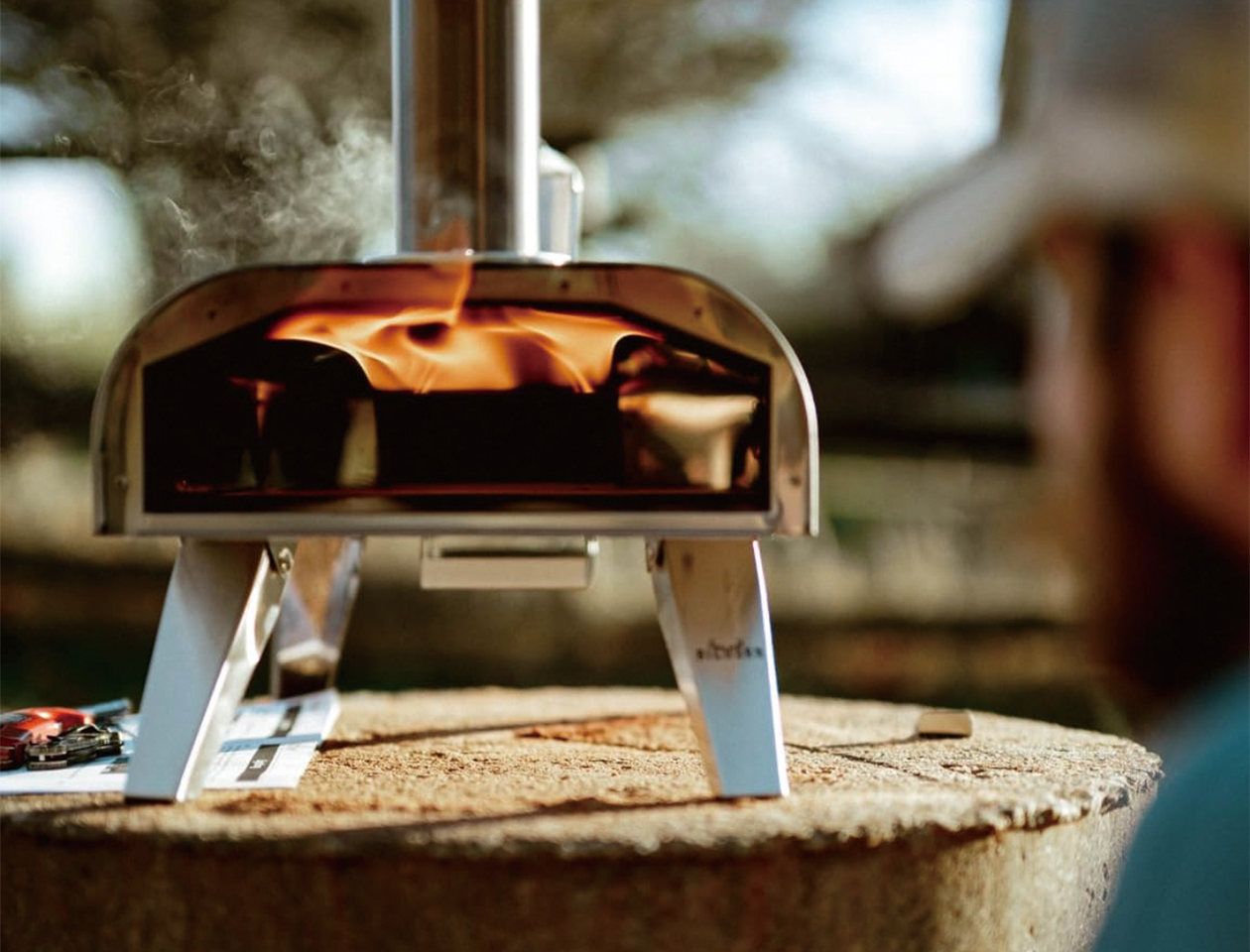
Yes, an indoor electric pizza oven is worth considering if you want faster preheating, stronger top-and-bottom heat, and more pizza-focused control than a standard kitchen oven usually provides. The right choice depends on your available counter space, preferred pizza style, household capacity, and willingness to learn basic heat management.
What Is an Indoor Electric Pizza Oven?
An indoor electric pizza oven is a countertop appliance designed to bake pizza with concentrated electric heat, typically using upper and lower heating elements and a pizza stone. It eliminates the need for wood, pellets, propane, or open flames while allowing pizza making in an indoor kitchen.
A conventional oven heats a large cavity intended for many cooking tasks. A dedicated electric pizza oven focuses energy in a smaller chamber, helping the pizza stone absorb heat and the top element brown cheese, toppings, and the crust rim.
This design can be useful for apartment kitchens, homes without outdoor cooking space, and anyone who wants a more controlled pizza workflow. It is also a practical option for year-round use, since cooking does not depend on weather or fuel storage.
Indoor electric pizza ovens vary widely in pizza capacity, temperature range, controls, cooking modes, countertop footprint, and approved cooking uses. Always confirm that a model is specifically designed for indoor countertop use before operating it in a kitchen.
Which Pizza Styles Work Best in an Electric Pizza Oven?
Indoor electric pizza ovens can prepare frozen, thin-crust, New York-style, Margherita, deep-dish, and other pizzas when the oven’s heat range, chamber size, and cooking surface suit the recipe. Results depend on dough thickness, topping moisture, stone temperature, and heat balance.
Thin pizzas benefit from a thoroughly preheated stone and responsive upper heat. The bottom should crisp while the cheese melts and the rim develops color. Excess flour, too much sauce, or wet toppings can interfere with that balance.
New York-style pizzas often need a more moderate bake than a very thin Neapolitan-style pie. Their larger diameter, cheese coverage, and longer bake benefit from steady heat rather than simply using the highest available setting.
Deep-dish and pan pizzas require sufficient chamber height and a cooking format approved by the manufacturer. Their thicker crust and deeper topping layer generally need more time than a thin pizza. Frozen pizza can also work well when the appliance has an appropriate preset or manual temperature control.
The Big Horn Outdoors 14-inch indoor electric countertop pizza oven includes six cooking programs: Manual, Wood Fired, Frozen, New York, Thin Crispy, and Deep Dish. These modes can provide useful starting settings, but users should still adjust based on dough, toppings, and desired crust color.
How Does an Electric Pizza Oven Compare With a Home Oven?
An electric pizza oven offers concentrated heat and pizza-specific controls in a compact format, while a conventional oven provides larger capacity and greater flexibility for everyday baking and roasting. Neither option is automatically better; the best fit depends on how often and what style of pizza you cook.
A standard oven can produce very good pizza, especially when paired with a baking steel, pizza stone, or preheated sheet pan. It remains the more practical choice for large trays, multiple pans, casseroles, and batch cooking.
A countertop pizza oven is better suited to cooks who want a dedicated pizza station and faster workflow for individual pies. Its smaller chamber can heat more efficiently than a full-size oven, although it also limits how many pizzas can cook at one time.
If you make pizza occasionally, improving your existing oven setup may be sufficient. If pizza night is a regular routine and you value dedicated controls, a countertop electric pizza oven can make the process more consistent and convenient.
What Features Matter Most When Choosing a Model?
The most important features are usable pizza capacity, temperature range, heating-element control, preheat time, stone design, countertop footprint, included accessories, and approved cooking modes. Select an oven based on the pizzas you actually make rather than on a single maximum-temperature claim.
Pizza capacity and interior space
A model advertised for a 12-inch or 14-inch pizza should have enough usable space for loading, turning, and removing that pizza safely. Consider the chamber opening, interior height, and whether you plan to cook pan pizza or only thin, round pies.
A larger cooking area can make turning easier and may better suit family pizza nights. A smaller model can be more practical for apartments, RV kitchens, or homes where countertop storage is limited.
Temperature range and controls
Temperature range matters, but heat control matters just as much. A pizza may need additional bottom heat for a crisp crust or reduced top heat when cheese browns too quickly. Models with manual controls can give users more flexibility than preset-only operation.
The current Big Horn Outdoors 14-inch indoor electric countertop pizza oven lists a 220°F to 850°F temperature range. It uses 1800W heating with upper and lower heating tubes, and its PID temperature-control system is designed to maintain the selected setting.
Preheating and cooking workflow
A pizza stone must absorb enough heat before the first pizza goes in. A short appliance preheat does not necessarily mean the stone is ready for every dough style, so allow the recommended preheat time and adjust as needed.
The verified Big Horn Outdoors 14-inch indoor electric countertop pizza oven lists a 15-minute preheat and a stated three-minute cooking time for a 14-inch pizza. Treat those figures as model-specific guidance; dough hydration, topping load, pizza thickness, and selected mode can change actual cooking time.
Included accessories
Included tools can simplify the initial setup, but they should not be the only deciding factor. A pizza peel should suit the oven opening, and a stone should be handled carefully to avoid chips or thermal shock.
This Big Horn Outdoors model includes a 14-inch heat-conducting pizza stone, an insulated oven door, and a lightweight pizza peel. Confirm the current product listing before purchasing because accessory bundles and product configurations may change.
How Can You Manage Heat for Better Pizza?
Manage heat by preheating the stone thoroughly, choosing a suitable setting for the pizza style, using moderate topping amounts, and allowing time for the cooking surface to recover between pies. The goal is to finish the crust, cheese, and toppings at nearly the same time.
The oven setting alone does not determine results. The stone stores heat for the bottom crust, while the upper heating element browns cheese and the pizza rim. When these heat sources are out of balance, the pizza may burn underneath, remain pale on top, or cook unevenly.
Use these adjustments to diagnose common problems:
-
If the crust burns before the cheese melts, lower the bottom heat when possible or reduce the bake time.
-
If the cheese browns before the crust crisps, give the stone more preheat time or increase lower heat within the oven’s approved range.
-
If the center is soggy, use less sauce, drain high-moisture toppings, and avoid overloading the pizza.
-
If the pizza sticks to the peel, assemble it quickly, keep the peel dry, and shake the pizza gently before launching.
-
If later pizzas bake more slowly, allow the stone to regain heat before loading the next pie.
Preset modes are useful for establishing a baseline, particularly for beginners. Manual control becomes more valuable as you learn how your preferred dough responds to the oven’s stone and upper heating element.
Are Indoor Electric Pizza Ovens Safe to Use?
Indoor electric pizza ovens can be used safely when the model is approved for indoor use, placed on a stable heat-safe surface, connected according to its manual, and operated with attention to hot surfaces, smoke, grease, and required clearances.
The cooking chamber, stone, door, peel, and exterior surfaces can become extremely hot. Keep children, pets, loose clothing, paper products, and combustible kitchen items away from the appliance during operation and while it cools.
Follow these practical safety measures:
-
Place the oven on a level, stable countertop that meets the manufacturer’s clearance requirements.
-
Connect the oven only as directed in the product manual.
-
Do not operate an indoor-only electric pizza oven outdoors, in wet conditions, or near water.
-
Keep the cord away from hot surfaces and inspect it before each use.
-
Avoid excessive flour, cheese, grease, or toppings that can burn and produce smoke.
-
Use a pizza peel and heat-resistant gloves when handling hot food or accessories.
-
Let the oven cool completely before cleaning, moving, covering, or storing it.
Big Horn Outdoors also offers pellet, gas, and multi-fuel pizza ovens, but outdoor fuel-burning equipment should not be used indoors. Wood, pellets, and gas require open, properly ventilated outdoor spaces and are not substitutes for an indoor electric countertop oven.
Who Should Choose a Compact or Larger Countertop Oven?
Compact countertop ovens are usually best for smaller kitchens and individual pizzas, while larger models better suit families, frequent pizza nights, and cooks who need room for wider pies or deeper pans. Measure the full cooking area before choosing either format.
Counter space is not limited to the appliance footprint. You also need safe clearance around the oven, room to open its door or access the chamber, and a nearby surface for a peel, dough tray, and finished pizza.
Choose a compact model if you live in an apartment, have limited storage, make one pizza at a time, or plan to store the appliance between uses. A compact electric oven can offer a focused pizza setup without requiring a permanent outdoor station.
Choose a larger model if you routinely cook for several people, prefer 14-inch pizzas, use pans, or want more room to rotate a pie. Larger capacity can improve handling, but it also increases the space required for storage and safe operation.
The Big Horn Outdoors 14-inch electric countertop oven may suit cooks who want to make larger home pizzas indoors while maintaining a countertop format. Before selecting it, confirm that the appliance dimensions, operating clearances, and electrical requirements fit your kitchen.
What Care Keeps an Electric Pizza Oven Working Properly?
Regular care includes removing loose food debris after the oven cools, cleaning removable parts as directed, keeping vents clear, checking the power cord, and storing the appliance in a dry location. Proper cleaning helps prevent smoke, residue buildup, and avoidable damage.
Do not clean a hot pizza stone or introduce water to a hot cooking surface. Sudden temperature changes can damage a stone. Wait until the oven and stone have cooled fully before brushing away flour, cheese, or charred food residue.
A simple maintenance routine includes:
-
Brush loose flour and crumbs from the stone after it cools.
-
Wipe the exterior with a soft cloth and only use cleaning methods approved by the manufacturer.
-
Remove and clean detachable accessories according to the product instructions.
-
Keep air vents clear of dust, grease, and stored items.
-
Inspect the plug and power cord before operating the oven.
-
Store the appliance indoors in a dry area when it is not in use.
The removable pizza stone supplied with the Big Horn Outdoors 14-inch indoor electric countertop pizza oven can make cleanup more manageable. Handle it carefully, avoid soaking it unless the product instructions allow it, and make sure it is fully dry before the next use.
What Are Big Horn Outdoors Expert Views?
Big Horn Outdoors advises choosing an electric pizza oven around your most common cooking style rather than around maximum temperature alone. A thin pizza needs balanced upper and lower heat, while a deep-dish or pan pizza needs enough internal space and steadier baking conditions. Preheat the stone fully, begin with the recommended program or manual setting, and adjust based on crust color, topping browning, and how quickly the cooking surface recovers between pizzas.
“The best results come from matching the oven setting to the dough, pizza thickness, and topping load. Start with a moderate amount of sauce and toppings, preheat thoroughly, and make one adjustment at a time. A clean stone, a dry peel, and enough recovery time between pizzas support a more consistent bake.”
What Should You Do Before Buying an Indoor Electric Pizza Oven?
Choose an indoor electric pizza oven when you want plug-in convenience, pizza-specific heat control, and year-round cooking without managing live fuel. Match the oven to your preferred pizza style, kitchen space, expected serving size, maintenance routine, and comfort level with high-heat cooking.
For thin-crust and Margherita-style pizzas, prioritize strong heat, a reliable stone, and controls that help balance top and bottom cooking. For New York-style, frozen, or deep-dish pizza, prioritize usable capacity, steady temperature control, and an interior that accommodates your preferred format.
If your priority is portability, live-fire flavor, or outdoor entertaining, a gas, pellet, or multi-fuel model may better match your cooking style—but only when used in its approved outdoor environment. If you want indoor convenience and a simpler workflow, an electric countertop model is the more appropriate choice.
Measure your counter before ordering. Confirm the exact model’s indoor-use approval, capacity, controls, included accessories, cleaning requirements, and electrical guidance. Then begin with simple pizzas, moderate toppings, and repeatable dough recipes while learning how the oven responds.
What Are Common Indoor Electric Pizza Oven Questions?
Can I use parchment paper in an electric pizza oven?
Use parchment paper only when the oven manual allows it and the paper’s temperature rating is suitable for the selected setting. At high temperatures, parchment can darken, curl, or burn. A properly floured or semolina-dusted peel is often a better choice for direct stone baking.
Can I cook foods other than pizza in a countertop pizza oven?
Some models are designed for additional foods, but you should follow the manufacturer’s approved uses. The Big Horn Outdoors 14-inch indoor electric countertop pizza oven lists bread, cakes, pies, baguettes, and chicken wings among its stated uses. Avoid foods that create uncontrolled grease, smoke, or drips.
Why does my pizza stick to the peel?
Pizza usually sticks because the dough is too wet, the peel has moisture on it, the pizza sits too long before launching, or the toppings are too heavy. Build the pizza promptly, use a light dusting of suitable flour or semolina, and shake the peel before loading.
Does a pizza stone need to be seasoned?
Most pizza stones do not require oil seasoning. Keep the stone dry, allow it to cool before cleaning, and remove loose residue with a brush or scraper as directed. Avoid soaking the stone or applying oil unless the product instructions specifically recommend it.