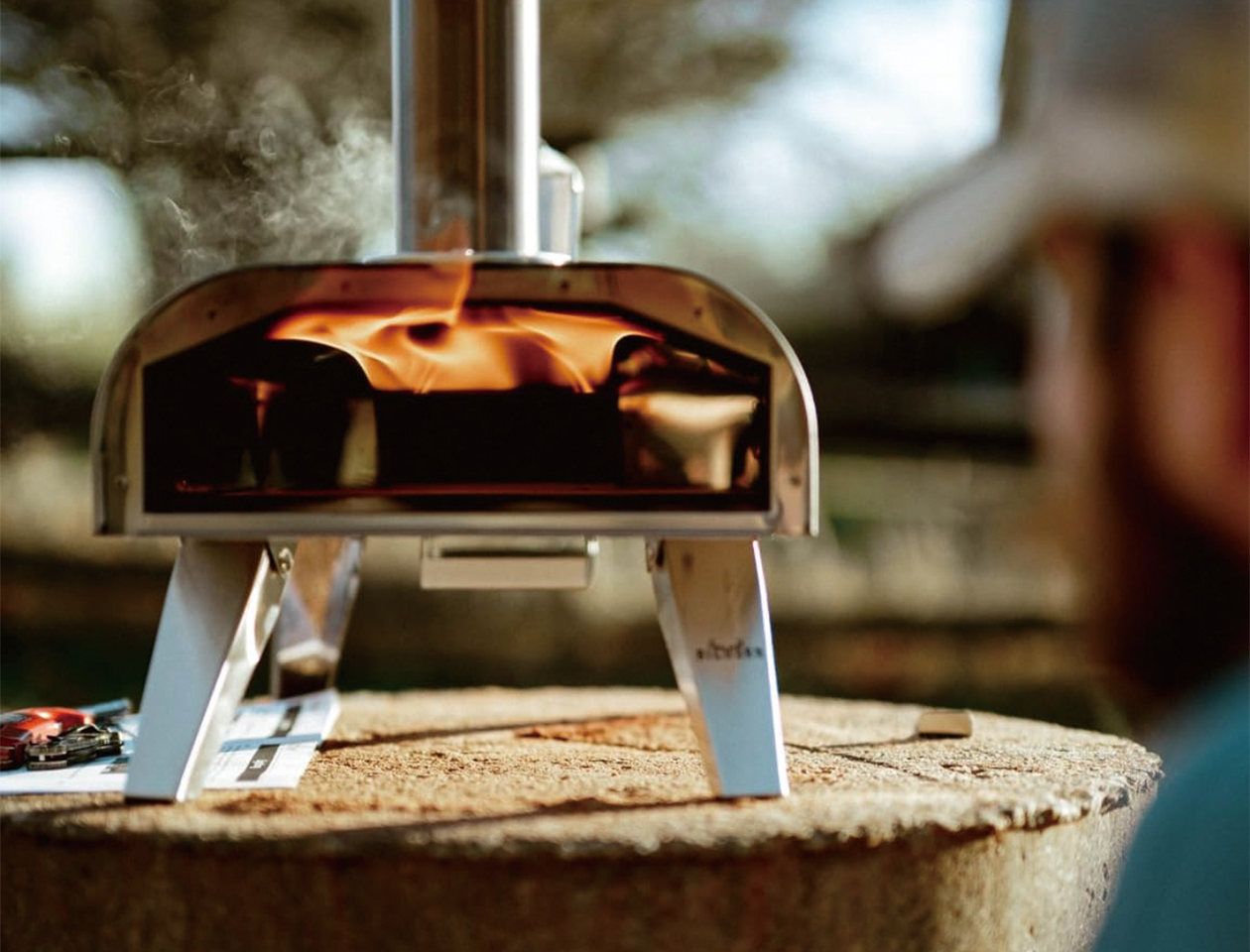
A 1500°F infrared steak grill is the practical choice for fast, high-heat searing with propane, while a Santa Maria style charcoal grill suits cooks who want wood- or charcoal-fired flavor and hands-on fire control. Choose based on your fuel preference, cooking capacity, available outdoor space, portability needs, and comfort managing live embers.
What Creates a Steakhouse-Quality Sear at Home?
A steakhouse-quality sear comes from applying intense heat to a dry food surface quickly enough to brown it deeply without overcooking the center. Infrared broilers and properly managed charcoal embers can both create this effect, but they use different heat sources, cooking rhythms, and control methods.
Browning develops through the Maillard reaction, which produces the roasted aroma, savory flavor, and dark crust associated with well-seared meat. A strong sear starts before the food reaches the grill: pat steaks dry, season them appropriately, and avoid placing ice-cold meat directly over extreme heat.
A high-heat infrared steak grill directs radiant heat at the food surface. This format is useful for steaks, chops, burgers, fish, shrimp, and vegetables that benefit from short cooking intervals and rapid surface browning.
Charcoal and hardwood create a more hands-on live-fire experience. The cook builds a bed of embers, manages airflow and fuel, changes the grate height, and moves food between hotter and gentler zones. This process can add smoke and fire-roasted flavor, but it requires more active attention.
Maximum temperature alone does not guarantee better results. Food thickness, surface moisture, seasoning, grate distance, and internal temperature all affect the finished steak. Use an instant-read thermometer to judge doneness, then allow meat to rest before slicing.
How Does a 1500°F Infrared Steak Grill Work?
A 1500°F infrared steak grill uses a high-output propane burner to generate intense radiant heat, usually from above. The radiant energy browns the surface quickly, while adjustable rack positions help the cook control how aggressively the food receives heat.
Infrared grilling differs from conventional open-grate cooking because the primary heat is directed toward the food rather than relying mainly on hot air rising around it. This top-down format can be particularly useful for developing a crust on thick steaks while limiting the flare-ups that can occur when rendered fat falls onto an open flame.
The Big Horn Outdoors 1500°F Portable Infrared Steak Grill with Pizza Stone, Stainless Steel – 16 Inch is a propane-fired model. Its official product information lists a 19,000 BTU infrared burner, a stated maximum temperature of 1500°F, and a 3–5-minute preheat range. It also lists two stainless-steel cooking grates, 10 rack positions, a pizza stone, and an adapter hose.
Rack position is the main cooking control. Food placed close to the burner receives more intense heat and needs close supervision. Moving the grate lower creates more distance, allowing thicker cuts to cook with less risk of burning the exterior before the center reaches the intended temperature.
The 16-inch model is designed for outdoor use and is listed as compatible with a standard 20-pound propane tank. Do not attempt to convert it to natural gas, and always follow the operating instructions for the exact unit being used.
How should you use an infrared grill?
-
Place the grill outdoors on a stable, noncombustible surface with adequate clearance.
-
Inspect the propane hose, regulator, tank connection, and burner area before ignition.
-
Preheat according to the product instructions.
-
Dry and season food before placing it on the grate.
-
Start at a moderate rack position if you are learning the grill’s heat intensity.
-
Move food closer only for controlled finishing sears.
-
Check internal temperature before removing meat from the grill.
High-heat infrared cooking rewards attention. Thin steaks, sugary rubs, sweet sauces, and wet marinades can darken rapidly at close range. For better control, sear first with dry seasoning and add sugary glazes near the end, if desired.
What Is a Santa Maria Style Charcoal Grill?
A Santa Maria style charcoal grill is an open-fire cooker with an adjustable grate that moves closer to or farther from the heat source. It gives the cook direct control over heat intensity through grate height, ember placement, and food positioning rather than through a gas control knob.
Santa Maria grilling is associated with California’s Central Coast, where open-fire cooking became known for beef, particularly tri-tip, cooked over red oak. Modern Santa Maria and Argentine parrilla-style grills vary in construction, but they share a core principle: raise or lower the cooking surface to manage live-fire heat.
A charcoal or hardwood fire develops in stages. Early flames can be useful for starting fuel, but a stable bed of glowing embers usually delivers more predictable cooking heat. Once the fire is established, the cook can build zones by concentrating embers in one part of the fire bowl and leaving another area less intense.
The Big Horn Outdoors Portable Santa Maria Style Charcoal Grill is designed around a deep circular fire bowl that supports charcoal and firewood. Its official product information describes a modular, tool-free assembly design, lightweight support legs, a vertically adjustable main grate, and a three-tier cooking layout with two rotating upper racks.
The main grate can be raised or lowered using the grill’s vertical lift system. The upper racks provide separate cooking or holding areas, allowing food to be arranged at different distances from the fire. This can be useful when searing steak on the lower grate while cooking vegetables, chicken, bread, or other items farther above the embers.
Which Specialized Outdoor Grill Fits Your Cooking Style?
Choose an infrared steak grill when fast propane-fired searing is your priority. Choose a Santa Maria style charcoal grill when you want to cook over charcoal or hardwood and actively manage heat through grate height and ember placement.
The Big Horn Outdoors 16-inch infrared grill is a sensible option for cooks who want a focused high-heat tool for steak dinners, quick chops, seafood, and vegetables. Its 10 rack positions add flexibility, but it remains a specialized searing appliance rather than a substitute for every type of outdoor cooker.
The Big Horn Outdoors Portable Santa Maria Style Charcoal Grill is better suited to cooks who enjoy tending an open fire and want vertical cooking zones. Its modular format may also appeal to people who want a grill that can be broken down for storage or transport.
Consider your normal cooking routine. A propane infrared grill may be more convenient for a weeknight steak meal. A live-fire grill may be more satisfying for a weekend cookout where time, smoke, and fire management are part of the experience.
How Do You Control Heat on Infrared and Live-Fire Grills?
Control infrared heat by changing rack position and operating the burner as instructed. Control live-fire heat by managing ember depth, coal placement, grate height, airflow, and the food’s location over the fire.
On an infrared steak grill, the rack position has a major effect on browning speed. The closest positions are best reserved for quick sears, while lower positions provide a greater buffer between food and the burner. This flexibility helps when cooking thick steaks, fish, vegetables, or foods with seasoning that can scorch.
On a Santa Maria grill, create at least two heat zones. Build a concentrated ember bed for searing, then leave a gentler section for finishing thicker cuts or cooking ingredients that need more time. Raising the grate reduces the heat intensity without requiring the cook to immediately move all food away from the fire.
A thick tri-tip illustrates the value of zone cooking. Begin at a moderate distance from the embers to brown the exterior without burning the seasoning. Move the meat to a gentler zone or raise the grate as needed, then monitor internal temperature until it reaches the preferred doneness.
Avoid chasing flames. If rendered fat causes flare-ups, raise the grate, move the food to a cooler area, or allow the flames to settle before returning the food to direct heat. Safe, controlled embers are generally easier to cook over than persistent flames.
What Fuel Should You Choose for High-Heat Grilling?
Choose propane for quick ignition, direct control, and focused high-temperature searing. Choose charcoal or seasoned cooking hardwood for live-fire flavor and adjustable ember heat. Always use only the fuel approved for the exact grill model.
Propane is a practical fuel for frequent steak cooking because it does not require building and maintaining a coal bed. The Big Horn Outdoors 16-inch infrared steak grill is designed for propane operation, and its product information states compatibility with a standard 20-pound propane tank.
Charcoal produces steady radiant heat after it is fully lit and established. Lump charcoal can be useful for cooks who want a natural charcoal fire with relatively little ash, while briquettes can offer a more uniform fuel shape and burn pattern. The choice depends on the cook’s priorities and the grill manufacturer’s approved-fuel guidance.
Hardwood adds a more visible live-fire element. Use clean, dry, untreated wood intended for cooking. Avoid painted, stained, pressure-treated, or construction wood, which should never be burned for food preparation.
Fuel also shapes the entire cooking session. Propane generally supports faster starts and simpler shutdowns. Charcoal and hardwood require lighting time, fire tending, cooldown time, and fully cold ash disposal. Choose the system that fits your available time as well as your flavor preference.
Can You Cook for a Group Without Losing Heat Control?
Yes, but successful group cooking depends on using heat zones, sequencing foods by cook time, and avoiding an overcrowded grate. A grill’s usable space matters, but organization matters just as much when several foods need different temperatures.
On an infrared grill, group cooking works best when proteins are similar in thickness and desired doneness. A thick ribeye, a thin skirt steak, shrimp, and vegetables may need different rack positions or separate batches. Do not assume that every food should be cooked at the hottest possible setting.
The 16-inch Big Horn Outdoors infrared model includes two cooking grates and multiple rack positions. Use that flexibility to separate foods by thickness and cooking speed rather than treating the entire chamber as one temperature zone.
On the Big Horn Outdoors Portable Santa Maria Style Charcoal Grill, the main grate and two rotating upper racks create vertical separation. The lower cooking area can handle direct heat, while upper racks can support gentler cooking or hold finished food away from the most intense embers.
Plan meals from longest-cooking food to shortest-cooking food. Start larger cuts or chicken first, then add quick-cooking vegetables, seafood, or thin steaks closer to serving time. Keep separate platters for raw and cooked food, and leave enough grate space to turn and move each item safely.
How Can You Use and Maintain These Grills Safely?
Use high-heat grills outdoors in an open, well-ventilated area, follow the manual for the exact model, and keep combustible materials away from the cooking area. Safe operation also requires regular cleaning, stable placement, approved fuel, and careful handling of hot surfaces.
For propane infrared grilling, inspect the hose, regulator, tank connection, and burner area before use. Follow the manufacturer’s procedure for checking gas connections, and never test a propane leak with a flame. Keep the grill stable, make sure removable components are properly installed, and allow the appliance to cool before cleaning.
For charcoal and hardwood grilling, establish the fire in the designated fire bowl and maintain a clear area around the cooker. Wear heat-resistant gloves when adjusting a grate, moving food near embers, or adding fuel. Keep children, pets, and loose clothing away from the fire zone.
What maintenance tasks matter most?
-
Clean cooking grates after they cool to a safe temperature.
-
Remove grease and food residue from the infrared grill according to its instructions.
-
Empty ash only when embers and ash are completely cold.
-
Check that the Santa Maria grill’s lift system moves smoothly and holds the grate securely.
-
Store the grill dry and protected when it is not in use.
-
Inspect handles, fasteners, grates, and fuel connections before each cooking session.
The Big Horn Outdoors 16-inch infrared grill is listed with detachable, dishwasher-safe components. Follow the product instructions for which parts may be removed and cleaned in a dishwasher. Never use water to force-cool a hot grill unless the manufacturer specifically directs it.
What Are Big Horn Outdoors Expert Views?
Big Horn Outdoors Expert Views
“Choose the cooking system that matches the way you want to cook outdoors. A propane infrared grill is designed for quick, high-heat searing and controlled rack-position cooking. A Santa Maria style grill is designed for cooks who want to manage charcoal or hardwood fire through grate height and heat zones. Start with a stable outdoor setup, use approved fuel, and learn the equipment with simple foods before preparing a large live-fire meal.”
The practical distinction is clear. An infrared grill emphasizes speed and concentrated radiant heat. A Santa Maria grill emphasizes fire management, adjustable cooking distance, and the flavor of charcoal or hardwood.
Before selecting either format, confirm the approved fuel, outdoor-use instructions, storage needs, cooking capacity, included components, and maintenance requirements for the exact product model. Product pages and manuals can change, so do not transfer specifications between different grill sizes or formats.
Which Grill Should You Buy for Your Outdoor Cooking Setup?
Buy a propane infrared steak grill if you prioritize fast searing, simple fuel handling, and frequent steak-focused meals. Buy a Santa Maria style charcoal grill if you prefer live-fire cooking, multiple heat zones, and charcoal or hardwood flavor.
Choose the infrared approach if you have a patio, deck, or outdoor cooking area where propane use is permitted and you want to cook steak, burgers, chops, seafood, or vegetables with minimal fire-building time. The Big Horn Outdoors 16-inch infrared model is particularly relevant for cooks who value adjustable rack positions and a portable propane format.
Choose the Santa Maria approach if you enjoy building a fire, moving food between zones, and cooking for longer outdoor gatherings. The portable Big Horn Outdoors Santa Maria grill fits cooks who want a modular grill with a vertically adjustable main grate and upper cooking racks.
New outdoor cooks may find propane infrared grilling easier to learn because fuel control is more immediate. More experienced live-fire cooks may prefer the feedback and flexibility of an adjustable charcoal or wood-fired grate.
The best purchase is the grill you will use consistently. Match it to your fuel preference, available space, typical guest count, cleanup tolerance, storage options, and willingness to manage intense heat or open embers.
Frequently Asked Questions
Can an infrared steak grill replace a standard gas grill?
It can handle many high-heat tasks, including steaks, burgers, chops, seafood, and vegetables. However, it may not replace a larger conventional grill if you need broad indirect cooking space, smoking capability, or long-duration barbecue capacity.
Does a Santa Maria grill require hardwood?
No. The Big Horn Outdoors Portable Santa Maria Style Charcoal Grill is designed to support charcoal and firewood. Charcoal can provide steady ember heat, while hardwood can add a more pronounced live-fire aroma when used safely and appropriately.
When should food be placed closest to the heat?
Use the closest position for brief finishing sears after learning how your grill responds. Start farther away for thick cuts, delicate foods, or ingredients with sweet sauces and seasonings that can darken quickly.
Are the upper racks on a Santa Maria grill only for warming food?
No. Upper racks can create gentler cooking zones for vegetables, chicken, bread, or foods that need to finish away from direct ember heat. They can also hold cooked food while other items finish on the main grate.
Could a beginner use either type of grill?
Yes. A beginner can use either format by starting with simple foods and following the product manual. Propane infrared grilling often has a shorter learning curve, while Santa Maria grilling requires more practice with embers, fuel, grate height, and fire behavior.