







Pizza Styles & Recipes
Pasta al forno in a pizza oven is a carryover-heat job: a sheet pan of sauced, par-cooked pasta and cheese that browns after pizza service, while the chamber is still hot but no longer in a launching-pie window. The right pan matters more than a copied bake time.
You are not trying to bake lasagna in ninety seconds, and you are not repeating a roasted-vegetable session. The useful move is the right pan, a plan for when the last pie comes out, and a watchful eye on the cheese. Roasted vegetables already have their own home in roasted vegetables in a pizza oven. Wider non-pizza uses, including other roasts, already live in what else you can cook in a gas pizza oven. This page is the pasta bake that uses the heat you already paid for.
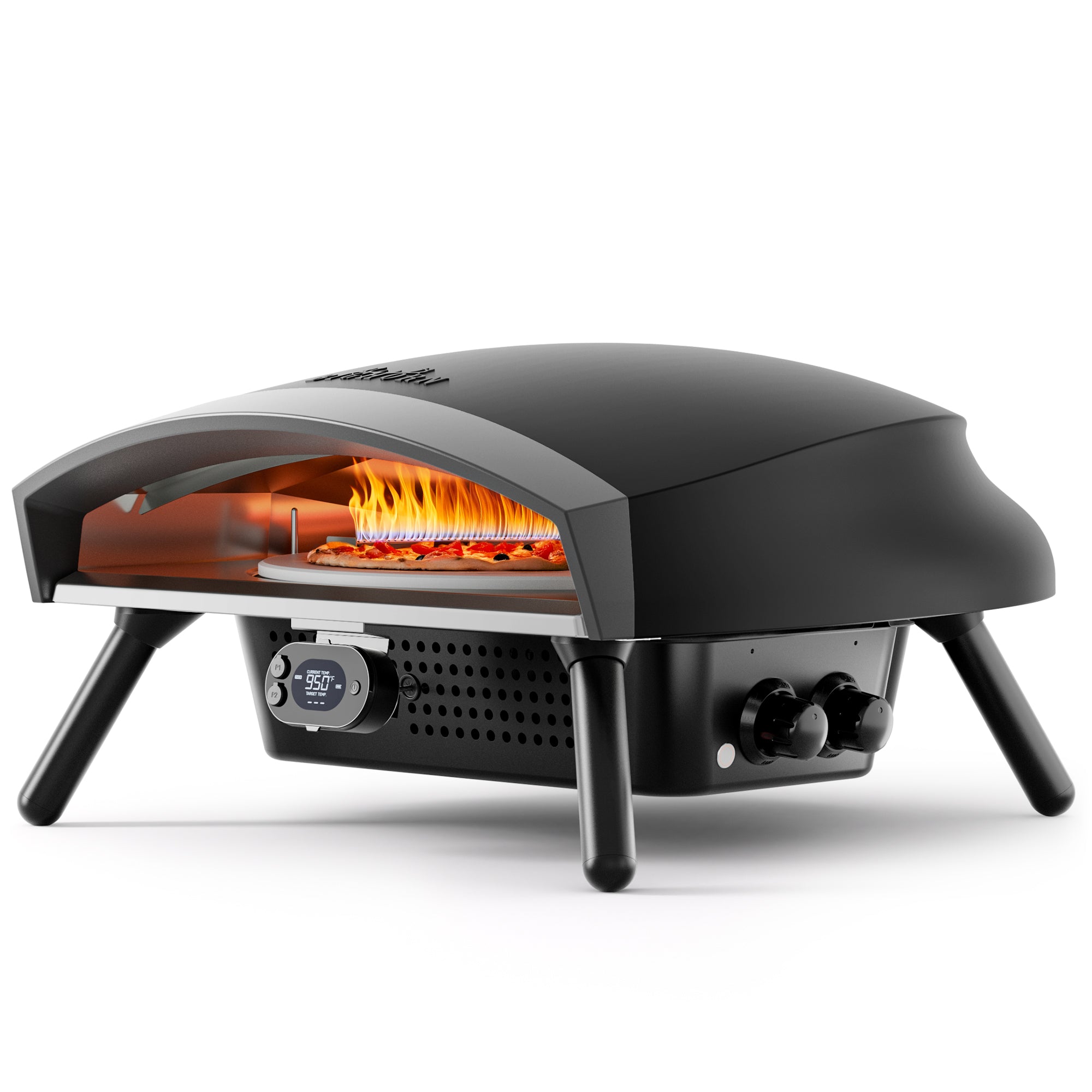
Why carryover heat works
After a run of pizzas, the deck and the dome are still holding heat. That leftover heat is often enough to bubble a sauce and brown cheese on a pan of pasta that is already cooked most of the way in the kitchen. What it will not do is safely cook a deep, raw, dense casserole from a cold start in a few minutes, or pasteurize a tray you left in the danger zone all afternoon.
Think of the oven as a finishing broiler with a floor, not as a walk-away kitchen range. Stay with the pan. Keep the oven outdoors, with clearance. NFPA grilling safety, U.S. Fire Administration cooking-fire prevention, and EPA carbon monoxide information remain the fire and carbon-monoxide references. A pasta tray is not a reason to move a still-hot oven into a garage.
Pan choices
Use a metal pan that can take oven heat and that actually fits through the mouth with room to rotate or to grab safely. A deep, crowded lasagna in a pan that barely clears the opening is a poor first try. A shallower sheet of baked ziti or a modest al forno, already assembled from par-cooked pasta, is easier to brown evenly. Confirm that the pan is oven-safe; do not guess with glass or coatings your manufacturer warns against.
Oil or a light sauce at the edges helps release, but a pool of oil can flare. The pizza oven collection you already own is the chamber; the pan is the tool you have to measure.
Timing after pizza service
Build the pasta in the kitchen while the pies go out: par-cook the pasta, sauce it, add cheese, and have the pan ready. When the last pizza comes out, give the chamber a moment if the floor is still in a scorching launch window, then slide the pan in. There is no guaranteed carryover minute count, whether you use a gas oven from the gas pizza oven collection or a pellet oven from the pellet pizza oven collection.
If the oven has already dropped too far, you may need to add a little fuel or time, still without turning the pasta into a pizza-speed experiment. If the top is burning and the center is cold, the pan was too deep, the pasta was under-cooked going in, or the heat was too one-sided. Rotate, or finish more gently.
Meat sauces and leftovers still follow official temperatures and holding rules. FDA safe food handling, FDA food safety in your kitchen, and Ready.gov food guidance are the food-handling and leftover pages. National Center for Home Food Preservation storage guidance is the storage reference if you assembled the pan ahead and refrigerated it; do not let a built tray sit out for hours before it sees the oven.
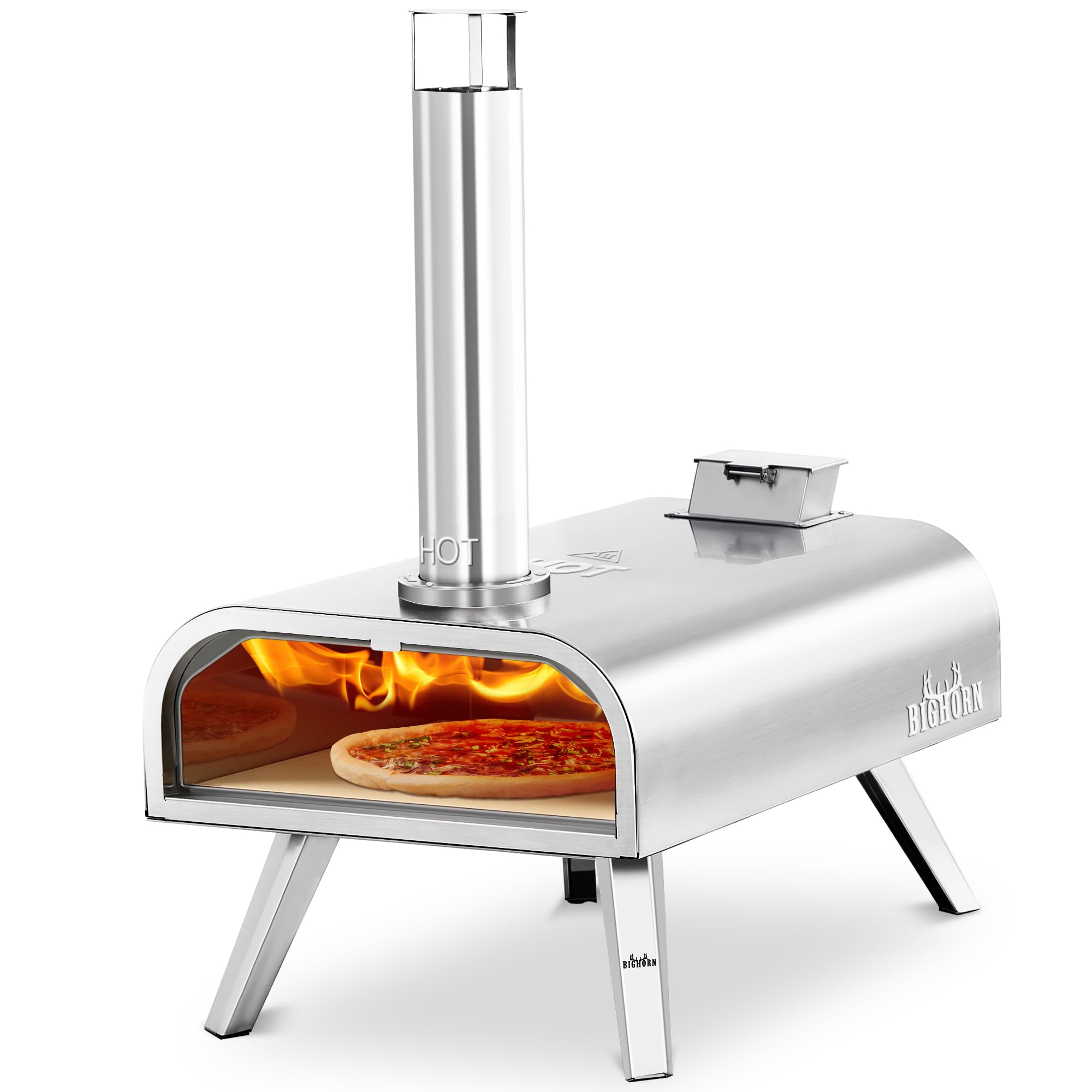
Cheese browning control
Cheese should brown and bubble, not turn into a black skin while the pasta underneath is dull. A modest top layer, a pan you can turn, and a chamber that is hot but not in a launching blast all help. If one side scorchs, rotate early. A foil tent is a last resort and can steam the top; it is not a license to walk away.
Covered, very deep lasagnas are a weaker match for a small outdoor deck than a shallower al forno. If you insist on a deep pan, accept a longer, more even finish and a careful check that the center is hot, not a marketing 90-second window.
Menu pairing
Pasta al forno is a second act, not a second oven. Plan enough time so guests are not holding cold pizza while you wait for cheese to brown, or hold the pies on a rack and bring the pasta out as a follow-on. A simple salad is enough on the side. Do not try to roast a full vegetable program in the same pan on the same night; that job already has its own page.
Leftover pasta is perishable food. Cool it, refrigerate it, and reheat it thoroughly later rather than leaving a tray beside the oven as a warming drawer.
A first pasta-al-forno session
Use the table as a service sequence, not as a guaranteed bake chart.
| Stage | What to do |
|---|---|
| During pizza service | Par-cook pasta, sauce it, and assemble a pan that fits the oven mouth |
| After the last pie | Slide the pan into still-hot, slightly calmer heat, and rotate as it browns |
| At the table | Serve at once; refrigerate leftovers promptly as perishable food |
Key takeaways
Pasta al forno uses pizza-oven carryover heat to brown a pan of already sauced, par-cooked pasta after the pies come out. It is not a roasted-vegetable clone and not a 90-second lasagna. Measure the pan, watch the cheese, cite official leftover rules, and keep the oven outdoors.
Keep roasted vegetables in their own roasted vegetables in a pizza oven guide, and use a chamber from the pizza oven collection or the gas pizza oven collection to brown the pasta after the last pie.
FAQ
Can I bake a raw, deep lasagna in a pizza oven in 90 seconds?
No. Carryover heat is for finishing a pan of already par-cooked, sauced pasta after pizza service. A deep, raw casserole is a poor first try in a small outdoor deck.
Is this the same as roasting vegetables in the pizza oven?
No. Roasted vegetables already have their own guide. This session is a pasta bake that uses the heat left after the pies come out.
What pan should I use?
A metal, oven-safe pan that actually fits through the mouth with room to grab and rotate. Measure first. A shallower al forno is easier than a crowded, deep lasagna.
Can I assemble the pasta hours ahead and leave it out?
No. If you assemble ahead, refrigerate the pan and follow official leftover and food-handling guidance. A built tray should not sit out for hours before it sees the oven.
More to Read
Leftover Holiday Turkey on the Grill or in the Pizza Oven: Sandwiches, Tostadas and a White Pie
Give leftover turkey a second heat, not another roast: grill sandwiches or tostadas, or bake a white pie, after a safe leftover inventory the night...
Parrilla Taco Night: Carne, Salsas and Grate Space for a Crowd
Run taco night on a parrilla as a grate-space plan: carne, a second protein, a salsa station, and tortillas held soft, without one crowded fire.
Bone-In Lamb Leg or Shoulder on a Santa Maria or Gas Grill
Grill a bone-in lamb leg or shoulder as a roast: Santa Maria height or a gas two-zone fire, a USDA safety floor, and a probe that does not touch bone.
