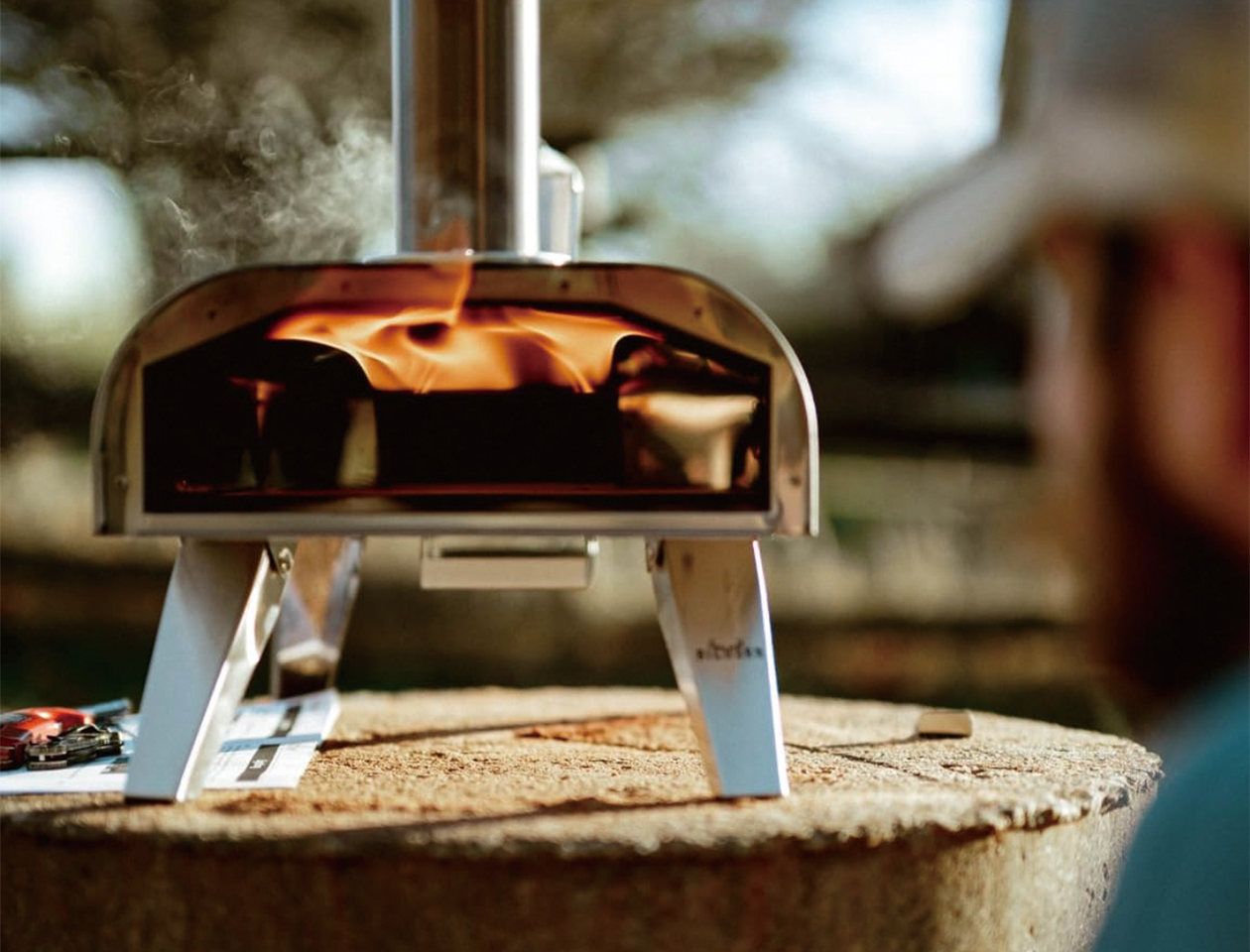
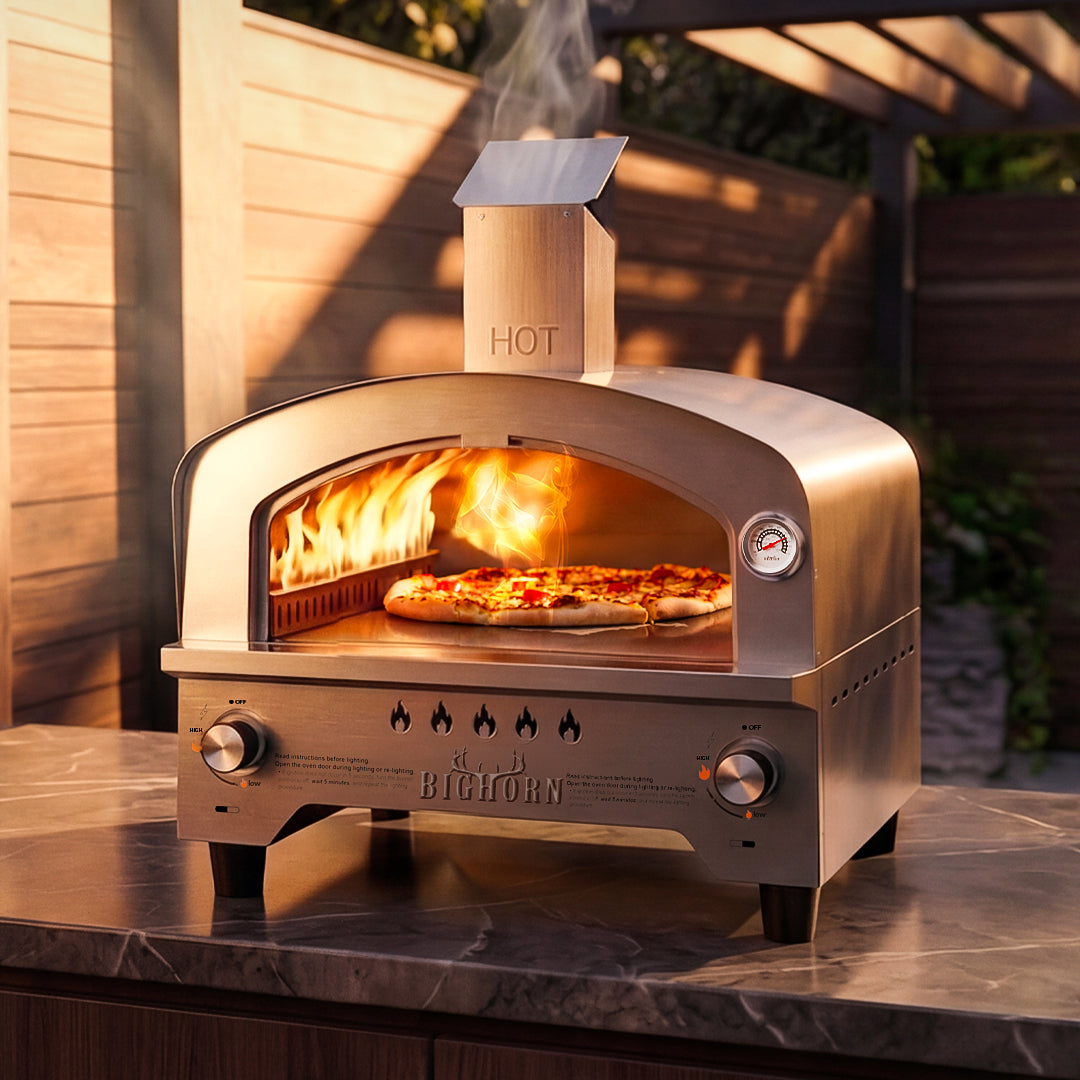
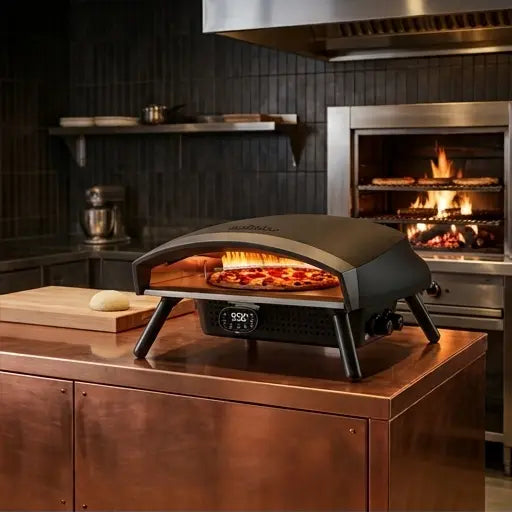
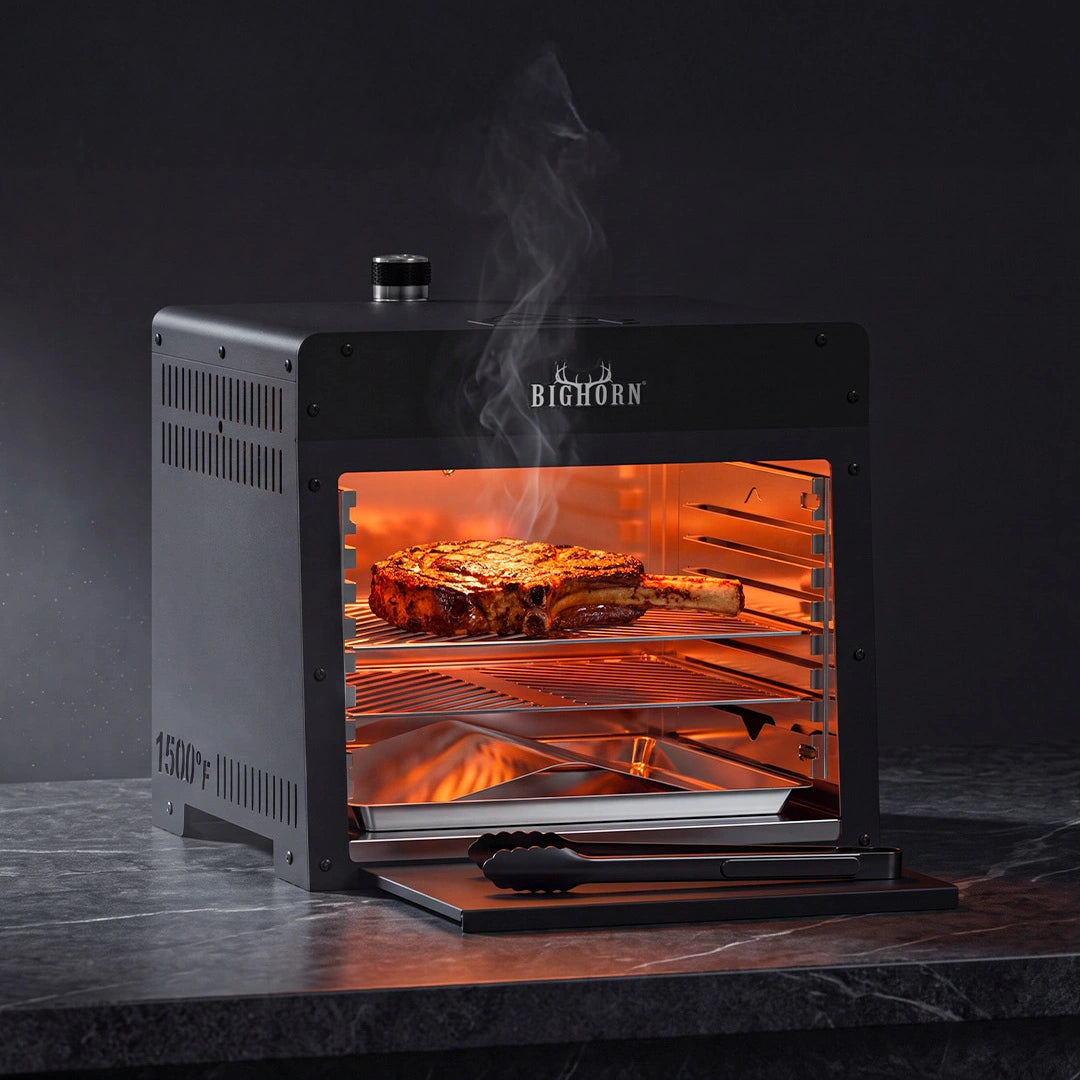
A pizza oven is more than a high-heat appliance. It is a cooking setup shaped by fuel, location, pizza capacity, workflow, and maintenance. Big Horn Outdoors offers pizza oven options across pellet, gas, electric, and multi-fuel categories, so the practical first step is matching an oven’s approved operating mode to where and how you plan to cook.
Whether you are planning pizza nights on a patio, preparing meals at a campsite, or considering an electric countertop model, the right choice depends on more than a pizza-size label. Confirm the exact product page and manual before purchase or first use, especially for fuel compatibility, included components, assembly, and indoor or outdoor eligibility.
What Is a Pizza Oven?
A pizza oven is a purpose-built oven that directs concentrated heat toward a cooking surface so dough, cheese, and toppings can cook efficiently. Different pizza ovens use different heat sources, including wood pellets, propane gas, or electricity, and each approach changes the setup, heat control, cleaning routine, and approved cooking location.
-
Fuel type: Pellet, propane gas, and electric heating systems have different operating requirements.
-
Cooking location: Fuel-burning pizza ovens require outdoor operation in an open, ventilated area; electric indoor use depends on the specific model and its instructions.
-
Cooking surface: A stated pizza size generally refers to usable cooking capacity, not the appliance’s full exterior footprint.
-
Workflow: Consider preheating, pizza turning, fuel management, cleaning, storage, and any accessories needed for your routine.
Why This Choice Is Harder Than It Looks
Fuel is not interchangeable. A pellet pizza oven is designed for approved wood pellets, while a propane pizza oven uses a compatible gas burner system and approved propane components. Do not substitute fuels, modify burners, bypass a regulator, alter gas fittings, or connect an appliance to natural gas unless the manufacturer expressly approves that configuration.
Outdoor and electric are separate decisions. Pellet- and propane-fired pizza ovens are outdoor cooking appliances and should not be used indoors, in garages, tents, RV interiors, enclosed patios, or other enclosed spaces. An electric model should be used indoors only when its specific product instructions explicitly permit indoor operation.
Pizza capacity is only one measurement. A pizza diameter may help you estimate batch size, but it does not account for the complete setup. Before choosing, consider the oven’s exterior dimensions, safe placement surface, required clearances, door movement, fuel storage, and room to handle a peel and hot cookware safely.
Quick cooking requires organized preparation. Once an oven is preheated, pizza cooking can move quickly. Prepare dough, toppings, pizza peel, turning tool, and a clean landing area before launching the pizza, especially when cooking with live flame or high retained heat.
Choose a pizza oven based on its approved cooking location first, then select the fuel type and cooking surface that fit your usual pizza routine.
Compare the Main Options
Why Big Horn Outdoors May Fit This Use Case
Big Horn Outdoors organizes its pizza oven offerings by fuel type and cooking style, making it easier to start with the environment where you plan to cook. The current Pizza Ovens collection includes options across gas, pellet, electric, and multi-fuel categories.
For cooks who want a model designed for more than one approved cooking mode, the Multi-Fuel Pizza Ovens collection provides a focused place to compare current options. Multi-fuel capability should always be understood as model-specific and mode-specific, not permission to combine fuels or add unapproved components.
Big Horn Outdoors also offers an Accessories collection for items such as pizza tools, covers, and outdoor cooking support products. Check each product listing carefully because an item shown in a collection may be compatible with only certain models or may be sold separately.
For larger pizza sessions, the Pizza Calculator can help estimate dough quantities before preparation begins.
Related Products and Resources
-
Pizza Ovens — Browse the current pizza oven collection and compare available fuel categories and cooking formats.
-
Multi-Fuel Pizza Ovens — Explore current models designed for separate approved cooking modes.
-
Accessories — Review pizza peels, covers, cooking tools, and other accessories that may support a more organized setup.
-
Pizza Calculator — Plan dough quantities for family meals, gatherings, and multi-pizza cooking sessions.
How to Choose and Use It Safely
-
Confirm the cooking location. Place pellet- and propane-fired pizza ovens outdoors in an open, well-ventilated area on a stable surface that meets the product instructions. Keep the appliance away from buildings, overhangs, combustible materials, and high-traffic areas.
-
Use only the approved fuel and components. Follow the selected model’s instructions for pellets, propane connections, burners, regulators, hoses, and electrical components. Do not mix fuel types, use unapproved cylinders or fittings, drill new openings, alter gas components, or attempt a natural-gas conversion without explicit manufacturer approval.
-
Verify cooking capacity and setup space. Review the oven’s stated pizza capacity and exterior dimensions, then plan for safe clearances and working room. Leave space for launching pizzas, turning food, handling hot tools, and managing fuel where applicable.
-
Check what is included. Confirm whether the selected oven includes a stone, burner, cover, peel, turning tool, or other component. Compatible accessories may be sold separately, so do not assume a collection image represents the contents of a particular package.
-
Assemble and preheat according to the manual. Use only supplied or manufacturer-approved parts. Follow product-specific lighting, ignition, preheating, door, and fuel-loading procedures, and never use unapproved accelerants to start or restart a fire.
-
Cook with active heat control. Keep pizzas, toppings, and tools prepared before cooking begins. Turn pizzas as needed, use appropriate heat-resistant tools, and never rely on surface color or recipe timing alone to confirm that meat or poultry is safely cooked.
-
Cool, clean, and store carefully. Shut down the oven according to its instructions and allow all surfaces, stones, racks, ash, and fuel residues to cool completely before moving, cleaning, covering, or storing the appliance. Avoid soaking a pizza stone, placing it in a dishwasher, or exposing it to sudden temperature changes unless the manual specifically permits it.
Use Cases
Scenario: Weekly backyard pizza night
What matters: Outdoor placement, accessible fuel, practical prep space, and a repeatable cooking routine.
Suitable Big Horn Outdoors route: Start with the Pizza Ovens collection and compare fuel categories based on your preferred workflow.
Check before use: Confirm the model’s fuel type, outdoor clearance requirements, cooking capacity, and included components.
Scenario: A cook who wants approved pellet and gas cooking modes
What matters: A model specifically designed for the desired fuel options rather than an improvised conversion.
Suitable Big Horn Outdoors route: Review the Multi-Fuel Pizza Ovens collection for current options.
Check before use: Confirm the exact model’s approved fuels, included components, outdoor operating requirements, and gas connection instructions.
Scenario: Indoor electric pizza cooking
What matters: A model that explicitly permits indoor electric use, suitable countertop space, and correct electrical placement.
Suitable Big Horn Outdoors route: Review current electric-capable options within Pizza Ovens.
Check before use: Follow the individual product manual, and do not use pellet or propane operation indoors.
Scenario: Camping, RV travel, or tailgating
What matters: A stable outdoor setup, transport planning, fuel availability, wind exposure, local restrictions, and sufficient cooling time before packing.
Suitable Big Horn Outdoors route: Compare portable-oriented choices in Pizza Ovens and review compatible items in Accessories.
Check before use: Follow campground, event, RV park, and local fire rules. Never operate a combustion-fired pizza oven inside a tent, vehicle, enclosed shelter, or garage.
Scenario: Hosting a larger pizza gathering
What matters: Dough planning, food-safety workflow, enough prep tools, and a clear batch-cooking process.
Suitable Big Horn Outdoors route: Use the Pizza Calculator to estimate dough before preparing toppings and cooking stations.
Check before use: Separate raw and ready-to-eat ingredients, keep perishable foods properly chilled, and use a food thermometer for meat-based toppings.
FAQ
Can I use an outdoor pizza oven indoors?
No. Pellet- and propane-fired pizza ovens are combustion appliances intended for outdoor use in an open, ventilated setting. Use an electric model indoors only if the exact product instructions explicitly allow indoor operation.
Is a pellet pizza oven the same as a wood pizza oven?
Not necessarily. A pellet pizza oven is designed to burn wood pellets, while other wood-fired ovens may be designed for firewood or another specified wood fuel. Use only the fuel named in the model’s instructions.
Can I use propane in a pellet-only pizza oven?
No. A pellet-only pizza oven should be used only with its approved pellet system. Propane should be used only with a model expressly designed for propane operation and only with the approved burner, regulator, hose, and connection method.
Does a multi-fuel pizza oven use multiple fuels at the same time?
No. Multi-fuel means a particular model may support more than one approved cooking mode. Select one approved mode and follow the manual; do not combine fuels or operate modes together unless the manufacturer expressly instructs you to do so.
Does every pizza oven include a pizza stone and pizza peel?
Do not assume so. Included items vary by model, and tools such as peels, covers, turning tools, and tables may be sold separately. Review the exact product listing before ordering.
How should I clean a pizza stone?
Allow the oven and stone to cool completely, then follow the cleaning instructions for your model. Avoid soaking the stone, washing it in a dishwasher, or exposing it to rapid temperature changes unless the manufacturer specifically permits those methods.
What should I do if a propane pizza oven does not ignite or I smell gas?
Do not repeatedly attempt ignition. Turn off the gas supply, keep away from flames and other ignition sources, and follow the product manual’s troubleshooting instructions. Inspect hoses and connections as directed, and do not use damaged or leaking components.
How do I know meat cooked in a pizza oven is done?
Use a reliable food thermometer. USDA guidance recommends cooking whole cuts of beef, pork, veal, and lamb to 145°F followed by a three-minute rest; ground meats to 160°F; and poultry to 165°F. Cooking time and crust color are not reliable substitutes for checking internal temperature.
What is Big Horn Outdoors’ return policy?
Big Horn Outdoors’ current Refund Policy states that return requests must be made within 30 days after receiving an item. Eligibility requirements apply, including condition, packaging, and proof-of-purchase requirements; contact Big Horn Outdoors before sending a return.
Conclusion
The right pizza oven matches your approved cooking location, preferred fuel, available prep space, and comfort with preheating, heat management, and cleanup. Browse the current Big Horn Outdoors Pizza Ovens collection, confirm model compatibility and included items, review the manual before first use, and contact Big Horn Outdoors for product-specific support.