
A portable pellet pizza oven can bring wood-fired cooking to a backyard, campsite, tailgate, or other suitable outdoor location without requiring a full-size built-in oven. Big Horn Outdoors offers pellet-focused and multi-fuel pizza ovens, but choosing the right model requires more than comparing the word “portable.” You also need to evaluate fuel, cooking capacity, setup, heat control, storage, accessories, and safe placement.
This guide explains how portable pellet pizza ovens work, how they compare with gas and electric options, and what to confirm before buying or using one outdoors.
What Is A Portable Pellet Pizza Oven?
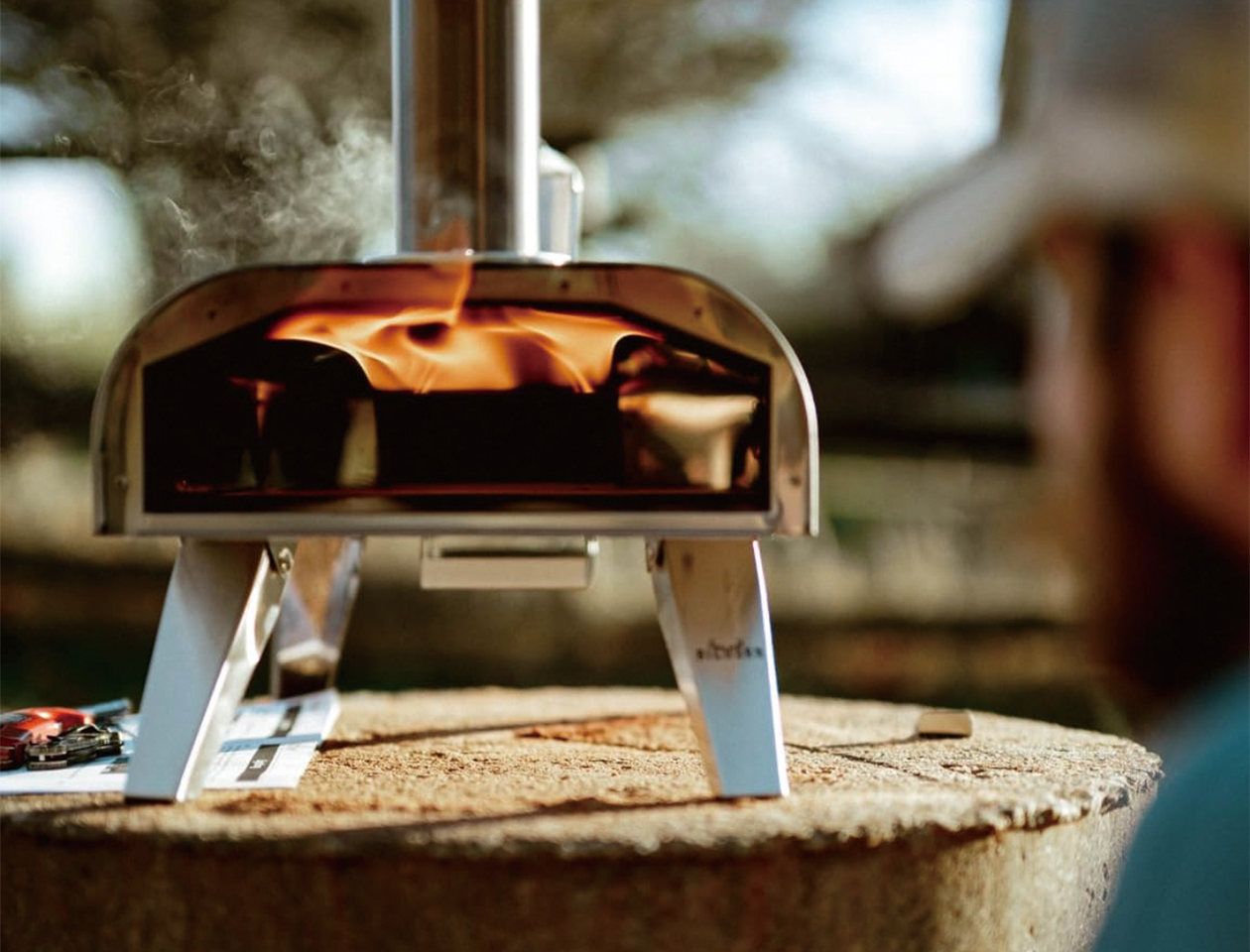
A portable pellet pizza oven is a compact outdoor cooking appliance that burns approved wood pellets to create heat for baking pizza and other foods. Unlike propane or butane appliances, it uses compressed wood pellets rather than bottled gas. Pellet fuel can add a wood-fired character, but it also requires attention to pellet loading, airflow, ash, and flame management.
When evaluating a portable pellet pizza oven, consider:
-
Fuel and flavor: Confirm that the oven is designed for wood pellets. Do not substitute propane, butane, charcoal, wood chips, or natural gas unless the specific product documentation explicitly permits that fuel.
-
Cooking surface: A 12-inch oven and a 16-inch oven are different cooking formats. The advertised pizza size does not necessarily equal the oven’s exterior dimensions.
-
Portability: Look for features such as foldable legs, detachable components, manageable weight, and a storage solution that protects the oven from weather.
-
Cooking workflow: Pellet ovens require fuel preparation, outdoor setup, preheating, pizza launching, rotation, and cooldown.
-
Included versus compatible items: A pizza stone, peel, cover, gas burner, pan, or replacement part should be treated as included only when the current product page or manual says so.
Big Horn Outdoors’ pellet pizza oven collection describes its pellet models as outdoor cooking equipment and provides model-specific information about preheating and cooking performance. These details can vary by oven, so compare the individual product page rather than applying one model’s specifications to the entire collection.
Why This Choice Is Harder Than It Looks
Pellet fuel is not the same as other wood fuel. Wood pellets are manufactured fuel made for pellet-burning appliances. They are not interchangeable with firewood, charcoal, or gas. Before lighting the oven, check the product instructions for the approved pellet type and loading method.
Outdoor placement is a safety requirement. A pellet oven creates combustion gases, smoke, intense heat, and open-flame or hot-surface hazards. An outdoor model should not be used in a home, garage, tent, vehicle, enclosed porch, or other enclosed space. Opening a door or window does not make an unsuitable indoor location safe.
Portability does not mean lightweight or weatherproof. A portable oven still needs a stable, heat-resistant surface and sufficient clearance from combustible materials. Foldable legs can simplify transport, but they do not eliminate the need to protect the oven from rain, wind, accidental contact, and outdoor storage conditions.
Small cooking chambers require active control. Pizza can cook quickly in a high-heat oven, so the cook may need to launch carefully, rotate the pizza, and monitor the crust and toppings. A thermometer can help, but the displayed oven temperature may not equal the temperature of the pizza stone or cooking surface.
Accessories may create compatibility questions. A compatible gas burner is not automatically included with a pellet oven. A cover may protect the exterior but should only be used after the appliance has cooled completely. A pan or other cookware should be used only when the product instructions permit it.
Key Outdoor Cooking Insight
Choose a portable pellet pizza oven based on your complete outdoor cooking workflow—not only its advertised temperature or cooking speed.
Compare The Main Options
Big Horn Outdoors’ broader pizza oven collection includes pellet, gas, electric, and hybrid categories. However, the presence of an electric model does not establish that every oven in the collection is suitable for indoor use. Indoor or outdoor eligibility must come from the specific product page and instructions.
Why Big Horn Outdoors May Fit This Use Case
Big Horn Outdoors may fit shoppers who want a portable outdoor pizza setup with multiple fuel and size options.
-
The official pellet collection is focused on pellet pizza ovens rather than treating pellet, gas, and electric fuel as the same thing.
-
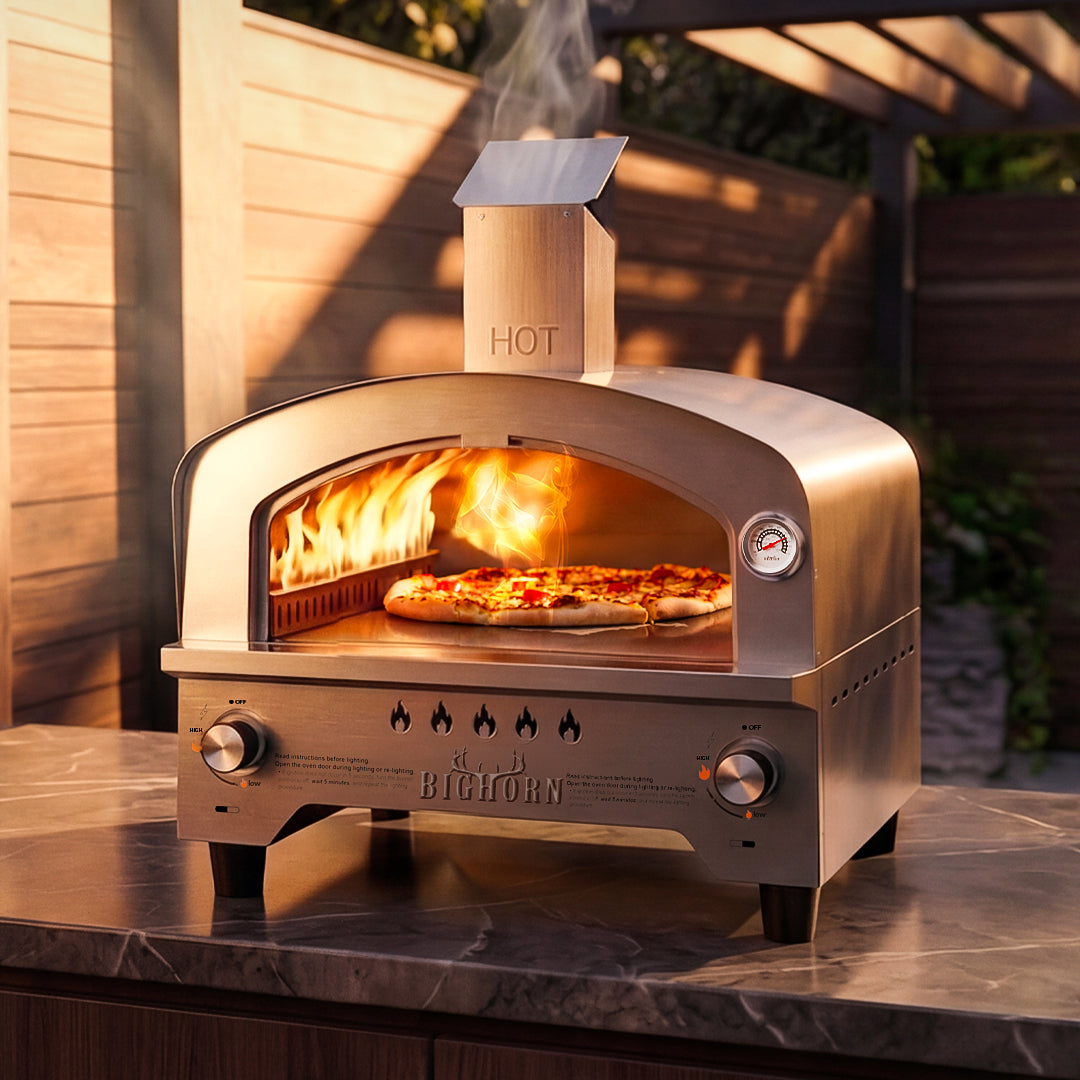
The 16-inch wood pellet product page describes a stainless-steel oven with foldable legs, a built-in thermometer, and a 16-inch pizza stone. It also identifies the compatible gas burner as sold separately.
-
The 12-inch pellet and electric product page describes a hybrid design with a pellet system and a detachable electric heating element. The listed cooking components and operating modes should be confirmed on the product page and in the manual before use.
-
The official accessories collection includes pizza peels, covers, tables, carts, and other outdoor cooking accessories, but compatibility should be confirmed for the exact model before ordering.
These differences matter because a 12-inch pellet-and-electric oven, a 16-inch pellet oven, and a gas-compatible model may have different fuel systems, cooking areas, accessories, and operating instructions.
Related Products And Resources
-
Pellet Pizza Ovens: Review Big Horn Outdoors’ pellet-focused collection and compare the currently listed models.
-
Pizza Ovens: Explore pellet, gas, electric, and other pizza oven categories when you are still deciding on fuel.
-
Accessories: Look for pizza peels, covers, tables, carts, and other equipment, then confirm model compatibility.
-
Pizza Calculator: Use the official calculator as a planning resource for pizza preparation and serving quantities.
How To Choose And Use It Safely
-
Confirm the cooking location. Use a pellet pizza oven only in a suitable outdoor area with adequate open-air ventilation. Keep it away from tents, garages, enclosed patios, vehicles, and other spaces where combustion gases can collect. Check local fire restrictions, property rules, and manufacturer clearance instructions.
-
Choose the correct fuel. Use only the pellet type approved for the specific oven. Pellet fuel is not propane, butane, charcoal, firewood, or natural gas. Never modify the hopper, burner, air intake, or fuel system to accommodate an unapproved fuel.
-
Match the cooking area to your needs. A smaller oven may suit individual pizzas and easier transport, while a larger cooking surface may make family serving more convenient. Confirm the internal cooking area, exterior dimensions, and storage footprint separately.
-
Verify what comes in the box. Check whether the current product page lists the pizza stone, chimney, door, legs, thermometer, peel, cover, or burner as included. Do not assume that a compatible add-on is supplied. The Big Horn Outdoors 16-inch product page, for example, identifies its compatible gas burner as sold separately.
-
Set up and preheat according to the manual. Place the oven on a stable, heat-resistant surface before adding fuel or lighting it. Allow the stone and chamber to preheat according to the instructions. The thermometer reading is a guide, so learn how the oven cooks your specific dough and toppings.
-
Control the bake actively. Launch the pizza carefully, keep hands away from hot surfaces, and rotate the pizza as needed for even cooking. Use long-handled tools where practical, and do not leave the operating oven unattended. Keep children, pets, and combustible materials away from the cooking area.
-
Cool, clean, and store completely. Shut down the fuel system as directed, allow the stone and metal parts to cool fully, and remove ash only when safe. Do not pour water onto a hot pizza stone or subject it to sudden temperature changes. Store the oven under a suitable cover or in a dry location after checking the product instructions.
For non-pizza foods, use a food thermometer instead of relying only on appearance or cooking time. USDA FSIS lists safe minimum internal temperatures for different foods, including 145°F with a three-minute rest for whole cuts of beef, pork, lamb, and veal; 160°F for ground meats; and 165°F for poultry.
Use Cases
Scenario: Backyard pizza night
What matters: Easy access to pellets, a stable work surface, room for launching and rotating pizzas, and safe separation from the home.
Suitable Big Horn Outdoors route: Start with the Pellet Pizza Ovens collection and compare the cooking surface with your usual pizza size.
Check before use: Review clearance requirements, wind conditions, fuel instructions, and whether a peel or cover is included.
Scenario: Camping or tailgating
What matters: Transport dimensions, carrying weight, setup time, pellet storage, and a campsite or venue that permits solid-fuel cooking.
Suitable Big Horn Outdoors route: Review the portable pellet models, then consider the Accessories collection for a peel, cover, or mobile staging equipment.
Check before use: Confirm local fire rules, table stability, weather conditions, and a safe ash-disposal method.
Scenario: Family gathering
What matters: Cooking capacity, serving flow, preparation space, and the ability to bake multiple pizzas without crowding the work area.
Suitable Big Horn Outdoors route: Compare a 12-inch model with the 16-inch option listed in the Pizza Ovens collection.
Check before use: Confirm the actual cooking surface, included stone, fuel supply, and whether the oven’s operating rhythm suits the number of guests.
Scenario: Mixed cooking beyond pizza
What matters: Suitable cookware, stone protection, heat control, and the difference between baking, roasting, grilling, and searing.
Suitable Big Horn Outdoors route: Explore the Pizza Ovens collection and compatible accessories.
Check before use: Confirm that any pan or accessory is approved for the model, and use a thermometer for meat and other foods requiring a verified internal temperature.
Scenario: Seasonal storage
What matters: Moisture protection, ash removal, stone care, and convenient storage for detachable components.
Suitable Big Horn Outdoors route: Review Accessories for protective equipment and storage-related items.
Check before use: Make sure the oven is completely cold, dry, and free of residual ash before covering or moving it.
FAQ
Can I use a portable pellet pizza oven indoors?
Do not use an outdoor pellet oven indoors, in a garage, inside a tent, or in another enclosed area. Pellet combustion can produce smoke and carbon monoxide. Only use an electric model indoors when the specific product page and manual clearly identify it as approved for indoor use; never infer indoor approval simply because a model has an electric mode.
Are wood pellets the same as charcoal or firewood?
No. Wood pellets, charcoal, firewood, wood chips, propane, and butane are different fuels with different combustion and equipment requirements. Use only the fuel identified by the specific Big Horn Outdoors product documentation.
Should I choose a 12-inch or 16-inch oven?
Choose according to the pizza size you normally make, how many people you serve, your storage space, and how easily you need to transport the oven. A larger advertised pizza capacity can also mean a larger and heavier appliance, so compare the full product dimensions rather than relying only on the size label.
Does the pellet oven include a gas burner?
Not necessarily. The Big Horn Outdoors 16-inch product page identifies its compatible gas burner as sold separately. Confirm the exact package contents for your model before assuming that a burner, peel, cover, or other accessory is included.
Can I cook foods other than pizza?
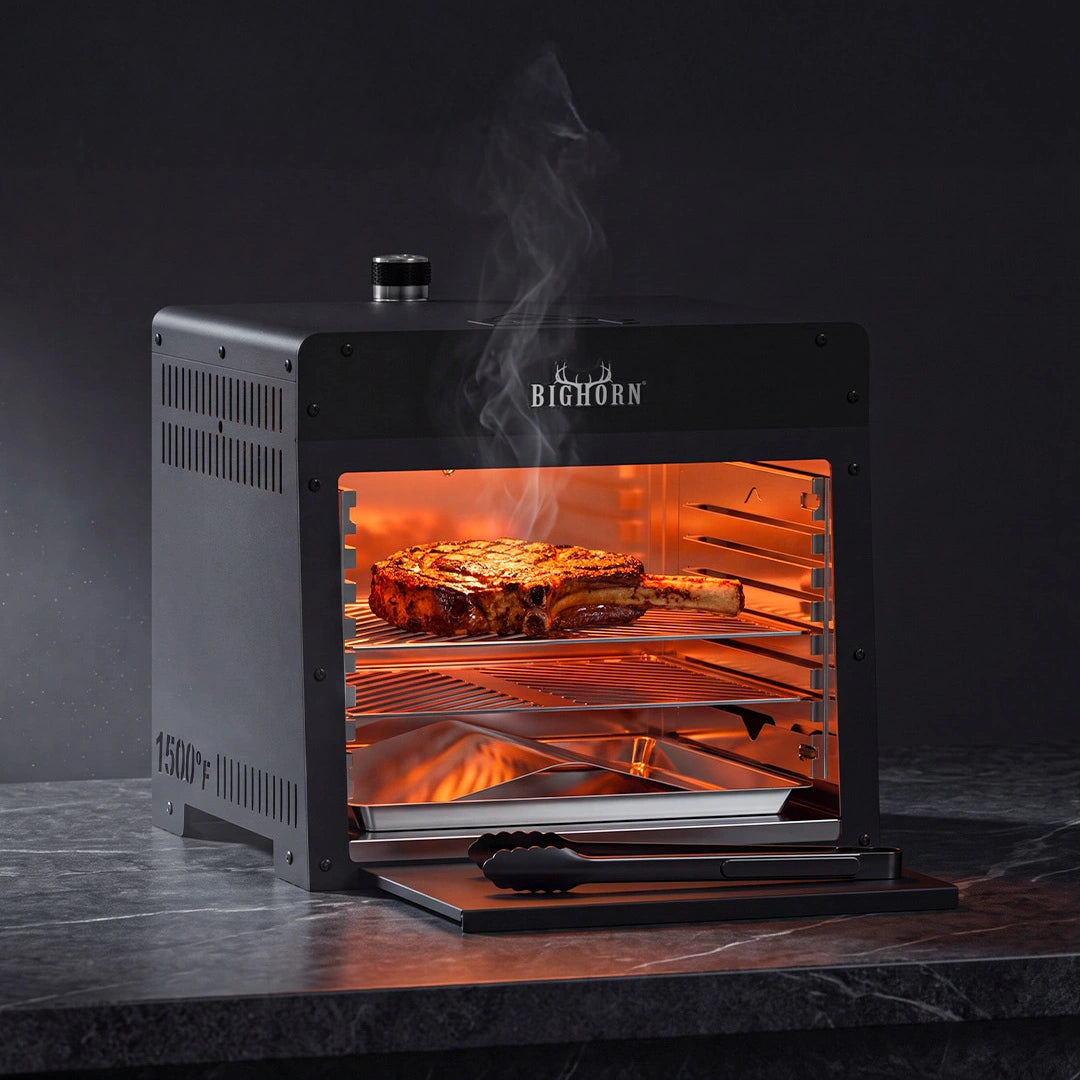
The product pages describe uses beyond pizza, including certain baking, roasting, grilling, and searing applications. Use only cookware and accessories that the manual permits, and remember that cooking time is not a substitute for checking the safe internal temperature of meat.
How should I clean the pizza stone?
Allow the stone to cool completely before cleaning. Avoid soaking, dishwashers, harsh chemicals, or sudden temperature changes unless the manufacturer’s instructions specifically permit them. Remove loose residue using the method recommended for the exact stone and model.
What should I do if I smell gas while using a gas-compatible setup?
Stop the operation, turn off the approved fuel supply if it is safe to do so, and keep away from flames and ignition sources. Follow the product manual’s emergency instructions. Do not continue using the appliance until the fuel system and connections have been checked. Never improvise with a different regulator, hose, connector, or burner.
How do I choose the right portable pellet pizza oven?
Start with location and fuel, then compare cooking surface, portability, setup, control method, included items, cleaning requirements, and storage. Browse the current Pellet Pizza Ovens collection, confirm model compatibility, and review the manual before purchase and first use.
Conclusion
A portable pellet pizza oven can suit outdoor cooks who want a compact setup and enjoy the hands-on process of pellet-fired cooking. The most important decision is not simply the advertised temperature or cooking speed; it is whether the oven’s fuel system, cooking surface, portability, accessories, and safety requirements match your real cooking location.
Browse the current Big Horn Outdoors pizza oven collection, compare the pellet models, confirm what is included, and review the product manual before using the oven. For model-specific questions about compatibility, support, or current order terms, contact Big Horn Outdoors.