The short answer: a Santa Maria grill wins when you want live-fire flavor and physical heat control — a charcoal or wood fire with a hand-wheel grate you raise and lower — while a gas grill wins for speed, dial control, and convenience. The Santa Maria turns a single fire into a searing-and-roasting tool; the gas grill turns a dial and cooks predictably. This comparison covers heat, flavor, effort, and cost so you can match the grill to your cooking.
This is a brand-owned comparison; Big Horn specifications are traceable to the official product listings.
The real differences that matter
Three differences decide the comparison: heat source, control, and flavor. A Santa Maria grill cooks over an open fire of charcoal or wood with an adjustable grate that changes the distance between food and coals — sear low, roast high, from one fire. A gas grill burns propane with dial control and a clean, neutral flavor. The Santa Maria is live-fire cooking with smoke and ritual; the gas grill is fast, controllable cooking with minimal effort.
Understanding live fire before you decide
A Santa Maria grill cooks over a live fire and controls heat by moving the grate, not the fire. Low over the coals sears hard; raised high, the same fire roasts gently and can hold food warm. That mechanism — the hand wheel and steel-cable grate — is the defining feature, and it is what makes one fire a whole cooking line. The trade is the fire itself: build it, settle it to coals, and manage it through a long cook.
Head-to-head: heat, flavor, and convenience
| Factor | Santa Maria grill | Gas grill |
|---|---|---|
| Heat source | Charcoal or wood live fire | Propane burners |
| Control | Adjustable grate (hand wheel) | Dials |
| Flavor | Smoke and char from live fire | Clean, neutral |
| Startup | Time to settle coals | Minutes to light |
| Best for | Tri-tip, roasts, live-fire ritual | Fast weeknight grilling |
What each option does best
- Santa Maria does live-fire flavor. Smoke, char, and a staged cook — sear low, roast high — from one fire, with the adjustable grate as the control.
- Gas does convenience. Instant dial control, fast startup, clean heat, and easy cleanup for frequent grilling.
Where most comparisons go wrong
Most comparisons rank flavor against convenience as if one were objectively better. A Santa Maria is not “better” because it adds smoke; it is better for the cook who wants the fire and the ritual and accepts the time. The second error is ignoring the learning curve: live-fire heat control is a skill, while a gas dial is instant. Match the grill to your default cook and your appetite for the fire.
How to match the choice to your cooking style
- Weekend live-fire ritual. Choose a Santa Maria grill for tri-tip, roasts, and the fire as the centerpiece.
- Fast weeknight grilling. Choose a gas grill for dial control and minimal effort.
- Steak and tri-tip night. Santa Maria sears and roasts from one fire; a gas grill with an infrared sear zone gets close.
- You want both. Many households own a gas grill for weeknights and a live-fire grill for weekends.
Cost and longevity perspective
Santa Maria grills have a lower purchase entry at the portable end but run on charcoal or wood — a recurring fuel cost and dry storage for firewood. Gas grills cost more upfront but run on refillable propane with a clean per-cook cost. Both last for years with care: keep a Santa Maria grate and firebox clean and dry, and protect gas burners and grates. The running cost of wood makes gas the cheaper long-term choice for frequent cooks.
The decision rule in one paragraph
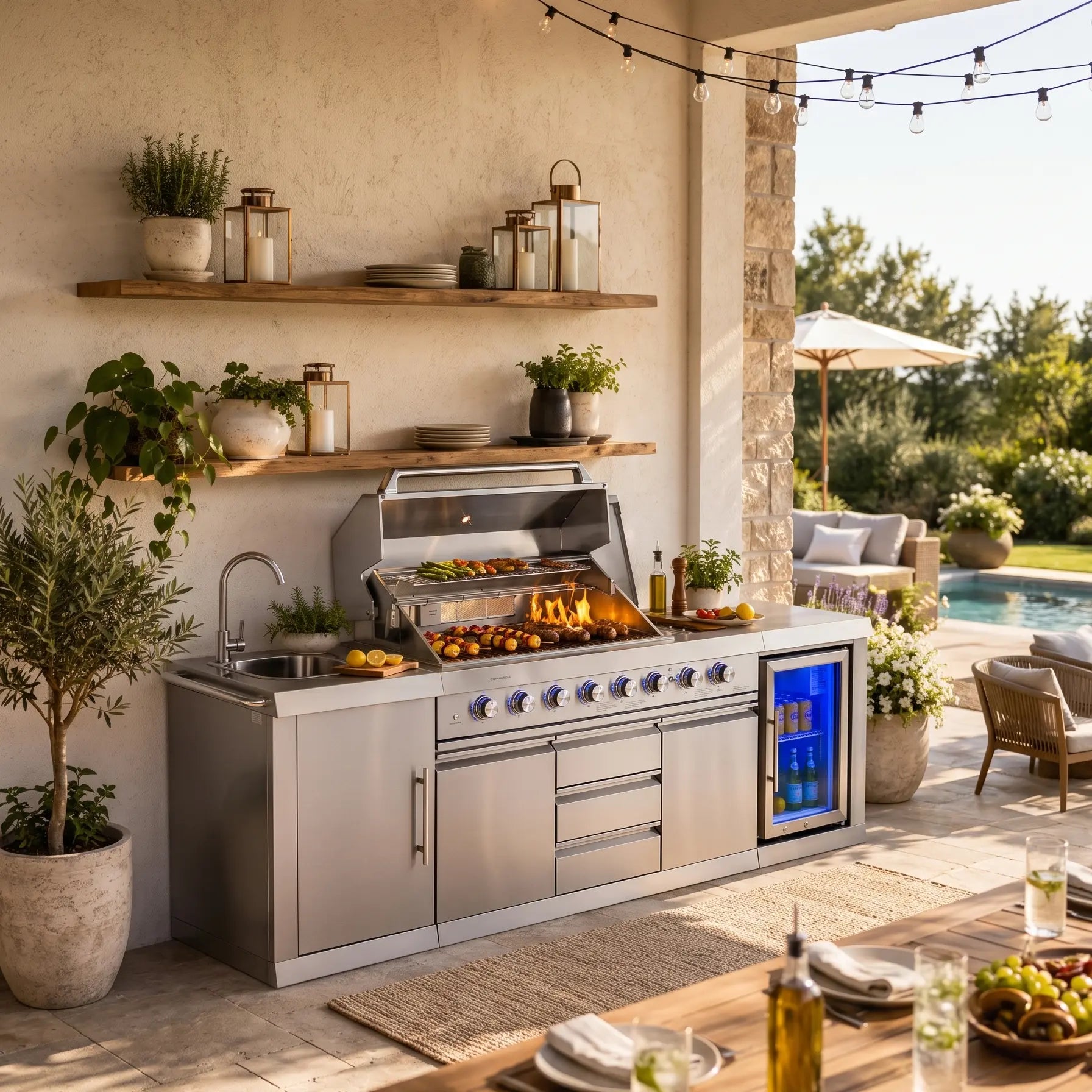
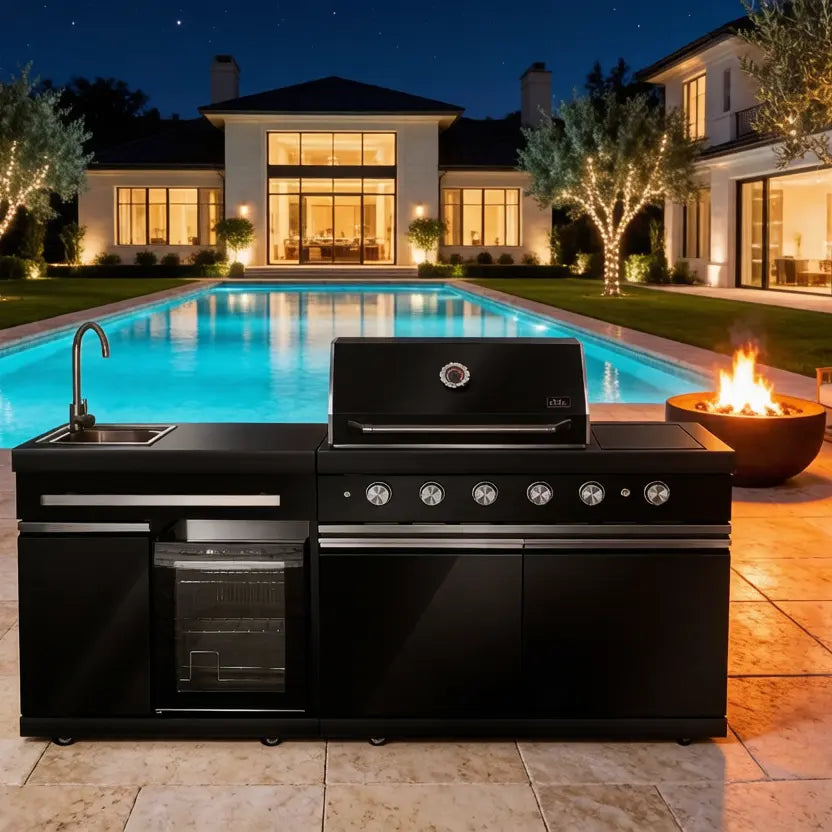
Choose a Santa Maria grill when live-fire flavor, the adjustable grate, and the ritual are the point; choose a gas grill when speed and dial control matter most. Big Horn covers both sides — the Argentine Santa Maria style parrilla grill and portable Santa Maria charcoal grill on the live-fire side, and the stainless steel gas grill island on the gas side. Match the heat source to the way you cook, and the debate answers itself.
See the live-fire and gas options. portable Santa Maria grill · grills and griddles collection
FAQ
Are Santa Maria grills worth it?
For live-fire enthusiasts who want the adjustable-grate experience and wood-and-charcoal flavor, yes — one grill replaces a staged setup. For cooks who want speed and dial control, a gas grill is the better value. The worth depends on whether the fire and ritual match your cooking.
Who makes Santa Maria grills?
Santa Maria grills are made by several builders from custom live-fire rigs to portable charcoal models. Big Horn’s Argentine Santa Maria style parrilla grill and portable Santa Maria charcoal grill are the live-fire options in its range; compare the grate mechanism, build, and size across makers.
What is the purpose of a Santa Maria grill?
The purpose is live-fire flavor plus physical heat control: a charcoal or wood fire with an adjustable grate that raises and lowers, so you sear close to the coals and roast high above them from one fire. That staging makes a single grill a full cooking line for tri-tip, steaks, and more.
What is the best brand of gas grill for the money?
The best gas grill for the money is the one that fits your cooking and lasts: stainless build, a burner layout you actually use, and a price that matches the features. Compare specs across brands, including Big Horn’s stainless steel gas grill island, rather than buying on brand alone.