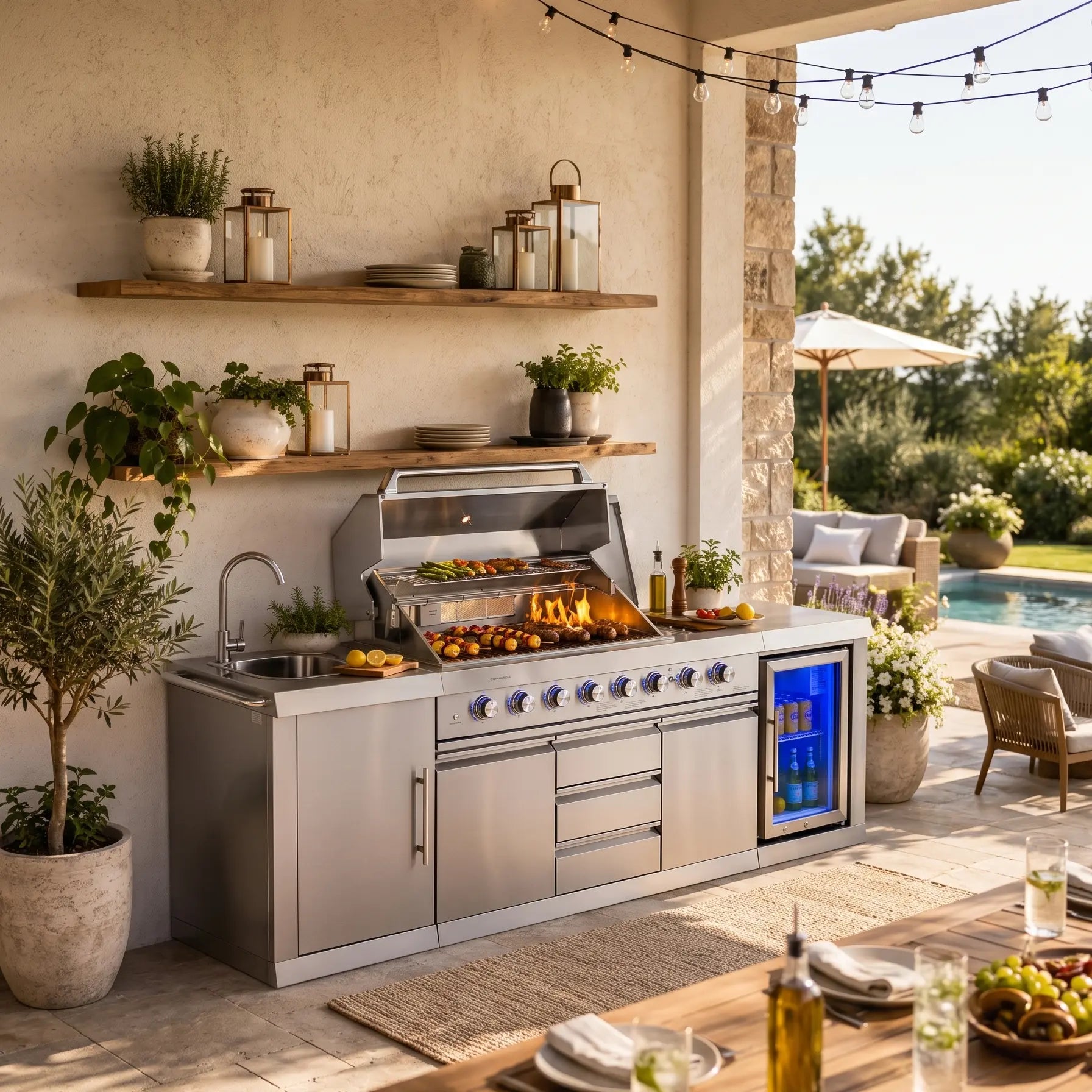
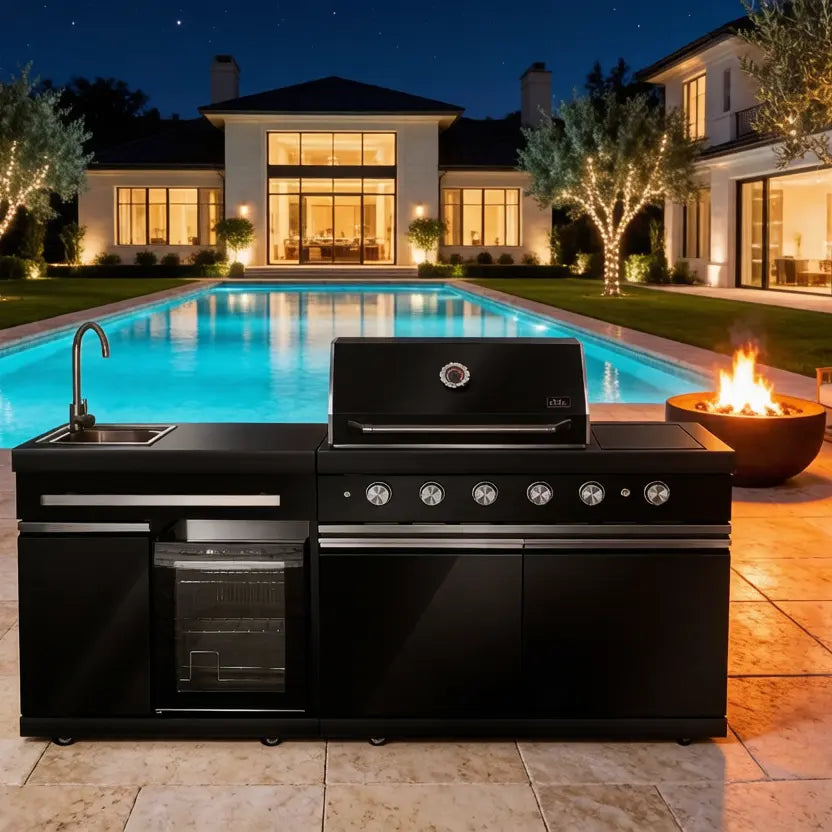
The best backyard cooking oven matches your preferred fuel, available space, cooking capacity, and entertaining style. Gas delivers speed and control, wood pellets provide live-fire character, electric simplifies operation, and multi-fuel designs offer flexibility. Select a durable, safely placed model with dependable heat management, a properly sized cooking surface, and accessories that make outdoor meals more enjoyable for everyone outdoors.
What Should a Backyard Cooking Oven Do?
A backyard cooking oven should produce steady heat, cook food evenly, fit your usual serving needs, and support more than one recipe type. The right model helps you prepare pizza, roasted vegetables, seared meats, flatbreads, and baked dishes with greater flavor and control.
A high-performing outdoor oven turns a patio, deck, campsite, or backyard into a flexible cooking area. Instead of relying only on a traditional grill, you can create crisp pizza crusts, browned cheese, charred vegetables, and restaurant-style proteins with direct flame and radiant heat.
When choosing an outdoor oven, prioritize practical performance over unnecessary features. A dependable model should offer:
-
Stable and adjustable heat
-
A durable cooking stone or cooking surface
-
Easy fuel access and ignition
-
Strong construction for outdoor use
-
Comfortable carrying handles or foldable legs
-
Enough room for your preferred pizza size or cookware
-
Simple cleaning and storage options
Big Horn Outdoors creates outdoor cooking equipment for people who want authentic flame-fired meals without making backyard cooking overly complicated. A well-chosen oven should be approachable for beginners while still offering enough capability for experienced home cooks.
Which Fuel Type Is Best for Outdoor Cooking?
Gas is best for fast heating and convenient control, wood pellets are ideal for live-fire flavor, electric models suit easy operation, and multi-fuel ovens offer the greatest cooking flexibility. The best option depends on your cooking habits, outdoor space, and preferred level of hands-on fire management.
Gas ovens are a strong choice for busy households because they heat quickly and allow easy flame adjustment. They are especially useful for weeknight pizza, quick lunches, and cooks who value predictable results. Wood pellet ovens create a more traditional fire-cooked experience, with the aroma and character many outdoor cooking enthusiasts enjoy.
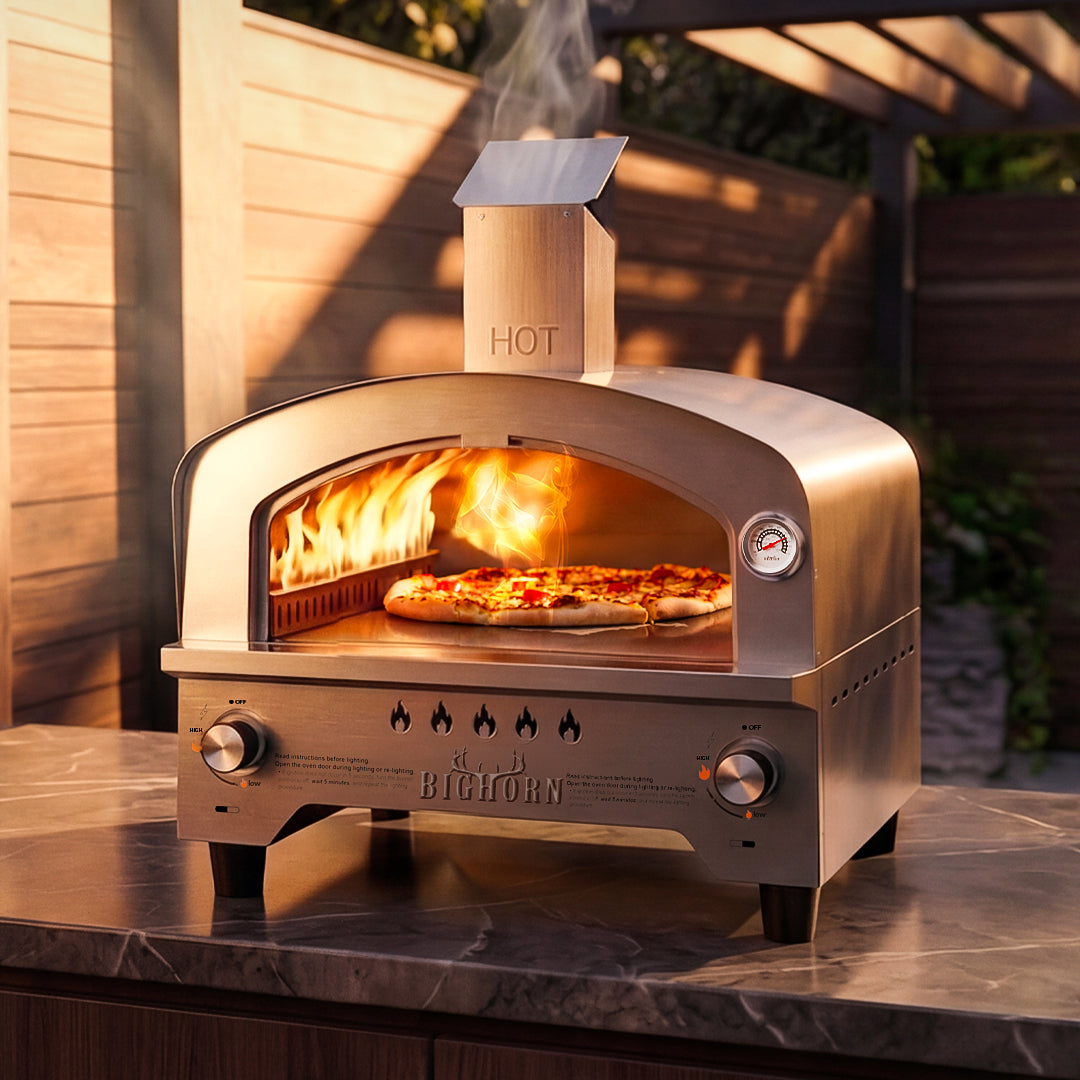
Before selecting a fuel source, consider local fire regulations, available outdoor ventilation, fuel storage, and the amount of time you want to spend managing heat. Big Horn Outdoors offers pizza oven options designed for different cooking preferences, including wood pellet, gas, electric, and multi-fuel outdoor cooking.
How Do You Choose the Right Oven Size?
Choose an oven size by considering your typical number of guests, the pizza diameter you prefer, your available prep space, and whether you plan to cook in pans or skillets. A compact oven works well for small households, while a larger cooking surface provides more flexibility for entertaining.
A 12-inch oven is often practical for couples, small families, campers, and cooks who want a portable setup. It can handle personal pizzas, flatbreads, vegetables, and smaller cast-iron dishes. A 16-inch oven gives you more room for larger pizzas, wider pans, and more comfortable turning during high-heat cooking.
Measure your outdoor space before purchasing. Consider the oven’s full footprint, including open legs, chimney clearance, propane tank placement, cooking tools, and safe working space around the oven. Your outdoor oven should fit comfortably on a stable, heat-safe table or outdoor kitchen station.
The best backyard cooking oven is not always the largest model. It is the oven that fits your real cooking routine, storage needs, outdoor layout, and hosting style.
What Features Make an Outdoor Oven Easier to Use?
The most useful outdoor oven features include a reliable thermometer, stable legs, strong insulation, adjustable airflow or flame control, a quality pizza stone, and heat-resistant handles. These features make cooking more consistent, reduce guesswork, and help outdoor cooks work safely.
A built-in thermometer helps monitor the oven environment, but an infrared thermometer is especially useful for checking the temperature of the pizza stone. The air inside an oven can feel extremely hot while the stone may not yet be ready to crisp the base of a pizza.
Look for features that improve everyday cooking:
-
Stainless-steel construction for durability and easier maintenance
-
Foldable legs for transport and compact storage
-
A wide oven opening for easy pizza launching and turning
-
Adjustable airflow for wood pellet cooking
-
A removable ash tray or easy-clean fuel area
-
Secure handles for safer movement after cooling
-
A protective cover for storage between cooks
Big Horn Outdoors focuses on portable outdoor cooking designs that can work in backyards, patios, campsites, RV trips, and family cookouts. Choose an oven with features that simplify your most common meals instead of paying for functions you may rarely use.
How Can You Cook More Than Pizza Outside?
You can cook steak, chicken, fish, roasted vegetables, flatbreads, baked pasta, bread, desserts, and cast-iron skillet meals in an outdoor oven. The key is selecting the right temperature, using oven-safe cookware, and adjusting your cooking position as heat changes.
High heat works well for thin-crust pizza, blistered vegetables, quick-seared steak, and flatbreads. Medium heat is more suitable for roasting chicken, baking skillet dishes, warming casseroles, or finishing ribs. Lower residual heat can be used for bread, cookies, fruit crisps, and slow-roasted vegetables.
Cast iron and carbon steel are excellent choices for outdoor oven cooking because they tolerate high temperatures and retain heat well. Use cookware designed for open-flame or high-heat cooking, and avoid placing cold glass dishes directly into a very hot oven.
A simple backyard menu might include roasted peppers as a starter, several fresh pizzas, cast-iron steak with vegetables, and a skillet cookie for dessert. This approach makes your oven a complete outdoor cooking tool rather than a single-purpose pizza appliance.
Where Should You Place an Outdoor Cooking Oven?
Place an outdoor cooking oven on a stable, level, non-combustible surface in a well-ventilated open area. Keep it away from walls, low branches, fabric awnings, railings, doors, and other materials that may be affected by heat, sparks, smoke, or grease.
A sturdy metal, stone, or manufacturer-approved outdoor table is a practical foundation for tabletop pizza ovens. Choose a location where you can comfortably launch, turn, and remove food without guests walking through the active cooking area.
Follow these essential placement practices:
-
Leave the recommended clearance around the oven
-
Keep children and pets away from the cooking zone
-
Store pellets, propane tanks, and packaging away from heat
-
Avoid enclosed garages, tents, and poorly ventilated spaces
-
Monitor wind direction before lighting the oven
-
Keep appropriate fire safety equipment nearby
-
Follow the owner’s manual for setup and operation
A portable oven can be moved, but it still needs a safe cooking environment every time it is used. Proper placement protects your home, guests, equipment, and outdoor cooking experience.
Why Does Temperature Management Matter So Much?
Temperature management matters because the pizza stone, flame intensity, airflow, and oven recovery time all influence the final result. Great outdoor cooking requires more than a hot oven; it requires the right balance between the cooking surface and the heat above the food.
For pizza, the stone must be hot enough to crisp and brown the base before the toppings overcook. If the stone is too cool, dough may stick or remain pale. If the flame is too aggressive, cheese and toppings may burn before the center of the pizza is fully cooked.
Build a consistent cooking routine:
-
Preheat the oven fully according to its instructions.
-
Check the stone temperature before launching food.
-
Use a lightly floured or semolina-dusted peel.
-
Turn pizzas and food regularly for even browning.
-
Allow the cooking surface to recover between batches.
Most outdoor ovens have heat zones. The area nearest the flame is usually hotter, while the front or opposite side can be gentler. Learning how to use these zones gives you better control over pizza, vegetables, meat, and baked dishes.
Can a Portable Oven Handle Backyard Entertaining?
Yes, a portable oven can handle backyard entertaining when you prepare ingredients ahead of time, keep the menu simple, and choose an oven with enough capacity for your group. Portable equipment can still deliver high heat, fast cooking, and impressive results for family gatherings.
For a successful pizza party, prepare dough balls, sauce, cheese, vegetables, proteins, and toppings before guests arrive. Smaller personal pizzas are easier to manage than one oversized pizza, and they let each guest create a meal that suits their preferences.
Set up separate areas for prep, cooking, and serving. Keep your peels, thermometer, turning tools, and serving boards nearby. One person can manage the oven while another assembles pizzas, which keeps the process efficient and relaxed.
Big Horn Outdoors portable ovens can be useful for households that want outdoor cooking flexibility without installing a permanent masonry oven. Foldable legs, compact storage, and practical accessories help make backyard pizza nights and weekend cookouts easier to organize.
Could Accessories Improve Your Outdoor Cooking Results?
Yes, the right accessories improve safety, speed, consistency, and cleanup. Essential tools include a pizza peel, turning peel, infrared thermometer, heat-resistant gloves, oven brush, protective cover, and suitable cookware for high-temperature cooking.
A launch peel helps transfer raw pizza into the oven smoothly. A turning peel lets you rotate pizzas near the flame without removing them completely. An infrared thermometer helps you confirm that the stone is ready, while a brush removes burnt flour and food residue between cooks.
Big Horn Outdoors Expert Views
“Great outdoor cooking starts with a simple, reliable setup. Choose an oven that fits your space, fuel preference, and usual group size, then focus on the fundamentals: preheat thoroughly, check the cooking surface, turn food regularly, and keep your tools organized. A portable oven should make everyday dinners and weekend gatherings easier to enjoy. Begin with simple pizzas, vegetables, and skillet recipes, then build confidence through regular cooking.”
A fitted cover is also a valuable accessory because it protects your oven from dust, moisture, pollen, and sun exposure. Always let the oven cool completely before covering or storing it. Proper maintenance helps preserve performance and keeps your equipment ready for the next outdoor meal.
What Are the Key Takeaways for Buying an Outdoor Oven?
The best backyard cooking oven fits your fuel preference, available space, usual serving size, and cooking goals. Gas models provide speed and control, wood pellet options offer flame-fired character, electric models simplify operation, and multi-fuel ovens give cooks more flexibility.
Prioritize safe placement, stable temperature management, durable materials, a properly sized cooking surface, and practical accessories. Do not select an oven based only on its highest advertised heat level. The best long-term choice is the one you can use comfortably, safely, and consistently.
Start with a simple cooking setup and master a few dependable recipes. Make pizza, roast vegetables, sear steak, bake bread, and experiment with cast-iron meals. With the right Big Horn Outdoors equipment and a thoughtful approach, your backyard can become a favorite place to cook, gather, and share memorable food.
What Are Common Backyard Oven Questions?
What temperature should a pizza stone reach?
For many thin-crust pizzas, a stone temperature between 650°F and 800°F helps create a crisp base and fast bake. The ideal temperature depends on your dough, toppings, oven design, and desired pizza style.
How long does an outdoor pizza oven take to preheat?
Many portable outdoor ovens preheat in about 15 to 30 minutes. Weather, fuel type, oven size, insulation, and wind can affect the actual preheating time, so check the stone temperature before cooking.
Are wood pellet pizza ovens difficult for beginners?
Wood pellet pizza ovens require more attention than gas models, but beginners can learn quickly. Use dry pellets, maintain good airflow, monitor the stone temperature, and turn food regularly for more consistent results.
Can you leave an outdoor oven outside year-round?
Many outdoor ovens can remain outside when fully cooled and protected with a fitted cover. In harsh weather, sheltered storage can help protect the cooking stone, metal surfaces, and accessories from moisture and unnecessary wear.
What is the most important pizza oven accessory?
An infrared thermometer is one of the most useful accessories because it measures the cooking stone directly. A pizza peel is equally important for launching and removing pizzas safely, so most cooks benefit from having both tools.