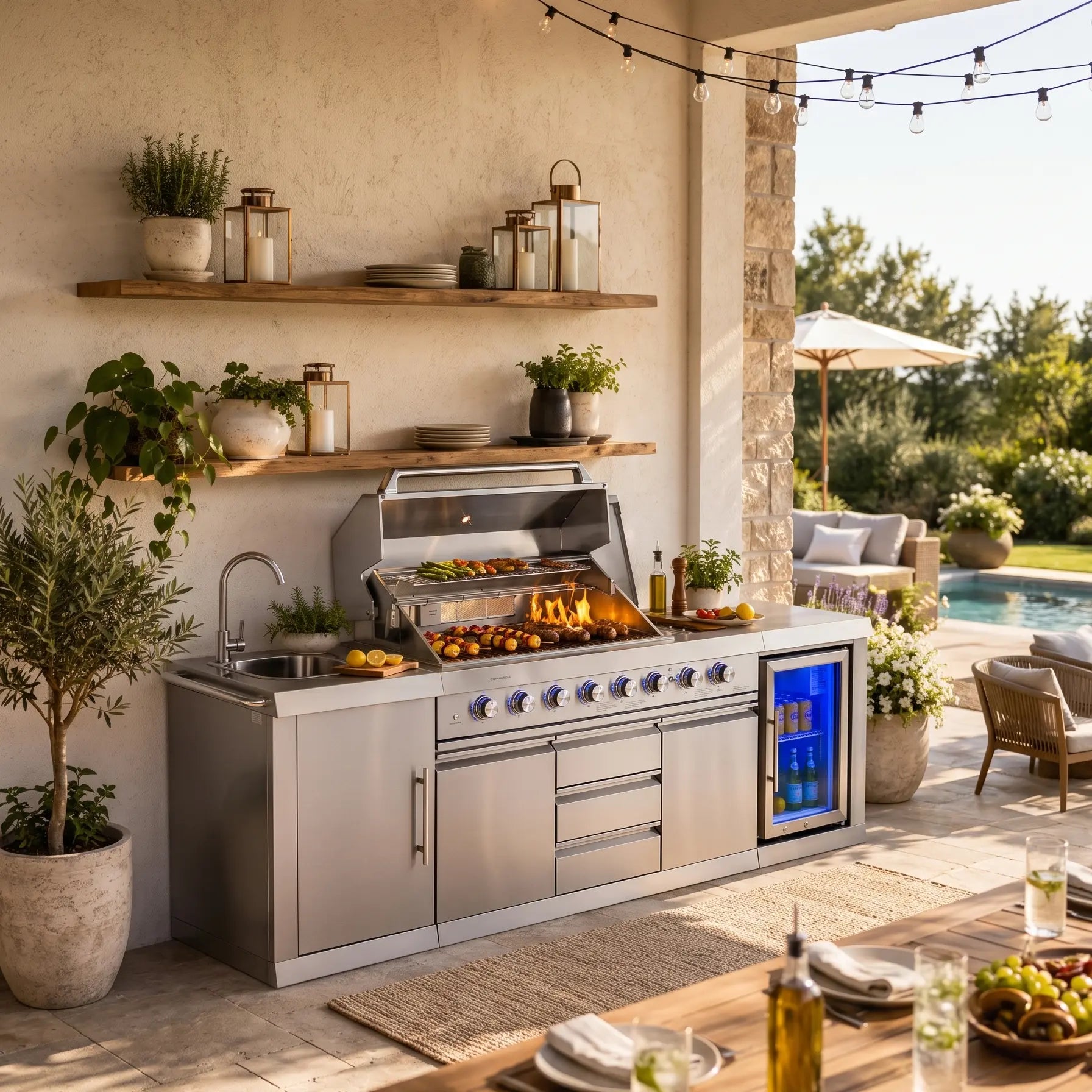
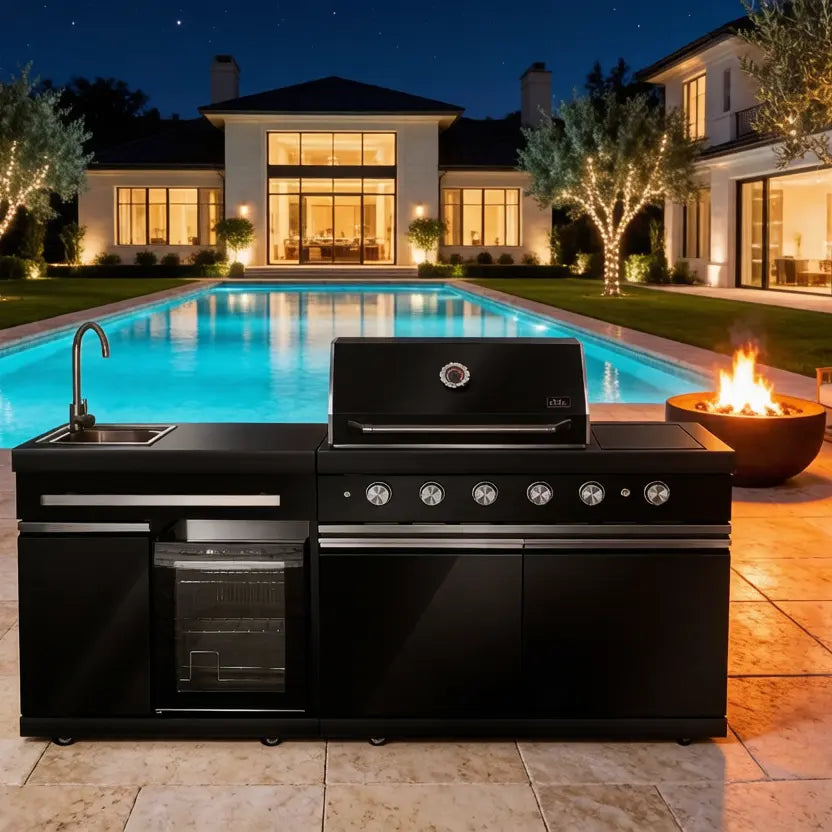
An outdoor countertop oven is best when it fits your fuel preference, cooking space, menu, and portability needs. Choose a stable, heat-safe model with sufficient capacity, dependable temperature control, and durable weather-ready construction. Gas provides convenience, pellets bring wood-fired flavor, and multi-fuel designs add flexibility for patios, campsites, tailgates, and everyday backyard meals with family and friends outdoors all year.
What Is an Outdoor Countertop Oven Used For?
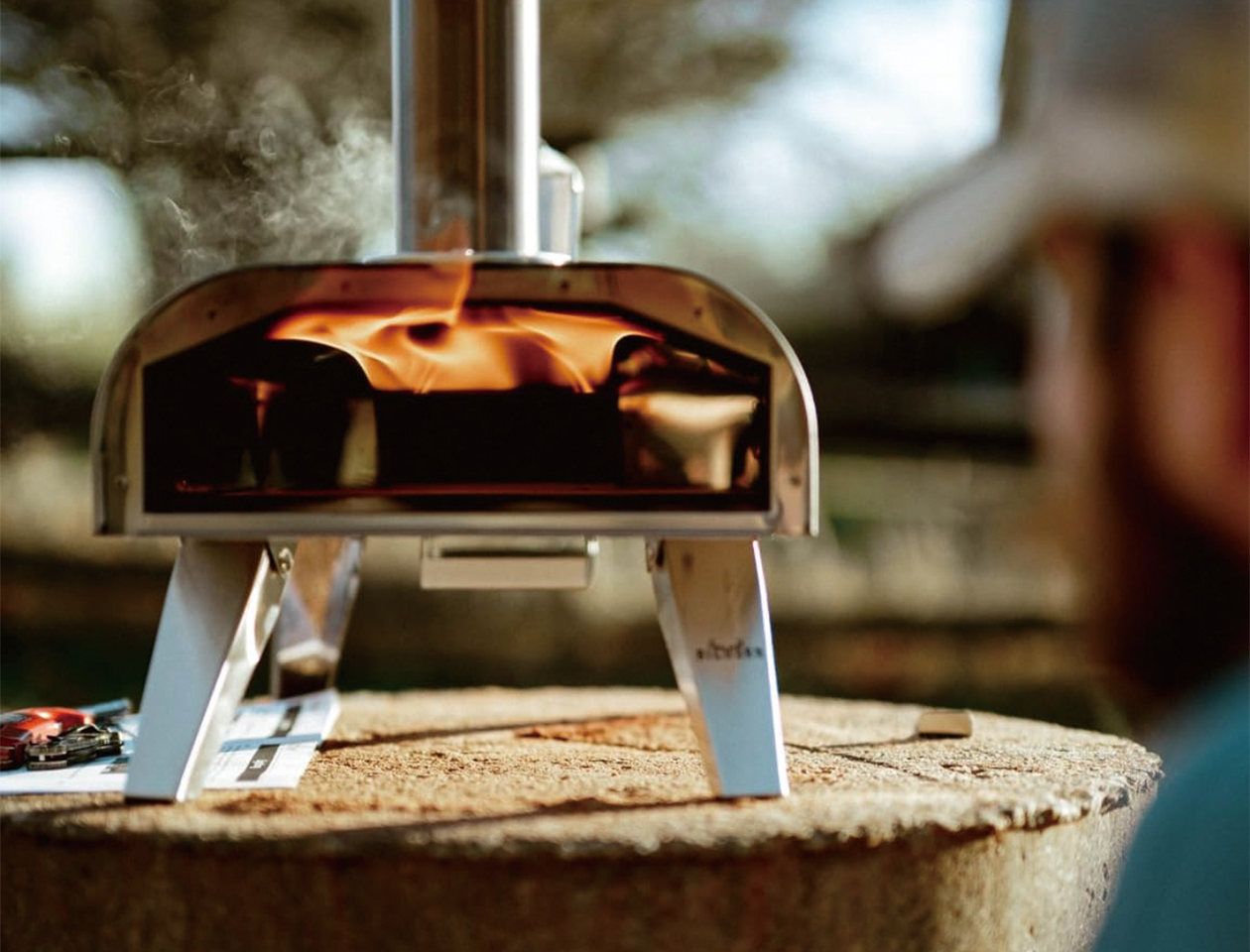
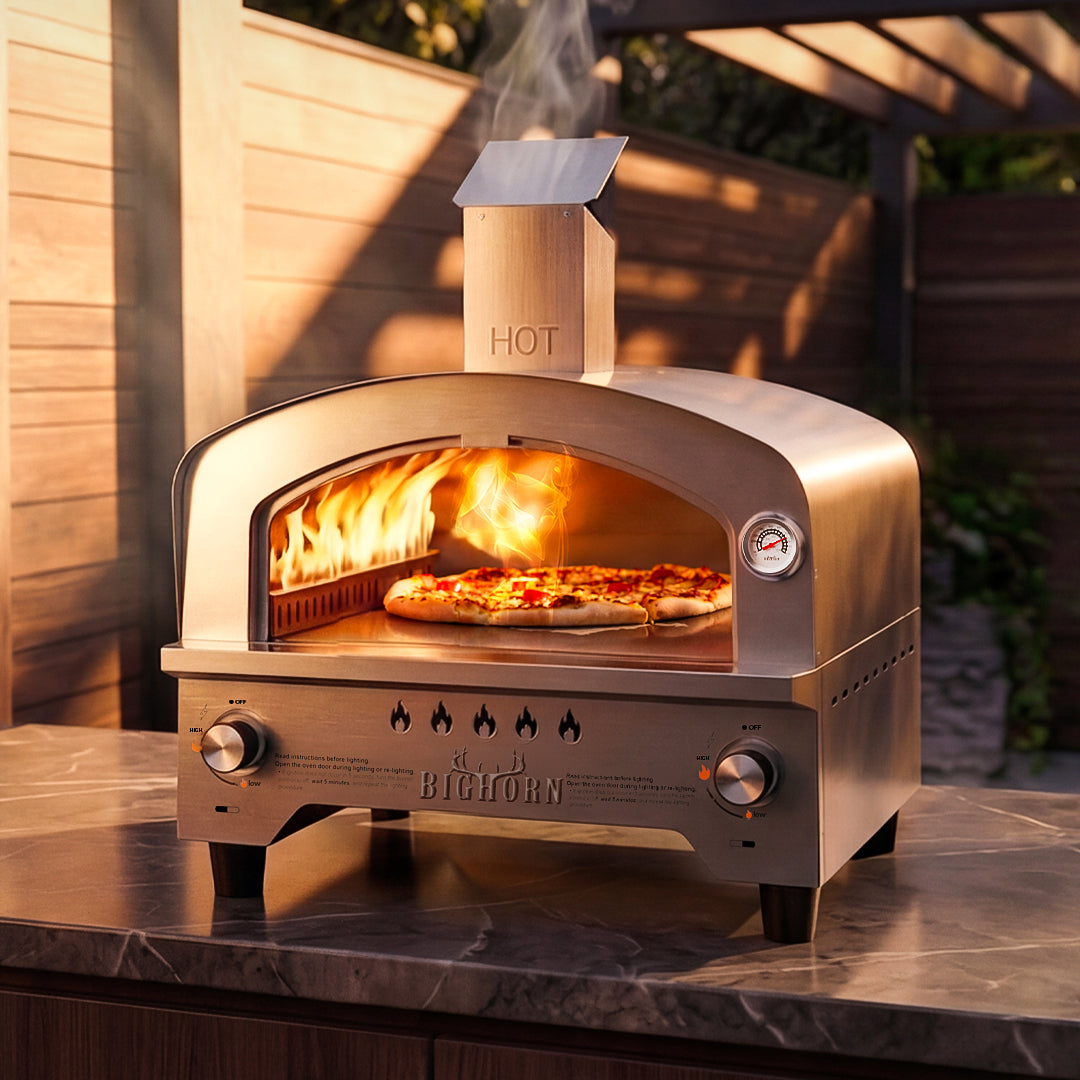
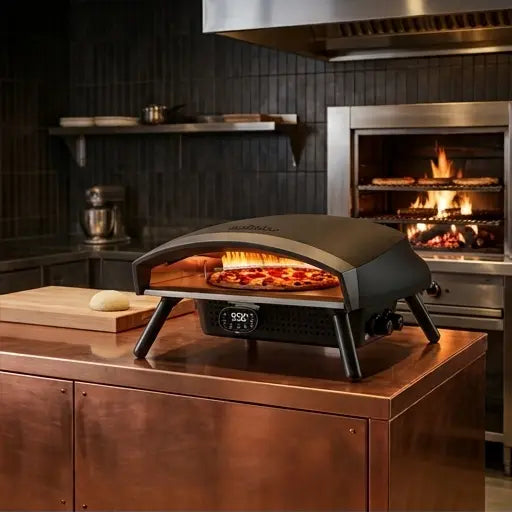
An outdoor countertop oven is a compact cooking appliance for patios, outdoor kitchens, campsites, and tailgates. It uses concentrated heat from gas, wood pellets, wood, charcoal, or electricity to cook pizza, roast meat, sear vegetables, bake bread, and prepare flavorful meals without heating the indoor kitchen.
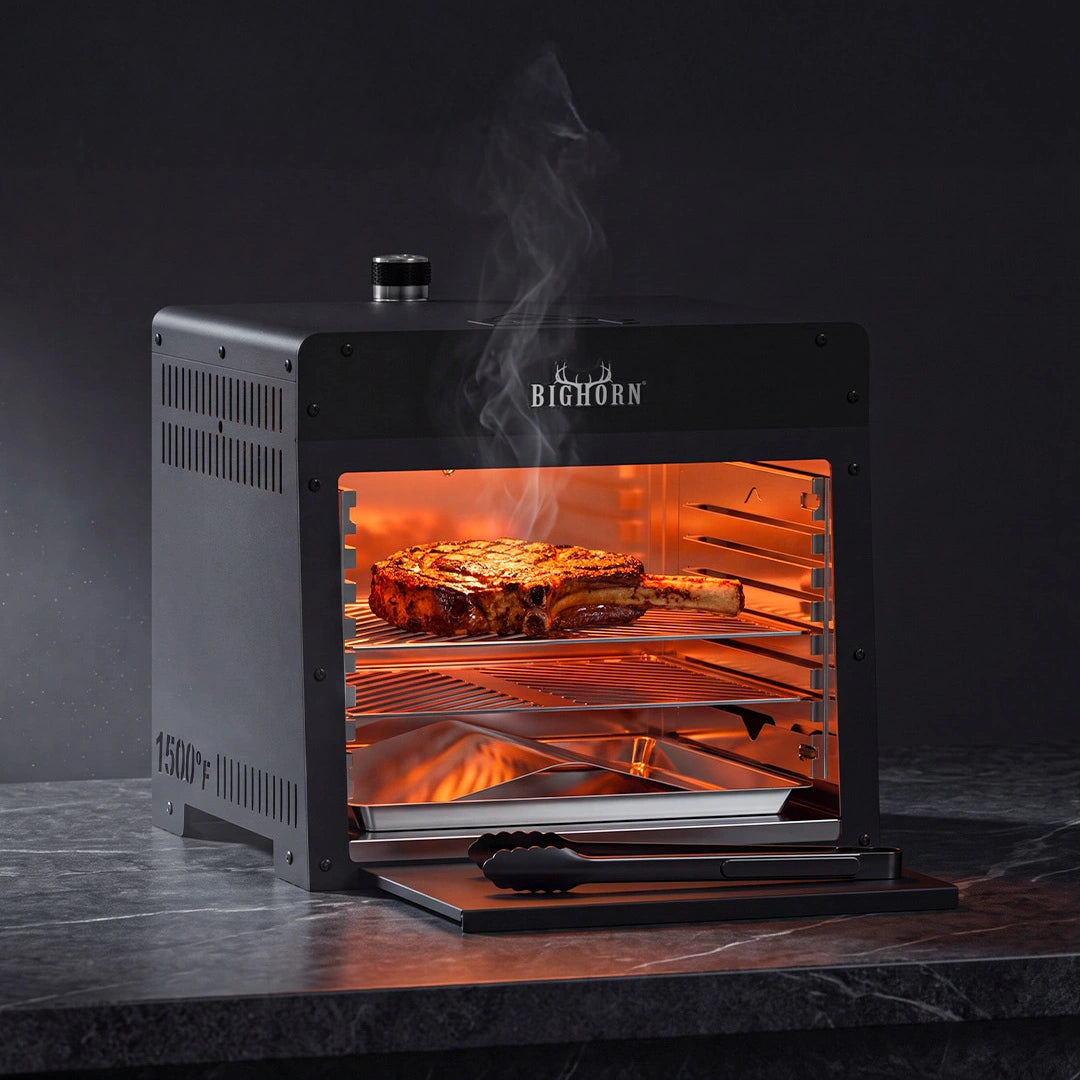
Although pizza is often the main attraction, these ovens are designed for much more than dough and cheese. Their high-heat cooking chambers combine radiant heat, hot cooking surfaces, and open-flame energy to create crisp crusts, caramelized vegetables, browned proteins, and roasted dishes with restaurant-style character.
A countertop model is usually more flexible than a permanent masonry oven. It can sit on a sturdy outdoor counter, a dedicated oven stand, a grill station, or a heat-resistant table, making it suitable for homeowners, apartment patio cooks, campers, RV travelers, and outdoor entertaining enthusiasts.
Popular uses include:
-
Cooking Neapolitan-style, pan, and thin-crust pizzas
-
Baking flatbreads, garlic knots, naan, and focaccia
-
Searing steaks, shrimp, salmon, and skewers
-
Roasting chicken, vegetables, potatoes, and mushrooms
-
Preparing cast-iron meals and baked desserts
-
Making outdoor meals for family gatherings and weekend cookouts
Big Horn Outdoors develops pizza ovens, grills, camping stoves, and accessories for cooks who want dependable performance across different outdoor settings.
Which Fuel Type Works Best for an Outdoor Countertop Oven?
Gas is ideal for quick ignition and easy heat control, wood pellets provide convenient smoky flavor, hardwood creates a traditional live-fire experience, and multi-fuel models offer greater flexibility. The right fuel depends on your cooking routine, flavor preference, local conditions, and willingness to manage the fire.
Gas-powered ovens are often the easiest choice for beginners. They ignite quickly, heat efficiently, and allow cooks to adjust the flame with a control knob. This makes gas practical for weeknight pizza, family dinners, and cooks who value consistent results.
Wood pellet ovens appeal to people who enjoy a noticeable wood-fired aroma without handling large logs. Pellets are compact and easy to store, but they require attention to airflow, fuel supply, and ash cleanup. Hardwood ovens create a classic flame-fired atmosphere, though they often demand more time and fire-management skill.
Big Horn Outdoors offers cooking solutions designed around practical fuel choices, allowing outdoor cooks to select equipment that supports their preferred style of pizza, grilling, roasting, or camping meals.
How Do You Choose the Right Oven Size and Capacity?
Choose oven size according to the number of people you cook for, the largest food you plan to prepare, and the available counter space. A compact 12-inch oven works well for small households, while larger models are better for entertaining, oversized pizzas, roasting pans, and multiple servings.
Pizza diameter is an important measurement, but it should not be the only one. Consider the full oven footprint, cooking stone depth, internal height, door opening, exterior clearance, and total weight. A model may fit a large pizza but still offer limited space for turning food or using cast-iron cookware.
For couples, small families, and occasional outdoor meals, a portable oven is usually easier to store, preheat, and clean. For frequent parties, larger households, or serious outdoor cooks, additional cooking space can reduce wait times and allow more menu options.
Before selecting an oven, measure:
-
The width and depth of your counter, stand, or table
-
The clearance around walls, railings, and outdoor furniture
-
The space needed for a pizza peel, serving trays, and prep tools
-
The storage area for fuel, accessories, and a protective cover
-
The weight capacity of the outdoor surface
-
The size of pans, skillets, and pizzas you plan to use
A well-sized outdoor countertop oven should be convenient enough for everyday cooking while still delivering enough capacity for guests.
Where Should You Place an Outdoor Countertop Oven Safely?
Place an outdoor countertop oven on a level, stable, noncombustible, heat-resistant surface in a well-ventilated outdoor area. Keep it away from walls, doors, railings, overhangs, trees, flammable materials, and crowded walkways while following the manufacturer’s clearance and safety instructions.
Stone, concrete, metal, masonry, and purpose-built outdoor kitchen counters are common choices for oven placement. Avoid unstable carts, plastic tables, uneven pavers, or surfaces that may warp, scorch, melt, or shift under the oven’s weight and heat.
Open-flame ovens require special attention to ventilation. Never operate one indoors, inside a garage, in a tent, or in an enclosed area. Even a covered patio must provide adequate airflow and meet the oven manufacturer’s requirements.
Create an efficient cooking station with room for:
-
A pizza peel and turning peel
-
Heat-resistant gloves
-
A thermometer for cooking-surface checks
-
A preparation tray for toppings and cookware
-
Fuel stored safely away from heat
-
Fire-safety equipment appropriate for outdoor cooking
-
A clear path between the oven and serving area
A smart placement plan improves safety and makes the cooking process more enjoyable. Position the oven opening toward a clear work zone rather than a busy pathway, especially during family gatherings or larger cookouts.
How Do You Preheat and Control Oven Temperature?
Preheat the oven until both the cooking surface and chamber reach the temperature required for your recipe. Check the stone with a compatible infrared thermometer, adjust fuel or flame gradually, and allow the oven to recover between pizzas or batches for more even cooking results.
Temperature control is about balance, not simply reaching the highest possible heat. Pizza needs enough bottom heat to crisp the crust and enough top heat to melt cheese, brown toppings, and create the desired char. When the stone is too cool, dough can become dry before it browns. When it is too hot, the crust may burn before the toppings finish.
Thin pizzas cook quickly at higher temperatures and need frequent turning. Roasted chicken, vegetables, baked pasta, and thicker breads benefit from lower, steadier heat. Cast-iron cookware can help retain heat and is especially useful for steaks, vegetables, desserts, and skillet dishes.
Use this simple cooking routine:
-
Preheat the oven according to its operating instructions.
-
Measure the cooking surface temperature before launching food.
-
Adjust flame or fuel to match the recipe.
-
Turn pizzas regularly for even browning.
-
Let the stone regain heat between cooking rounds.
-
Lower the heat for longer roasting or baking tasks.
Big Horn Outdoors ovens are built to help outdoor cooks achieve strong heat performance with user-friendly operation. A few practice sessions will help you understand your oven’s heat pattern, recovery time, and ideal fuel settings.
What Can You Cook Besides Pizza in an Outdoor Oven?
You can cook steak, chicken, seafood, vegetables, flatbreads, breads, casseroles, baked pasta, potatoes, and desserts in an outdoor countertop oven. Match the food to the correct temperature, cookware, and cooking method to use the oven as a complete outdoor meal-making tool.
Pizza stones are ideal for dough-based foods such as flatbreads and focaccia. Cast-iron skillets work well for searing steak, roasting vegetables, baking cornbread, and preparing desserts. Roasting pans can handle chicken thighs, baked pasta, stuffed peppers, and other family-style dishes.
Try these outdoor oven menu ideas:
-
Cast-iron ribeye with roasted garlic and herbs
-
Chicken wings with caramelized barbecue glaze
-
Charred peppers, onions, and mushrooms for fajitas
-
Roasted salmon with lemon and seasonal vegetables
-
Garlic knots served alongside pizza
-
Skillet brownies, fruit crisps, or cinnamon rolls
-
Crispy potatoes with rosemary and olive oil
Plan your menu around changing heat levels. Start with high-heat dishes such as pizza and flatbread, then move to roasted vegetables or proteins as the oven temperature settles. Finish with a dessert that benefits from moderate residual heat.
Why Does Weather Affect Outdoor Oven Performance?
Weather affects outdoor oven performance because wind, cold temperatures, rain, and humidity can influence ignition, fuel use, heat retention, and cooking time. A protected but well-ventilated setup, proper preheating, and sensible adjustments help maintain dependable results in changing conditions.
Wind can push flames, cool the oven body, disrupt airflow, and create uneven cooking. Do not block vents or airflow openings to fight windy conditions. Instead, move the oven to a safe location, use manufacturer-approved placement methods, or delay cooking when the weather is unsafe.
Cold weather may increase preheat time and fuel consumption. Humid conditions can make pizza dough stickier and more difficult to launch. Rain can affect fuel, accessories, and exterior surfaces, especially if equipment is left uncovered.
Protect your setup by storing fuel in a dry place, using a properly fitted cover after the oven cools, and keeping accessories organized in weather-resistant storage. A covered patio can improve comfort, but it must still provide the ventilation and clearance required for safe oven use.
Can an Outdoor Countertop Oven Replace a Grill?
An outdoor countertop oven can replace a grill for pizza, roasting, baking, searing, and cast-iron cooking, but it may not fully replace a grill for large quantities of burgers, hot dogs, kebabs, or direct-flame barbecue. Many outdoor kitchens benefit from using both appliances together.
A grill is generally better for broad direct-heat cooking over a large grate. It is useful when feeding a crowd quickly or cooking many burgers, sausages, corn, and skewers at once. An outdoor oven is better for radiant heat, baking, roasting, crisping dough, and cooking in pans or skillets.
If space is limited, choose based on the meals you make most often. Pizza lovers, bread bakers, and cooks who enjoy high-heat roasting may gain more value from an oven. Traditional barbecue enthusiasts and large-group grillers may prefer a grill as their first outdoor appliance.
A practical setup combines a grill for broad direct cooking with a Big Horn Outdoors pizza oven for flame-fired pizza, roasted dishes, seared proteins, and specialty meals. Together, they expand the range of food you can prepare outdoors.
What Are Big Horn Outdoors Expert Views?
Big Horn Outdoors Expert Views
“The best outdoor cooking experience begins with a dependable setup and simple habits. Choose an oven that fits your lifestyle, place it on a stable heat-safe surface, and learn its heat pattern through regular use. Great results do not come from chasing the highest temperature; they come from controlling heat, using the right tools, and cooking food people want to share. Start with simple pizzas, vegetables, and cast-iron recipes, then build your confidence meal by meal.”
Big Horn Outdoors focuses on durable, portable outdoor cooking equipment that helps beginners enjoy approachable flame-fired cooking while giving experienced home cooks the flexibility to create more ambitious meals.
How Do You Clean and Maintain an Outdoor Countertop Oven?
Clean an outdoor countertop oven after it has cooled completely by removing ash, crumbs, and food debris, brushing the cooking surface gently, and wiping exterior surfaces with suitable materials. Regular maintenance supports better heat performance, safer cooking, and a longer equipment lifespan.
Avoid soaking a pizza stone or using harsh cleaning chemicals on food-contact surfaces. Most dry residue can be brushed away after the stone cools. For stubborn buildup, follow the manufacturer’s recommended heating and cleaning process before brushing the surface again.
Gas ovens should be checked regularly for hose condition, burner openings, regulators, and connections. Pellet and wood-burning ovens require routine ash removal to preserve airflow. Fuel should always be kept dry and stored away from heat sources.
Follow this practical maintenance schedule:
-
After each use: Remove crumbs, ash, grease, and loose debris
-
Weekly during regular use: Check the stone, burner area, and exterior surfaces
-
Monthly: Inspect legs, handles, fuel connections, chimney parts, and accessories
-
Before long-term storage: Clean thoroughly, dry fully, and cover the oven securely
Proper maintenance keeps the oven ready for spontaneous pizza nights, planned cookouts, camping trips, and outdoor celebrations.
What Are the Key Takeaways Before Buying?
The right outdoor countertop oven should match your fuel preference, available space, typical group size, and favorite recipes. Prioritize safe placement, dependable temperature control, manageable maintenance, and regular use instead of choosing features that do not support your real cooking habits.
Choose gas for convenience, pellets for wood-fired character, or multi-fuel capability for flexibility. Measure your outdoor space carefully, create a safe preparation area, and invest in essential accessories such as a peel, thermometer, heat-resistant gloves, and protective cover.
Big Horn Outdoors offers outdoor cooking equipment designed for backyards, patios, campsites, RV trips, and family gatherings. Start with simple recipes, learn how your oven responds to fuel and weather, and build your skills through consistent cooking. The result is better pizza, more versatile meals, and more reasons to gather outdoors.
What Are Common Outdoor Countertop Oven Questions?
How hot should an outdoor countertop oven be for pizza?
The ideal cooking temperature depends on the pizza style, dough thickness, toppings, and oven design. Thin pizzas usually need a hotter stone and faster cooking time, while thicker pizzas and pan-style dough need more moderate, steady heat to cook through without burning.
Can you use an outdoor countertop oven on a wooden table?
Use it only when the manufacturer permits it and the table is stable, heat-resistant, properly protected, and able to support the oven’s weight. Follow all clearance requirements and avoid surfaces that can scorch, warp, melt, or become unstable under high heat.
Is a gas or pellet outdoor oven easier for beginners?
Gas is often easier for beginners because it offers fast ignition and straightforward flame adjustment. Pellet ovens can create excellent flavor but require more attention to fuel flow, preheating, ash cleanup, and managing heat in changing weather conditions.
When should you cover an outdoor countertop oven?
Cover the oven only after it has cooled completely and loose debris has been removed. A fitted cover helps protect the oven from dust, moisture, sunlight, leaves, and outdoor debris while supporting cleaner storage between cooking sessions.