A butane camping stove is best for warm-weather outdoor cooking when you prioritize compact size, instant ignition, and clean-burning performance for one-pot meals. It excels above 40°F with precise simmer control and easy setup, but it underperforms in freezing temperatures compared to propane.
What Is a Butane Camping Stove and How Does It Work?
A butane camping stove is a portable single-burner cooktop that uses pressurized butane canisters to produce an adjustable, clean-burning flame for boiling, simmering, and frying outdoors or in ventilated indoor spaces.
Butane camping stoves connect a flat-top EN417-style canister directly to a burner head via a twist-lock or slide-in mechanism. When you open the valve, liquid butane vaporizes into gas, mixes with air at the burner, and ignites into a steady blue flame. Most models include a piezo or battery-powered igniter, a simmer-control dial, and built-in wind protection. The system requires no priming, pumping, or liquid-fuel handling, making it one of the simplest outdoor-cooking options available. Because butane vaporizes at a higher temperature than propane, these stoves work best in moderate climates and are commonly used for one-pot meals, coffee, and quick dinners on patios, campsites, and RV pads.
How Does Butane Compare to Propane for Camping Stoves?
Butane stoves are lighter and more compact than propane stoves, but they lose performance in cold weather and at high elevation, while propane remains reliable in freezing conditions and remote areas.
Fuel choice shapes your entire camping kitchen. Butane and propane both burn cleanly and ignite instantly, yet their physical properties create different strengths.
Butane's higher boiling point means it struggles to vaporize when temperatures approach freezing, causing weak flames and long boil times. Propane continues to perform well in sub-zero conditions and is widely available at hardware stores, gas stations, and rural retailers across the U.S. However, butane canisters are smaller, lighter, and easier to store in tight spaces, making them a favorite for minimalist car campers and RV travelers who cook in fair weather. If you camp year-round or at altitude, propane is the safer, more versatile choice.
Which Features Matter Most When Choosing a Butane Camping Stove?
The most important features are BTU output, canister compatibility, wind protection, stability, and safety shutoffs that match your cooking style and environment.
Not all butane stoves deliver the same real-world performance. Focus on these decision criteria:
-
BTU output: Aim for 7,000–10,000 BTU for reliable boiling and simmering. Below 7,000 BTU, you'll notice slow cook times and poor wind resistance.
-
Canister compatibility: Confirm the stove accepts standard EN417 flat-top canisters, since some budget models only work with proprietary brands.
-
Wind protection: Built-in windshields or foldout side panels dramatically improve flame stability in breezy conditions.
-
Stability and cookware support: Wide pot supports and a low center of gravity prevent tipping with heavier pots and Dutch ovens.
-
Safety features: Look for automatic shutoff when the canister overheats or the flame goes out unexpectedly.
-
Portability format: "Lunchbox" stoves with integrated cases suit car camping and tailgating, while bare-bones single burners fit ultralight day trips.
Brands like Big Horn Outdoors offer folding butane camping stoves designed for compact storage and stable cooking on patios, campsites, and RV pads. Matching these features to your typical cookware, group size, and weather conditions ensures you pick a stove that performs reliably where you actually use it.
What Are the Main Advantages and Limitations of Butane Stoves?
Butane stoves excel in portability, ease of use, and clean burning, but they underperform in cold weather and have smaller fuel capacity than propane systems.
Advantages:
-
Lightweight and compact, ideal for small trunks, RVs, and emergency kits
-
Simple twist-lock or slide-in canister attachment with no pumps or priming
-
Clean-burning flame with minimal soot and odor
-
Fast heat-up and precise simmer control for one-pot meals
-
Widely available fuel in urban and suburban areas
Limitations:
-
Significant power loss below 50°F; can fail near freezing
-
Smaller canisters mean more frequent swaps on long trips
-
Less efficient at high elevation due to lower vapor pressure
-
Fewer high-output or dual-burner options compared to propane
For summer camping, tailgating, and backup indoor cooking with proper ventilation, these trade-offs are often acceptable. For winter camping, high-altitude trips, or extended off-grid adventures, propane or liquid-fuel stoves are more dependable.
How Do You Safely Set Up and Operate a Butane Camping Stove?
Safe operation requires a level, non-flammable surface, proper canister installation, adequate ventilation, and adherence to manufacturer guidelines to prevent leaks and carbon monoxide exposure.
Follow these steps each time you use your stove:
-
Inspect components: Check the stove, canister, and valve for damage, debris, or corrosion before connecting.
-
Place on a stable surface: Use a flat, heat-resistant table or ground surface away from tents, curtains, and flammable materials.
-
Install the canister correctly: Align the notch and twist or slide until it locks; never force the connection.
-
Check for leaks: Apply a soapy-water solution around the connection and look for bubbles before lighting.
-
Ensure ventilation: Never use a butane stove in a sealed room; open windows or cook outdoors to avoid carbon monoxide buildup.
-
Light and adjust: Use the built-in igniter, then adjust the flame dial to the desired heat level.
-
Monitor while cooking: Never leave the stove unattended, and keep loose clothing and paper products away from the flame.
-
Cool before storage: Turn off the valve, let the stove cool completely, then remove and store the canister separately in a cool, dry place.
Portable butane stoves must never be used indoors or in confined spaces without strong cross-ventilation, and they should always be paired with a working carbon monoxide detector if used inside garages, cabins, or emergency shelters.
How Do You Maintain and Store a Butane Camping Stove?
Proper maintenance involves regular cleaning, burner inspection, and safe canister storage to extend the stove's lifespan and ensure reliable performance.
After each use, allow the stove to cool completely, then wipe the burner head and pot supports with a damp cloth to remove food residue and grease. Use a soft brush or compressed air to clear any debris from the burner ports, which can cause uneven flames. Periodically check the ignition system, valve, and gasket for wear, and replace parts according to the manufacturer's instructions. Store the stove in a dry, protected location, and keep butane canisters in a cool, ventilated area away from direct sunlight, heaters, or vehicle trunks. Never store a canister attached to the stove, and avoid exposing fuel to temperatures above 120°F. Routine care prevents clogs, maintains flame quality, and reduces the risk of leaks or ignition failures on your next trip.
Big Horn Outdoors Expert Views
"For most warm-weather campers and RV travelers, a butane camping stove offers the best balance of simplicity, portability, and clean-burning performance. The key is matching the stove to your conditions: choose a model with at least 7,500 BTU, reliable EN417 canister compatibility, and built-in wind protection. In temperatures above 40°F, butane delivers fast boil times and precise simmer control for one-pot meals, coffee, and quick dinners. Below that threshold, switch to propane or keep your butane canister warm in a jacket pocket to maintain vapor pressure. Always prioritize ventilation and follow the manufacturer's safety guidelines, especially when using the stove in garages, patios, or emergency indoor setups. With proper care and fuel management, a quality butane stove becomes a dependable centerpiece for your outdoor kitchen."
When Should You Choose a Butane Stove Over Other Fuel Types?
Choose a butane stove when you camp primarily in warm weather, value compact storage and quick setup, and cook simple one-burner meals for one to four people.
Butane is the right fuel if:
-
You camp in spring, summer, and early fall when temperatures stay above 40°F
-
You need a compact stove for small RVs, car trunks, or emergency kits
-
You cook mostly one-pot meals, boil water, or simmer sauces rather than sear steaks
-
You prefer lightweight canisters that are easy to carry and store
-
You want a clean-burning option for ventilated indoor or patio use in emergencies
Avoid butane if you frequently camp in winter, at high elevation, or on weeklong trips where fuel resupply is uncertain. In those scenarios, propane or liquid-fuel stoves provide more consistent heat and larger fuel capacity.
How Much Does a Quality Butane Camping Stove Cost and Where Can You Buy One?
Quality single-burner butane camping stoves typically cost between $25 and $100, with premium models featuring wind protection, higher BTU output, and enhanced safety shutoffs at the upper end.
Entry-level stoves from major retailers offer basic functionality in the $25–$40 range, suitable for occasional use and fair-weather cooking. Mid-range models ($40–$70) add better wind resistance, more stable pot supports, and reliable ignition systems. Premium options ($70–$100+) often include integrated carrying cases, pressure regulation for consistent output as the canister empties, and higher BTU ratings for faster boiling. You can find these stoves at outdoor retailers, big-box stores, home-improvement centers, and online marketplaces. Always verify canister compatibility and safety certifications before purchasing, and consider brands like Big Horn Outdoors that emphasize durable construction and practical portability for outdoor cooking.
What Foods and Cooking Styles Work Best on a Butane Camping Stove?
Butane stoves excel at boiling water, simmering sauces, frying eggs, and preparing one-pot meals like pasta, soups, and stir-fries for small groups.
The steady, adjustable flame makes butane ideal for:
-
Boiling water for coffee, tea, oatmeal, and dehydrated meals
-
Simmering chili, curry, and pasta sauces with precise heat control
-
Frying eggs, bacon, and pancakes on a small skillet or griddle
-
Stir-frying vegetables and proteins in a wok or large pan
-
Heating canned soups and ready-to-eat meals for quick camp dinners
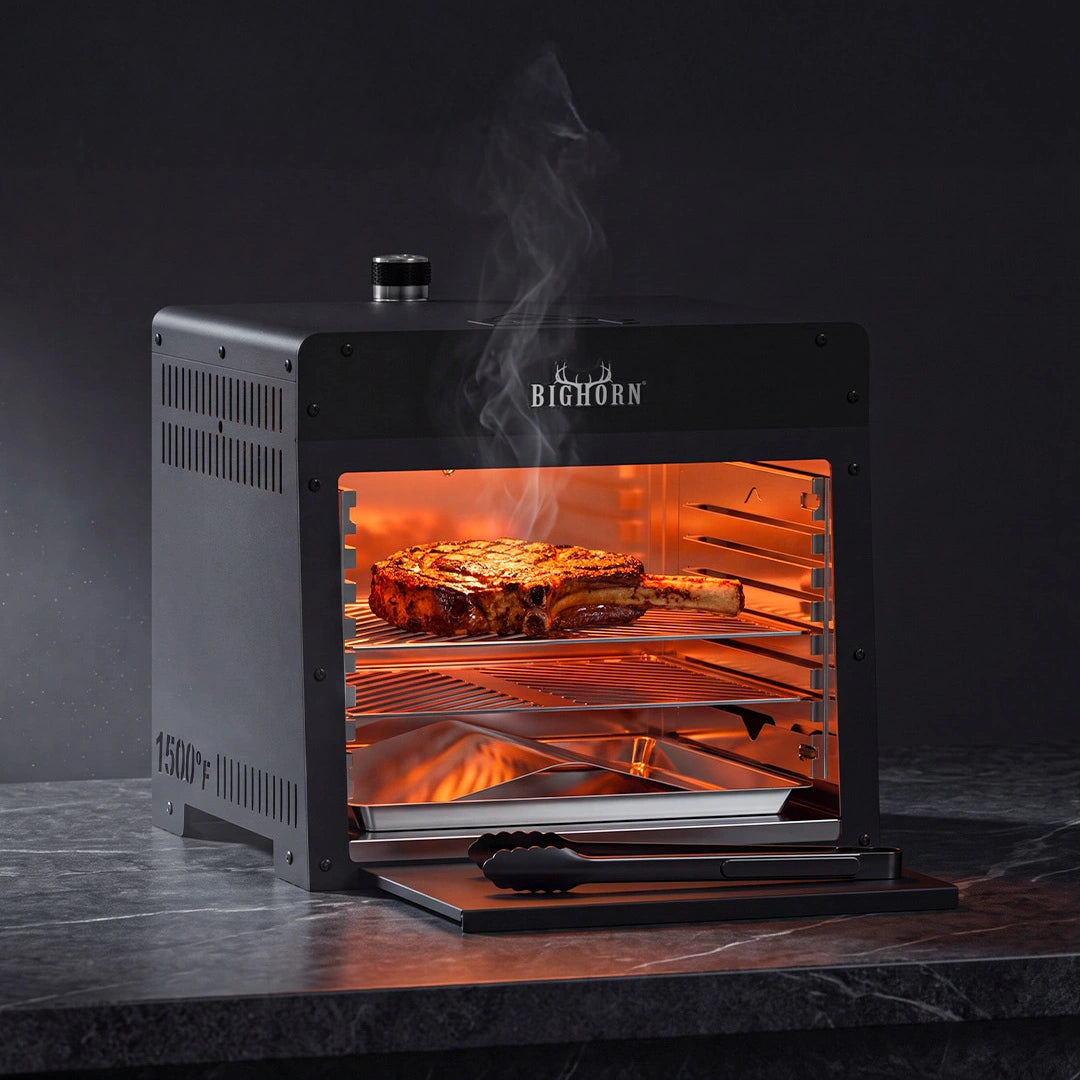
While butane can reach high heat, it is not optimized for searing thick steaks or high-temperature pizza baking, which benefit from infrared or multi-fuel systems. For most camp cooks who prioritize simplicity and portability, a butane stove handles the majority of everyday meals with ease.
Conclusion
A butane camping stove is the smart choice for warm-weather car camping, RV trips, and emergency cooking when you value compact size, clean burning, and effortless setup. It shines above 40°F with instant ignition and precise simmer control, but it loses performance in cold weather and at altitude compared to propane. Prioritize models with 7,000–10,000 BTU, EN417 canister compatibility, wind protection, and safety shutoffs. Use it for one-pot meals, boiling water, and quick dinners on patios or campsites, and always follow ventilation and storage guidelines to ensure safe operation.
FAQs
Can I use a butane camping stove indoors?
Only in well-ventilated areas with open windows or strong airflow, and never in sealed rooms. Always keep a working carbon monoxide detector nearby and follow the manufacturer's safety instructions.
How long does a standard butane canister last?
A typical 8-ounce butane canister provides 1.5 to 2 hours of continuous cooking on medium heat, depending on the stove's BTU output and ambient temperature.
Why does my butane stove struggle in cold weather?
Butane's boiling point is 31°F, so it stops vaporizing efficiently as temperatures approach freezing, leading to weak flames and long boil times.
Are butane canisters interchangeable between brands?
Most stoves accept standard EN417 flat-top canisters, but some budget models only work with proprietary brands. Always check compatibility before purchasing fuel.
How do I know if my butane canister is leaking?
Apply a soapy-water solution around the connection and look for bubbles. If you smell gas or see bubbles, turn off the valve, disconnect the canister, and move to a well-ventilated area immediately.