The best camping grill depends on your fuel preference, cooking style, and portability needs. For fast, high-heat searing, a portable infrared steak grill excels; for versatile camp cooking, a two-burner propane or folding butane stove is ideal; and for traditional smoky flavor, a compact charcoal or Santa Maria-style grill delivers. Big Horn Outdoors offers multiple models that cover these use cases with durable, high-heat designs suited to patios, campsites, and RV travel.
What Types of Camping Grills Are Available and How Do They Differ?
Camping grills fall into four main categories: portable infrared steak grills, propane/butane camping stoves, charcoal grills, and Santa Maria-style adjustable grills. Each uses different fuel and heat delivery, affecting preheat time, cooking capacity, flavor, and portability.
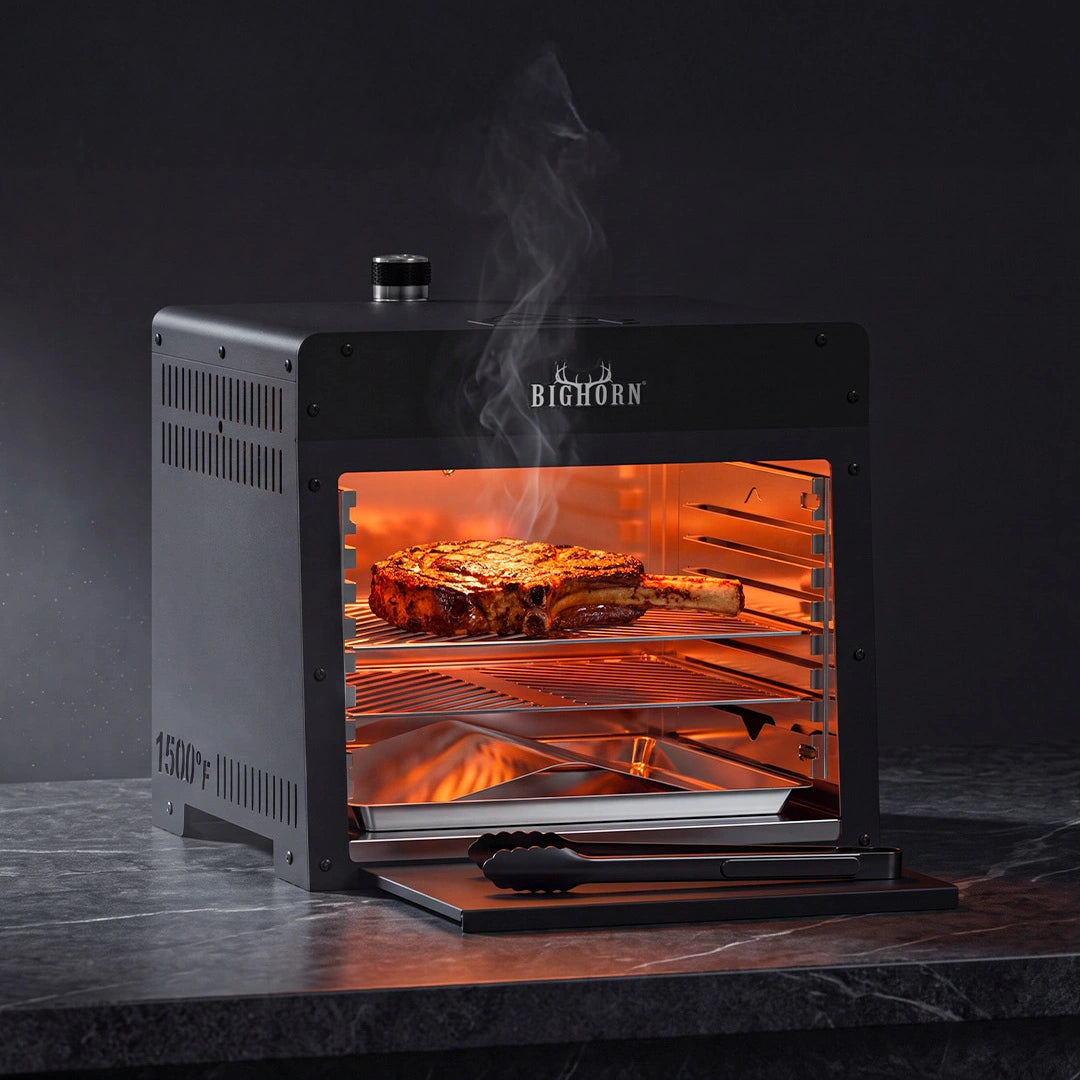
Portable infrared steak grills use an overhead infrared burner to reach very high temperatures (up to 1,500°F) for fast searing of steaks, burgers, and pizza. They are typically stainless steel, propane-powered, and designed for outdoor use only. Big Horn Outdoors offers 9-inch, 16-inch, and 21.2-inch infrared models that preheat in about 3–5 minutes and can cook multiple steaks or burgers at once.
Propane and butane camping stoves provide one or two burners for boiling, simmering, and pan-frying. Two-burner models deliver high BTUs per burner and are favored for group cooking and RV camping. Folding butane stoves are lighter and more compact for backpacking or minimalist setups.
Charcoal grills use lump charcoal or briquettes to generate radiant heat and smoke flavor. Portable kettle or tabletop charcoal grills are common for camping because they are inexpensive and simple, though they require more setup time and ventilation.
Santa Maria-style grills are Argentine-inspired, wood- or charcoal-burning grills with an adjustable-height grate that allows precise control over heat intensity. They are prized for large cuts of meat and authentic Gaucho-style grilling but are heavier and less common for casual camping.
How Do You Choose the Right Camping Grill for Your Cooking Style and Space?
Select a camping grill by matching your fuel preference, typical dishes, group size, and available space. If you prioritize speed and high-heat searing for steaks or pizza, a portable infrared grill is ideal. For versatile camp meals, a two-burner propane stove or folding butane stove is better. If smoky flavor and traditional grilling matter most, choose charcoal or a Santa Maria-style grill.
Fuel preference drives the decision: propane offers convenience and consistent heat; butane is lighter but less powerful in cold weather; charcoal and wood provide smoke flavor but require more setup and ventilation. Cooking style matters too: high-heat searing favors infrared; multi-dish cooking favors two-burner stoves; slow smoking or large cuts favor charcoal or Santa Maria grills.
Group size determines capacity needs: one to two people can use a 9-inch infrared or single-burner stove; families or groups benefit from 16-inch infrared grills or two-burner stoves that can cook several items simultaneously. Space and portability are critical: for RVs and campsites with tables, a 16-inch infrared grill or two-burner propane stove works well. For backpacking or tight spaces, a folding butane stove or compact charcoal kettle is more practical.
What Are the Key Safety Considerations When Using a Camping Grill?
Camping grills must be used outdoors only, with proper ventilation, stable placement, and safe fuel handling. Infrared grills and propane stoves generate intense heat and should never be used indoors or in enclosed spaces due to carbon monoxide risk and fire hazard.
Outdoor use only is non-negotiable: propane infrared grills and camping stoves are certified for outdoor use only. Never operate them in tents, RV interiors, or garages. Stable placement is essential: place grills on a flat, non-flammable surface away from overhangs, dry grass, and gear. Use the grill's handle and front panel to avoid burns and protect surfaces.
Fuel safety requires attention: connect propane tanks securely, check for leaks, and keep spare tanks upright and away from heat. For butane stoves, ensure the canister is properly seated and not exposed to direct sunlight. Preheat and burn-in are important: new infrared grills should be burned in for 20–30 minutes on high to remove manufacturing oils before first cooking. Always allow the grill to preheat fully for consistent results.
How Do You Set Up and Maintain a Portable Infrared Steak Grill for Camping?
Setting up a portable infrared steak grill involves assembling the frame, attaching the grate, connecting the propane tank, and performing a burn-in. Maintenance includes cleaning the grate and drip tray, checking the igniter battery, and storing the unit dry.
Assembly typically involves unfolding legs, attaching the stainless steel grate, and securing the handle. Most 16-inch infrared grills come with folding legs and a handle for portability. Assemble on a flat surface, ensuring all bolts are tight. Fuel connection requires attaching a standard US propane tank to the regulator, checking for leaks with soapy water, and ensuring the valve is closed before lighting.
Burn-in and preheat are critical first steps: run the grill on high for 20–30 minutes before first use to remove oils. For regular cooking, preheat for 3–5 minutes until the infrared burner reaches approximately 1,500°F. Cleaning involves removing the grate and drip tray after cooling. Stainless steel grates can be wiped or brushed; some models are dishwasher-safe. Wipe the interior and exterior with a damp cloth and store in a dry place.
What Cooking Capacity and Heat Management Options Do Camping Grills Offer?
Camping grills vary in cooking capacity and heat control based on size, burner power, and grate design. Portable infrared grills typically cook 2–3 steaks or 4 burgers at once, with adjustable grate heights for precise heat management. Two-burner propane stoves offer independent burner control for simultaneous tasks.
Infrared grills provide focused, high-heat cooking: a 16-inch model can cook up to 3 steaks or 4 burgers simultaneously. The grate often has multiple adjustable height positions to fine-tune heat intensity for different foods. Propane stoves offer versatile cooking: two-burner models allow boiling water on one burner while frying on the other. Folding butane stoves are best for single-pot cooking.
Charcoal and Santa Maria grills manage heat differently: heat is controlled by adjusting the charcoal bed or grate height. Santa Maria grills feature a crank or lever to raise or lower the grate over the firebox for precise control. This makes them ideal for large cuts of meat that require gradual, even cooking.
Big Horn Outdoors Expert Views
"At Big Horn Outdoors, we design our portable infrared grills to deliver restaurant-quality searing in minutes, with temperatures up to 1,500°F and preheat times of 3–5 minutes. Our 16-inch model uses a high-BTU infrared burner and an adjustable grate to give you precise control over heat for steaks, burgers, seafood, and vegetables. We emphasize stainless steel construction for durability and rust resistance, and we include safety features like a front panel to protect surfaces and a sturdy handle for safe grate removal. For camping, we recommend using our grills outdoors only, on a stable, non-flammable surface, and performing a burn-in before first use. Whether you're at a campsite, RV park, or backyard, our goal is to make high-heat cooking approachable, efficient, and safe."
How Do Fuel Choices Affect Performance, Portability, and Cost for Camping Grills?
Fuel choice directly impacts heat output, convenience, weight, and ongoing cost. Propane provides high, consistent BTUs and is widely available at campsites and gas stations, making it ideal for infrared grills and two-burner stoves. Butane is lighter and more compact but less effective in cold weather and often more expensive per BTU. Charcoal and wood are inexpensive and add smoke flavor but require more setup time and ventilation.
Propane is best for high-heat searing and multi-burner stoves. Tanks are reusable and widely available. It is slightly heavier than butane but more powerful. Butane is ideal for lightweight, single-burner stoves. Canisters are compact but not as powerful in cold conditions. Charcoal and wood offer low cost and smoky flavor, but slower preheat and more cleanup. They require proper ventilation and fire safety.
What Are the Best Practices for Cooking Pizza, Steak, and Other Foods on a Camping Grill?
Cooking pizza, steak, and other foods on a camping grill requires preheating, proper placement, and timing based on food thickness and desired doneness. Infrared grills excel at fast searing, while stoves and charcoal grills are better for slower cooking or multi-dish meals.
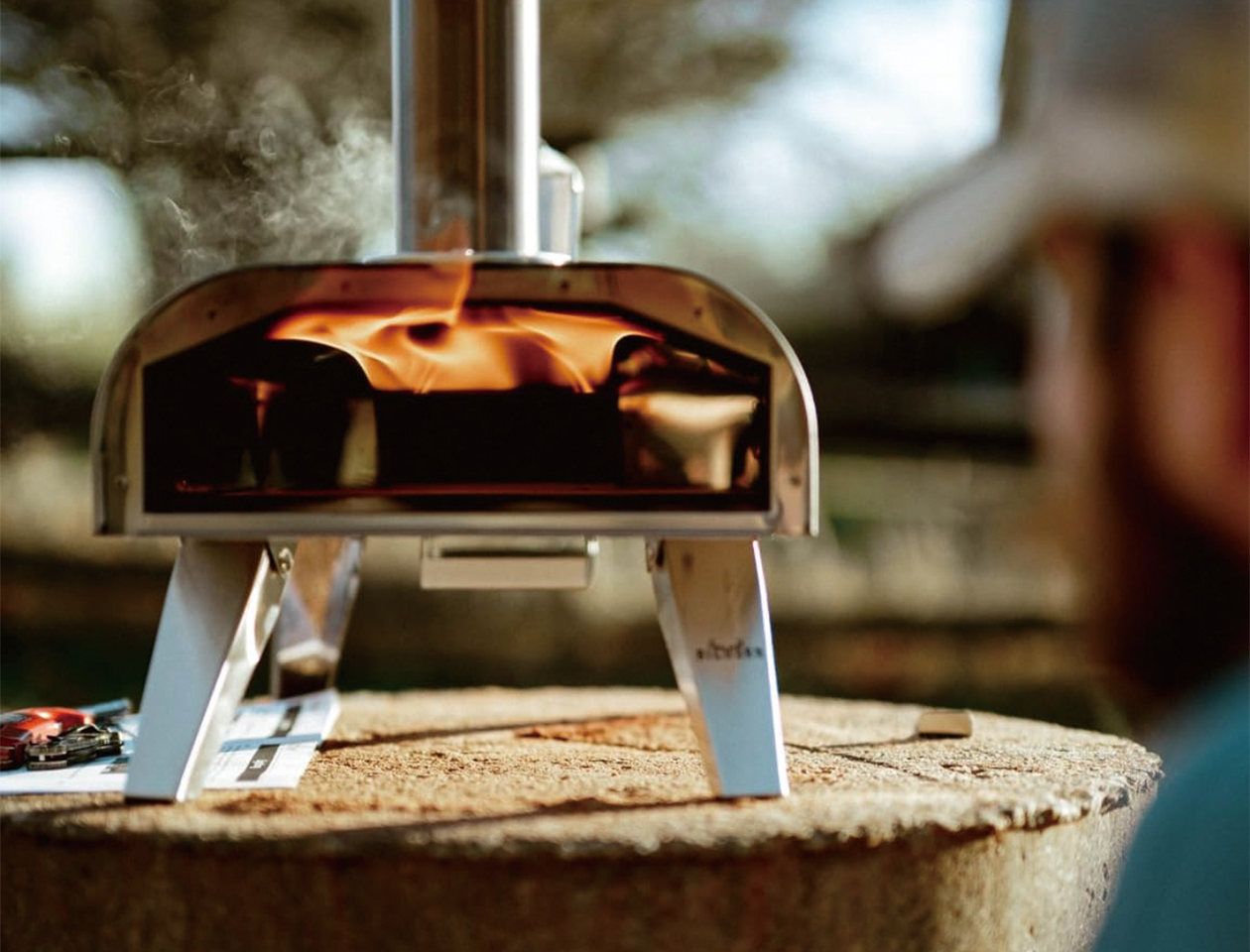
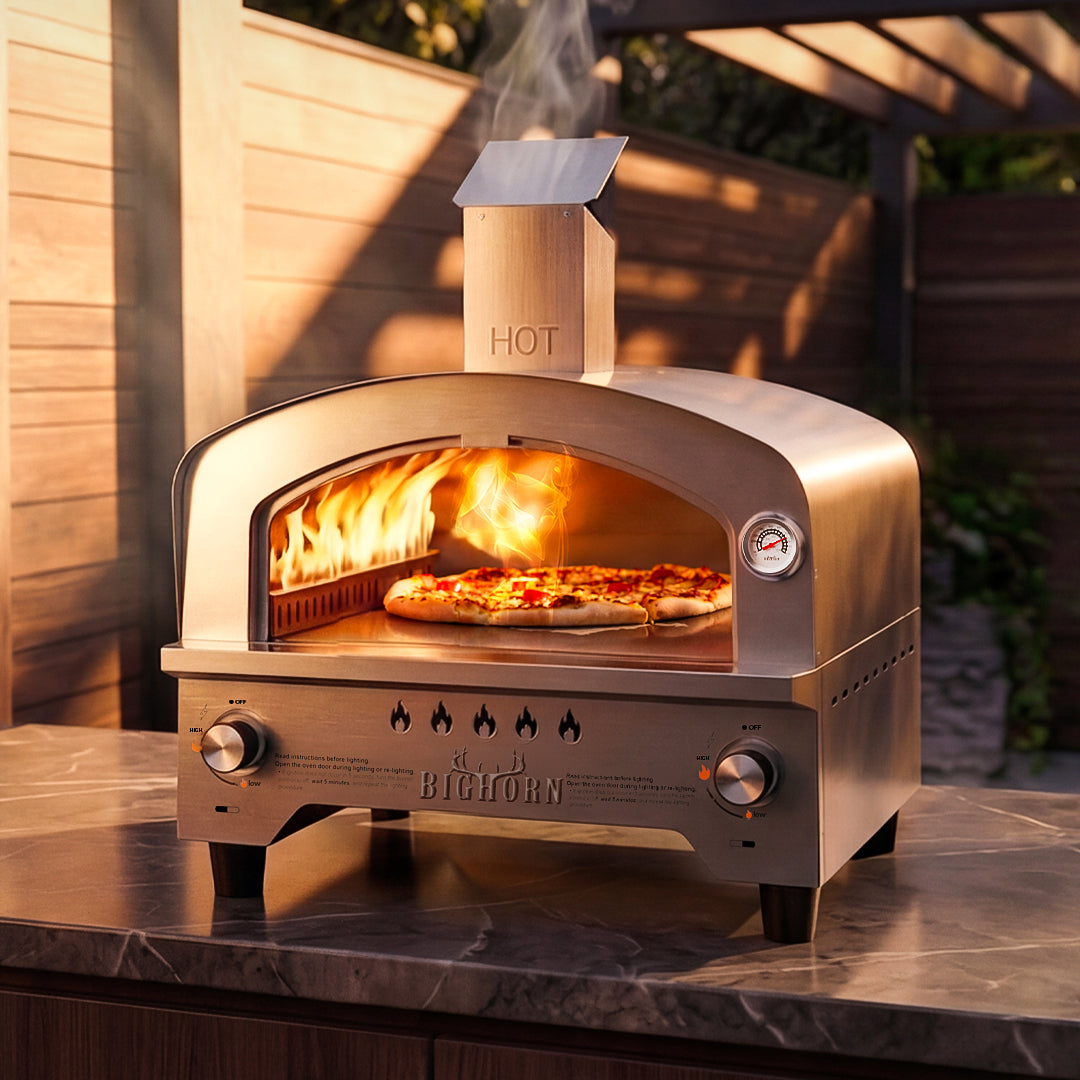
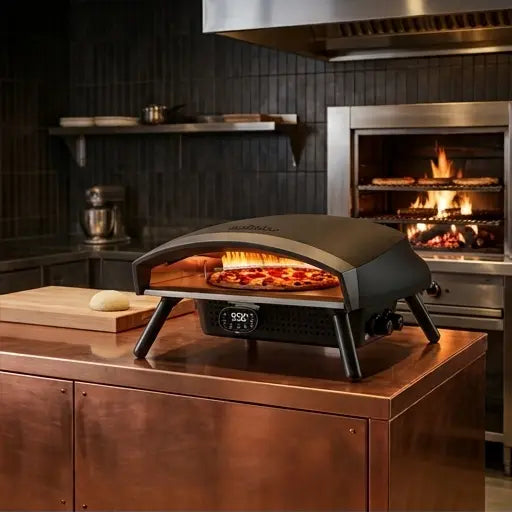
Pizza cooking on an infrared grill requires a pizza stone, often included. Preheat the stone for 3–5 minutes, then cook pizza for 60–90 seconds at high heat for a crisp crust. Steak cooking benefits from the intense heat: for a 1-inch steak, cook 1 minute per side at 1,500°F for medium-rare. Adjust time based on thickness and desired doneness. Use the adjustable grate to control heat.
Burgers and vegetables cook well on infrared grills: cook burgers 2–3 minutes per side; vegetables 3–5 minutes, turning occasionally. Use the grate's height positions to avoid burning. Multi-dish meals are best on a two-burner stove: boil water on one burner while frying or sautéing on the other. Use wind shields for stability in breezy conditions.
Conclusion
The best camping grill aligns with your fuel preference, cooking style, and portability needs. For fast, high-heat searing, a portable infrared steak grill delivers restaurant-quality results in minutes. For versatile camp cooking, a two-burner propane stove or folding butane stove offers flexibility and power. For traditional smoky flavor, choose charcoal or a Santa Maria-style grill. Prioritize outdoor use, stable placement, and proper fuel handling for safety. Big Horn Outdoors provides durable, high-heat options for every outdoor cooking scenario.
FAQs
Can I use a propane infrared grill indoors?
No. Propane infrared grills are certified for outdoor use only due to carbon monoxide risk and intense heat. Never use them in tents, RV interiors, or garages.
How long does it take to preheat a portable infrared grill?
Most portable infrared grills preheat in 3–5 minutes to reach approximately 1,500°F. New units should be burned in for 20–30 minutes before first use.
What is the cooking capacity of a 16-inch infrared grill?
A 16-inch infrared grill can cook up to 3 steaks or 4 burgers simultaneously, with an adjustable grate for precise heat control.
Are folding butane stoves suitable for cold-weather camping?
Folding butane stoves are less effective in cold weather because butane vapor pressure drops in low temperatures. Propane stoves are more reliable for cold-weather camping.
Do I need special accessories for cooking pizza on an infrared grill?
Most infrared grills include a pizza stone. For best results, preheat the stone for 3–5 minutes and cook pizza for 60–90 seconds at high heat.