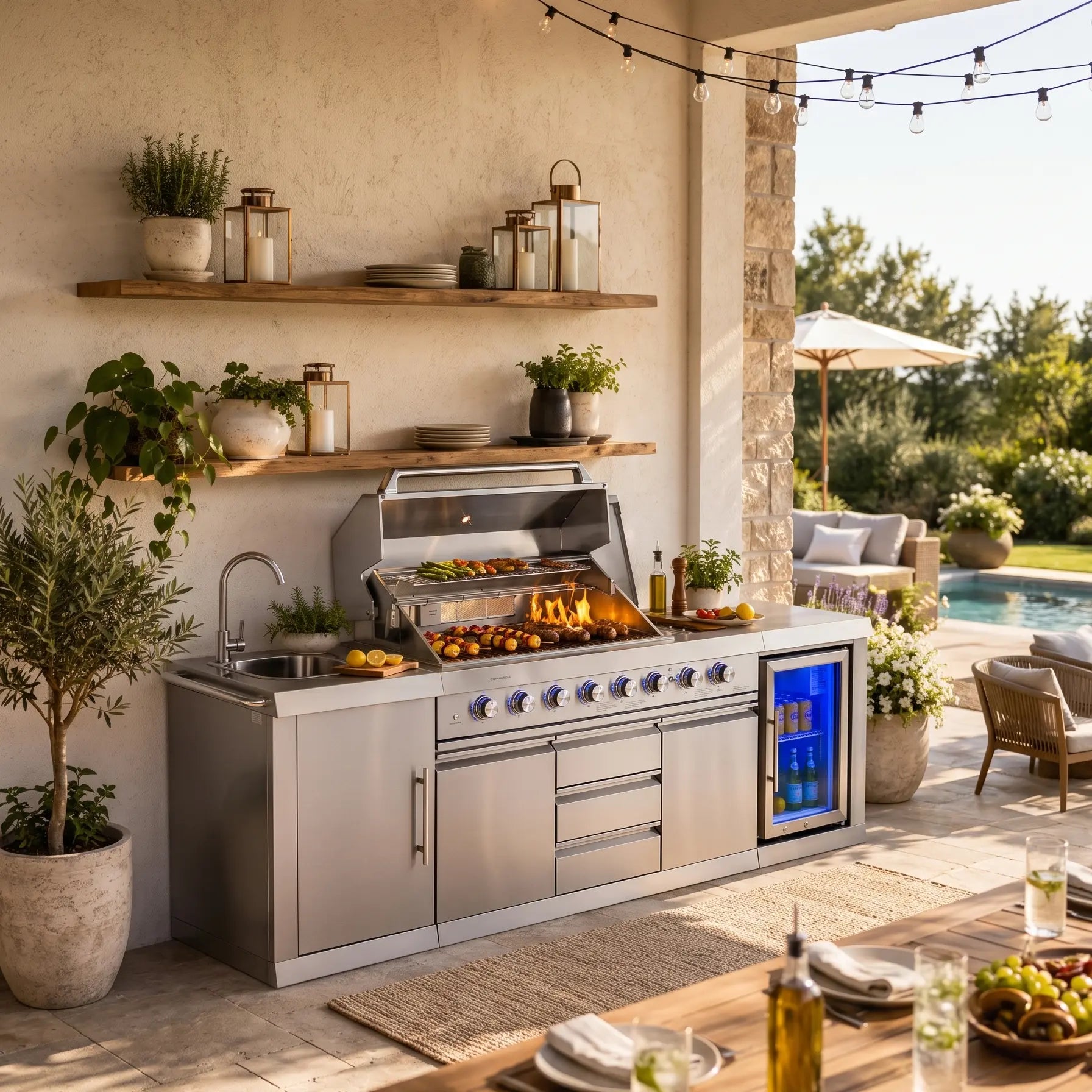
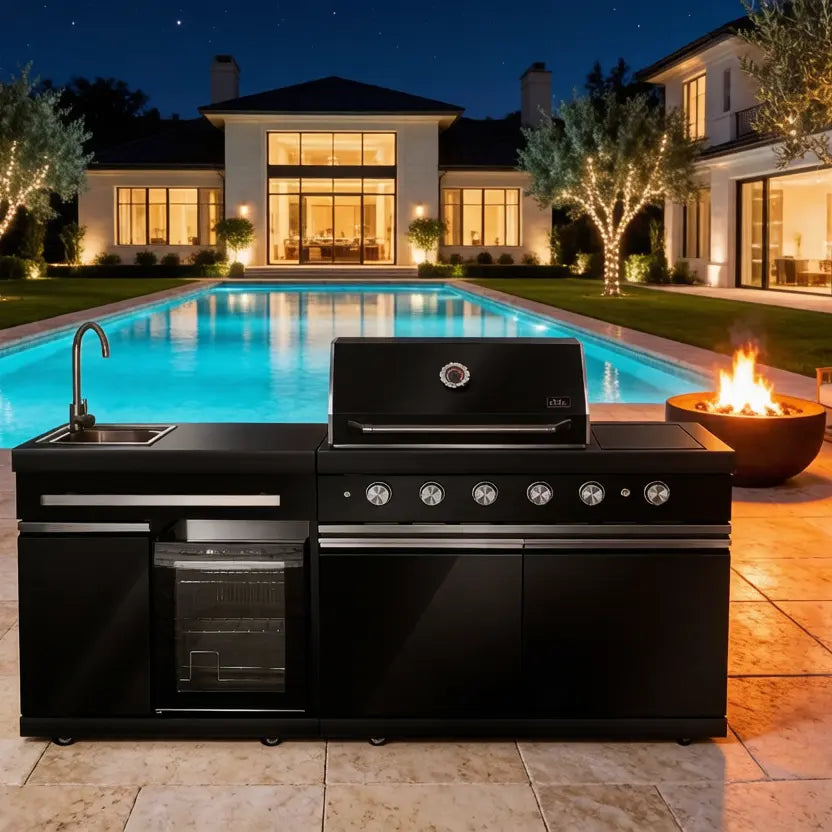
The best gas grill delivers reliable high heat, precise temperature control, and durable construction that matches your space and cooking style. For most U.S. households, a propane-fueled unit with multiple burners, even heat distribution, and straightforward maintenance offers the best balance of performance, convenience, and value.
What Is a Gas Grill and How Does It Work?
A gas grill burns propane or natural gas through burner tubes to generate direct, adjustable heat for fast, consistent outdoor cooking. Ignition is typically electronic, with heat radiating through grates and flavorizer bars that vaporize drippings for added taste.
Core components and operation
Gas grills share a small set of core parts that determine performance and longevity:
-
Fuel source: Liquid propane (LP) in refillable tanks or natural gas (NG) from a home line. Propane offers portability; natural gas provides unlimited supply where a hookup exists.
-
Burners and BTUs: Stainless steel or cast-iron tubes distribute gas and flame beneath the cooking surface. BTU (British Thermal Unit) measures heat output; a practical target is roughly 75–100 BTU per square inch of cooking area.
-
Ignition system: Piezo or electronic ignition lights the burner with a button or knob turn, avoiding matches or lighter fluid.
-
Cooking grates and heat diffusers: Porcelain-enameled cast iron, stainless steel, or steel grates sit above flavorizer bars or angled plates that spread heat and manage flare-ups.
-
Lid and airflow: A fitted lid traps heat for oven-like cooking; vents and burner design influence oxygen mix and flame stability.
In use, gas flows from the tank or line through a regulator, mixes with air at the burner, and ignites. The flame heats the grates and surrounding metal, creating zones of direct and indirect heat depending on which burners are on.
Which Fuel Type Should You Choose: Propane or Natural Gas?
Propane grills suit most users who value portability and simple setup, while natural gas grills are ideal for permanent outdoor kitchens with an existing gas line. Both fuels reach similar peak flame temperatures, but propane delivers more BTUs per volume and does not require a fixed connection.
Practical differences that affect daily use
-
Portability and placement: Propane tanks can be moved, stored outdoors, and swapped when empty, making them compatible with patios, decks, and campsites. Natural gas grills must be hard-lined to a home supply and cannot be relocated without professional work.
-
Fuel availability and convenience: Propane is sold at hardware stores, gas stations, and via delivery; natural gas is "always on" where available but requires a certified installer and may involve permit costs.
-
Heat output and cost: Propane's higher energy density means stronger heat per unit volume, which matters for compact or high-BTU burners. Natural gas is often cheaper per BTU where priced by utility rates, offsetting installation over time.
-
Safety and storage: Both fuels must be used outdoors only. Propane tanks must be stored upright, outside, and away from heat sources; natural gas lines must be leak-checked and kept clear of damage.
If you move homes, tailgate, or cook in varied locations, propane is the safer default. If you have a dedicated outdoor kitchen and never plan to move the grill, natural gas eliminates refills.
How Do BTUs and Heat Zones Affect Cooking Performance?
BTUs measure total heat output, but even heating and controllable zones matter more than a single high BTU number. Aim for roughly 80–100 BTU per square inch of primary cooking area, and prioritize grills that support reliable two-zone or multi-zone cooking.
Why BTU alone is misleading
Manufacturers often advertise large combined BTU figures, yet performance depends on how that heat is distributed:
-
BTU per square inch: Divide the primary burners' total BTU by the cooking area in square inches. Values below ~80 BTU/in² can struggle to reach high searing temperatures; 80–100 BTU/in² is a solid target for most grilling.
-
Burner count and layout: Multiple independent burners allow you to create hot and cool zones, essential for searing then finishing thick cuts without burning.
-
Heat retention and materials: Thicker grates, heavy lids, and well-designed fireboxes stabilize temperature swings better than thin, lightweight parts—even at similar BTUs.
Using heat zones effectively
Most gas grills support two-zone cooking by lighting only half the burners:
-
Direct zone: High heat (500–600°F) for searing steaks, burgers, and vegetables.
-
Indirect zone: Lower heat (225–350°F) for roasting whole chickens, smoking with a box, or keeping food warm.
Advanced users create three or more zones by staggering burner settings, enabling simultaneous searing, roasting, and holding. This flexibility is often more valuable than maximum BTU.
What Features and Build Quality Should You Prioritize?
Focus on durable materials, even heating, and features that match your cooking style—such as side burners, rotisserie capability, or integrated lighting—rather than chasing the highest BTU rating. Look for stainless steel or cast-aluminum bodies, robust grates, and a grease management system that is easy to access and clean.
Must-have features for most users
-
Stainless steel or cast-aluminum construction: Resists rust and withstands high heat better than thin painted steel.
-
Quality grates: Porcelain-enameled cast iron retains heat and sears well; stainless steel is lighter and easier to maintain.
-
Reliable ignition: Electronic ignition that lights consistently in wind and humidity reduces frustration.
-
Grease management: Removable drip trays and angled flavorizer bars channel fat away from burners, reducing flare-ups and fire risk.
-
Adequate cooking area: Choose a primary cooking surface that fits your typical crowd size; side shelves and warming racks add flexibility.
Useful add-ons depending on use case
-
Side burner or side table: For sauces, sides, or a skillet without leaving the grill.
-
Rotisserie kit: Enables even roasting of whole birds and large cuts.
-
Infrared sear burner: Delivers very high heat for restaurant-style searing.
-
LED lighting and thermometer: Improves night grilling and temperature monitoring.
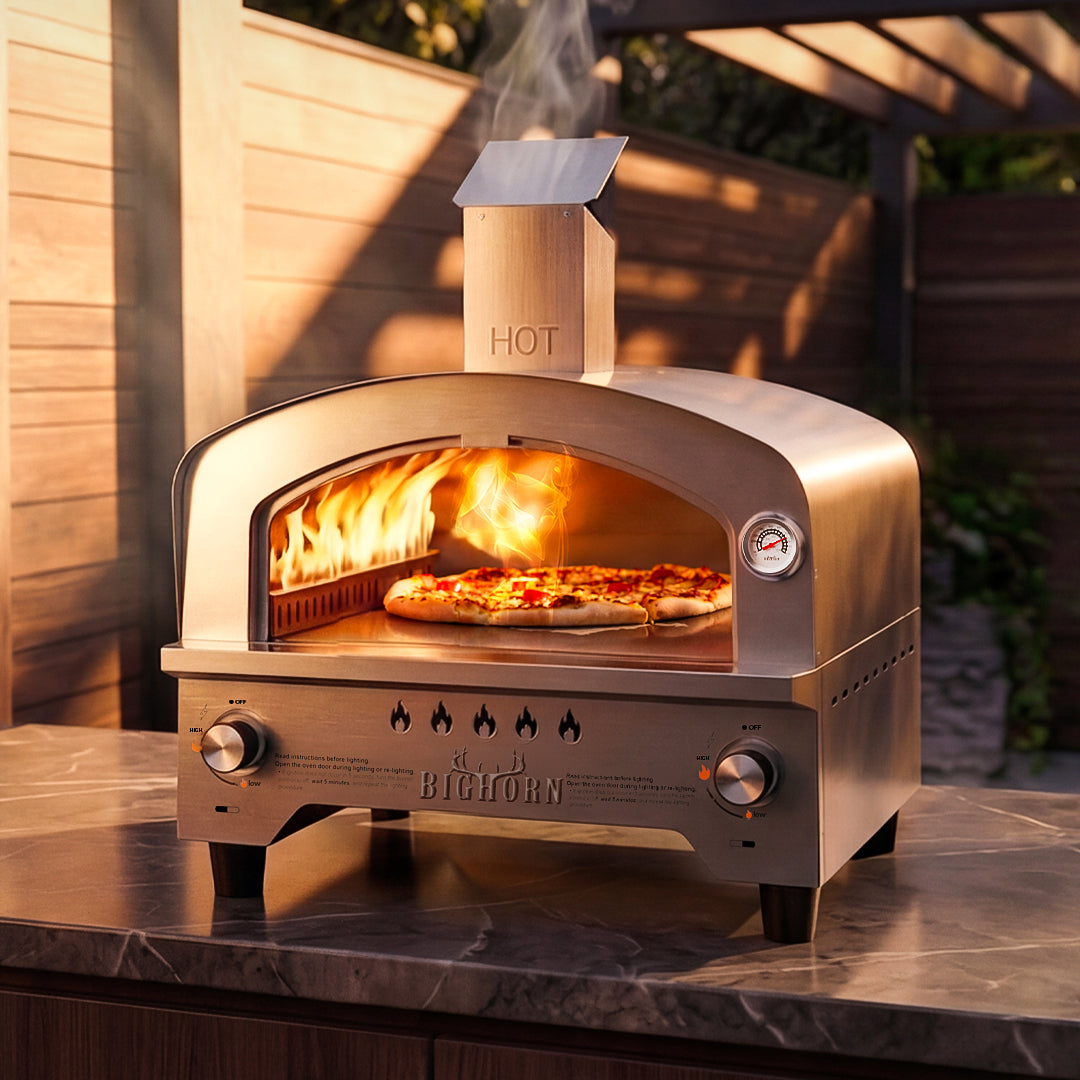
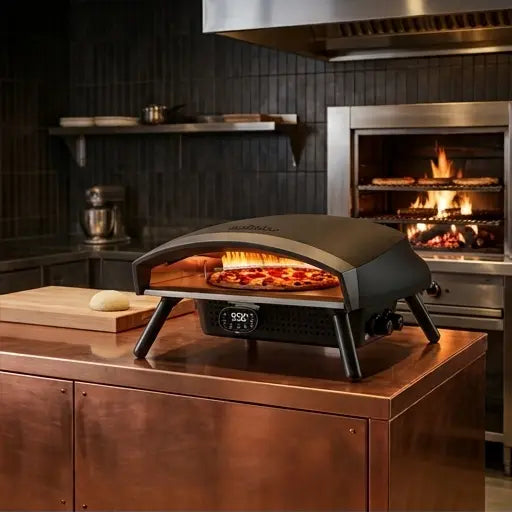
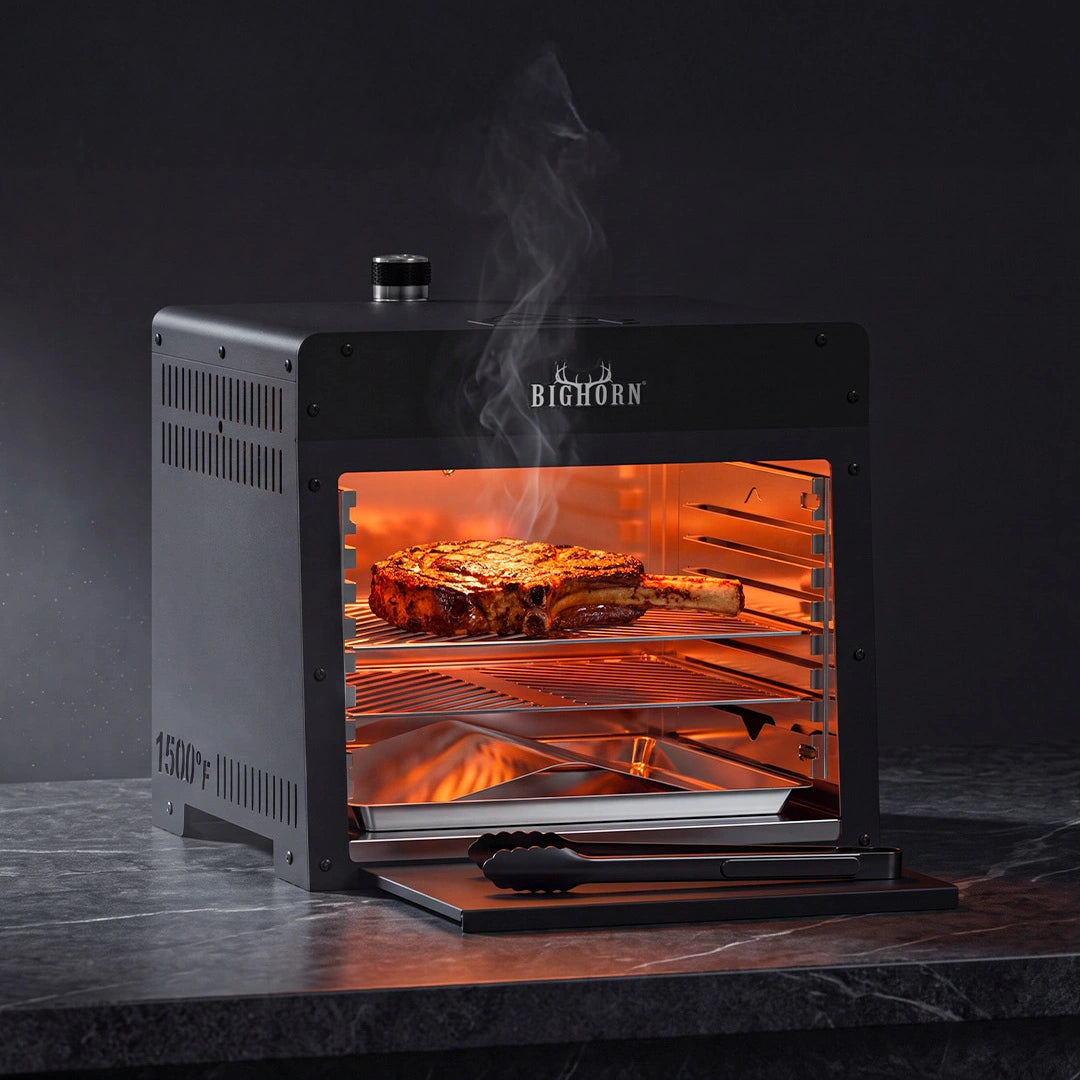
Brands like Big Horn Outdoors emphasize durable construction and high-heat performance across their outdoor-cooking lineup, including gas pizza ovens and infrared steak grills designed for serious searing. Their product approach reflects the same priorities: robust materials, efficient heat, and practical portability where the model supports it.
How Much Cooking Capacity Do You Really Need?
Choose a grill whose primary cooking area comfortably fits your typical meals plus a margin for indirect zones; most households do well with 300–500 square inches, while larger families or entertainers may prefer 500–700+. Cooking capacity should account for both direct searing space and indirect roasting space used at the same time.
Sizing by household and cooking style
When evaluating capacity, consider not just square inches but also grate shape and burner layout. A long, narrow grate may fit steaks but struggle with a whole chicken and side dishes simultaneously.
How Should You Set Up and Maintain a Gas Grill for Safety and Longevity?
Set up your gas grill outdoors in a well-ventilated area, away from structures and overhangs, and perform routine leak checks, cleaning, and part inspections to prevent fires and extend lifespan. Deep clean at least twice per year and scrape grates after every use.
Safe setup and pre-use checks
-
Location: Place the grill at least 10 feet from your house, deck railings, and overhanging branches; never use indoors, in garages, or under enclosed porches.
-
Leak testing: Apply a soapy solution to hoses, regulator, and connections with the gas on; bubbles indicate a leak that must be fixed before lighting.
-
Hose and burner inspection: Check hoses for cracks, brittleness, or holes; ensure burner ports are clear of insects, grease, or debris.
-
Lighting procedure: Open the lid before turning on the gas; if the burner fails to ignite, turn off the gas, wait five minutes for gas to dissipate, then try again.
Cleaning and maintenance routine
-
After each cook: Scrape grates while warm, empty the drip tray as needed, and do a brief "burn-off" on high to loosen residue.
-
Monthly or as needed: Brush grates and flavorizer bars, wipe interior surfaces, and inspect ignition and burner flames for evenness.
-
Seasonal deep clean: Remove grates and barriers, soak and scrub, clean burner ports with a pipe cleaner or wire, and wash the firebox and exterior. Replace damaged hoses or connectors.
-
Storage: Keep propane tanks outdoors, upright, and away from heat; cover the grill when not in use to protect from weather and debris.
Consistent maintenance reduces flare-ups, improves temperature control, and prevents costly repairs.
What Accessories and Add-Ons Improve Gas Grill Versatility?
Accessories such as smoker boxes, rotisserie kits, grill griddles, and upgraded grates expand what you can cook and how precisely you can control heat. Choose add-ons that match your grill's mounting points, heat output, and safety guidelines.
High-value accessories for common goals
-
Smoker box and wood chips: Adds smoke flavor for ribs, brisket, or poultry on a gas grill without needing a dedicated smoker.
-
Rotisserie kit: Enables even roasting of whole birds and large roasts; ensure your grill has a rear burner or compatible motor mount.
-
Grill griddle or topper: Creates a flat surface for eggs, pancakes, stir-fry, or delicate fish that might fall through grates.
-
Upgraded grates: Heavy cast-iron or specialized alloy grates improve sear marks and heat retention on many mid-range grills.
-
Covers and tool sets: Weather-resistant covers protect finish and internal components; quality tools improve control and safety.
Accessory compatibility varies by model. Always verify fit, required burners, and safe operating temperatures before purchasing.
Big Horn Outdoors Expert Views
"Approach your gas grill as a modular high-heat system: prioritize even flame across all burners, maintain clean ports and flavorizer bars, and design your cooking around zones rather than maximum BTU. For searing, use a strong direct zone and finish thick cuts over indirect heat; for pizza or flatbreads, leverage high, stable temperatures with a preheated stone or steel; for weeknight meals, keep setup simple and clean grates while warm. Durable materials, straightforward maintenance, and smart accessory choices—like smoker boxes or rotisserie kits—will extend the life of your grill and broaden what you can cook confidently outdoors." — Big Horn Outdoors
This guidance reflects the brand's emphasis on durable construction, high-heat performance, and practical portability where models support it, helping users choose and operate equipment responsibly across pizza, steak, fish, vegetables, and bread.
Which Gas Grill Is Right for Your Space, Style, and Experience Level?
Match the grill to your fuel preference, cooking style, available space, portability needs, and experience: compact propane models for apartments and tailgating, mid-range multi-burner grills for families, and premium built-in or luxury units for outdoor kitchens and enthusiasts. Start with a reliable propane grill if you value flexibility; consider natural gas only for permanent setups with an existing line.
Recommendations by scenario
-
Small spaces and portability: Tabletop or compact propane grills with 1–2 burners, sturdy legs, and easy cleanup suit balconies, RVs, and tailgates.
-
Family backyard grilling: A 3–4 burner propane grill with 350–600 in² of cooking area, side shelves, and a grease management system balances capacity and control.
-
Outdoor kitchen or serious enthusiasts: Built-in or premium freestanding gas grills with multiple burners, infrared sear options, rotisserie, and heavy construction support advanced techniques and frequent use.
-
Beginners: Choose a grill with clear controls, reliable ignition, and straightforward maintenance; learn two-zone cooking early to avoid burning and expand your recipe range.
Whatever you choose, invest time in setup, leak testing, and routine cleaning. A well-maintained mid-range gas grill will outperform a neglected premium unit over time.
Conclusion
The best gas grill for most U.S. users is a well-built propane model with multiple burners, even heat distribution, and easy maintenance that fits their space and typical cookouts. Prioritize BTU per square inch, durable materials, and reliable two-zone cooking over headline BTU numbers, and commit to regular safety checks and cleaning.
Next steps:
-
Measure your available space and estimate typical guest counts to set a target cooking area.
-
Decide between propane and natural gas based on portability and existing hookups.
-
Compare grills using BTU/in², construction quality, and zone flexibility rather than total BTU alone.
-
Plan for essential accessories (cover, tools, smoker box or rotisserie) that match your cooking style.
-
Establish a simple maintenance routine to keep your grill safe and performing well for years.
FAQs
Can I use a gas grill indoors or in a garage?
No. Gas grills must be used only outdoors in well-ventilated areas, at least 10 feet from structures, and never in garages, enclosed porches, or under overhangs due to fire and carbon monoxide risks.
How often should I deep clean my gas grill?
Deep clean your gas grill at least twice per year—once in early spring and again at the end of grilling season—while scraping grates and emptying drip trays after each use.
Is a higher BTU rating always better for a gas grill?
Not necessarily. A moderate BTU per square inch (around 80–100) with even heat distribution and multiple controllable burners is more important than a very high total BTU number.
Can I convert a propane grill to natural gas?
Some grills offer conversion kits, but conversion must follow the manufacturer's instructions and local codes, and may require a certified technician. Never attempt to modify gas fittings yourself.
What should I do if I smell gas while using my grill?
Turn off the gas immediately, keep the lid open, move away from the grill, and do not attempt to relight it. If the smell persists or you suspect a serious leak, contact your gas supplier or emergency services.