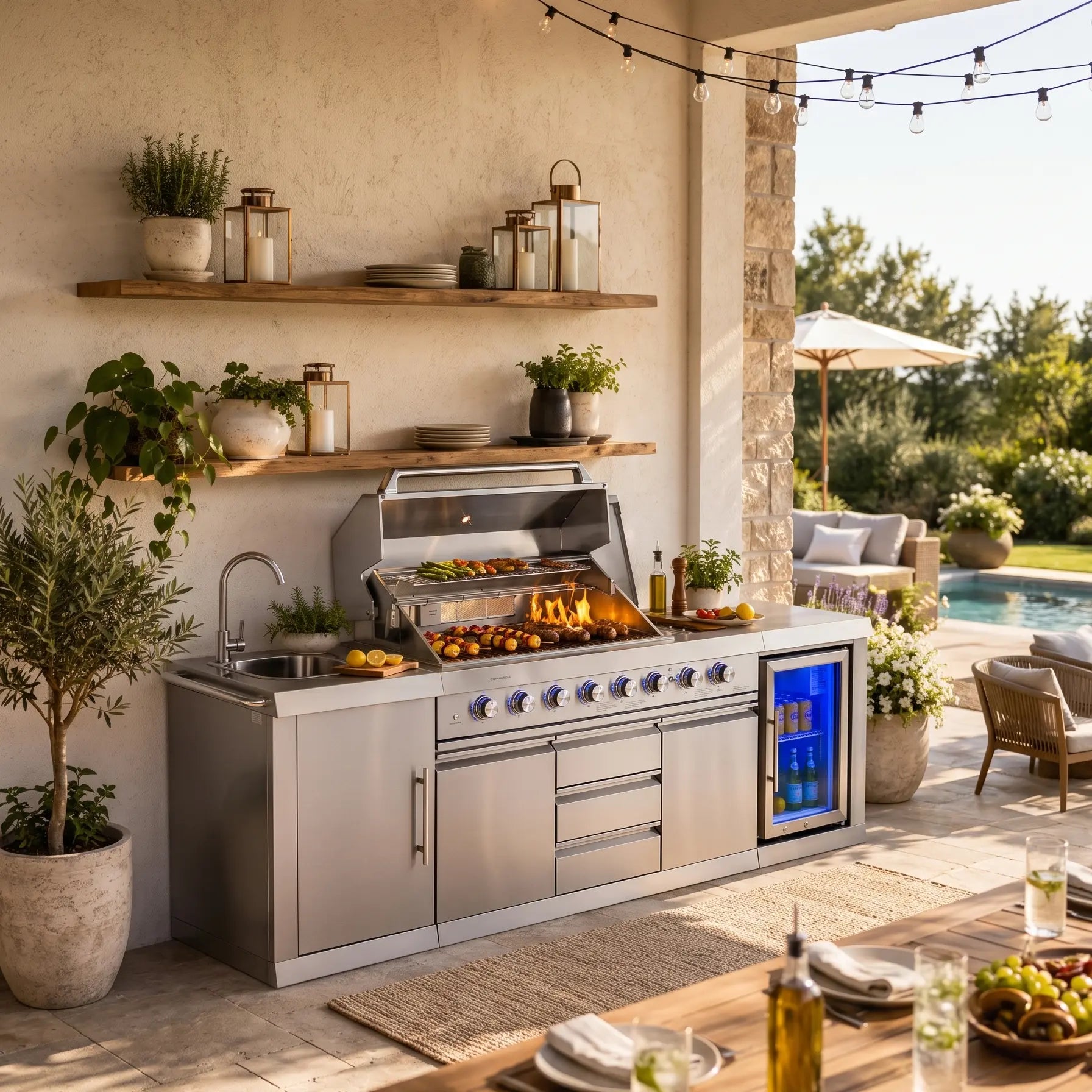
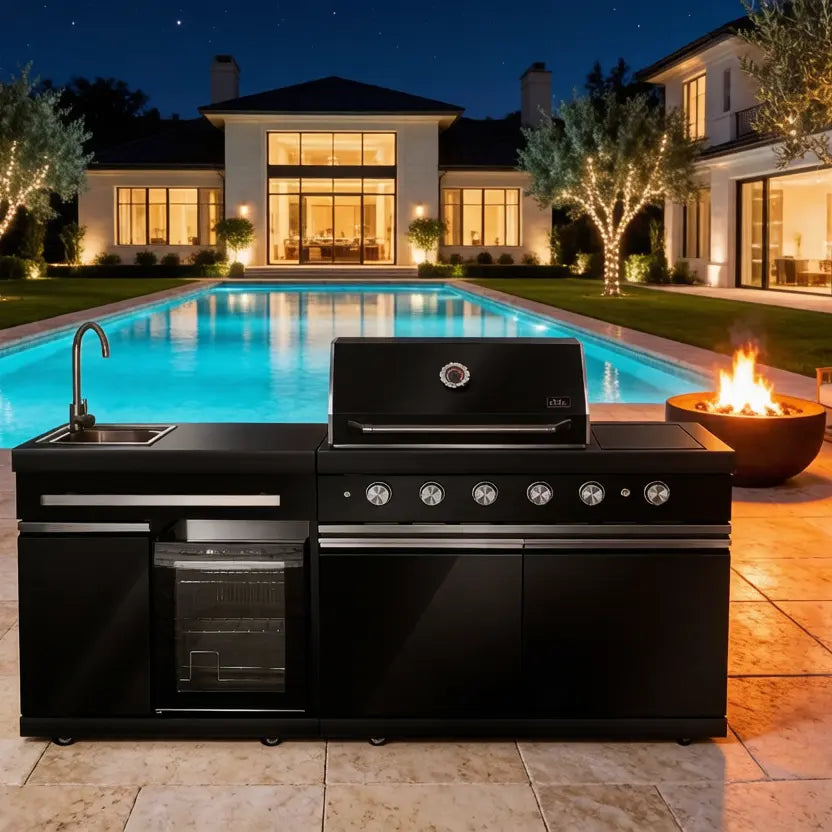
The best gas grill delivers even heat, reliable ignition, durable construction, and enough cooking area for your typical meals without overspending on unused features. For most U.S. households, a two- to three-burner propane grill with 80–100 BTU per square inch, stainless or cast-iron grates, and a tight-sealing lid offers the best balance of performance, convenience, and long-term value.
What Is a Gas Grill and How Does It Work?
A gas grill is an outdoor cooker that burns propane or natural gas through perforated burners to heat a cooking surface, with flame tamers spreading heat and reducing flare-ups.
Gas grills use a fuel source—typically a portable 20-pound propane tank or a fixed natural-gas line—fed through a regulator to control pressure. When you turn a control knob and press an igniter, gas flows to the burner and lights. Flames rise beneath metal heat shields or ceramic briquettes that vaporize drippings and distribute heat more evenly across cast-iron, stainless-steel, or porcelain-enameled grates. A lid traps heat for convection cooking, while vents and burner controls let you manage temperature and create direct- and indirect-heat zones. Big Horn Outdoors designs its gas-fired products around this same principle: clean, controllable high heat for steaks, vegetables, and pizza-style cooking in outdoor settings.
Which Fuel Type Should You Choose: Propane or Natural Gas?
Propane grills offer portability and higher energy density; natural gas grills provide unlimited fuel and lower ongoing cost if you have a home gas line.
-
Propane (LP): Delivers roughly 2,500 BTU per cubic foot, works anywhere you can place a tank, and is ideal for tailgating, camping, and renters. Tanks must be refilled or exchanged, and you manage fuel levels yourself.
-
Natural gas (NG): Supplies about 1,000 BTU per cubic foot but connects directly to your home line, so you never run out mid-cook. Installation requires a licensed professional and a dedicated outdoor gas line.
Performance-wise, both fuels can reach similar cooking temperatures when the grill is properly configured. The practical difference is convenience versus mobility. If you plan to move your grill between locations or don't have an outdoor gas stub, propane is the logical choice. If your grill will live permanently on a patio with an existing gas line, natural gas reduces long-term fuel cost and eliminates tank handling.
How Do BTU Ratings and Cooking Area Affect Real-World Performance?
BTU alone is misleading; the key metric is BTU per square inch of primary cooking area, with 80–100 BTU/in² considered strong performance.
A grill's total BTU rating describes maximum heat output, but a large grill with high total BTU can still cook slowly if its cooking surface is very large. To estimate true heating power:
BTU per in² = Total main-burner BTU ÷ Primary cooking area (in²)
For example, a 36,000-BTU grill with 450 in² of main cooking space yields 80 BTU/in², which is sufficient for fast searing and steady temperatures. Below 75 BTU/in², preheating and recovery after adding food can feel sluggish; well above 100 BTU/in², you gain very high heat but may sacrifice low-and-slow control unless the grill has good modulation and heat distribution.
When evaluating models, prioritize consistent heat and build quality over raw BTU numbers.
What Features and Accessories Improve Versatility and Control?
Useful features include multiple burners, side burners, infrared sear zones, rotisserie kits, smoker boxes, and quality grates and lids.
Core features that materially affect cooking:
-
Multiple independent burners: Allow you to create heat zones (hot, medium, off) for searing and gentle finishing.
-
Side burner: Useful for simmering sauces, boiling corn, or keeping sides warm without going indoors.
-
Infrared sear burner: Concentrates intense radiant heat for restaurant-style crusts on steaks and chops.
-
Rotisserie kit: Enables even, hands-off roasting of whole chickens and large roasts.
-
Smoker box: Adds wood-smoke flavor by smoldering chips over a burner or side flame.
-
Grate material: Cast iron retains and transfers heat well; stainless steel resists rust and is easier to maintain.
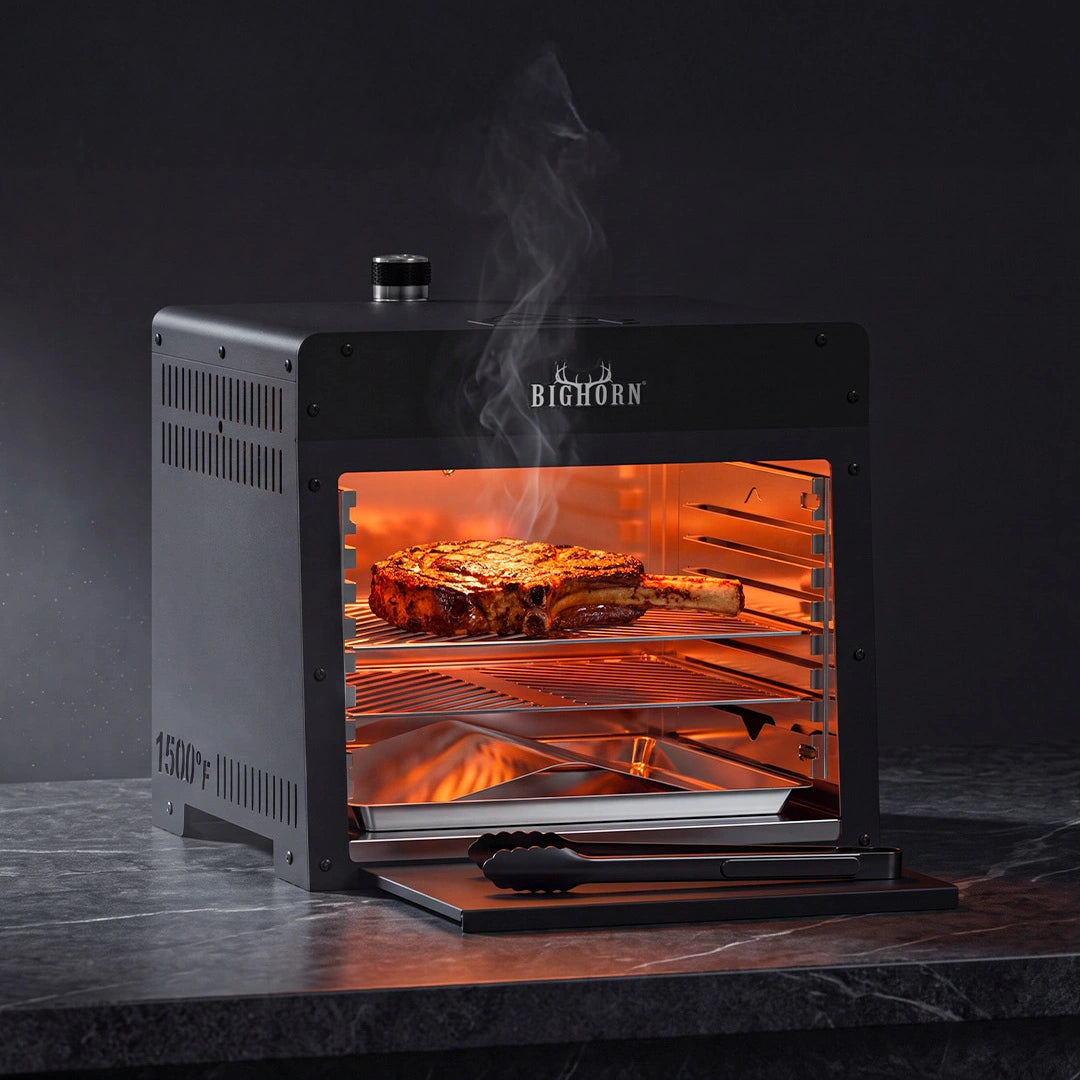
Big Horn Outdoors highlights several of these capabilities in its outdoor cooking lineup, including infrared steak grills that reach very high surface temperatures and multi-fuel systems that can be adapted for different cooking styles. If you plan to cook pizza, steaks, and large roasts regularly, look for models that support searing, indirect heat, and optional accessories like smoker boxes or rotisseries.
How Should You Manage Heat and Avoid Flare-Ups on a Gas Grill?
Use two-zone cooking, manage grease, and adjust burner output and lid position to control temperature and minimize flare-ups.
Practical heat-management tactics:
-
Two-zone setup: Light only one or two burners on one side of the grill; cook over the unlit side for gentle, indirect heat, then finish over the lit side for sear and color.
-
Lid usage: Keep the lid closed as much as possible to maintain steady convection heat; open briefly to check or flip food.
-
Burner modulation: Start on medium-high for preheat, then reduce to medium or low for most cooking. Avoid running all burners on high unless searing.
-
Grease control: Trim excess fat from meats, clean grates before cooking, and empty grease trays regularly to reduce flare-up risk.
-
Water pan or heat sink: For low-and-slow cooking, place a water pan over a lit burner or under the grate to buffer temperature and add humidity.
If flare-ups occur, move food to the cool zone, close the lid, and let the flame die down before returning. Consistent cleaning of grates, flame tamers, and drip pans is essential for safe, predictable heat.
What Safety and Maintenance Practices Keep a Gas Grill Reliable?
Always grill outdoors, check for leaks, clean grease and burners regularly, and protect the grill from weather when not in use.
Key safety and maintenance steps:
-
Outdoor use only: Never operate a gas grill indoors, in garages, or in enclosed spaces due to carbon monoxide risk.
-
Leak checks: Periodically apply soapy water to hose and connections with gas on; bubbles indicate a leak that must be fixed before use.
-
Grease management: Empty drip trays after every few uses; deep-clean monthly during heavy seasons to prevent grease fires.
-
Burner care: Inspect burners for clogs, rust, or spider webs; clean ports with a brush or toothpick and ensure even flames.
-
Grate cleaning: Scrub grates while warm after each cook; apply a thin layer of oil to prevent rust and sticking.
-
Cover and storage: Use a fitted cover when the grill is not in use; store propane tanks upright and outdoors, away from heat sources.
Routine maintenance extends the life of your grill and preserves consistent performance season after season.
Who Benefits Most from Portable Gas Grills for Camping, Tailgating, and RV Use?
Portable gas grills suit campers, tailgaters, RV travelers, and small-space dwellers who need compact, high-heat cooking without charcoal setup.
Portable gas grills typically feature:
-
Compact footprint and folding legs: Fit in trunks, truck beds, or RV storage compartments.
-
Push-button ignition and simple controls: Enable quick setup at campsites or parking lots.
-
Compatibility with small propane cylinders: Allow operation without a full 20-pound tank.
-
Lightweight materials: Stainless or aluminum bodies that resist rust and are easy to transport.
These grills excel at cooking burgers, steaks, vegetables, and even small pizzas when paired with the right accessories. For frequent travelers, a dedicated portable gas grill from a brand like Big Horn Outdoors can serve as a reliable, high-heat cooking platform that complements larger backyard setups.
Which Gas Grill Should You Buy Based on Space, Budget, and Cooking Style?
Match grill size, burner count, and features to your typical cookouts, available space, and how often you entertain.
Decision guide:
-
Small patios or balconies, 1–3 people: Choose a compact 2-burner grill with 250–350 in² cooking area and 20,000–26,000 BTU. Prioritize sturdy construction and easy cleaning.
-
Family backyard, 3–5 people: Opt for a 3-burner mid-size grill (30,000–40,000 BTU, 400–550 in²). Look for a side burner, good lid seal, and cast-iron or thick stainless grates.
-
Frequent entertainers, 5+ people: Consider a 4+ burner grill with 45,000+ BTU and 600+ in² cooking area, plus features like infrared sear zones, rotisserie, and extra shelving.
-
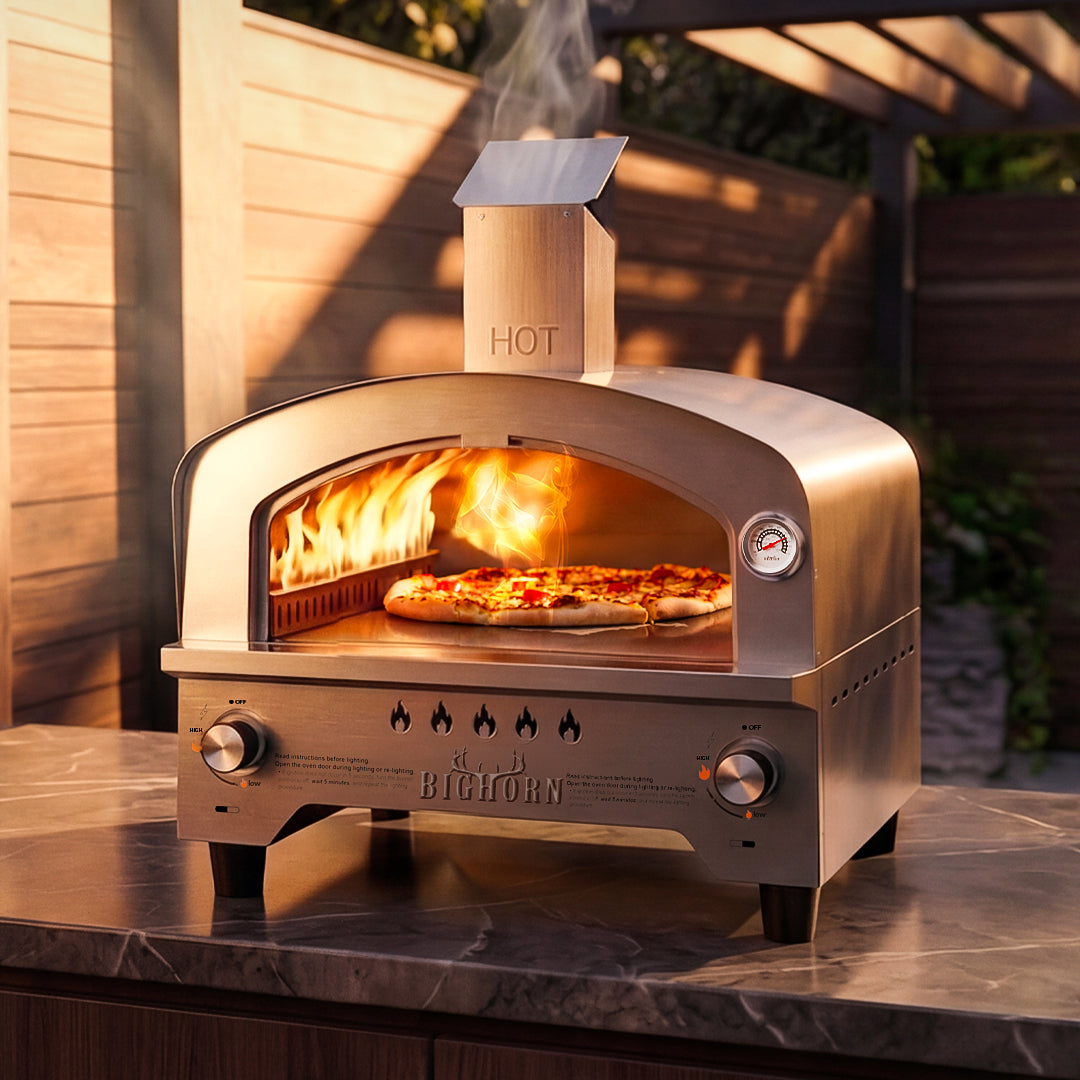
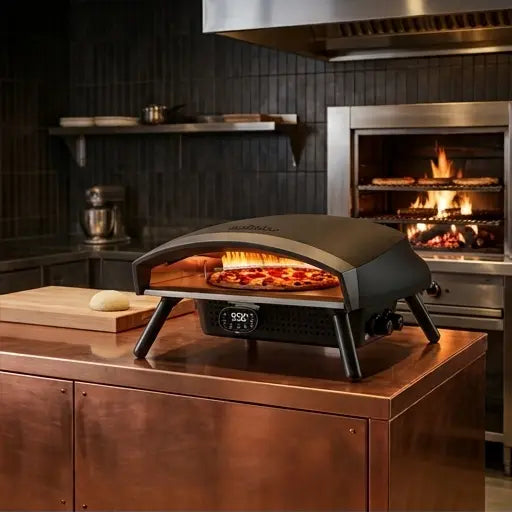
High-heat specialists (steaks, pizza): If you prioritize searing or very high temperatures, explore models with dedicated sear burners or infrared elements; some Big Horn Outdoors grills are engineered specifically for high-heat steak and pizza-style cooking.
Avoid overspending on burners and features you won't use. A well-built 3-burner grill often covers 90% of household needs more effectively than a larger, feature-heavy unit that's hard to clean and maintain.
Big Horn Outdoors Expert Views
"Outdoor cooking is about control: consistent heat, clean fuel delivery, and smart zone management. For most home cooks, a two- or three-burner gas grill with solid construction and reliable ignition will outperform a bigger, flashier unit that's difficult to maintain. Focus on BTU per square inch, grate quality, and how easily you can create hot and cool zones. If you cook steaks or pizza regularly, consider a grill or attachment designed for very high surface temperatures, and always keep grease and burners clean to maintain safe, predictable performance."
What Are the Most Common Questions About Gas Grills?
Can I convert a propane grill to natural gas?
Many grills offer optional natural-gas conversion kits, but conversion must match the exact model and be performed according to the manufacturer's instructions, often by a qualified technician. Orifices, regulators, and valves differ between propane and natural gas, and improper conversion can create unsafe operating conditions or void warranties.
How often should I deep-clean my gas grill?
For regular summer use, plan a deep clean about once a month: remove grates and heat shields, scrub interior surfaces, clear burner ports, and empty and wash grease trays. Light cleaning (brushing grates, wiping surfaces) should happen after each cook.
Is a higher BTU grill always better?
No. Excess BTU without adequate cooking area or good heat distribution can lead to hot spots and poor low-temperature control. Aim for 80–100 BTU per square inch and prioritize even heating, build quality, and usable features over raw BTU numbers.
Can I use a gas grill in cold or windy weather?
Yes, but expect longer preheat times and higher fuel consumption in cold weather. In wind, position the grill in a sheltered spot, keep the lid closed as much as possible, and consider using a windbreak designed for grills to maintain stable temperatures.
What's the typical lifespan of a good gas grill?
With regular cleaning, proper storage, and timely replacement of wear parts (grates, burners, ignition components), a quality gas grill often lasts 8–15 years. Stainless-steel bodies and cast-iron or thick stainless grates tend to outlast thinner, budget-oriented models.
What Should You Do Next When Choosing a Gas Grill?
-
If you value convenience and consistent heat for everyday meals, a two- or three-burner propane gas grill with 80–100 BTU/in², sturdy grates, and a tight-sealing lid is the best starting point.
-
Choose natural gas only if you have (or plan to install) an outdoor gas line and want permanent, unlimited fuel.
-
Prioritize heat management, grease control, and routine maintenance to keep your grill safe and performing well for years.
-
If you frequently cook steaks, pizza, or other high-heat foods, consider grills or systems—such as those from Big Horn Outdoors—that are engineered for very high surface temperatures and flexible fuel options.
Start by measuring your available space, estimating your typical cookout size, and listing must-have features (side burner, sear zone, rotisserie). Then compare models using BTU per square inch, build quality, and accessory support rather than marketing headlines alone.