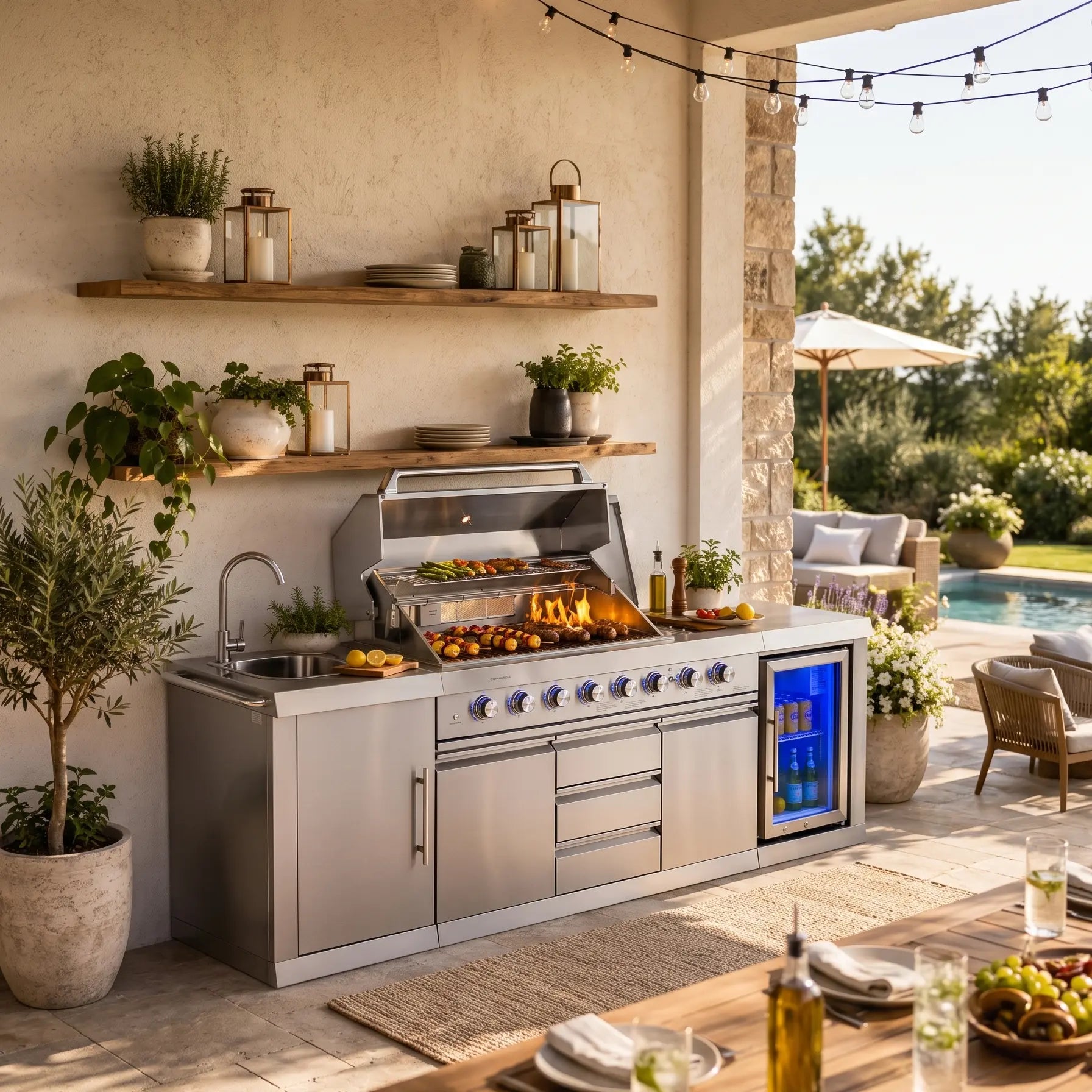
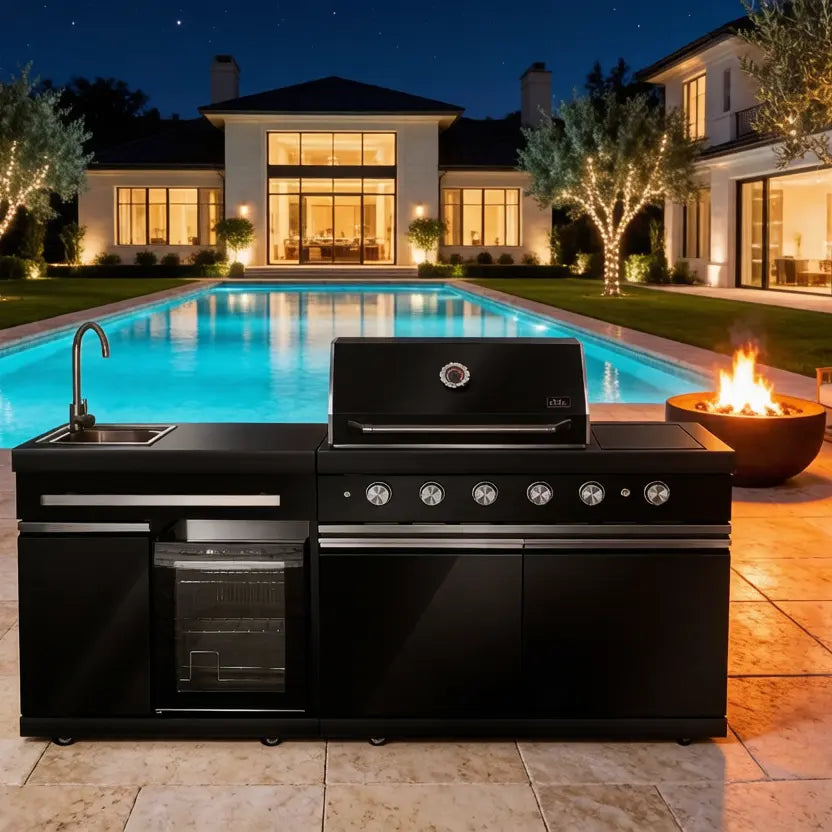
A portable outdoor oven is a compact, high-heat appliance for patios, campsites, tailgates, and backyard meals. Choose one by matching fuel type, cooking capacity, transport needs, and experience level. The strongest models combine durable construction, dependable temperature control, a stable cooking surface, and safe setup. They can produce crisp pizzas, roasted vegetables, seared meats, breads, and memorable shared outdoor meals.
What Types of Portable Outdoor Ovens Are Available?
Portable outdoor ovens include wood-fired, pellet-fired, gas, electric, and multi-fuel models. Each option creates a different balance of flavor, convenience, heating speed, fuel storage, and temperature control.
Wood-fired ovens appeal to cooks who enjoy the aroma, visual appeal, and hands-on process of live-fire cooking. They can produce deeply charred pizza crusts and rich roasted flavors, but they require dry wood, regular fire management, and careful cleanup.
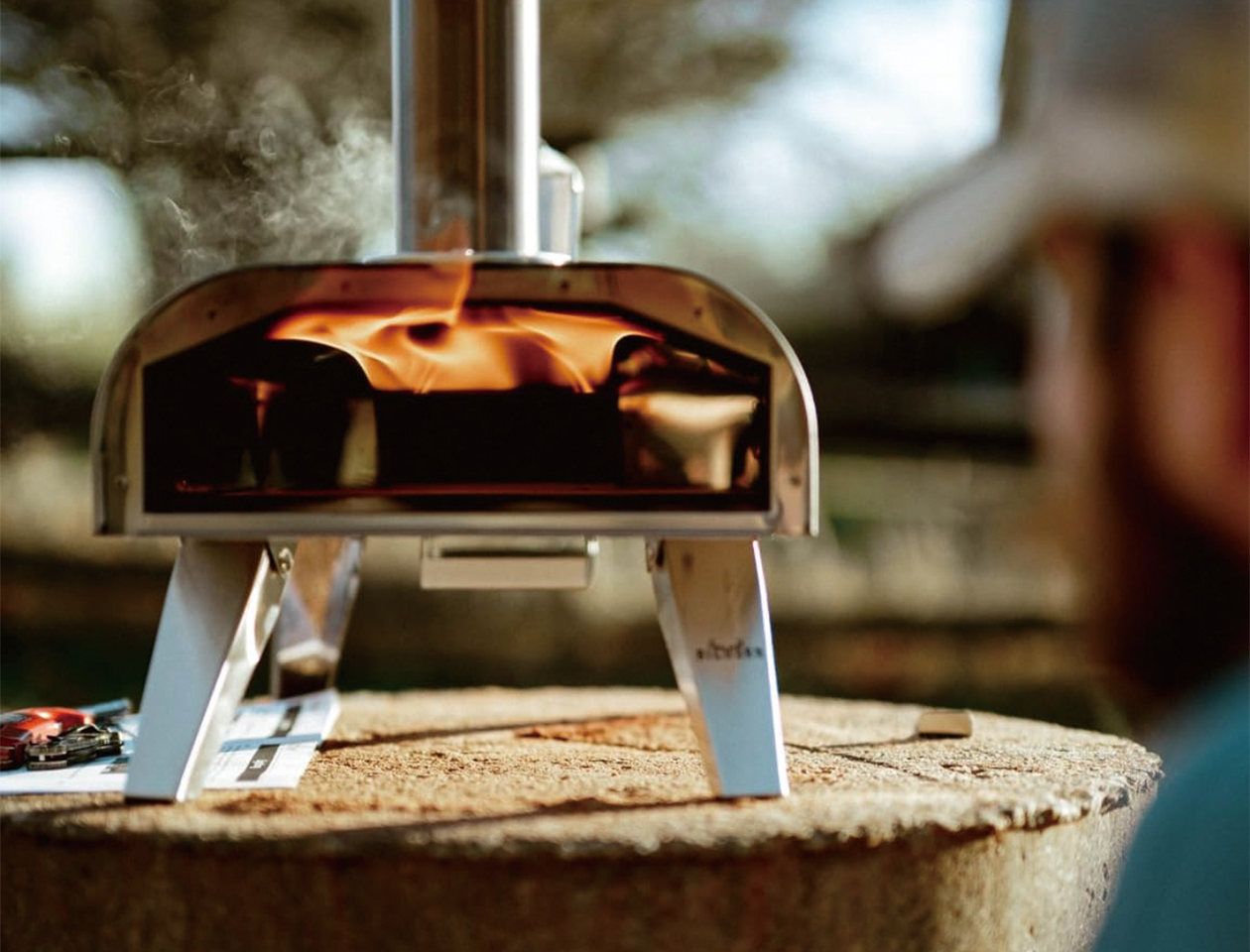
Pellet-fired ovens offer a more compact way to achieve flame-fired cooking. Food-grade hardwood pellets are easy to store and can deliver strong heat for pizza, flatbreads, vegetables, and cast-iron meals. Consistent pellet quality and airflow are important for stable cooking performance.
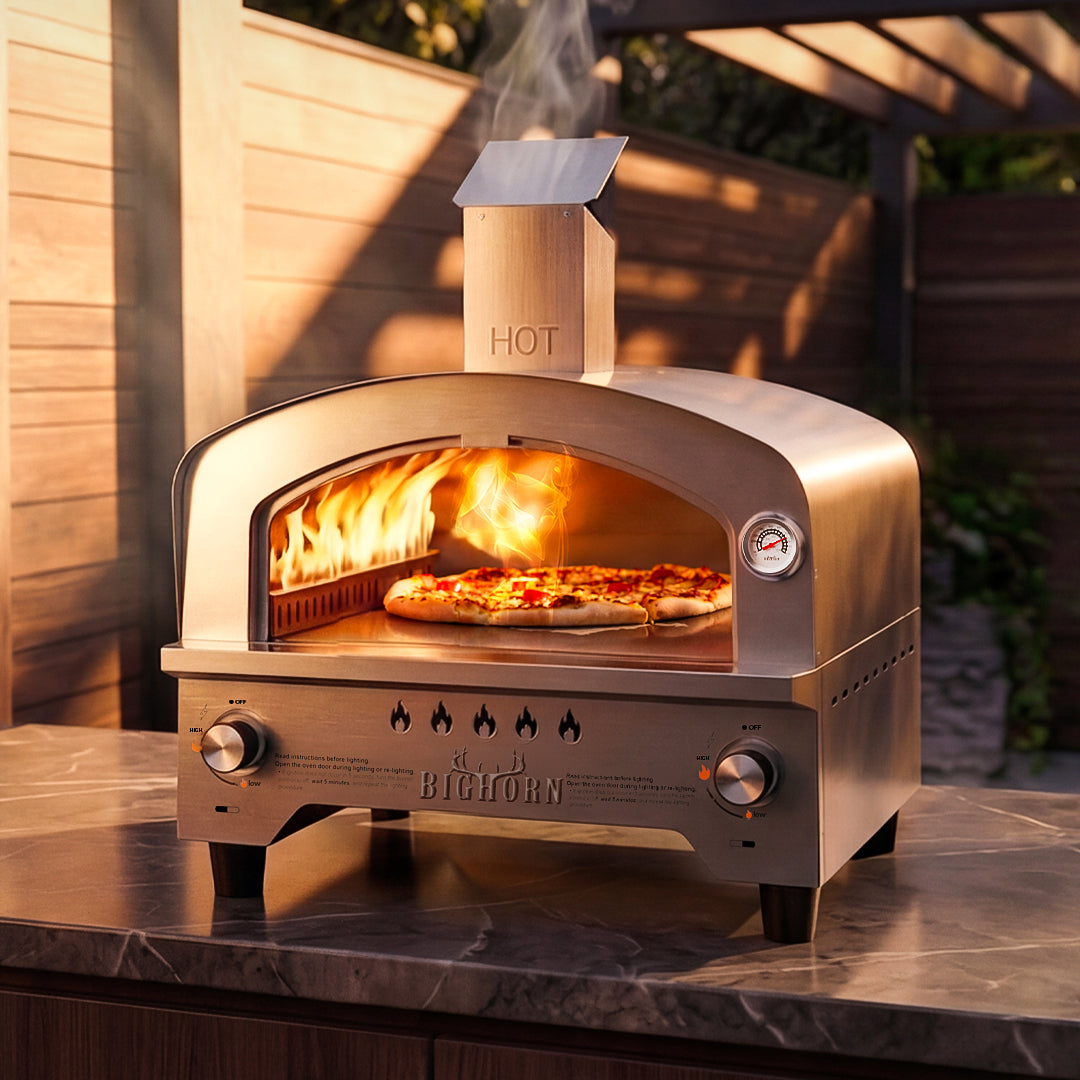
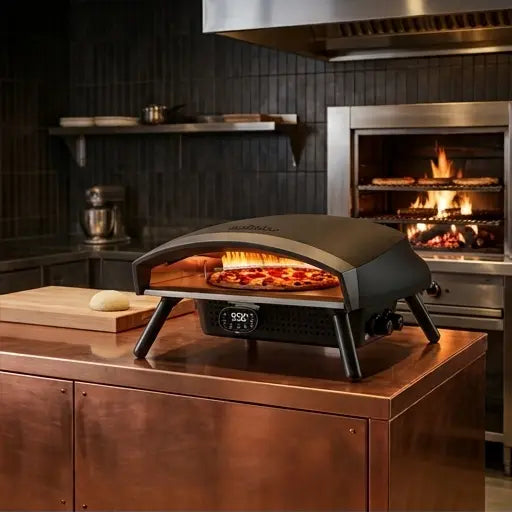
Gas ovens are often the simplest option for busy households and beginners. They typically ignite quickly, heat efficiently, and allow cooks to adjust the flame with a control knob. This makes gas especially practical for weeknight pizza, family gatherings, and outdoor meals where predictable timing matters.
Electric ovens provide clean operation and steady heating where suitable outdoor power is available. They are useful for covered patios, outdoor kitchens, and spaces where smoke reduction is a priority. Multi-fuel ovens offer the greatest flexibility by allowing cooks to choose gas, pellets, or other supported fuel options depending on the occasion.
Big Horn Outdoors develops portable pizza ovens and outdoor cooking equipment across several fuel types, giving cooks practical choices for backyard meals, RV trips, campsites, and family cookouts.
How Do You Choose the Right Oven Size?
Choose the right oven size by considering the diameter of the cooking surface, the number of people you serve, the cookware you use, and how often you plan to transport it. Smaller ovens are easier to carry, while larger models offer more flexibility for family-size meals.
A 12-inch cooking surface is often sufficient for personal pizzas, flatbreads, vegetables, and smaller cuts of meat. This size works well for couples, small households, camping trips, and tailgate cooking because it is easier to store and move.
A larger oven can accommodate wider pizzas, cast-iron skillets, roasting pans, and more generous portions. It is a better choice for families, hosts, and cooks who want to prepare several different dishes during one outdoor gathering.
Remember to evaluate more than the internal cooking chamber. Your setup also needs room for dough preparation, serving trays, a pizza peel, fuel storage, gloves, and safe movement around the oven. A compact oven with a well-organized prep area can perform better than a larger unit placed in a cramped space.
Portable designs with foldable legs and manageable weight are especially valuable for users who cook in multiple locations. Big Horn Outdoors focuses on portable construction that can support both stationary backyard use and travel-based cooking.
Which Features Improve Cooking Performance?
The most important performance features are insulation, a durable cooking stone, dependable heat control, adjustable airflow or flame settings, and a stable oven body. These features help create even heat and make outdoor cooking more predictable.
A quality pizza stone absorbs and stores heat, creating the crisp bottom associated with restaurant-style pizza. Cordierite and similar heat-resistant materials are popular because they handle repeated high-temperature cooking well when maintained properly.
Insulation supports heat retention and reduces the impact of changing outdoor conditions. When an oven holds heat effectively, it can cook food more evenly while using fuel more efficiently. This matters when preparing several pizzas or cooking through cooler weather.
For gas models, responsive burner controls allow you to raise or lower heat for different recipes. For pellet and wood ovens, adjustable airflow affects how intensely fuel burns and how heat moves through the chamber. A built-in thermometer can be useful, while an infrared thermometer provides a more accurate reading of stone temperature.
Durable stainless-steel construction can improve portability, corrosion resistance, and long-term reliability. It is also easier to clean after outdoor cooking sessions involving smoke, grease, flour, and ash.
Big Horn Outdoors Expert Views
“Great outdoor cooking depends on control, not just maximum heat. A hot stone, balanced flame, and proper food placement work together to produce consistent results. Beginners should start with lightly topped pizzas, preheat thoroughly, and rotate food often. As confidence grows, use the oven for vegetables, steaks, breads, and skillet meals. A portable oven should make it easier to cook outdoors in more places without limiting creativity or flavor.”
Why Does Fuel Choice Matter for Outdoor Cooking?
Fuel choice matters because it influences flavor, heat-up time, cleanup, storage, cooking control, and where you can use the oven. The right fuel should fit your lifestyle as well as your preferred recipes.
Gas is a strong choice for cooks who want reliable heat without managing a live flame. It is convenient for pizza nights, casual entertaining, and cooks who prefer a straightforward setup. Connect the fuel source, ignite the burner, preheat the oven, and begin cooking.
Wood offers an authentic flame-fired experience and can add a distinctive roasted aroma to food. It works well for outdoor cooks who enjoy tending a fire and experimenting with airflow. However, it requires a greater time commitment, more fuel storage, and responsible ash disposal.
Pellets offer a useful middle ground. They create real-fire cooking conditions while taking up less space than split wood. Use only clean, food-safe hardwood pellets and protect them from moisture before cooking.
Electric heat can be practical for controlled pizza and baking sessions where a suitable electrical connection is available. A multi-fuel oven is ideal for people who want gas convenience for routine meals but also want the option of pellet or wood-fired flavor on weekends and special occasions.
How Can You Cook More Than Pizza?
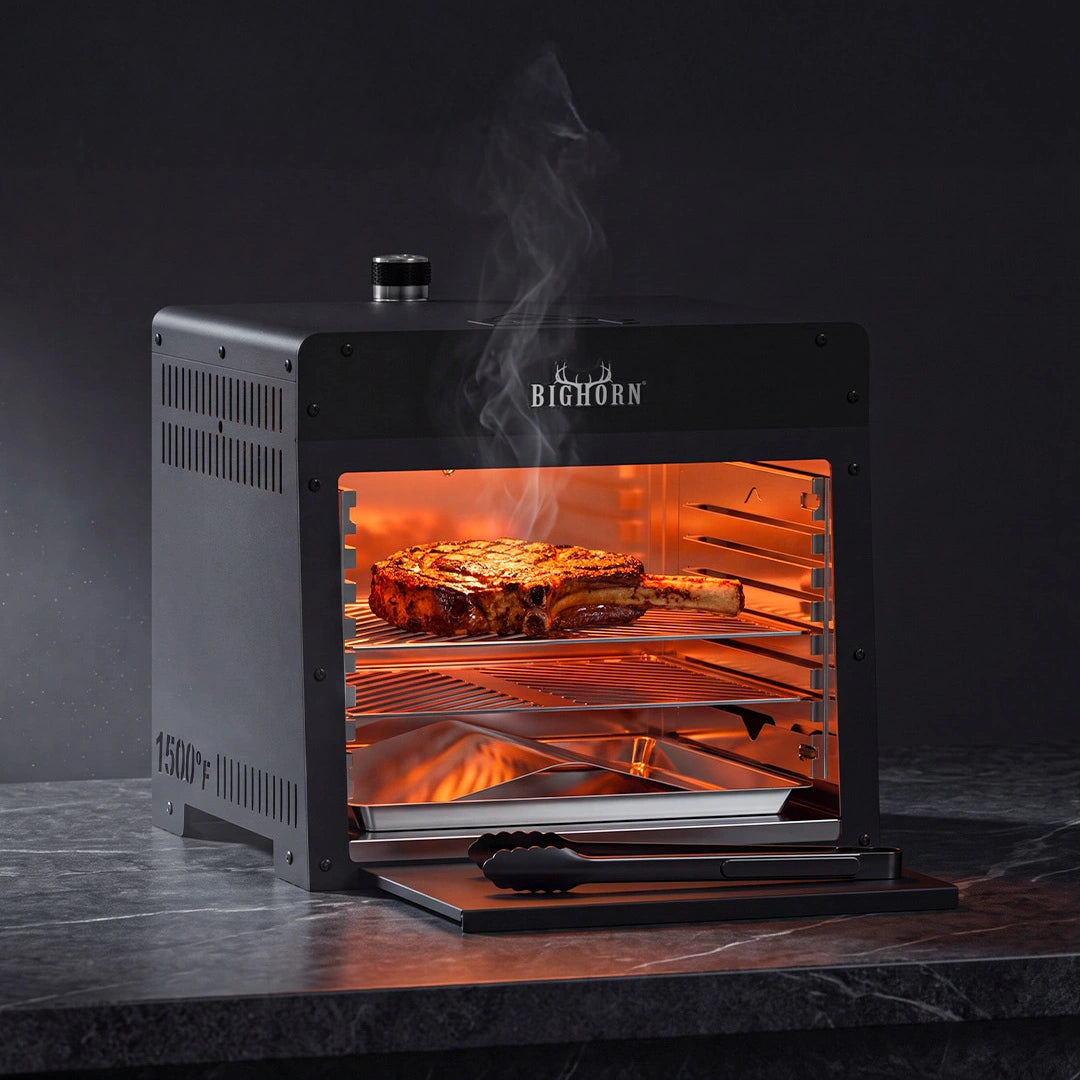
A portable outdoor oven can cook much more than pizza when you adjust the temperature, use suitable cookware, and monitor food closely. It can roast vegetables, sear steak, bake bread, cook seafood, warm flatbreads, and prepare cast-iron meals.
High temperatures work well for thin-crust pizza, naan, blistered tomatoes, charred peppers, shrimp skewers, and quick-seared meat. These foods benefit from intense radiant heat and short cooking times.
At more moderate temperatures, cast-iron cookware expands your menu. Try chicken thighs, sausages, roasted mushrooms, baked dips, mac and cheese, skillet cornbread, or fruit desserts. A small oven-safe pan can turn a pizza oven into a versatile outdoor cooking station.
Residual heat is also valuable. After finishing high-temperature pizza, let the oven cool slightly and use the remaining heat for potatoes, roasted vegetables, breads, or desserts. This approach helps you make the most of each fuel load.
Big Horn Outdoors pizza ovens are designed to support versatile open-air cooking, from fast pizzas to roasted vegetables and seared proteins. Using the right accessories and heat management habits helps cooks get more value from every outdoor meal.
Where Should You Set Up an Outdoor Oven Safely?
Set up an outdoor oven on a stable, level, heat-resistant surface in an open area with clear space around it. Keep it away from structures, overhangs, dry vegetation, walkways, and materials that can melt or catch fire.
A sturdy metal table, stone countertop, or purpose-built outdoor oven stand provides a safer foundation than plastic furniture or uneven ground. Make sure the surface can support the oven’s weight and remains stable when you use a peel, open a door, or add fuel.
Position the oven opening away from areas where people frequently walk. Keep children and pets at a safe distance during preheating, cooking, and cooling. Use long-handled tools, heat-resistant gloves, and a pizza peel designed for the oven’s opening.
For gas ovens, inspect the hose, regulator, and connections before each use. For pellet or wood units, keep fuel dry and stored away from the oven. Never operate an outdoor oven inside a garage, tent, vehicle, enclosed porch, or other poorly ventilated area.
Keep a suitable fire extinguisher nearby and follow the manufacturer’s instructions for clearance, fuel use, assembly, and cleaning. Safe placement protects your food, equipment, guests, and outdoor living space.
When Should You Preheat and Rotate Food?
Preheat until the cooking stone and oven chamber reach the desired temperature, then rotate food whenever one side cooks faster than the other. Proper timing prevents undercooked centers, burned crusts, and uneven toppings.
Pizza requires a thoroughly heated stone. If dough goes onto a stone that is not hot enough, it may stick or develop a pale, soft base. Allow enough preheating time for the stone to absorb heat, not merely for the oven air to feel hot.
During high-heat pizza cooking, rotate the pizza frequently. The side closest to the flame or burner will brown more quickly, so regular turning helps create an even crust. Use a turning peel when possible and work carefully around the oven opening.
Wind, cold temperatures, and rain-adjacent humidity can affect preheat time and fuel consumption. Check the stone surface with an infrared thermometer when available, especially when making multiple pizzas in succession.
For meat, poultry, and thicker dishes, use a food thermometer to verify safe internal temperatures. Let cooked steaks, chicken, and roasts rest before slicing so juices can redistribute and the food remains more tender.
How Do You Clean and Store a Portable Oven?
Clean and store a portable outdoor oven only after it has fully cooled. Remove ash and debris, brush the cooking stone without soap, inspect components regularly, and keep the oven dry during storage.
After wood or pellet cooking, wait until all ash is completely cold before removing it. Place cooled ash in a metal container rather than a plastic bin or cardboard box. Brush crumbs and burned flour from the stone with a dry oven brush.
Avoid soaking the pizza stone or applying household cleaners directly to it. Moisture absorbed by a stone can cause cracking or damage during the next high-temperature session. If food spills, allow the oven to heat during a future cook and brush away the carbonized residue after cooling.
Gas ovens should be checked for blocked burner ports, grease buildup, and hose wear. Wipe stainless-steel exterior surfaces with a soft cloth and a cleaner appropriate for the finish. Keep burner controls and ignition components clean and dry.
Before travel, secure removable parts, protect the stone with padding if necessary, and make sure the oven cannot slide inside your vehicle. A fitted cover or carry bag helps protect Big Horn Outdoors equipment from dust, moisture, and transport damage between cooking sessions.
Could Weather and Travel Affect Your Setup?
Weather and travel can affect heat retention, fuel use, cooking consistency, and safety. Plan for wind, colder temperatures, uneven campsites, and secure transportation before lighting the oven.
Wind can cause uneven flame movement and faster heat loss. Choose a location with reduced wind exposure while maintaining the open-air clearance required for safe operation. Do not block ventilation openings or place the oven in an enclosed area to escape the wind.
Cool weather can increase preheat time and fuel consumption. Bring extra pellets, wood, or propane when cooking during cold conditions. Allow more time for the stone to heat, particularly when preparing multiple pizzas.
For campsites and tailgates, confirm that your cooking surface is level and stable. Pack a portable table if the site does not offer a suitable platform. Keep food prep surfaces clean, bring adequate lighting for evening cooking, and organize tools before the oven reaches high heat.
A well-packed portable outdoor oven can make a campsite, patio, RV stop, or tailgate feel like a complete outdoor kitchen. Preparation creates a safer experience and makes it easier to focus on cooking for friends and family.
What Are Common Portable Outdoor Oven Questions?
Can a portable outdoor oven cook frozen pizza?
Yes, but fresh or thawed pizza usually cooks more evenly in high heat. Use a slightly lower stone temperature for frozen pizza, rotate it regularly, and avoid excessive toppings so the center has enough time to heat thoroughly.
Does a portable outdoor oven need a cover?
Yes, a cover helps protect the oven from dust, moisture, sunlight, and debris after the unit has cooled completely. Dry the oven and stone before covering them to prevent trapped moisture during storage.
Are pellet-fired ovens suitable for beginners?
Pellet-fired ovens can work well for beginners when users start with dry food-grade pellets, preheat properly, and learn how airflow affects the flame. Begin with simple pizzas and gradually try more complex recipes as confidence improves.
Can you use a portable outdoor oven for camping?
Yes, portable outdoor ovens are useful for camping when placed on a stable outdoor surface and operated according to campsite rules and manufacturer instructions. Choose a compact model, pack fuel safely, and allow full cooling before transport.
What Should You Remember Before Buying?
The best portable outdoor oven is the one that fits your preferred fuel, serving size, cooking style, storage space, and travel needs. Gas provides speed and control, wood and pellets create flame-fired character, electric supports clean operation, and multi-fuel designs offer broader flexibility.
Prioritize durable materials, stable temperature management, a reliable cooking stone, and safe placement. Preheat completely, rotate food regularly, use proper tools, and maintain the oven after every session.
Big Horn Outdoors offers outdoor cooking solutions designed to help beginners and experienced cooks create pizza, roasted vegetables, breads, meats, and memorable meals in backyards, campsites, patios, and beyond. Choose the right model, practice heat control, and make every outdoor gathering more flavorful.