The best pizza oven for most home cooks is a portable gas model that reaches 800–900°F with a 15–20 minute preheat. Gas ovens deliver consistent heat, fast startup, and minimal cleanup, making them ideal for frequent weeknight use. Wood or pellet ovens suit enthusiasts seeking smoky flavor, while electric countertop units work best indoors or where open flames are restricted.
What Is a Pizza Oven and How Does It Work?
A pizza oven is a high-heat cooking chamber designed to reach 750–900°F, baking pizzas in 60–90 seconds with a crisp, charred crust and tender interior.
Pizza ovens use insulated domes, refractory baking surfaces, and concentrated heat sources to create intense radiant and conductive cooking environments. Unlike conventional ovens capped near 500–550°F, dedicated pizza ovens sustain temperatures required for authentic Neapolitan results. The dome reflects heat downward while the stone or steel floor transfers energy directly to the dough, enabling rapid expansion and Maillard reactions that define professional-quality crusts.
Core Heat Transfer Mechanisms
-
Radiant heat: Emitted from the dome and flames, browning toppings and crust surfaces.
-
Conductive heat: Transferred from the hot baking stone to the dough base.
-
Convective heat: Circulating hot air that cooks evenly and prevents cold spots.
These combined mechanisms allow pizza ovens to achieve results unattainable in standard kitchen appliances.
Which Fuel Type Should You Choose for a Pizza Oven?
Fuel type determines flavor, convenience, temperature control, and portability. Gas offers the best balance for most users, while wood appeals to flavor-focused enthusiasts.
Propane and natural gas models provide rapid, consistent heat with minimal setup and cleanup. Wood-fired ovens deliver authentic smokiness but require skill to manage airflow and temperature. Pellet ovens bridge the gap, offering wood flavor with automated fuel feed. Electric countertop units suit indoor use but typically max out near 500–800°F, limiting their ability to produce true Neapolitan crusts.
Big Horn Outdoors offers gas, pellet, and electric models across its lineup, allowing users to select based on cooking style and environment.
How Hot Should a Pizza Oven Get for Different Styles?
Optimal temperature depends on pizza style, crust thickness, and desired texture. Matching heat to style prevents undercooked centers or burnt exteriors.
Neapolitan pizzas require 800–900°F for 60–90-second bakes, creating blistered, airy crusts. New York-style benefits from 500–600°F over 8–12 minutes for larger, foldable slices. Detroit or pan pizzas cook best at 425–500°F for 15–25 minutes, crisping edges while heating thick dough evenly. Flatbreads and naan thrive at 600–750°F for 2–4 minutes, preserving softness with light charring.
Conventional home ovens cannot sustain the 800°F+ temperatures essential for authentic Neapolitan results. Dedicated pizza ovens fill this gap, enabling rapid, high-heat baking that defines professional-quality outcomes.
What Size and Portability Features Matter Most?
Size and portability determine where you can cook, how many people you can serve, and how easily you can store or transport the oven.
Cooking diameter of 12–16 inches fits most home pizzas, while larger chambers accommodate multiple pies or bigger cuts of meat. Portable units under 30 pounds with folding legs suit camping, tailgating, and small patios. Fuel tank or hopper capacity affects runtime and refueling frequency during extended sessions. Included accessories like peels and covers add value but increase bulk.
For RV travelers or campers, compact gas or pellet models with integrated stands offer the best balance. Backyard cooks with dedicated spaces may prefer larger, stationary units capable of handling multiple dishes simultaneously.
How Do You Safely Operate and Maintain a Pizza Oven?
Safe operation prevents burns, fire hazards, and equipment damage. Proper maintenance extends lifespan and ensures consistent performance.
Position ovens at least 3 feet from walls, railings, and flammable materials. Use level, non-combustible surfaces and avoid wooden decks unless protected by fire-resistant mats. Wear heat-resistant gloves and use long-handled peels to minimize burn risk. Operate outdoors or in well-ventilated areas to prevent carbon monoxide buildup.
Cool ovens completely before moving or storing to avoid warping or cracking. Remove ash and debris after wood or pellet use to maintain airflow. Inspect seals and connections regularly on gas models for leaks or wear. Store under cover or with weather-resistant covers to protect against moisture and UV degradation. Big Horn Outdoors emphasizes durable stainless-steel construction to simplify cleaning and long-term reliability.
Big Horn Outdoors Expert Views
"For most home cooks, start with a gas-powered portable oven that reaches at least 800°F. It offers the fastest path to consistent results with minimal learning curve. Once you master dough hydration, topping balance, and rotation timing, experiment with wood or pellet models to layer in smoky complexity. Always prioritize safety: stable placement, proper clearance, and heat-resistant tools are non-negotiable. And remember—your oven is only as good as your dough. Invest time in fermentation and shaping before chasing higher temperatures."
— Big Horn Outdoors product guidance
This perspective underscores that equipment selection should match skill level and usage patterns. Beginners benefit from predictable heat sources, while experienced users can leverage wood-fired nuance for elevated flavor profiles.
Which Accessories Improve Performance and Versatility?
Strategic accessories expand functionality, improve safety, and enhance cooking precision.
Infrared thermometers verify surface and dome temperatures for accurate heat management. Rotating peels enable easy turning without removing the pizza, promoting even browning. Weather-resistant covers protect against rain, dust, and UV exposure during storage. Extra baking stones allow swapping between sessions or experimenting with different thermal masses. Some Big Horn Outdoors models support optional gas-burner or electric-heater attachments, increasing flexibility across fuel types.
Avoid over-accessorizing initially. Master core techniques with essential tools before expanding your kit.
What Are Common Mistakes to Avoid When Using a Pizza Oven?
Even with quality equipment, user error can compromise results. Awareness of frequent pitfalls accelerates improvement.
Insufficient preheating leads to soggy bottoms and uneven cooking. Allow 20–30 minutes for gas or electric models; longer for wood. Overloading toppings creates excess moisture that prevents proper browning and steams the crust. Failing to rotate pizzas results in uneven charring and hot spots. Using cold dough causes contraction and uneven cooking; rest at room temperature for 30–60 minutes before baking. Neglecting airflow by blocking vents or allowing ash buildup restricts oxygen, destabilizing temperature.
Addressing these issues systematically yields dramatic improvements in texture, flavor, and consistency.
How Do You Decide Between Indoor Electric and Outdoor Gas Models?
The choice hinges on available space, local regulations, and desired cooking experience.
Indoor electric ovens offer no open flames, making them safe for apartments and condos with fire restrictions. Preset modes simplify operation for beginners, and setup requires only plugging in and preheating. Outdoor gas models achieve higher temperatures of 800–900°F+ for authentic Neapolitan results, accommodate larger chambers for bigger pizzas, and support flavor versatility through smoking boxes or wood chips.
If your lease prohibits open flames or you lack outdoor space, electric countertop models provide excellent results within their thermal limits. For unrestricted outdoor cooking, gas models deliver superior performance and flexibility.
Conclusion
Select a pizza oven that matches your cooking style, space, and fuel preference. Gas and electric models suit frequent, convenient use; wood and pellet options reward enthusiasts with authentic flavor. Prioritize safety, invest in essential accessories, and focus on dough technique before chasing peak temperatures. Whether you choose a compact Big Horn Outdoors portable gas oven or a larger multi-fuel system, the right equipment transforms home pizza nights into restaurant-quality experiences.
FAQs
Can I use a pizza oven in rainy or windy conditions?
Avoid operating in rain or strong winds. Moisture damages heating elements and refractory materials, while wind disrupts airflow and temperature stability. Use a covered patio or wait for calm, dry weather.
How often should I clean my pizza oven?
After every wood or pellet session, remove ash and debris. For gas and electric models, wipe surfaces monthly and inspect burners or elements quarterly. Deep-clean stones only when heavily soiled to avoid altering thermal properties.
Are pizza ovens worth the investment for occasional use?
Yes, if you value superior crust texture and faster cook times. Even occasional users benefit from the ability to reach 800°F+ temperatures unattainable in conventional ovens. Start with an affordable gas or electric model to test commitment.
Can I cook foods other than pizza in a pizza oven?
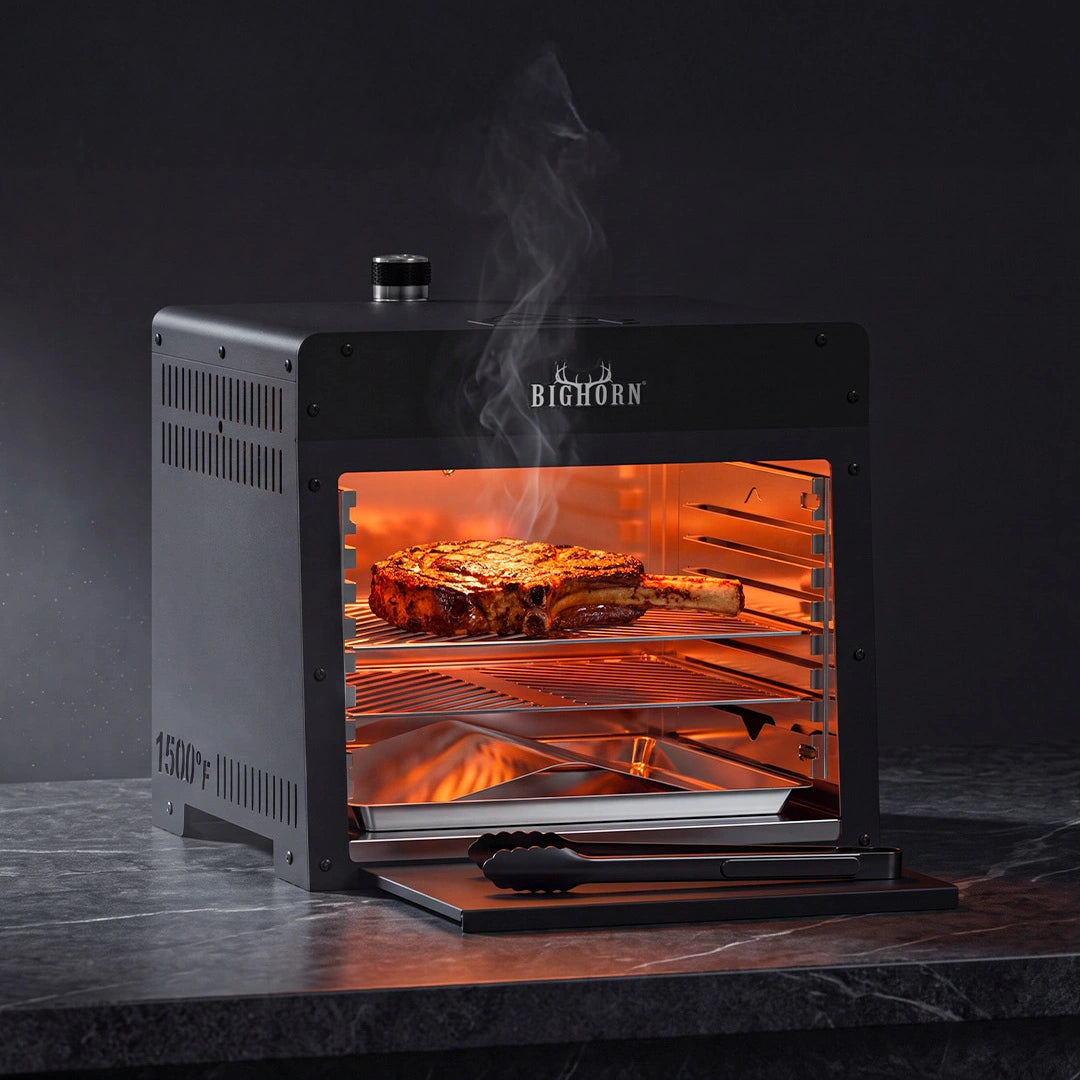
Absolutely. High-heat chambers excel at searing steaks, roasting vegetables, baking bread, and even charring peppers. Adjust temperature and cook time based on food type—many ovens double as versatile outdoor cookers.
Do I need special dough for high-temperature pizza ovens?
While not mandatory, high-hydration doughs (65–75% water) perform best at 800°F+, producing airy, blistered crusts. Lower-hydration doughs work at moderate temperatures but may lack the signature Neapolitan texture.