The best portable camping stove for outdoor cooking is a two-burner propane model for most campers, offering high heat output, stability, and versatility for group meals. Backpackers and solo travelers should choose compact butane or canister stoves for lightweight portability and fast setup in mild conditions.
What Is a Portable Camping Stove and How Does It Work?
A portable camping stove is a compact, fuel-powered cooking system designed for outdoor use, delivering controlled heat for boiling, simmering, and searing away from home kitchens.
Portable camping stoves operate by regulating gas flow from a detachable fuel source—typically propane tanks or butane canisters—through a burner assembly that produces an adjustable flame. Most models include piezo electric ignition for push-button lighting, flame-control knobs, and stable support legs or cases for use on uneven terrain. Big Horn Outdoors manufactures both folding butane burners for solo trips and two-burner propane stoves with integrated griddles for family camping, emphasizing durable construction and practical portability across its product line.
Core components include:
-
Fuel source: Propane, butane, or multi-fuel canisters.
-
Burner head: Distributes flame evenly under cookware.
-
Ignition system: Piezo electric or manual (lighter/match).
-
Control valves: Adjust flame intensity and shut off fuel.
-
Support structure: Legs, case, or base for stability.
Which Fuel Type Is Best for Portable Camping Stoves?
Propane delivers high heat and reliable cold-weather performance, while butane offers lightweight convenience for warm-weather backpacking and emergency kits.
Fuel choice directly affects heat output, portability, and usability across seasons. Propane stoves typically produce 15,000–20,000 BTUs per burner, making them ideal for rapid boiling and simultaneous cooking on car-camping trips. Butane stoves, often rated around 7,000–13,000 BTUs, prioritize compact size and quick setup but lose efficiency below 32°F (0°C).
Big Horn Outdoors’ two-burner propane stove delivers 17,000 total BTUs with wind-resistant burners and anti-slip feet, while its folding butane model provides approximately 7,500 BTUs in a compact, suitcase-style design for hikers and emergency preparedness.
For extended cold-weather expeditions or international travel where fuel availability varies, liquid-fuel stoves using white gas or kerosene offer consistent performance but require priming, regular maintenance, and greater user expertise.
How Do BTU Ratings and Wind Resistance Affect Cooking Performance?
Higher BTU ratings enable faster boiling and better searing, but wind resistance and burner design often determine real-world cooking efficiency more than raw heat output alone.
BTU (British Thermal Unit) measures the heat energy a stove produces per hour. Under ideal conditions, a 10,000-BTU burner can bring one liter of water to a boil in about 4–5 minutes, while a 20,000-BTU burner may reduce that to 2–3 minutes. However, wind can cut effective heat transfer by 30–50%, making flame stability and windscreen design critical for consistent results.
Key performance factors:
-
Burner placement: Recessed or low-profile burners retain heat better in breezy conditions.
-
Windscreen integration: Built-in or attachable windscreens shield flames from gusts.
-
Flame pattern: Concentrated blue flames transfer heat more efficiently than scattered yellow ones.
-
Pot support design: Wide, stable supports prevent tipping and maximize heat contact with cookware.
Big Horn Outdoors’ propane camping stove features a 17,000-BTU total output with flame-retardant fittings and anti-slip feet to maintain stability on uneven, windy terrain. Its removable griddle and compact folding case further enhance usability in variable campsite conditions.
For backpacking stoves, prioritize models with tight, well-sealed windscreens and efficient burner heads over raw BTU numbers. A 7,500-BTU butane stove with excellent wind protection can outperform a 10,000-BTU model in exposed, breezy campsites.
What Are the Essential Safety Practices for Using Portable Camping Stoves?
Always operate portable camping stoves outdoors on stable, non-flammable surfaces, ensure proper ventilation, and inspect all connections for leaks before each use.
Camping stove safety prevents fires, burns, and carbon monoxide exposure. Follow these core practices:
-
Setup location: Place the stove on flat, non-combustible ground at least 3 feet from tents, gear, and overhangs.
-
Ventilation: Never use stoves inside tents, vehicles, or enclosed spaces; carbon monoxide is odorless and deadly.
-
Leak checks: Before lighting, apply soapy water to connections; bubbles indicate leaks requiring re-tightening or part replacement.
-
Ignition safety: Use built-in piezo igniters or long-reach lighters to keep hands away from initial flare-ups.
-
Supervision: Never leave a lit stove unattended, especially with children or pets nearby.
-
Cool-down: Allow the stove and fuel canister to cool completely before disconnecting or storing.
Additional guidance from Big Horn Outdoors includes avoiding aluminum foil around burners, not modifying stove components, and storing fuel canisters upright in cool, ventilated areas away from heat sources.
Keep a fire extinguisher or water source accessible, and avoid wearing loose clothing that could contact flames. Always follow the manufacturer’s instructions for your specific model.
How Should You Maintain and Clean a Portable Camping Stove?
Clean your stove after each trip by wiping burners and surfaces with warm, soapy water, drying thoroughly, and inspecting seals and connections for wear before storage.
Regular maintenance extends stove life and ensures safe, efficient operation. Follow this routine:
-
Cool completely: Never clean a hot stove; wait until all components are safe to touch.
-
Remove debris: Tap out food particles from burner heads and wipe grates with a damp cloth.
-
Wash surfaces: Use mild soap and water on cooktops, cases, and removable parts; avoid submerging ignition systems.
-
Dry thoroughly: Air-dry upside down to prevent water trapping, which can cause rust or corrosion.
-
Inspect seals: Check O-rings, hoses, and connections for cracks, wear, or damage before each trip.
-
Store properly: Keep the stove and fuel separate in a dry, temperature-stable location.
For stubborn residue, soak removable parts in warm soapy water, then scrub gently with a soft brush. Avoid abrasive pads that could scratch protective coatings. Big Horn Outdoors’ non-stick griddle plates are designed for easy wipe-down cleaning, with centralized grease channels to simplify maintenance.
If using liquid-fuel stoves, periodically clean fuel lines and jets according to the manufacturer’s schedule to prevent clogs and ensure consistent flame output.
What Features Should You Prioritize When Choosing a Portable Camping Stove?
Prioritize portability, fuel compatibility, burner count, wind resistance, and ease of setup based on your typical trip type and cooking needs.
Your ideal stove depends on how and where you camp. Consider these decision factors:
-
Portability: Weight and folded dimensions matter most for backpacking; car campers can prioritize stability and features.
-
Burner count: Single burners suit solo or minimalist cooking; two burners enable simultaneous dishes for groups.
-
Fuel type: Match fuel to your climate and trip duration; propane for cold and long trips, butane for light and fast outings.
-
Ignition system: Piezo electric ignition offers convenience, but always carry a backup lighter or matches.
-
Wind protection: Integrated windscreens or low-profile burners improve performance in exposed campsites.
-
Accessory compatibility: Ensure the stove supports your preferred cookware size, griddles, or pizza oven accessories if needed.
Big Horn Outdoors’ product line illustrates this range: a compact folding butane stove for solo hikers and emergency kits, and a two-burner propane model with integrated griddle for family camps and tailgates.
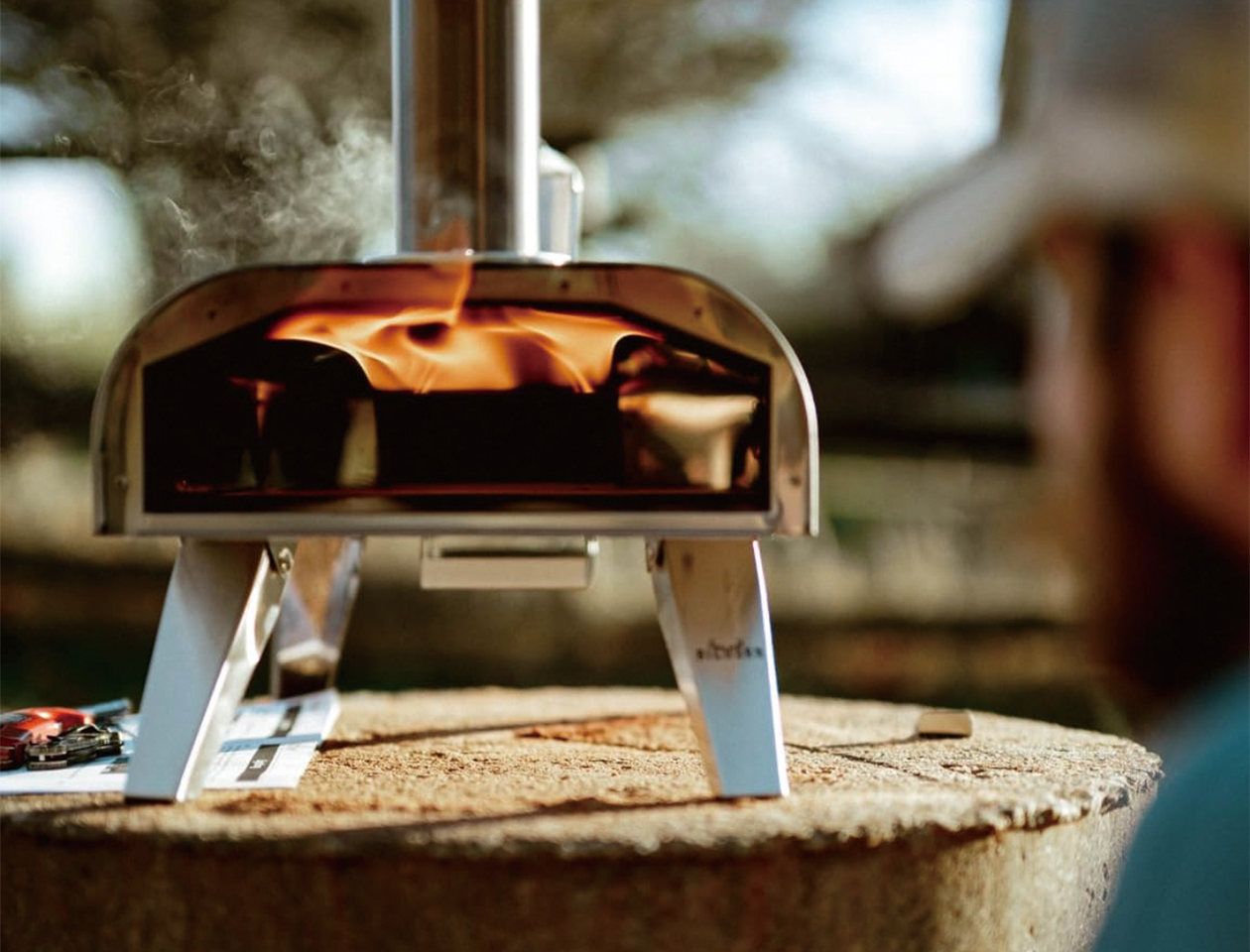
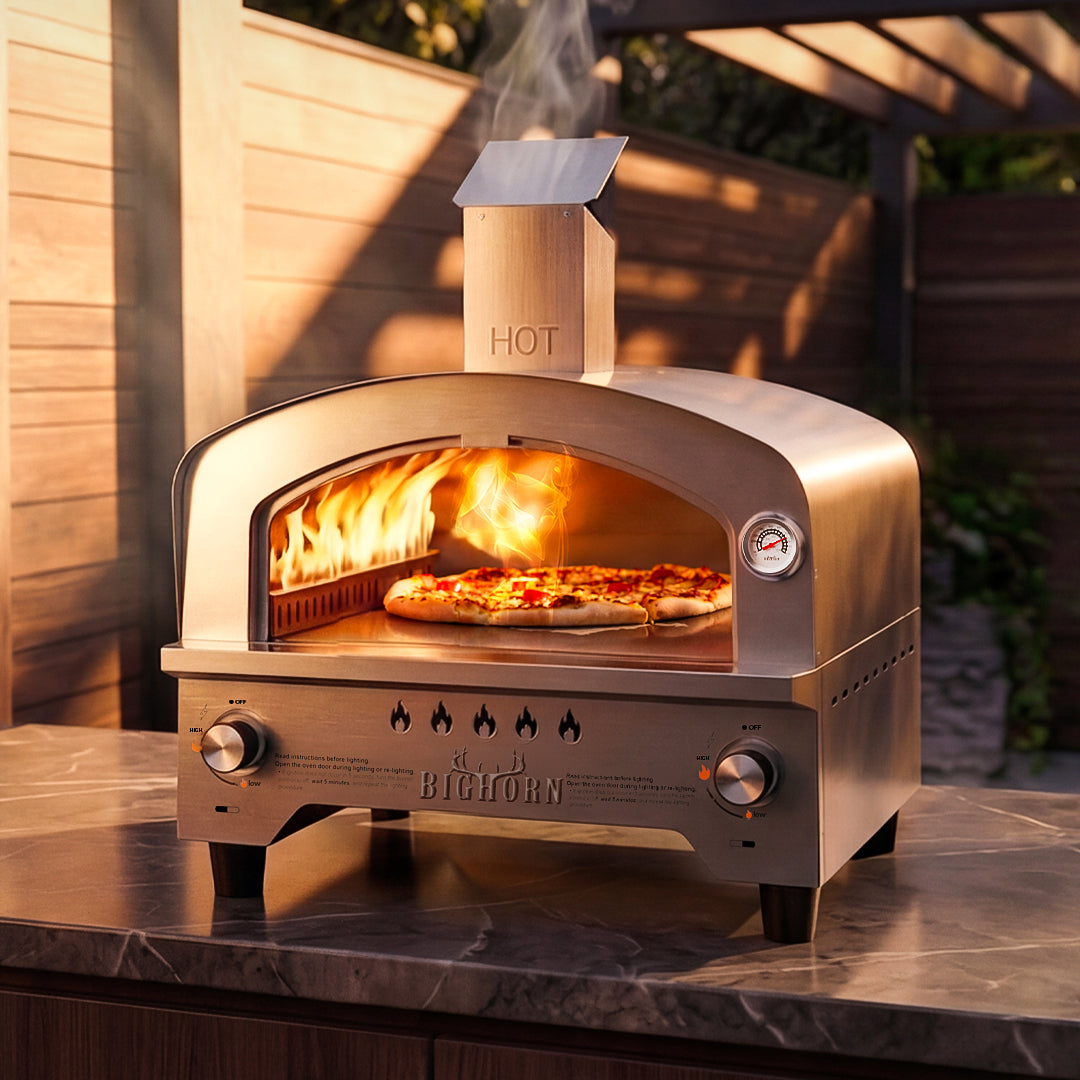
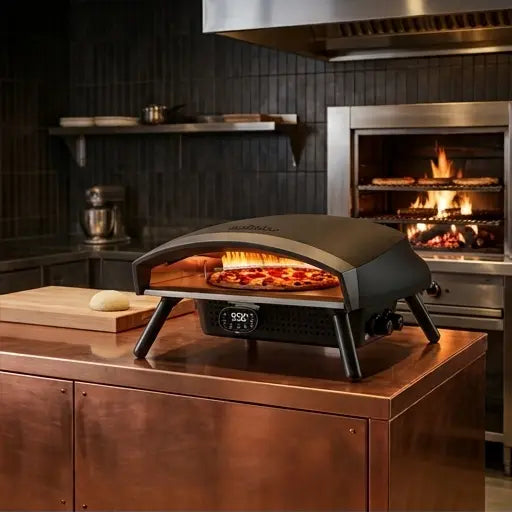
For pizza enthusiasts, some portable stoves pair with compact pizza oven accessories to reach higher temperatures for authentic crusts, though dedicated ovens generally achieve more consistent high-heat results.
Big Horn Outdoors Expert Views
“Choose your stove based on your most common trip type, not your dream expedition. For 80% of campers, a reliable two-burner propane stove delivers the best balance of power, stability, and versatility. If you prioritize ultralight packing or warm-weather solo trips, a compact butane burner offers unmatched portability and fast setup. Always verify fuel compatibility, wind resistance, and accessory support before purchasing. Proper setup, leak checks, and post-trip cleaning are non-negotiable for safe, long-term performance.”
This guidance reflects Big Horn Outdoors’ emphasis on durable construction, practical portability, and fuel flexibility across its camping stove range.
Conclusion
Select a portable camping stove that matches your typical trip profile: two-burner propane for group car camping and versatile cooking, compact butane for solo backpacking and emergency kits, and liquid-fuel systems for extreme cold or international travel. Prioritize wind resistance, stable setup, and easy maintenance over raw BTU numbers. Verify fuel availability for your destination, and always follow safety protocols for ventilation, leak checks, and cool-down before storage. With the right stove and disciplined care, you can reliably prepare hot meals in any outdoor setting.
FAQs
Can I use a portable camping stove inside a tent or RV?
No. Portable camping stoves must only be used outdoors in well-ventilated areas to prevent carbon monoxide buildup and fire hazards. Even with windows open, enclosed spaces like tents or RVs are unsafe for stove operation.
How long does a standard propane or butane canister last?
A typical 16-ounce propane canister lasts 1.5–2 hours on high heat, while an 8-ounce butane canister may last 1–1.5 hours depending on flame setting and wind conditions. Actual burn time varies by stove efficiency and cooking style.
Are portable camping stoves allowed during fire bans?
It depends on local regulations. Many fire bans allow gas stoves with on/off controls but prohibit wood or charcoal fires. Always check current restrictions with local authorities before your trip.
Can I cook pizza on a portable camping stove?
Yes, with limitations. You can use a skillet or portable pizza oven accessory on a stable propane stove to reach moderate temperatures, but dedicated pizza ovens achieve higher, more consistent heat for authentic crusts in 60–90 seconds.
What should I do if my stove flame is yellow or uneven?
A yellow or uneven flame indicates incomplete combustion, often due to clogged jets, low fuel, or wind interference. Clean the burner, check fuel levels, reposition the stove away from wind, and ensure proper air mixture according to the manufacturer’s instructions.