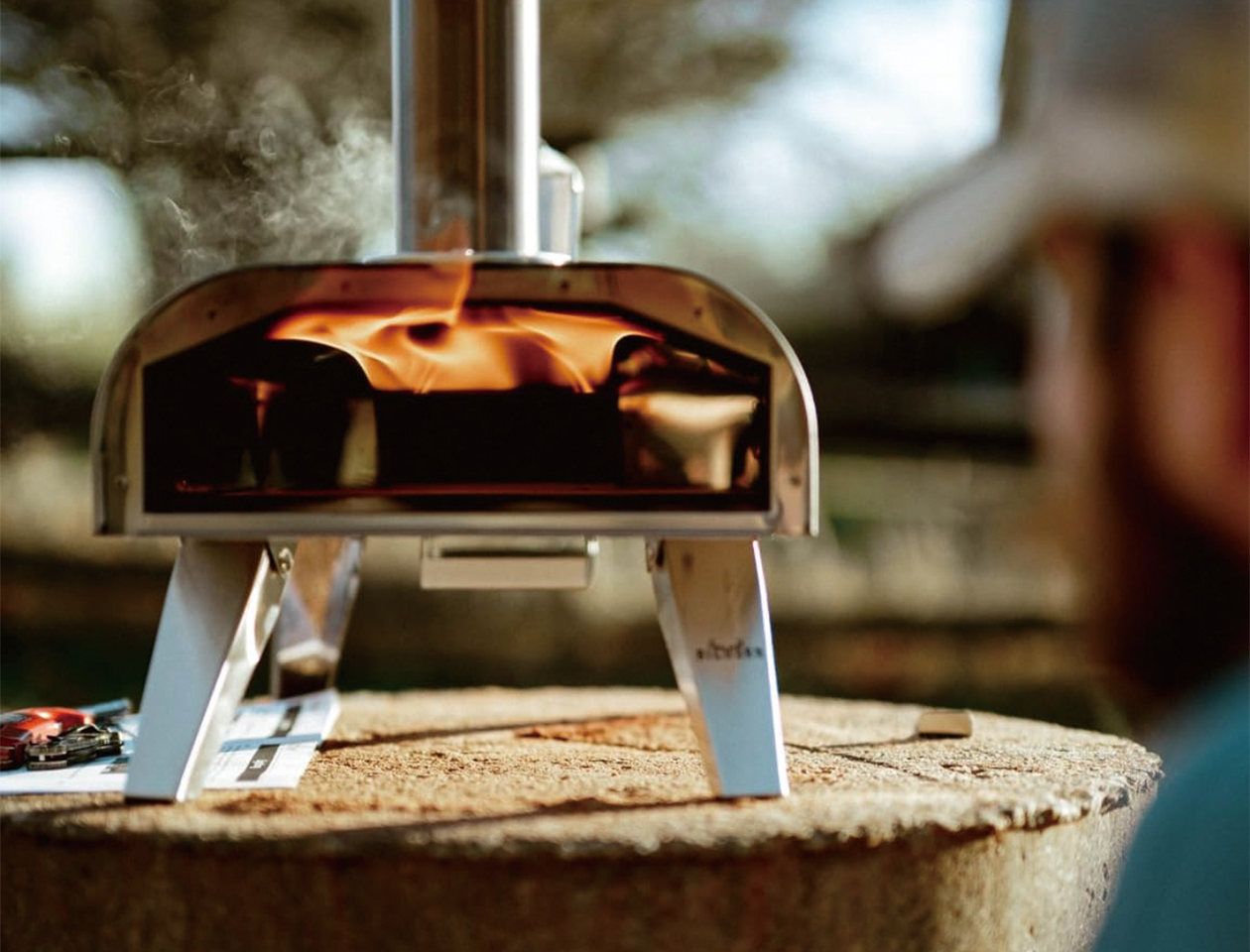
A pizza baking oven is worth buying when it delivers high, steady heat, crisp crust, melted toppings, and straightforward control. The right model matches your preferred fuel, available space, pizza size, and cooking habits. Choose durable construction, an effective stone, safe ventilation, and practical portability for memorable backyard meals, campsite dinners, and shared outdoor gatherings with family and friends year-round.
What Should You Look for in a Pizza Baking Oven?
Look for reliable heat output, a durable pizza stone, strong insulation, a stable cooking base, and enough interior space for your preferred pizza size. Easy ignition, practical temperature control, stainless-steel construction, and a comfortable oven opening also make the cooking process more enjoyable and consistent.
The best pizza baking oven should suit how and where you cook. A compact portable model can be ideal for camping, tailgating, RV travel, and smaller patios. A larger oven may better serve families, frequent hosts, and home cooks who want to prepare wider pizzas or cook several dishes at once.
Focus on these important features:
-
High and stable cooking temperatures for crisp crust and properly cooked toppings.
-
A quality pizza stone that stores and transfers heat into the dough.
-
Insulated construction that supports heat retention and efficient fuel use.
-
A wide opening that makes launching, turning, and retrieving pizza easier.
-
Foldable legs or compact dimensions for storage and transport.
-
A built-in thermometer or compatibility with an infrared thermometer.
-
Weather-resistant materials that support long-term outdoor use.
Big Horn Outdoors builds portable outdoor cooking equipment around these practical needs, combining high-heat performance, accessible operation, and durable materials for backyard cooks and outdoor enthusiasts.
Which Fuel Type Is Best for a Pizza Baking Oven?
Gas is best for easy control and quick cooking, wood pellets are ideal for flame-fired flavor, hardwood suits traditional live-fire cooking, electric works well for indoor convenience, and multi-fuel ovens provide the most flexibility. The right fuel is the one that best matches your cooking preferences and available space.
Fuel choice affects more than flavor. It changes the way you preheat, control heat, maintain the fire, and clean the oven after cooking. Beginners often prefer gas because it offers faster ignition and simpler temperature adjustments. Cooks who enjoy a more traditional outdoor experience may prefer pellets or hardwood.
Big Horn Outdoors offers pizza oven options designed for different outdoor cooking styles, including wood pellet, gas, electric, and multi-fuel choices. This flexibility allows cooks to choose a setup that fits their backyard routine, travel plans, and flavor preferences.
How Hot Should a Pizza Baking Oven Get?
For Neapolitan-style pizza, aim for a stone temperature of about 700–850°F. For New York-style, thin-crust, pan, or heavily topped pizza, use roughly 500–650°F. The correct temperature depends on dough thickness, topping quantity, pizza style, and how quickly you want the pizza to cook.
High heat creates the conditions needed for fast oven spring, crisp edges, melted cheese, and a lightly charred crust. However, maximum temperature alone does not guarantee great results. The cooking stone must also be fully heated, because it is responsible for browning and crisping the pizza base.
An oven can appear hot while the stone remains underheated. Use an infrared thermometer to check the stone before cooking. Measure the center and outer edges because temperatures can vary across the surface.
For more consistent pizza results:
-
Fully preheat the oven and stone before launching pizza.
-
Start with a lightly topped pizza to test the heat.
-
Turn the pizza every 15–30 seconds in high-heat conditions.
-
Let the stone recover between pizzas if it cools significantly.
-
Adjust the flame or fuel before cooking the next pizza.
A well-managed pizza baking oven can produce restaurant-style results in minutes, but learning its heat pattern is the key to making every cook more reliable.
How Do You Choose the Right Pizza Oven Size?
Choose a 12-inch pizza oven for compact storage, personal pizzas, and casual use. Select a 14- or 16-inch model for family meals, larger pizzas, easier turning, and broader cooking options. Always consider the oven’s exterior footprint as well as its internal cooking surface.
A larger oven gives you more room to move a pizza peel, turn the crust, and keep food away from direct flame. It can also support cast-iron pans, roasting trays, vegetables, fish, and other foods beyond pizza. This makes it a more versatile choice for outdoor entertaining.
Smaller ovens have major advantages too. They often preheat quickly, use less fuel, weigh less, and fit more easily on a patio table or camping setup. A compact oven can be the better option when portability matters more than maximum cooking capacity.
Before choosing an oven size, measure:
-
Your outdoor cooking table, cart, or countertop.
-
Clearance around the oven for safe operation.
-
Available storage space when the oven is not in use.
-
The largest pizza size you plan to make.
-
The number of guests you typically serve.
-
Whether you want to cook foods in pans or skillets.
Big Horn Outdoors portable oven designs are especially useful for people who want to move between backyards, patios, campsites, and RV trips without giving up high-heat cooking performance.
Why Does a Pizza Stone Matter So Much?
A pizza stone matters because it stores intense heat and transfers it directly into the dough. This creates a crisp, evenly browned base before the cheese and toppings overcook. A properly heated stone also helps prevent pale, soft, or soggy pizza crust.
The stone acts as the cooking foundation of a pizza baking oven. When fresh dough touches a hot stone, moisture in the dough quickly turns to steam. This helps the crust rise, set, and develop a crisp exterior with a tender interior.
Stone material and thickness affect cooking performance. Cordierite stones are popular because they tolerate high heat and sudden temperature changes well. Thicker stones generally retain heat longer between pizzas, although they can require additional preheating time.
Maintain your pizza stone with these habits:
-
Heat it gradually during normal oven preheating.
-
Avoid pouring water on a hot stone.
-
Use a dry brush or scraper to remove baked-on debris.
-
Do not use soap or chemical cleaners on the stone.
-
Let the oven cool completely before cleaning.
-
Use only a light dusting of flour to reduce burning residue.
A clean, dry, thoroughly heated stone gives your dough the strong bottom heat needed for a more professional result.
How Can You Cook Better Pizza in an Outdoor Oven?
Cook better pizza by fully preheating the stone, using rested dough, applying light toppings, launching from a floured peel, and turning the pizza regularly. Watch the crust closely because outdoor oven heat can change quickly based on fuel, wind, and flame position.
Start with dough that stretches easily and has had enough resting time. Cold or tight dough often springs back, tears, or becomes difficult to shape. Build the pizza quickly after stretching so the dough does not stick to the peel before launch.
Use this repeatable process for better results:
-
Preheat the oven until the stone reaches the desired temperature.
-
Prepare sauce, cheese, and toppings before opening the dough.
-
Stretch the dough evenly while leaving a slightly thicker outer edge.
-
Use a thin layer of sauce and avoid overloading the pizza.
-
Shake the peel gently before launch to ensure the pizza moves freely.
-
Turn the pizza frequently to prevent one side from burning.
-
Rest the finished pizza briefly before slicing and serving.
A classic margherita is an excellent first pizza for learning an oven. Its simple toppings make it easy to assess crust color, stone performance, cheese melt, and flame intensity without excessive moisture or weight.
What Can You Cook Besides Pizza?
You can cook steaks, chicken, seafood, roasted vegetables, flatbreads, baked potatoes, skillet cookies, warm dips, and cast-iron meals in a pizza oven. Adjust the heat level and cooking vessel to suit foods that need longer or gentler cooking than pizza.
A high-heat oven becomes far more valuable when used for complete outdoor meals. After cooking pizza, the oven often retains substantial heat that can be used for roasting vegetables, warming bread, baking desserts, or finishing dishes in a cast-iron pan.
Try these practical cooking ideas:
-
Sear steaks in a preheated cast-iron skillet, then rest before serving.
-
Roast peppers, onions, mushrooms, and zucchini in a shallow metal pan.
-
Cook salmon, shrimp, or chicken in an oven-safe skillet.
-
Bake garlic bread or flatbread after the oven temperature drops slightly.
-
Prepare a skillet cookie or fruit crisp using residual heat.
-
Roast potatoes with olive oil, herbs, salt, and pepper.
Big Horn Outdoors pizza ovens are designed to support flexible outdoor cooking, allowing home cooks to move from quick pizzas to roasted side dishes and flame-seared meals without changing appliances.
Where Should You Set Up an Outdoor Pizza Oven?
Set up an outdoor pizza oven on a stable, heat-safe surface in a well-ventilated open area. Keep it away from walls, overhangs, dry vegetation, flammable materials, and busy walkways. Always follow the clearance and safety instructions provided for your specific oven model.
A safe setup makes cooking more comfortable and helps protect guests, pets, and nearby property. Choose a location with enough room for the oven, fuel, pizza tools, a prep table, and a safe path for moving hot food.
Wind direction is also important. Strong gusts can affect flame behavior, increase fuel consumption, and direct smoke toward guests. If possible, position the oven in an open but partially sheltered area that does not block ventilation.
Build a more efficient outdoor cooking station with:
-
A sturdy metal, stone, or heat-resistant table.
-
A nearby prep surface for dough and toppings.
-
A long pizza peel and turning peel.
-
Heat-resistant gloves for handling hot tools.
-
An infrared thermometer for stone temperature checks.
-
A fire extinguisher appropriate for the fuel source.
-
Covered storage for fuel, accessories, and cleaning tools.
Never operate a fuel-burning pizza oven indoors, in a garage, inside a tent, or in another enclosed space. Proper ventilation is essential for safe outdoor cooking.
How Do You Clean and Maintain a Pizza Baking Oven?
Clean your pizza baking oven after it cools fully by brushing out ash and food debris, wiping the exterior with a damp cloth, and storing it dry and protected. Inspect burners, fuel connections, chimney parts, and pizza stones regularly for safe, reliable performance.
Avoid using harsh chemicals on the pizza stone. Most stains and food residue will burn away during high-heat cooking, while excess water or soap can damage the stone or create unpleasant odors during future use.
For pellet and wood-fired ovens, remove ash after every few cooking sessions. Ash buildup can limit airflow and make ignition less consistent. For gas ovens, inspect burner ports and connections periodically to ensure the flame remains even and reliable.
Seasonal maintenance should include checking for loose fasteners, surface corrosion, worn gaskets, blocked burners, and damaged ignition components. If your oven stays outdoors, use a fitted cover only after the unit has cooled completely and dried fully.
Big Horn Outdoors owners can protect long-term oven performance by cleaning fuel residue regularly, storing accessories properly, and following model-specific operating and maintenance instructions.
What Are Big Horn Outdoors Expert Views?
Big Horn Outdoors Expert Views
“Great outdoor pizza begins with heat management, not complicated technique. Preheat the stone thoroughly, keep toppings balanced, and learn how your chosen fuel responds to airflow and weather. A portable oven should make outdoor cooking more enjoyable, whether you are making a quick weeknight pizza, hosting a backyard gathering, or preparing meals at a campsite. Start with simple recipes, build confidence through repetition, and expand into steaks, vegetables, flatbreads, and cast-iron dishes as you become familiar with your oven.”
What Should You Remember Before Buying a Pizza Baking Oven?
Choose an oven that matches your fuel preference, cooking space, desired pizza size, and level of hands-on involvement. Focus on stable heat, a durable stone, safe placement, and practical portability rather than buying based only on the highest advertised temperature.
Gas is a strong choice for convenience and precise control. Wood pellets and hardwood appeal to cooks who value flame-fired flavor and a more traditional outdoor process. Multi-fuel designs can provide flexibility for cooks who want to change fuel styles for different meals and occasions.
The most useful accessories are often simple: a pizza peel, turning peel, infrared thermometer, heat-resistant gloves, and a weather-resistant cover. These tools improve safety, help manage the cooking process, and make pizza nights more consistent.
Begin with lightly topped pizzas, take notes on oven temperature and bake time, and adjust one variable at a time. With practice, your pizza baking oven can become a dependable centerpiece for outdoor meals throughout the year.
What Are Common Pizza Baking Oven Questions?
Can a pizza baking oven cook frozen pizza?
Yes. Cook frozen pizza at a lower temperature than fresh Neapolitan-style pizza, usually around 450–550°F. This gives the center enough time to heat through before the crust or cheese burns.
Does a pizza baking oven need a door?
Not always, but a door can help retain heat during preheating and between pizzas. Follow your oven manufacturer’s instructions because door use may vary according to fuel type and cooking method.
How long does a pizza baking oven take to preheat?
Most portable outdoor ovens take about 15–30 minutes to preheat, depending on the fuel source, weather, insulation, and target temperature. Check the stone temperature before launching your first pizza.
Are wood pellet pizza ovens difficult to use?
Wood pellet ovens require more attention than gas models because you manage ignition, airflow, pellet supply, and flame intensity. With regular practice, many cooks find the process simple and rewarding.
Could you use a pizza baking oven during winter?
Yes, as long as you operate it outdoors and follow all safety requirements. Cold temperatures and wind can extend preheat time and increase fuel use, so allow extra time and choose a sheltered, well-ventilated location.