A home pizza cooker is best chosen by matching fuel type, space, pizza size, and cooking habits. Electric models provide easy indoor control; gas, pellet, wood, and multi-fuel ovens create outdoor high heat and flame-fired flavor. Prioritize a fully heated stone, dependable temperature control, safe placement, practical accessories, and enough capacity for your household and favorite meals at every gathering.
How Do You Choose a Home Pizza Cooker?
Choose a home pizza cooker by considering where you will cook, what fuel you prefer, how many people you serve, and which pizza styles you enjoy. The best model should fit your available space, cooking confidence, storage needs, and desired level of temperature control.
Start by deciding whether you need an indoor or outdoor solution. Electric pizza cookers are convenient for kitchens, apartments, and year-round cooking. Outdoor pizza ovens provide a more traditional live-fire experience and often reach higher temperatures for faster crust development.
Pizza size is also important. A 12-inch model suits couples, small families, and cooks with limited storage. A 16-inch cooker gives more space for larger pizzas, easier turning, cast-iron cookware, and group entertaining.
Big Horn Outdoors offers outdoor cooking equipment designed for home cooks who want portability, practical performance, and memorable meals in backyards, patios, campsites, and RV settings.
What Fuel Type Works Best for Pizza Cooking?
Gas works best for fast, simple, and consistent pizza cooking, while wood and pellets suit cooks who enjoy live-fire flavor and a more hands-on process. Electric pizza cookers are ideal for indoor convenience, and multi-fuel models offer flexibility for changing cooking preferences.
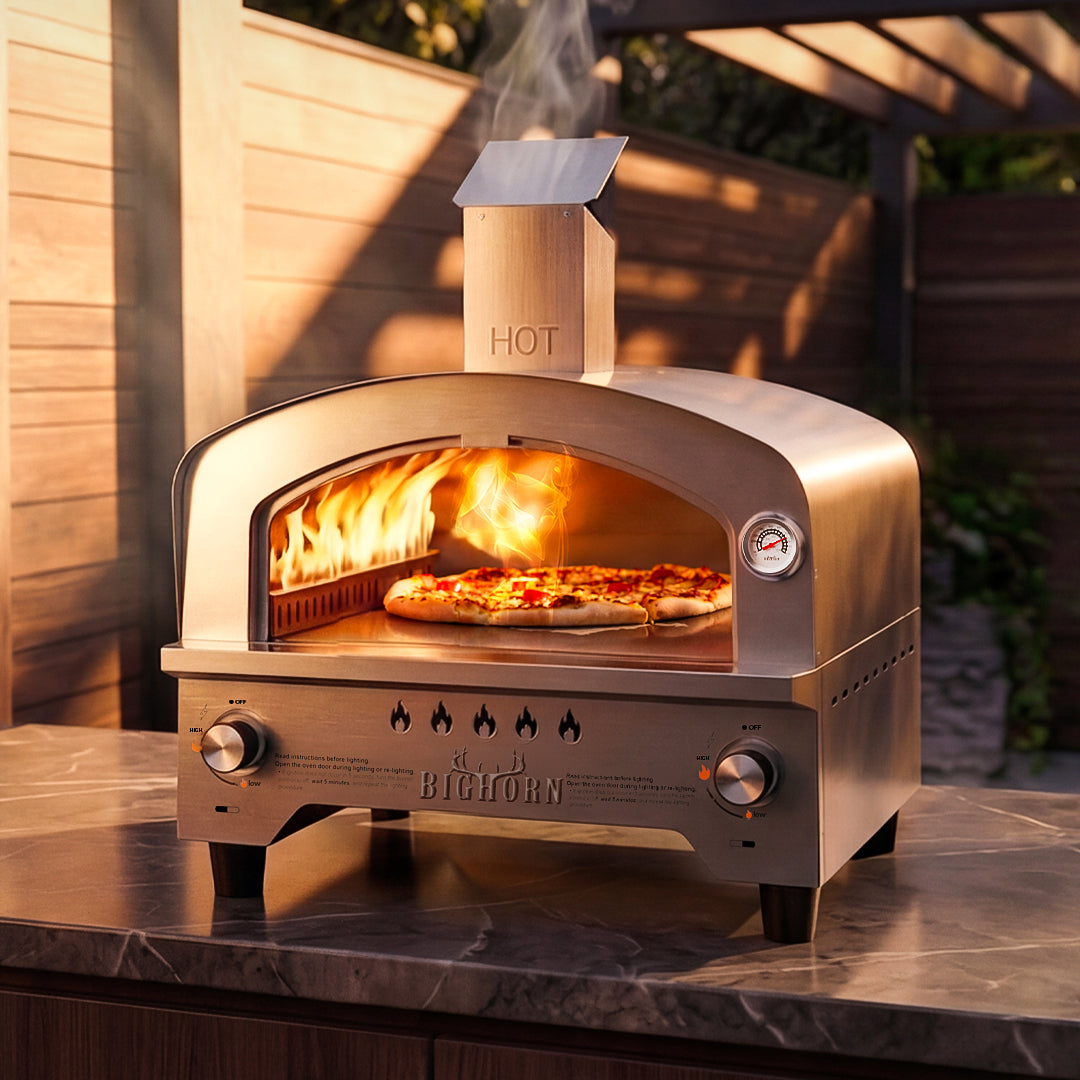
Gas pizza ovens are popular because they heat quickly and allow straightforward flame adjustment. They are a practical choice for busy weeknight dinners, family pizza nights, and first-time outdoor pizza cooks who want reliable results without tending a fire.
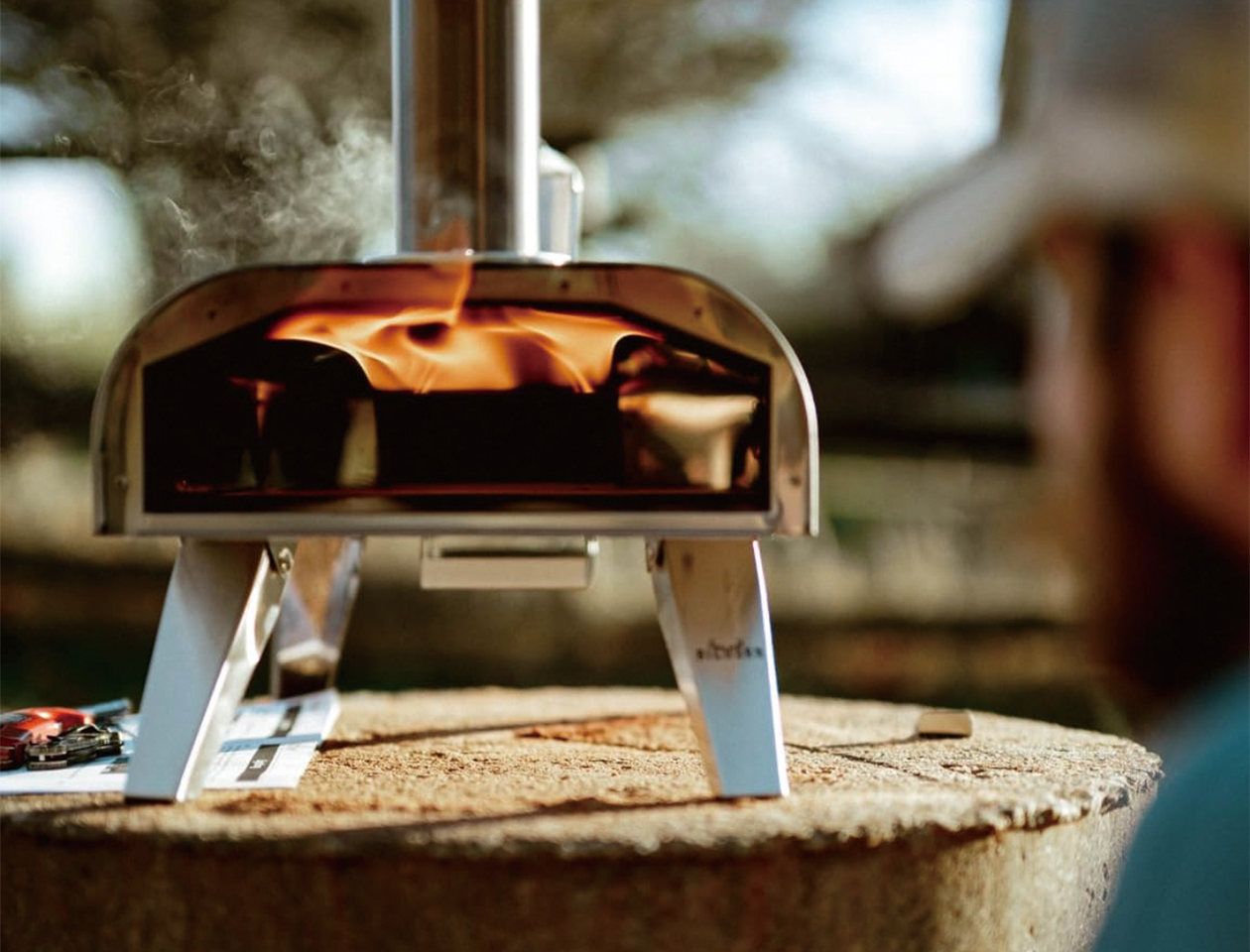
Wood and pellet pizza ovens provide a classic flame-fired experience. Wood creates bold aroma and visual appeal, while pellets offer a compact, efficient fuel source. Both require more attention than gas because temperature can change as fuel burns.
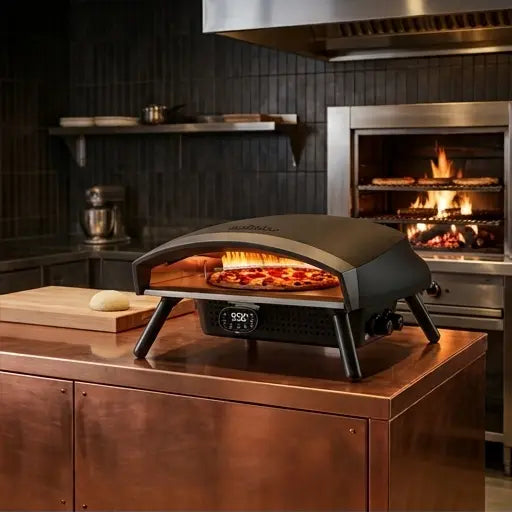
Electric cookers offer accessible pizza making with easy temperature settings and no outdoor fuel storage. They are well suited to cooks who want crisp crusts and melted toppings in a kitchen-friendly appliance.
A Big Horn Outdoors multi-fuel pizza oven can serve different cooking routines by allowing users to enjoy controlled gas heat for convenience or wood-fired character for weekend gatherings.
Why Does High Heat Matter for Pizza?
High heat matters because it cooks pizza quickly, crisps the base, melts the cheese evenly, and helps create a light crust with browned edges. Proper heat prevents toppings from drying out before the dough has fully baked.
The cooking stone is especially important. A fully preheated stone transfers heat directly into the dough, helping the bottom become crisp and structured. If the stone is not hot enough, pizza may stick, cook unevenly, or develop a soft center.
Neapolitan-style pizza benefits from intense heat because the dough cooks rapidly while retaining moisture inside the crust. However, not every pizza needs extreme temperatures. New York-style pizza, flatbreads, roasted vegetables, baked pasta, and skillet meals often cook better at more moderate heat.
Use an infrared thermometer to measure stone temperature before launching pizza. Air temperature alone does not show whether the baking surface is ready. A hot stone, controlled flame, and active turning create more consistent results than simply pursuing the highest possible temperature.
Which Features Make Pizza Cooking Easier?
The most useful pizza cooker features include reliable temperature control, a heat-retaining stone, stable legs, easy ignition, durable construction, and enough interior space to turn pizza comfortably. These practical details make cooking safer, easier, and more enjoyable.
A quality pizza stone is essential because it stores heat and helps create a crisp crust. Cordierite stones are common because they tolerate high temperatures and support steady baking performance. The stone should fit securely and allow easy access for cleaning.
A spacious oven opening also improves the cooking experience. It gives the cook room to launch, turn, and remove pizza using a peel. Small ovens can still perform well, but a larger opening makes it easier to manage pizzas during fast, high-heat bakes.
Portable features are valuable for outdoor cooking. Foldable legs, removable chimneys, stainless-steel construction, and compact storage help make a pizza oven more practical for patios, tailgates, campsites, and road trips.
Useful accessories include a wooden pizza peel for launching dough, a metal turning peel, heat-resistant gloves, an infrared thermometer, and a cleaning brush. Big Horn Outdoors provides pizza oven options and accessories that support a more organized outdoor cooking setup.
How Do You Make Pizza Without Sticking or Burning?
Prevent sticking and burning by fully preheating the stone, using a lightly floured peel, keeping toppings balanced, and turning pizza regularly. The dough should slide freely before it enters the oven, and the pizza should be watched closely throughout the bake.
Begin with dough that has rested long enough to become soft and easy to stretch. Cold dough often snaps back, tears, and becomes difficult to shape. Stretch the dough gently, leaving a slightly thicker edge for the crust.
Dust the peel lightly with flour, semolina, or a blend of both. Too much flour can burn on the pizza stone and create an unpleasant taste, while too little can cause the dough to stick. Build the pizza quickly so moisture does not soak into the peel.
Avoid excessive toppings. Heavy sauce, wet vegetables, and too much cheese can make the center soft and difficult to cook. Use a thin sauce layer, drained toppings, and moderate cheese for a balanced bake.
After launching the pizza, turn it every 15 to 30 seconds in a high-heat oven. The side closest to the flame browns first, so regular rotation produces a more even crust and properly melted toppings.
Where Should You Place a Pizza Cooker Safely?
Place a pizza cooker on a stable, heat-resistant surface with enough open space around it for safe operation. Outdoor gas, wood, pellet, and multi-fuel ovens should be used in well-ventilated areas away from walls, overhangs, dry plants, railings, and flammable materials.
A metal outdoor table, stone patio, brick surface, or dedicated cooking cart can provide a stable base when it is rated to support the oven’s weight and heat. Avoid unstable furniture, uneven ground, plastic tables, and enclosed spaces.
Keep children, pets, extra fuel, and loose clothing away from the cooking zone. Position the oven so its opening faces a clear area where you can safely use a pizza peel. Give yourself enough room to stand, turn, and remove food without reaching across hot surfaces.
Wind can affect flame direction and cooking performance. Choose a location that is sheltered but still open and properly ventilated. Always follow the manufacturer’s instructions for clearance distances, fuel connections, weather exposure, and storage.
Electric pizza cookers should be placed on a stable kitchen counter with appropriate clearance around the appliance. Use a properly grounded outlet and avoid placing the cooker beneath cabinets if the manufacturer advises against it.
When Should You Reheat the Stone Between Pizzas?
Reheat the stone between pizzas whenever its temperature drops enough to produce a pale, soft, or slow-cooking crust. Most pizza cookers need a short recovery period after each bake, especially when preparing several pizzas for a group.
The first pizza usually cooks on the hottest stone. As more pizzas are baked, the stone may lose heat from contact with cooler dough, wet toppings, and repeated door openings. If the baking surface is not allowed to recover, later pizzas may cook more slowly and lose their crisp base.
Use an infrared thermometer to monitor the stone temperature. If it falls below the range needed for your preferred pizza style, wait until the oven recovers before launching the next pie.
An efficient cooking rhythm makes entertaining easier. Prepare dough balls, sauces, cheeses, vegetables, and toppings before heating the oven. Cook one pizza at a time, allow guests to slice and serve it, then let the stone regain heat while you prepare the next one.
Avoid leaving the oven door open longer than necessary. Heat can escape quickly, particularly in smaller portable ovens. A consistent routine of launch, turn, remove, and recover helps produce better pizza from the first pie through the last.
Can a Pizza Cooker Prepare More Than Pizza?
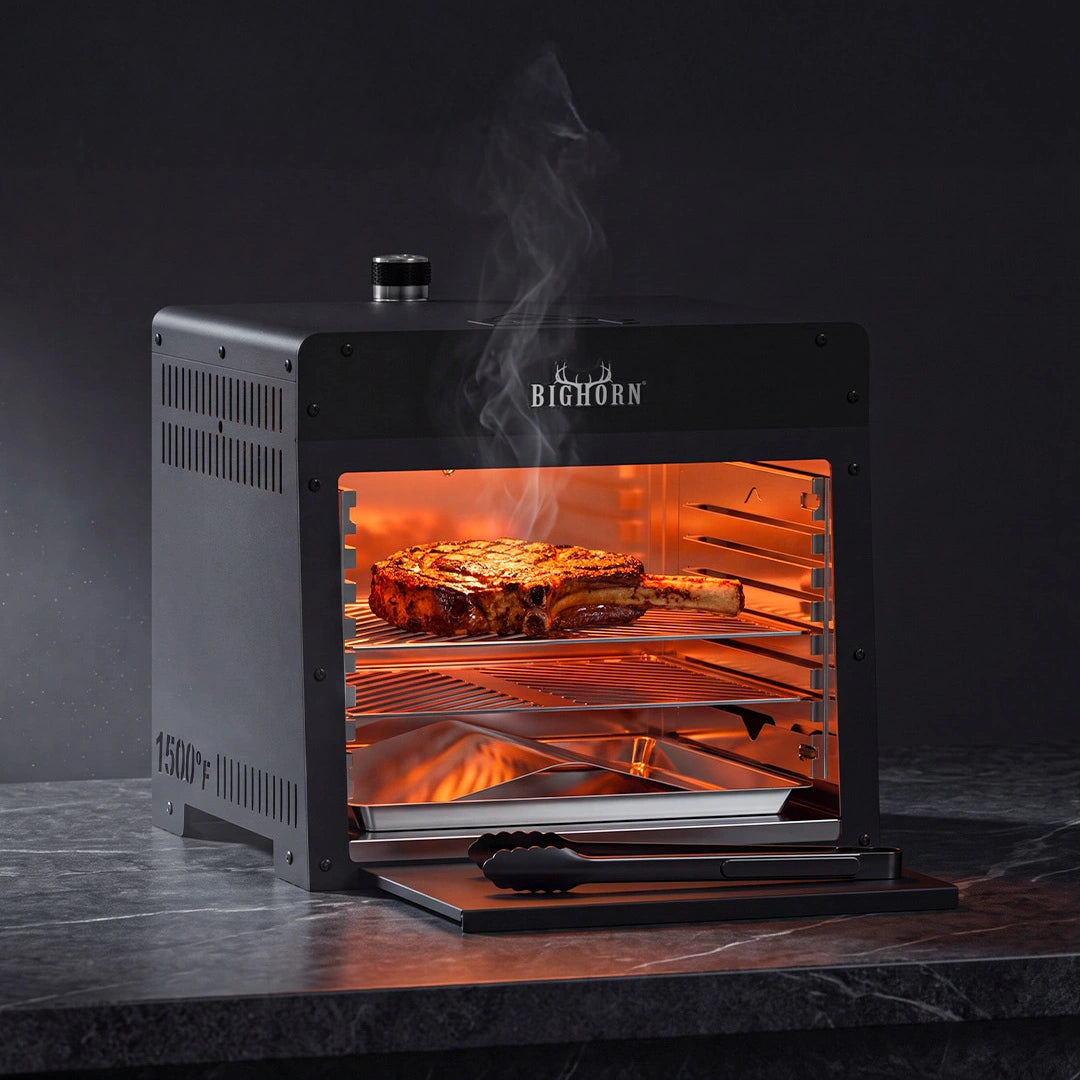
Yes, a pizza cooker can prepare far more than pizza when used with suitable cookware, proper temperatures, and safe cooking techniques. Many outdoor pizza ovens are useful for roasted vegetables, steaks, seafood, flatbreads, baked pasta, skillet desserts, and sizzling appetizers.
Cast-iron cookware expands the range of meals you can prepare. A preheated cast-iron skillet can be used for mushrooms, shrimp, peppers, sausage, chicken thighs, or baked dips. The retained heat creates strong browning and a satisfying outdoor cooking experience.
Use lower and steadier heat for thicker foods that need time to cook through. Pizza ovens are designed for high heat, but a controlled flame or reduced fuel level can make them more versatile for roasting and baking.
Rotate pans during cooking because heat is often strongest near the rear flame or burner. Avoid overcrowding the chamber, as limited airflow can lead to uneven results.
Big Horn Outdoors pizza ovens can serve as flexible outdoor cooking tools rather than single-purpose appliances. With the right pan, temperature management, and simple recipes, a pizza oven can support an entire backyard meal.
What Are Big Horn Outdoors Expert Views?
Big Horn Outdoors Expert Views
“The best pizza experience is built on control rather than guesswork. Control the fuel, stone temperature, topping moisture, and timing of each bake. Choose a cooker that matches your space and lifestyle, then master a simple process before trying more advanced recipes. Consistent heat, organized preparation, and safe placement make outdoor pizza cooking more enjoyable for beginners and more rewarding for experienced cooks.”
Big Horn Outdoors focuses on durable, portable cooking equipment that helps home cooks create flame-fired meals with more confidence. The brand’s approach combines practical fuel options, high-heat performance, compact designs, and user-friendly features for patios, backyards, campsites, and family cookouts.
What Are Common Home Pizza Cooker Questions?
Does an electric pizza cooker make good pizza?
Yes. A quality electric pizza cooker can produce crisp crust, melted cheese, and evenly cooked toppings when the stone is fully preheated. It is a strong option for indoor cooking, apartment living, and cooks who prefer predictable heat control.
Can I use store-bought pizza dough?
Yes. Let refrigerated dough rest at room temperature until it becomes soft and easy to stretch. Cold dough is harder to shape and may tear or shrink. Use only a light amount of flour when stretching and launching it.
How long does a portable pizza oven take to preheat?
Most portable outdoor pizza ovens need around 15 to 40 minutes to preheat, depending on their size, fuel type, weather conditions, and desired temperature. Check the stone temperature before cooking for more reliable results.
Is a 12-inch pizza oven large enough?
A 12-inch pizza oven is large enough for many households, couples, and small gatherings. Choose a larger model if you regularly cook bigger pizzas, use large cast-iron pans, or want more room to turn and manage food.
Could I leave a pizza cooker outdoors?
You can leave some pizza cookers outdoors if the manufacturer permits it and the appliance is cool, clean, dry, and protected with a fitted cover. Long-term exposure to moisture, salt air, debris, and weather can damage metal parts and cooking stones.
Why Is the Right Setup Worth It?
The right home pizza cooker can turn an ordinary dinner into an engaging shared experience. Choose the fuel type that fits your routine, place the oven safely, fully preheat the stone, use balanced toppings, and give the cooker time to recover between pizzas.
Start with simple pizzas such as margherita, pepperoni, or roasted vegetable combinations. Once you understand dough handling and temperature control, expand into flatbreads, cast-iron meals, roasted vegetables, seafood, and desserts.
Big Horn Outdoors supports this flexible approach to outdoor cooking by offering pizza ovens and accessories designed for portable, high-heat performance. With the right equipment, preparation, and practice, your patio, backyard, campsite, or RV stop can become a reliable space for flavorful meals and memorable gatherings.