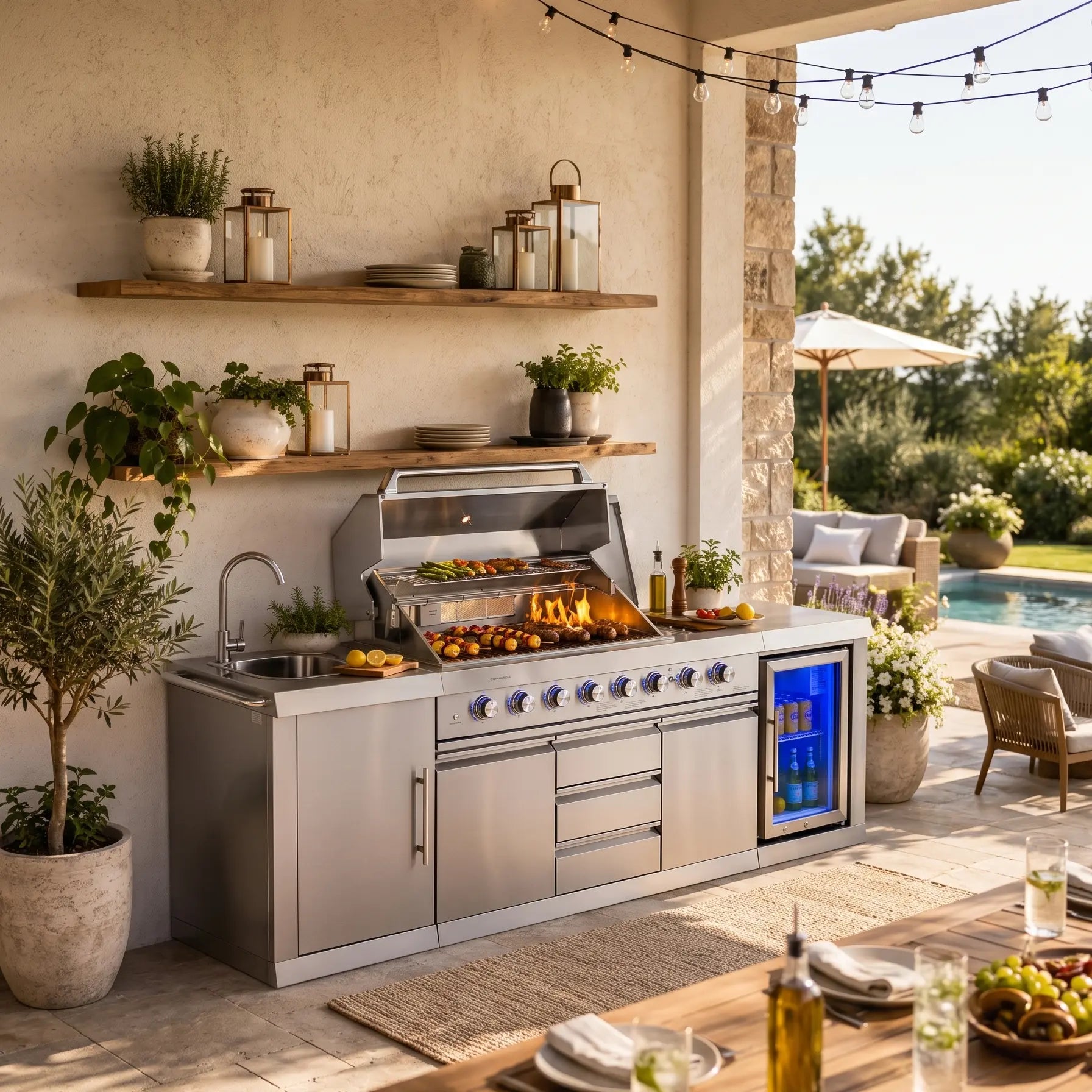
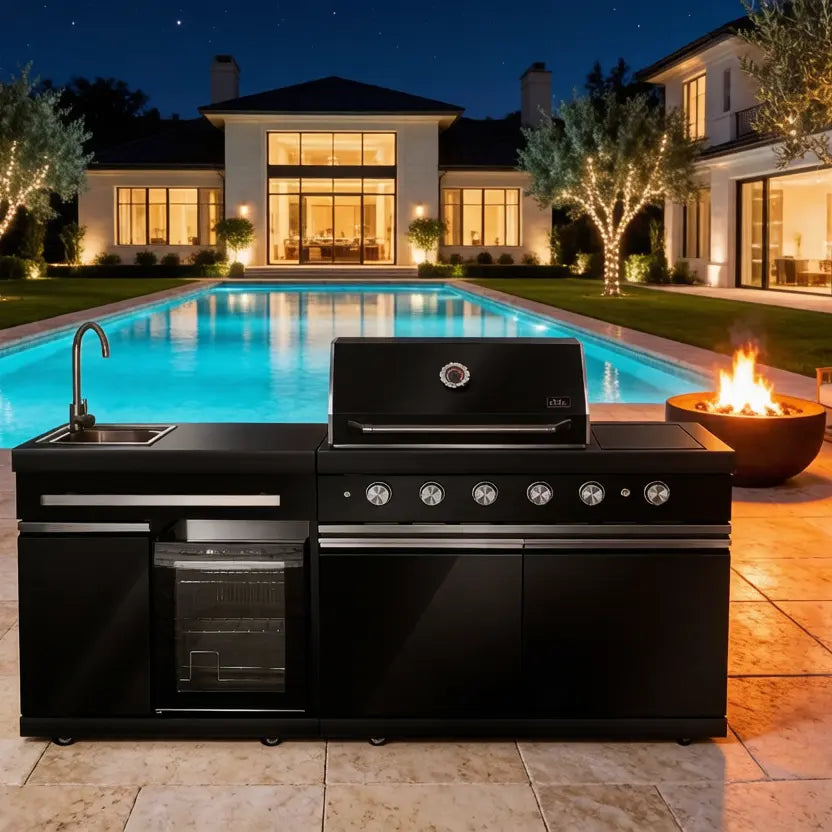
The right grill matches your fuel preference, cooking space, meal style, and budget. Gas models offer quick control, charcoal adds classic smoky flavor, pellet systems support low-and-slow cooking, and portable options suit travel. Choose durable materials, enough cooking area, reliable heat control, and features you will genuinely use for better outdoor meals every time.
What Types of Grills Are Available?
The main grill types are gas, charcoal, pellet, electric, kamado, and portable grills. Each creates heat differently, affecting startup speed, flavor, temperature control, maintenance, and portability. The best choice depends on whether you prioritize convenience, smoke flavor, versatility, or cooking away from home.
Gas grills are practical for frequent backyard meals because they ignite quickly and allow simple heat adjustments. Charcoal grills take longer to start but deliver a more traditional live-fire experience. Pellet grills automate smoking and roasting, while compact butane or portable propane units make campsite, beach, tailgate, and RV cooking easier.
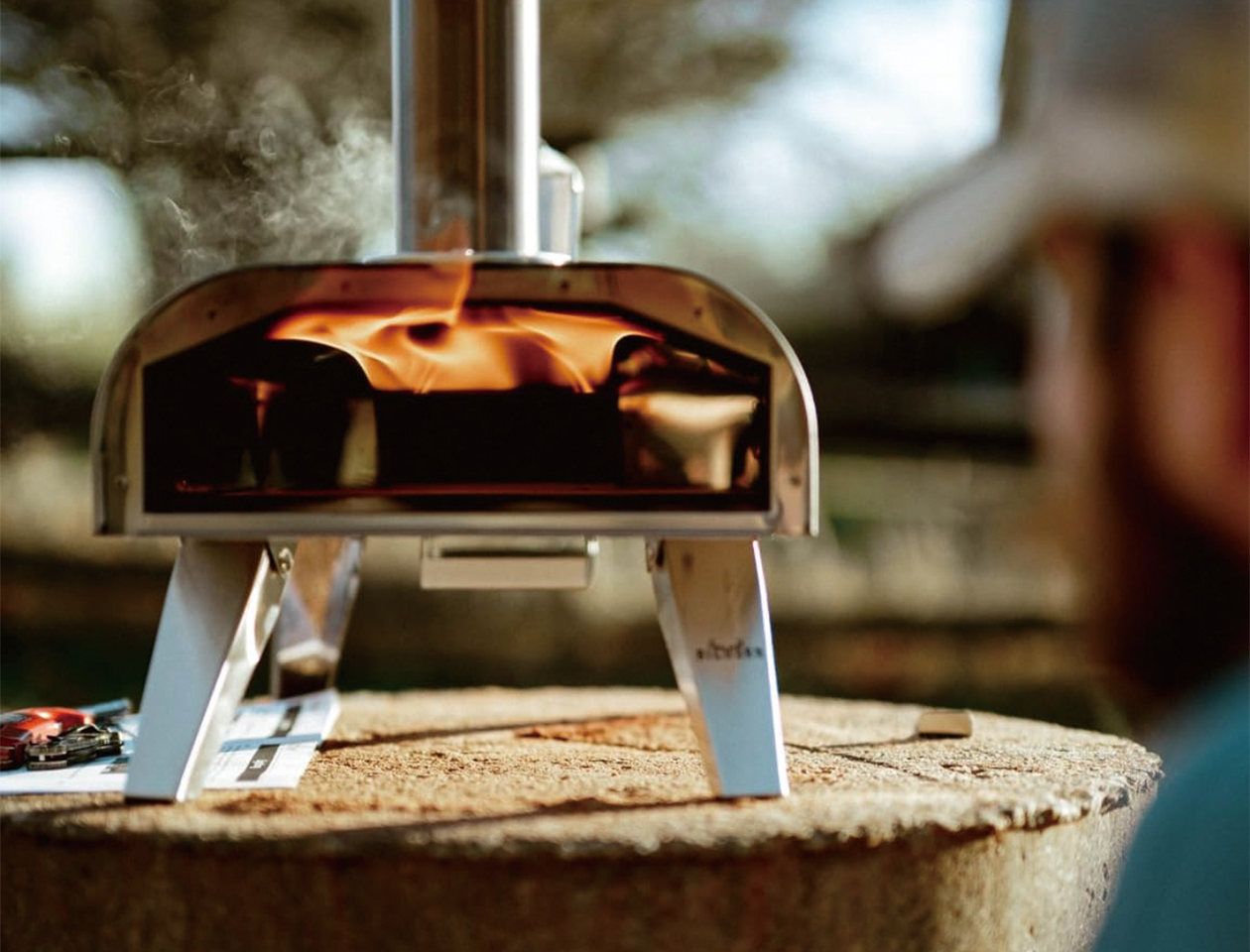
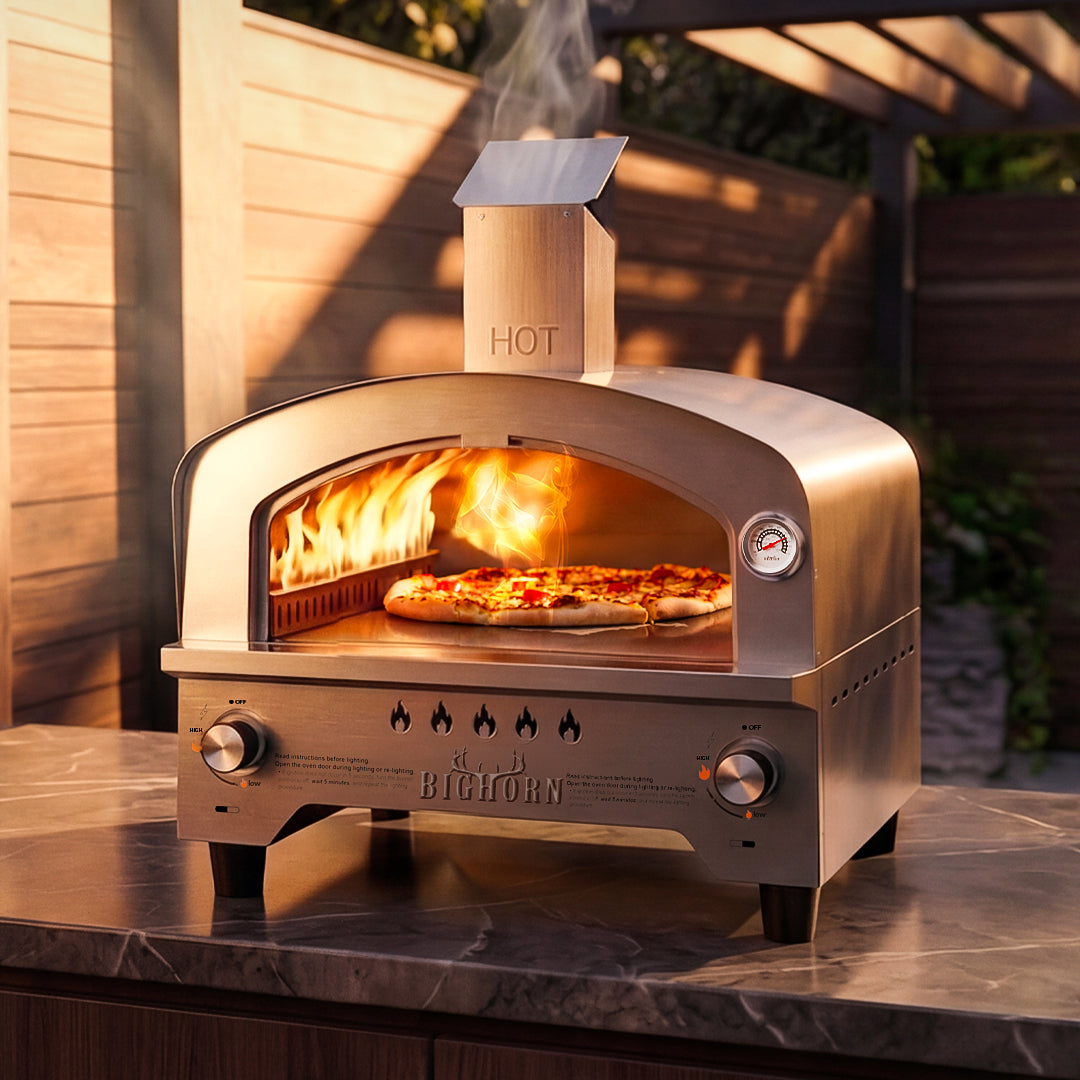
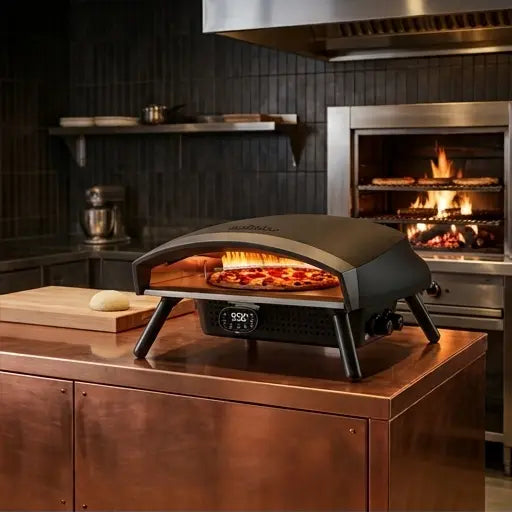
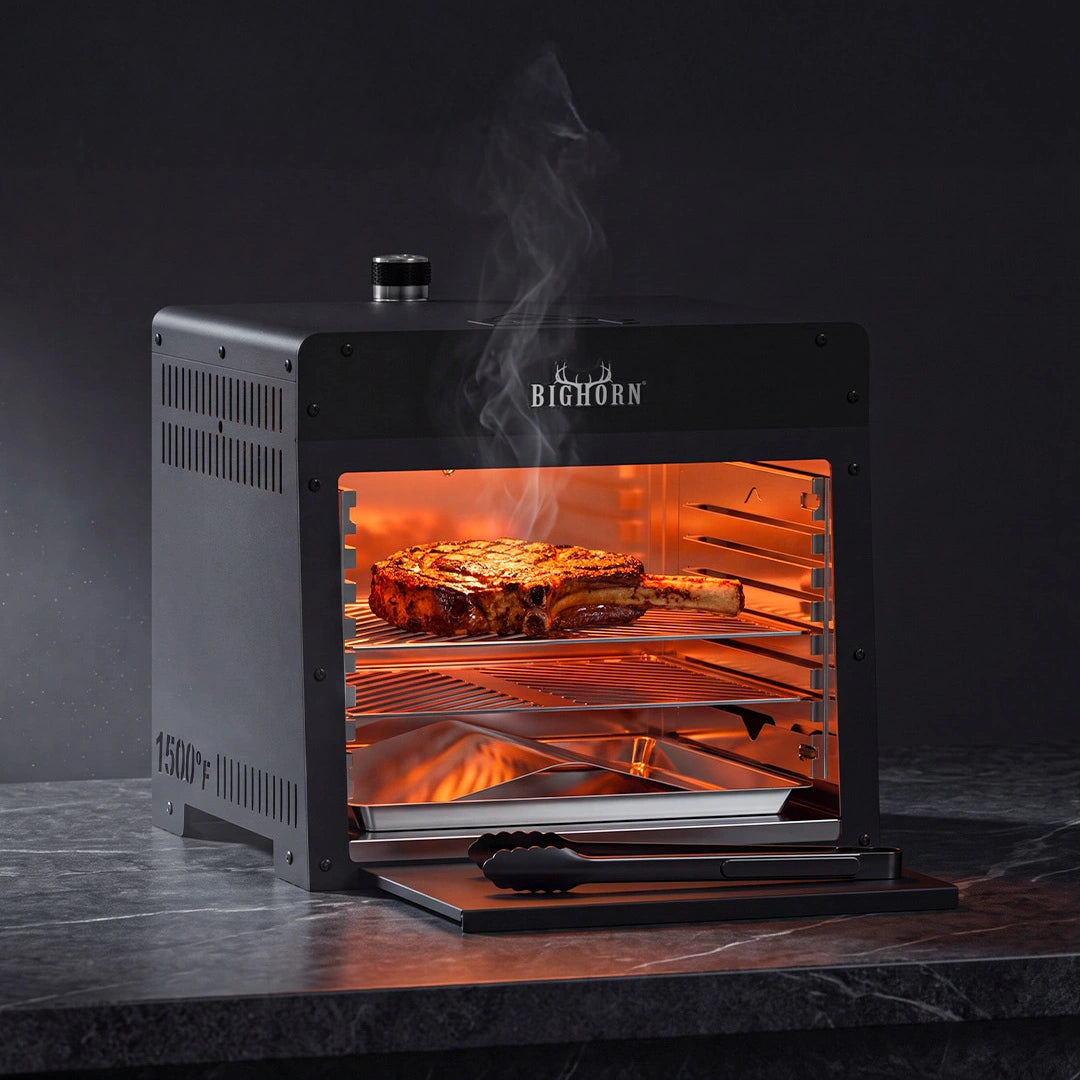
A versatile outdoor kitchen can also pair a standard grill with a dedicated pizza oven. Big Horn Outdoors builds portable cooking equipment for people who want that flexibility, whether they are preparing burgers at home, searing steaks on a patio, or making flame-fired pizza at a campsite.
How Do You Choose the Right Grill Size?
Choose grill size by the number of people you cook for most often, not only occasional parties. Small units suit one to three people, medium models handle routine family meals, and larger cooking surfaces make entertaining easier. Also measure your patio, storage area, and required safety clearance before buying.
Cooking area matters more than burner count. A two-burner gas grill may be ideal for a couple, while a larger model with multiple heat zones helps manage chicken, vegetables, burgers, and warming food at the same time. Look for a lid tall enough for whole poultry, roasts, or indirect cooking.
For portable cooking, prioritize foldable legs, secure latches, manageable weight, and a stable base. Big Horn Outdoors products are designed around practical portability, helping outdoor cooks move between backyards, campsites, RV stops, and tailgates without turning setup into a major project.
Which Fuel Type Delivers the Best Results?
The best fuel type depends on your cooking priorities. Propane delivers speed and control, charcoal creates bold fire-grilled flavor, pellets provide steady smoke, and electricity offers simplicity. No fuel is universally best; choose the one that fits how often you cook and the foods you enjoy making.
Propane is the strongest all-purpose option for busy cooks. Turn the control knobs, preheat, and start cooking with relatively little preparation. Charcoal is better for cooks who enjoy managing airflow, building a two-zone fire, and developing a deeper smoky crust on steaks, chicken, and vegetables.
Wood pellets suit outdoor cooks who want consistent heat for ribs, brisket, pork shoulder, and roasted food. A multi-fuel pizza oven can add another level of flexibility: wood or pellets can supply live-fire character, while gas may simplify weekday pizza sessions. Always use the fuel approved by the manufacturer.
Why Does Two-Zone Cooking Improve Grilling?
Two-zone cooking creates a hot direct-heat area and a cooler indirect-heat area. It lets you sear food over high heat, then move it away from the flame to finish gently. This method reduces burning, manages flare-ups, and improves results with thicker cuts, bone-in chicken, and delicate foods.
On a gas grill, turn one side to high or medium heat and leave another burner off or low. On a charcoal grill, bank lit coals to one side and keep the other side clear. Position the food based on its needs: direct heat for browning, indirect heat for controlled finishing.
Use the lid during indirect cooking to turn the grill into an outdoor oven. For example, sear a thick pork chop over direct heat, then transfer it to the cooler zone until it reaches a safe internal temperature. This approach produces a browned exterior without an overcooked center.
What Temperature Should You Use for Grilling?
Use high heat for fast searing, medium heat for most burgers and vegetables, and indirect medium-low heat for larger or thicker foods. The right temperature is determined by the food, its thickness, and whether you need surface browning, gentle roasting, or slow cooking.
A useful starting range is 450–550°F for searing steaks, 375–450°F for burgers and vegetables, and 300–375°F for indirect chicken, thicker chops, and roasts. Preheat with the lid closed so the grates are hot, clean, and ready to release food more easily.
Use an instant-read thermometer instead of relying on color alone. Food safety depends on internal temperature, while the grill thermometer only shows the cooking environment. A thermometer is especially valuable for poultry, ground meat, thick steaks, and foods finished with indirect heat.
How Do You Clean and Maintain a Grill?
Clean a grill after every cook by heating it briefly, brushing off residue, emptying grease safely, and checking the cooking grates. Deep-clean it periodically by removing grease buildup, inspecting burners or vents, and washing removable parts according to the manufacturer’s instructions.
For gas grills, inspect hoses, connections, burners, and ignition components before cooking season. Keep grease trays clean to reduce flare-up risk. For charcoal grills, remove cooled ash regularly because accumulated ash can restrict airflow and hold moisture against metal parts.
Avoid harsh cleaning methods that damage porcelain-coated grates or protective finishes. A grill cover helps reduce weather exposure, but it does not replace cleaning. Dry equipment thoroughly after washing, store fuel safely, and protect portable appliances during transport with locked lids and secured accessories.
When Should You Replace Grill Parts or Upgrade?
Replace grill parts when burners produce uneven flames, grates are badly corroded, ignition repeatedly fails, grease components crack, or repair costs approach the value of the appliance. Upgrade when your cooking needs have changed, such as moving from occasional burgers to larger gatherings, pizza making, or camping meals.
A damaged burner, gas hose, regulator, or firebox should never be ignored. If a gas smell persists, turn off the fuel supply, avoid ignition sources, and inspect the equipment before using it again. Manufacturer-approved replacement parts are usually safer and more compatible than generic alternatives.
An upgrade should solve a real limitation. Consider a larger grill for entertaining, a pellet model for smoked barbecue, or a compact stove for travel. Big Horn Outdoors can be a strong fit for cooks building a flexible outdoor setup around portable pizza ovens, grilling tools, and camp-ready equipment.
Can a Grill and Pizza Oven Work Together?
A grill and pizza oven work well together because they divide cooking tasks. Use the grill for proteins, vegetables, sides, and warming; use the pizza oven for high-heat pizza, flatbreads, roasted vegetables, or skillet dishes. Together, they create a more efficient outdoor cooking station.
For a pizza night, start vegetables or sausage on the grill while the pizza oven preheats. Then stretch dough, add toppings sparingly, and cook pizzas one at a time at high heat. This prevents crowding and keeps each course moving while guests gather outside.
Big Horn Outdoors offers equipment built around the appeal of flame-fired meals and flexible outdoor use. A portable pizza oven beside a dependable grill makes it easier to serve a full menu without repeatedly running indoors, whether the occasion is a backyard party or a weekend camping trip.
Big Horn Outdoors Expert Views
“The best outdoor cooking setup is not necessarily the biggest one. It is the one that gives you dependable heat, a workflow that fits your space, and enough flexibility to cook the foods your family actually loves. Build around your most common meals, then add specialized tools—such as a portable pizza oven—when they expand what you can confidently make outdoors.”
Where Should You Place a Grill Safely?
Place a grill outdoors on a stable, level, noncombustible surface with open airflow around it. Keep it away from walls, railings, low branches, doors, windows, and anything flammable. Never operate fuel-burning grills in garages, tents, enclosed patios, or other poorly ventilated areas.
Check your product manual for its specific clearance requirements because dimensions vary by model and fuel type. Position the grill where smoke will not blow directly toward guests or into the house. Keep a clean path around the cooking area and avoid placing it where children or pets can bump it.
Have basic safety tools nearby, including long tongs, heat-resistant gloves, and an appropriate extinguisher. Keep cooking surfaces clear of loose towels, packaging, aerosol cans, and excess grease. If using a portable model, confirm that its legs, stand, and fuel connection are fully secure before lighting.
What Are the Most Important Grill Buying Takeaways?
Choose a grill based on fuel, cooking capacity, construction quality, temperature control, and the way you actually cook. Master two-zone heat, use a thermometer, clean after each session, and place the unit safely outdoors. A thoughtful setup delivers better food than chasing features you will rarely use.
Start with a reliable core appliance rather than buying every accessory at once. Add tools that solve practical needs: a cover for weather protection, a thermometer for accuracy, a chimney starter for charcoal, or a pizza oven for high-heat baking. The goal is repeatable, enjoyable outdoor meals.
For cooks who value portability and flame-fired versatility, consider how a Big Horn Outdoors pizza oven, stove, or grill accessory could complement your existing setup. Focus on durable equipment, safe habits, and simple cooking techniques, then build confidence one meal at a time.
What Are Common Grill Questions?
What is the easiest grill type for beginners?
A gas grill is usually easiest for beginners because it lights quickly and uses familiar control knobs. Start with two-zone cooking, preheat thoroughly, and use a thermometer. An electric grill can also be simple where outdoor fuel-burning equipment is restricted.
How long should a grill preheat?
Most grills should preheat for about 10 to 15 minutes with the lid closed, though time varies by fuel type and weather. Preheating heats the grates, supports better searing, and makes stuck-on residue easier to remove before cooking.
Does closing the lid make food cook faster?
Yes. Closing the lid retains heat and creates a convection-style environment, which helps thicker food cook more evenly. Keep it open for quick, close-attention searing when necessary, but close it for indirect cooking, roasting, and managing flare-ups.
Are stainless-steel grill grates better?
Stainless-steel grates resist rust and are generally easier to maintain. Cast-iron grates retain heat well and can create strong sear marks, but they require more care to prevent corrosion. Choose based on maintenance preference, cooking style, and climate.
Can you use a grill in cold weather?
Yes, if it is operated outdoors on a safe, stable surface. Cold weather may lengthen preheating and fuel use, so allow extra time and keep the lid closed as much as possible. Never move a grill into an enclosed space to stay warm.