Hybrid and electric pizza ovens are growing because home cooks want fast, flexible, restaurant-style pizza without committing to a permanent outdoor kitchen. Electric models offer controlled heat and simpler operation, while multi-fuel pizza ovens appeal to cooks who want live-fire flavor alongside a more convenient fuel option. The right choice depends on the approved cooking location, available space, and preferred cooking routine.
What Is Driving Pizza Oven Market Growth in 2026?
Pizza oven market growth is being driven by backyard entertaining, compact living spaces, portable cooking equipment, and demand for more controlled at-home pizza-making. Market estimates vary by category and geography, but major forecasts place the broader global pizza-oven market at approximately $2.8 billion in 2026, with annual growth near 7%.
Consumers are no longer choosing only between a permanent brick oven and a conventional kitchen oven. Portable pellet ovens, propane-fired models, electric countertop ovens, and multi-fuel systems give buyers more ways to make pizza in patios, backyards, campsites, kitchens, and other approved locations.
Several changes are shaping demand:
-
Home cooks increasingly want pizza-making to be part of social gatherings rather than a restaurant-only experience.
-
Smaller yards, patios, balconies, and RV setups favor compact appliances that can be stored between uses.
-
Electric controls, preset modes, and gas burners make high-heat cooking more approachable for beginners.
-
Multi-fuel pizza ovens let some users choose between live-fire cooking and an alternative approved heat source.
-
Buyers are looking beyond pizza to bread, roasted vegetables, baked dishes, and other foods that suit the oven’s design and instructions.
The category’s growth does not mean one fuel type is best for every household. A practical purchase starts with the cooking environment, ventilation, storage space, electrical access, and the amount of hands-on fire management the cook wants.
Big Horn Outdoors Expert Views
“Choose the cooking method before choosing the oven style. Pellet-fired cooking suits people who enjoy managing live heat and want smoke character, while electric cooking supports controlled, repeatable results in locations approved for the specific model. A hybrid oven is most useful when both fuel modes fit your routine. Before cooking, confirm the oven’s approved location, fuel requirements, electrical needs, clearance instructions, and accessory compatibility.”
Which Pizza Oven Fuel Type Fits Your Cooking Style?
Pellet ovens suit cooks who enjoy live-fire cooking, gas ovens suit frequent outdoor use with adjustable flame, electric ovens suit controlled countertop baking, and hybrid ovens suit buyers who will genuinely use more than one approved fuel mode. Fuel choice affects flavor, setup, cleanup, ventilation, and portability.
A fuel system changes the full cooking experience, not simply the oven temperature. Pellet and wood-based cooking require fuel handling, fire management, and ash removal. Gas provides a more direct ignition and flame-control workflow. Electric models remove combustion from the cooking process but require suitable electrical service and proper placement.
Big Horn Outdoors offers pellet, gas, electric, and multi-fuel pizza ovens, but product features vary by model. Buyers should confirm the exact fuel compatibility before assuming that an oven can accept a burner, electric element, or other conversion accessory.
A hybrid oven makes sense when it solves a real cooking need. For example, a cook may prefer pellet heat for a weekend outdoor pizza night but want electric operation for controlled cooking when the model’s instructions allow it. If one fuel will be used almost every time, a dedicated single-fuel oven may be simpler to maintain and store.
How Do You Choose Between Portable and Countertop Ovens?
Choose a portable oven when you need outdoor flexibility, travel-friendly storage, or seasonal use; choose a countertop electric oven when stable placement and controlled operation matter more. Measure the oven’s complete footprint, required clearance, and storage area instead of relying only on its pizza-size label.
A 12-inch or 14-inch pizza capacity does not describe the appliance’s exterior dimensions, door clearance, chimney height, electrical-cord placement, or safe distance from surrounding materials. Those practical details matter before an oven reaches the patio or kitchen counter.
Portable pizza ovens are often a better fit for:
-
Renters who need equipment that can be stored after use.
-
Campers and RV travelers with a safe, approved outdoor cooking area.
-
Backyard cooks who do not want a permanent outdoor-kitchen installation.
-
Households with limited patio space or seasonal cooking habits.
Countertop electric ovens are often a better fit for:
-
Cooks who want year-round pizza-making in an approved indoor setting.
-
Beginners who prefer presets and consistent heat control.
-
Homes where open-flame cooking is impractical or not permitted.
-
Families who want a compact appliance with less fuel handling and no ash cleanup.
Big Horn Outdoors offers portable and countertop pizza-oven formats. Its 12-inch wood-pellet pizza oven has folding legs, stainless-steel construction, and a listed weight of 24.9 pounds. Those details apply to that specific pellet model and should not be transferred to other Big Horn Outdoors ovens.
For a permanent outdoor kitchen, plan the pizza oven as part of the full layout. Include prep space, safe clearances, ventilation, storage for fuel or accessories, and a stable heat-safe surface. A pizza oven should not be placed into an outdoor island without checking the manufacturer’s installation requirements.
Can Electric Pizza Ovens Create Restaurant-Style Pizza at Home?
Yes. An electric pizza oven can produce crisp crust, melted toppings, and balanced browning when it has sufficient heat, a fully preheated stone, and appropriate top-and-bottom heat control. It does not replicate every aspect of live-fire cooking, but it can provide a consistent and practical at-home gourmet experience.
Electric pizza ovens appeal to cooks who value repeatability. Instead of managing flame intensity or adding pellets during a cook, the operator can focus on dough preparation, topping balance, baking mode, and stone recovery between pizzas.
The Big Horn Outdoors 14-inch Indoor Electric Countertop Pizza Oven is listed with six preset modes: Manual, Wood Fired, Frozen, New York, Thin Crispy, and Deep Dish. Its product information also lists upper and lower heating elements, a removable pizza stone, and a 14-inch pizza capacity. These features are specific to that indoor electric countertop model.
A controlled electric workflow can help cooks develop reliable habits:
-
Preheat the stone fully before launching the first pizza.
-
Use restrained toppings, especially on thin dough.
-
Avoid excessive flour on the peel, which can burn on the stone.
-
Let the cooking surface regain heat between pizzas.
-
Follow the appliance instructions for countertop clearance, electrical use, and cooldown.
Electric outdoor cooking equipment should never be assumed safe for wet conditions or outdoor exposure unless the exact product manual explicitly permits it. Indoor approval and outdoor suitability are separate product claims.
Why Does Heat Management Matter More Than Maximum Temperature?
Maximum temperature matters, but balanced heat determines whether a pizza cooks evenly. The stone must set the crust while radiant heat browns the rim and melts toppings at a compatible pace. An overheated stone can burn the bottom before the center finishes, while insufficient top heat can leave the crust pale.
Pizza ovens cook quickly because several types of heat work together. The stone transfers direct heat into the dough, while the upper chamber provides radiant heat for cheese, toppings, and the raised edge of the crust.
A raw pizza also lowers the stone’s surface temperature. This is why back-to-back cooking requires attention to stone recovery rather than relying only on the oven’s highest advertised temperature.
How to build a repeatable routine
-
Preheat the oven with its stone or cooking surface installed.
-
Confirm that the stone is properly heated before the first launch.
-
Use dough thickness and topping quantity that match the oven’s cooking speed.
-
Turn pizzas as needed to manage uneven browning.
-
Allow recovery time if the bottom starts cooking too slowly.
The Big Horn Outdoors 12-inch wood-pellet pizza oven is listed with an 18- to 20-minute preheat, temperatures up to 887°F, and pizza cooking times of 60 to 90 seconds under appropriate conditions. These figures apply only to that exact pellet model. Weather, dough composition, toppings, fuel quality, and cooking technique can all affect actual results.
An infrared thermometer can help monitor stone temperature, but it should support—not replace—visual checks of crust color, cheese browning, and dough doneness.
What Cooking Capacity Do You Need for Pizza Night?
Choose oven capacity according to the pizza size you serve, the number of guests, and the amount of room you need for turning and launching. Compact ovens can work well for small groups, while larger formats provide more flexibility for shareable pizzas and repeated cooking.
A 12-inch pizza generally serves one hungry adult or two people as part of a meal with salads, vegetables, wings, or dessert. A 14-inch pizza is more naturally shareable. Larger pizzas can reduce the number of launches required when feeding a family or group.
Capacity also affects your workflow:
-
A compact oven supports smaller dough portions and simpler storage.
-
A larger oven gives more room to turn a pizza and manage toppings.
-
Frequent hosts benefit from a dedicated prep area near the oven.
-
Multi-course meals require time for the stone or oven chamber to recover between dishes.
The Big Horn Outdoors 14-inch Indoor Electric Countertop Pizza Oven is designed for pizzas up to 14 inches. Its preset modes can support different pizza styles, but dough thickness, topping load, and baking technique still determine the final result.
Avoid trying to maximize capacity by overloading the pizza. Too much sauce, cheese, or wet produce can trap steam, prevent browning, and make launching more difficult. A well-built smaller pizza usually cooks more evenly than an oversized, heavily topped pie.
How Should You Set Up a Pizza Oven Safely?
Set up a pizza oven on a stable, level, heat-safe surface with the manufacturer’s required clearance from walls, furniture, railings, and combustible materials. Pellet, wood, and gas models require outdoor operation in an open, ventilated area unless the exact product instructions state otherwise.
A covered patio, pergola, or awning does not automatically make an area suitable for an open-flame oven. Heat, smoke, and exhaust need adequate clearance and airflow. Always review the model-specific manual before using a new oven in a covered outdoor space.
Use this safety checklist before cooking:
-
Read the instructions for the exact oven and selected fuel mode.
-
Keep the appliance on a stable, noncombustible, or approved heat-safe surface.
-
Maintain clearance from combustible materials and traffic paths.
-
Keep children, pets, and loose clothing away from the cooking area.
-
Inspect propane hoses, regulators, and connectors before gas use.
-
Use only fuels approved by the manufacturer.
-
Keep electrical cords away from heat, standing water, and walkways.
-
Let the oven and pizza stone cool completely before moving or storing them.
Big Horn Outdoors offers models with different indoor and outdoor requirements. Its 12-inch wood-pellet pizza oven is intended for outdoor cooking. The company also offers indoor electric countertop models, but their indoor suitability does not apply to pellet or gas ovens.
When and How Should You Clean and Maintain Your Oven?
Clean the oven after it has fully cooled, remove food debris and ash promptly, and follow the product-specific instructions for stones, burners, heating elements, and exterior surfaces. Consistent maintenance supports airflow, food quality, safe storage, and reliable cooking performance.
For pellet-fired ovens, remove cold ash after cooking. Ash can retain moisture, obstruct airflow, and create mess during transport or storage. Do not pour water onto a hot oven or pizza stone, as sudden temperature changes can damage cooking surfaces.
For gas ovens, inspect the burner area and fuel connections before each session. Clean grease and loose debris only after the appliance has cooled. If the flame appears irregular or the burner does not light correctly, stop using the oven and follow the manufacturer’s troubleshooting guidance.
For electric countertop pizza ovens:
-
Unplug the appliance before cleaning.
-
Allow all components to cool fully.
-
Remove loose flour and crumbs with a dry brush or cloth.
-
Clean removable accessories only as directed by the manufacturer.
-
Avoid immersing electrical components in water.
-
Store the appliance in a dry location.
The removable pizza stone in the Big Horn Outdoors 14-inch Indoor Electric Countertop Pizza Oven should be handled only after cooldown. Cleaning procedures should follow that model’s instructions rather than the care routine for a pellet, gas, or multi-fuel oven.
Which Pizza Oven Should You Buy for Your Next Cook?
Buy an electric countertop oven if controlled, indoor-approved cooking is your priority; choose gas for convenient outdoor flame management; choose pellets for hands-on live-fire cooking; and choose a multi-fuel oven only if its approved fuel options fit your routine. Space, storage, capacity, and safety requirements should guide the final decision.
An electric countertop pizza oven is a practical choice for cooks who want repeatable results, easier cleanup, and a stable indoor cooking setup. The Big Horn Outdoors 14-inch Indoor Electric Countertop Pizza Oven is relevant for households seeking 14-inch pizza capacity, preset modes, and upper-and-lower heating control.
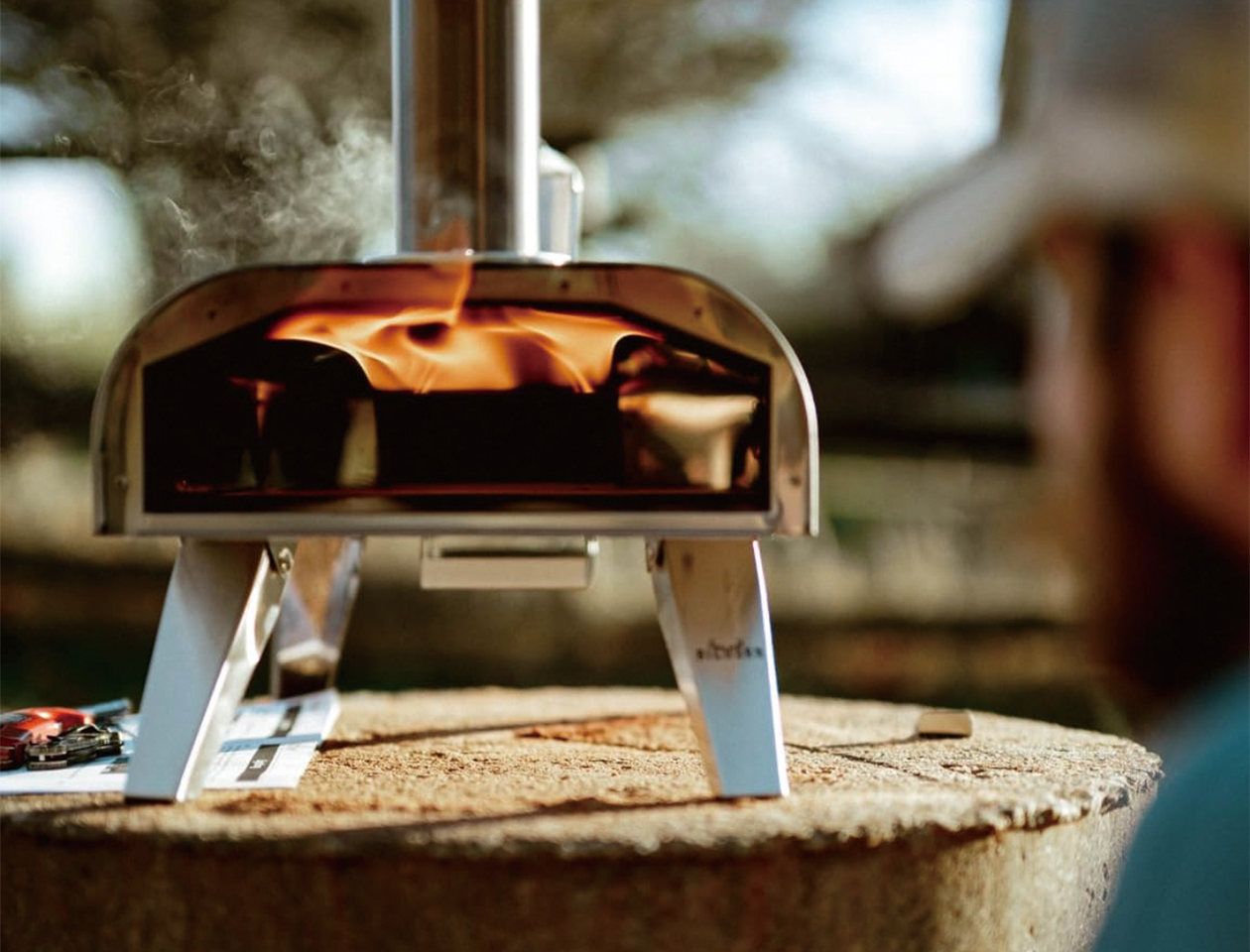
A wood-pellet oven is a stronger fit for cooks who enjoy the process of building and managing live heat outdoors. The Big Horn Outdoors 12-inch wood-pellet pizza oven is suited to portable outdoor use, with folding legs and a detachable chimney for storage and transport.
Before buying, take these steps:
-
Measure your cooking, storage, and clearance space.
-
Decide whether you need electric, gas, pellet, or multi-fuel operation.
-
Choose a pizza capacity that matches your household and guest count.
-
Confirm the exact model’s approved location, included components, and accessory requirements.
-
Plan for cleaning, fuel storage, electrical access, and safe cooldown.
A well-matched oven is easier to use regularly. Select the system that suits your actual cooking habits instead of choosing based only on maximum temperature or fuel flexibility.
What Are the Most Common Pizza Oven Questions?
Can I use a pellet or gas pizza oven indoors?
No. Pellet, wood, and gas pizza ovens should be used outdoors in an open, ventilated area unless the manufacturer explicitly states otherwise. Open-flame appliances can create fire, smoke, and carbon-monoxide hazards indoors.
Does a multi-fuel pizza oven use multiple fuels at the same time?
Not necessarily. Some multi-fuel ovens switch between approved fuel modes rather than using them simultaneously. Read the instructions for the exact model to understand the required attachments, conversion process, and operating limits.
Do I need a separate pizza peel?
An included peel can be enough to begin cooking, but a smaller turning peel can make it easier to rotate pizzas in high-heat ovens. Confirm that the peel fits the oven opening and cooking surface.
Why does pizza dough stick to the peel?
Dough may stick when it sits too long after topping, absorbs excess moisture, or lacks enough flour or semolina beneath it. Build the pizza quickly, shake it before launching, and avoid excessive sauce or wet toppings.
Can I leave a portable pizza oven outside?
Only if the manufacturer permits it and the oven is fully cooled, clean, and protected according to its instructions. Dry storage or a properly fitted cover can help limit exposure to moisture, dust, and corrosion.