







Pizza Dough
White pizza is what you make when tomatoes feel like the wrong mood. A good white pizza recipe leans on olive oil or ricotta, garlic, and a cheese mix that browns without turning the center into soup.
Moisture control is the whole game. Without tomato acidity, rich dairy can leave a greasy or soggy middle if you stack too much.
What defines a white pizza
White pizza (pizza bianca in some traditions) skips a tomato sauce base. The “sauce” may be olive oil and garlic, a light cream, whipped ricotta, or simply cheese on oiled dough.
Roman pizza bianca can mean a plain salted flatbread; American restaurant white pies usually mean ricotta and mozzarella with garlic. Decide which you want before you shop.
White pizza is also a useful reset when good tomatoes are out of season. Garlic, oil, and browned cheese still taste like a complete pie in February. That seasonal logic alone is why many backyard cooks keep a tomato-free recipe in rotation beside Margherita night.
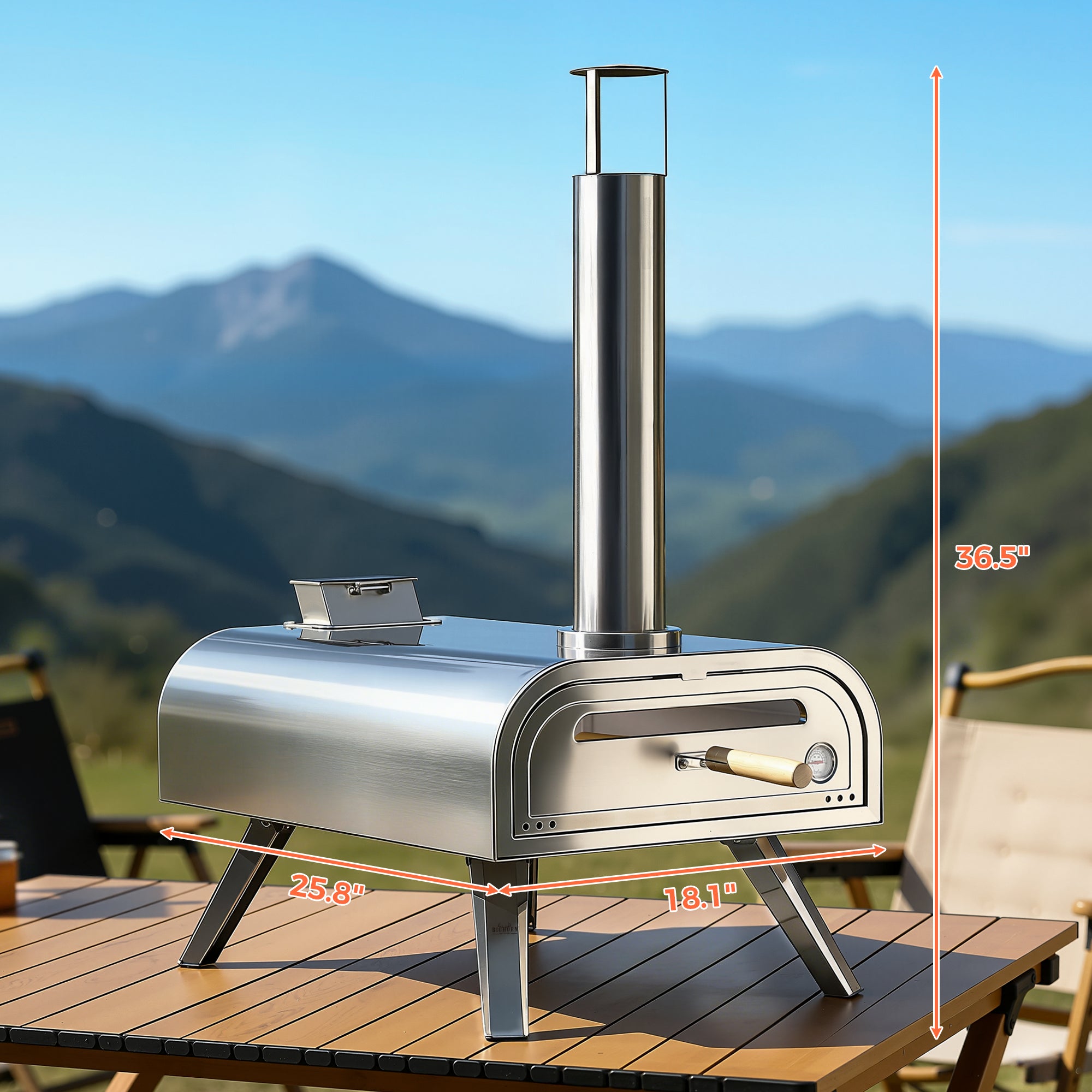
Either way, a preheated outdoor oven gives the browning that makes a tomato-free pie taste finished. See pizza ovens for backyard setups sized to weeknight pies.
Sauce options: olive oil, garlic cream, ricotta
Olive oil plus grated garlic is the lightest path—brush it on, then cheese. Ricotta dollops add creaminess; drain wet ricotta in a sieve first. A quick garlic cream can work at slightly gentler heat but scorches if spread thick in a blasting oven.
Salt each layer lightly. Cheese already brings sodium, and white pies show salt more without tomato sweetness.
Whisk ricotta with a pinch of salt, pepper, and lemon zest for a brighter smear. Avoid cream sauces that are as thick as alfredo; they slide and scorch. If you want a vegan white pie, focus on oil, garlic, herbs, and a plant cheese you already know melts in your oven rather than experimenting mid-party.
Cheese blend and moisture control
Low-moisture mozzarella browns cleanly. Add Parmesan or pecorino for punch. Fresh mozzarella should be patted dry and used sparingly or the center floods.
Ricotta belongs in teaspoon-sized mounds, not a full flood coat. If you want spinach, wilt and squeeze it dry first.
A light dusting of Parmesan near the rim browns into savory crunch. Keep the absolute center slightly lighter on cheese so heat can finish the dough. When friends ask why restaurant white pies taste cleaner, moisture discipline—not secret oregano—is usually the answer.
Food-safe cheese storage and clean prep matter on pizza night—FDA kitchen food-safety basics are a sensible checklist for dairy-heavy pies.
Topping ideas that fit
Spinach and garlic, mushroom and thyme, potato and rosemary, or prosciutto added after the bake all suit a white base. Keep toppings lighter than a loaded supreme so the crust can crisp.
Bitter greens after baking cut richness. A drizzle of chili oil at the table beats baking delicate oils into bitterness.
Oven temperature and timing
Preheat thoroughly. White pies often color on top fast because cheese is exposed—turn early and watch the underside with a peel check. Pull when the rim is set and browned and cheese has mottled color, not when every ricotta dollop looks toasted.
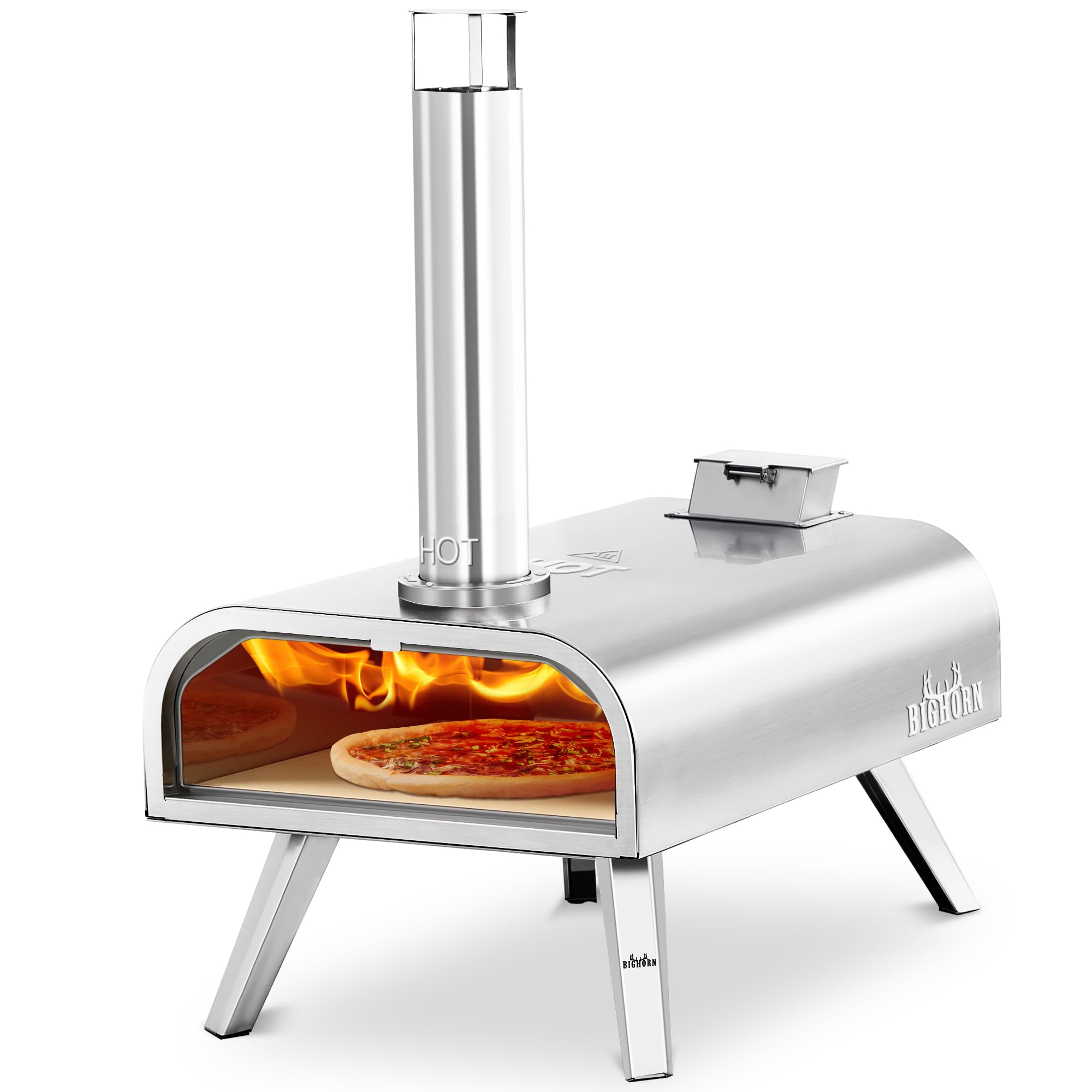
Pellet ovens may need more rotation; gas holds steady flame. Compare pellet pizza ovens if you like a hint of wood-fired aroma under garlic cheese.
Keep the oven area clear of decks rails and low branches while it is hot, consistent with NFPA outdoor cooking safety habits.
Common problems (greasy, soggy centers)
Grease usually means too much cheese oil or oily toppings. Soggy centers mean excess ricotta whey, wet vegetables, or underbaked dough from an oven that was not fully preheated.
Fixes: drain dairy, reduce quantity, stretch the center slightly thinner, and give the stone more preheat time. A light semolina dust on the peel also helps moisture wick off the underside.
If oil pools on top after baking, blot gently with a towel and reduce cheese next time. If the crust puffs into a giant bubble under ricotta, dock the center lightly with fingertips before topping on the next pie. Problems are feedback, not failure.
More tomato-free and specialty ideas live on the Big Horn recipes blog when you want to rotate flavors without changing dough.
Serving ideas, storage and leftovers
Serve with a sharp salad. Leftovers reheat best in a hot skillet to re-crisp. More ideas sit on the recipes blog when you want sides that match a rich pie.
Refrigerate promptly. White pies with cooked vegetables should not sit out through a long party.
Garlic burns faster than you think on a white pie. Slice or grate it fine and mix into oil rather than leaving thick chips on top exposed to direct flame. If you love big garlic flavor, add a second brushed pass of garlic oil after the bake so the raw edge stays aromatic.
Pair white pizza with something acidic on the table—a lemony salad or pickled peppers—so rich cheese does not fatigue your palate after two slices. That contrast is part of why tomato pies feel “brighter” by default; you can recreate brightness without tomato sauce.
When you are ready to bake more often, a dedicated pellet pizza oven keeps heat rituals consistent week to week so dough timing stays the hard part, not oven guesswork.
Cheese-heavy pies benefit from cold-chain discipline described in FDA food-safety basics and from cooking outdoors with clearances suggested by NFPA and extinguisher readiness from Ready.gov. Dough baselines from King Arthur pizza resources help when you scale white pie nights for guests. Explore gas pizza ovens if you prefer steady heat for dairy-forward pies.
Outdoor oven nights still need kid clearance and extinguisher access described by the CPSC alongside NFPA grill location guidance when ovens sit near rails.
Conclusion
Skip the tomatoes, control moisture, and brown the cheese on a fully preheated stone. That is the entire white-pizza playbook—simple on paper, exacting on the peel.
Bake your next white pie on a Big Horn Outdoors pizza oven.
FAQ
What is typically on a white pizza?
Most American white pizzas use a non-tomato base such as olive oil, garlic, ricotta, and mozzarella, sometimes with spinach, mushrooms, or chicken. Roman pizza bianca may be simpler—dough, oil, and salt. Check the menu language: "white" does not always mean the same topping set.
What is the base recipe for white pizza?
Stretch dough, brush with olive oil and garlic or spread thin drained ricotta, add low-moisture mozzarella and hard cheese, then bake on a preheated stone until browned. Keep wet ingredients minimal. Finish with herbs or cured meat after baking if you want freshness without extra moisture.
How to make a white pizza at home?
Start with dough you trust, preheat your oven fully, and choose one moisture strategy: oil-based or well-drained ricotta. Top lightly, launch, turn for even color, and pull when the underside is crisp. If the center stays pale, your stone needed more preheat or the toppings were too wet.
What is a great white pizza?
A great white pizza tastes browned and garlicky, not greasy, with a crisp center that supports the cheese. Balance rich dairy with salt, herbs, and something sharp or bitter on top. Technique beats novelty toppings when you are learning the style.
Explore more in the Pizza Recipes & Styles.
More to Read
 Ssausage Dogs
Big Horn Outdoors® Recipe
Smoky, cheesy, and packed with big flavor — these Sausage Dogs are a quick and easy favorite, made rig...
 Jalapeño Cheese Pizza Recipe
Big Horn Outdoors® Recipe
Cranberry-jalapeño spread, double cheese, and crispy bacon on a blistered crust — sweet heat meets piz...
Sourdough Pizza Dough Recipe (Active Starter or Discard Paths)
Sourdough pizza dough recipe: sourdough pizza dough with active starter or discard paths, hydration guidance, timelines, and outdoor oven bake notes.
