
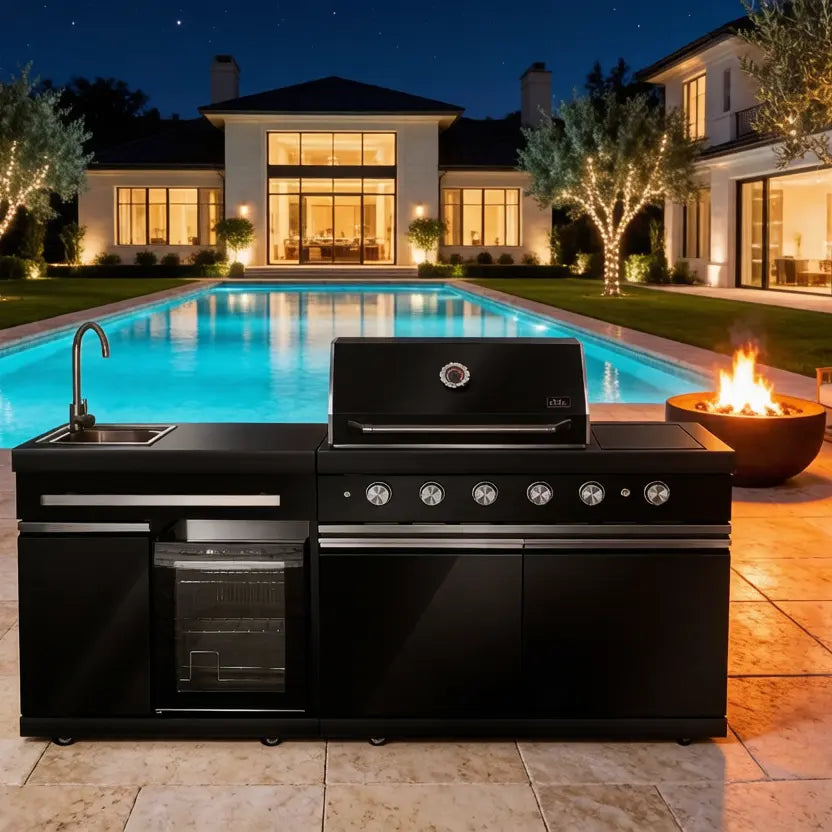
Propane is better for most camping trips because it continues vaporizing in freezing weather, with a boiling point of about -44°F, and is widely available in disposable and refillable cylinder sizes. Butane is the better choice for warm-weather, space-conscious campers who want a compact, quick-deploy stove for simple meals.
What Is the Best Camping Fuel: Propane or Butane?
Choose propane for cold weather, multi-day trips, group meals, RV camping, and broad fuel availability; choose butane for warm-weather day trips and compact solo cooking. The better camping fuel is not inherently the one with the higher stove rating—it is the one that still provides dependable vapor pressure, compatible fuel access, and enough cooking capacity for your conditions.
Propane and butane are liquefied petroleum gases. Inside a sealed cylinder or cartridge, the fuel is stored as liquid under pressure. When the stove valve opens, part of that liquid vaporizes into gas and mixes with air at the burner, where it burns to produce heat.
The essential practical difference is cold-weather behavior:
- Propane remains able to vaporize at much lower temperatures, making it the more dependable option when overnight temperatures approach or drop below freezing.
- Butane becomes less reliable as temperatures near 31°F because its vapor pressure falls. A canister may still contain fuel, yet fail to deliver enough gas for a stable flame.
- Both fuels require a stove designed specifically for that fuel system. Never attempt to use a propane cylinder with a butane-only stove, or modify regulators, valves, cartridges, or connections.
For a summer campground, picnic, tailgate, or short overnight trip, a compact butane stove can be exceptionally convenient. For shoulder-season camping, family cooking, a remote destination, or an RV with a propane system, propane provides more flexibility and a wider weather margin.
How Do Propane and Butane Differ in Cold Weather?
Propane is the clear cold-weather winner: its boiling point is approximately -44°F, while butane’s is approximately 31°F. Below or near freezing, a butane stove can weaken, sputter, or stop producing a usable flame even when the cartridge is not empty.
A camping stove depends on vapor pressure—the force that pushes fuel vapor from the cartridge or cylinder to the burner. Cold conditions reduce that pressure. Because propane vaporizes at far lower temperatures than butane, a propane stove is generally more dependable for early-spring, late-fall, mountain, and winter camping.
Altitude can compound the issue. Higher elevations often bring colder nights, wind, and reduced ambient temperatures around the fuel container. While altitude itself is not the same as temperature, a cold canister in an exposed campsite may lose pressure more quickly than a warm-weather setup.
This does not mean butane has no place outdoors. Butane performs well in mild conditions, particularly for straightforward cooking such as coffee, instant meals, eggs, soup, or a small skillet dinner. The key is to plan around the forecast, not merely the daytime high.
| Camping condition | Better fuel choice | Why |
|---|---|---|
| Temperatures near or below 32°F | Propane | Maintains usable vapor pressure in far colder conditions |
| Three-season car camping | Propane | Broad fuel availability and options for larger cooking setups |
| Summer camping and picnics | Butane or propane | Both can work well when temperatures remain mild |
| Compact tabletop cooking | Butane | Small cartridges and compact stove designs are convenient |
| RVs and long stays | Propane | Can connect to appropriately regulated larger fuel supplies |
| Group meals and larger cookware | Propane | Often supports larger multi-burner stove formats and longer runtime |
Use the table as a trip-planning guide rather than a substitute for the stove manual. Burner design, cookware size, wind exposure, and fuel-container condition all affect real cooking performance.
Which Fuel Is Easier to Carry and Replace?
Butane is usually easier to pack in a small kit, while propane is generally easier to find across a wider range of U.S. camping and travel routes. Your best choice depends on whether you prioritize a compact stove-and-cartridge setup or long-term fuel flexibility.
Butane is commonly sold in slim, disposable aerosol-style cartridges used by portable tabletop and folding stoves. These cartridges are convenient to store in a camp kitchen bin and simple to install in compatible appliances. A butane stove can be a practical option for campers who cook one-pot meals and do not need a large two-burner setup.
Propane is available in several cylinder formats, from small disposable cylinders to larger refillable tanks used with compatible camp stoves, grills, RVs, and outdoor kitchens. That flexibility helps on longer trips, especially when a group is cooking breakfast, boiling pasta, heating a skillet, or preparing several meals per day.
However, portability is more than fuel weight. Consider the entire system:
- The stove body and pot supports.
- The cartridge or cylinder size.
- A regulator and hose, if the stove requires them.
- A windscreen approved by the stove manufacturer.
- Cookware, utensils, and a stable cooking table or ground surface.
- Local availability of replacement fuel at your destination.
A small butane cartridge may make sense for a short trip. A larger propane supply can reduce fuel changes during a multi-day family camping trip—but it also requires more storage space and careful secure transport.
What Cooking Style Favors Propane or Butane?
Propane better suits varied campsite cooking, while butane is especially useful for compact, controlled cooking in mild weather. Heat output in BTUs or watts matters, but stable cookware support, flame adjustment, wind exposure, and burner design matter just as much.
For many campers, propane is the more adaptable choice because it appears in single-burner, two-burner, grill, griddle, and RV-compatible formats. A propane camp stove can support a breakfast skillet, Dutch oven, stockpot, or larger cookware when the manufacturer permits it. This makes propane a logical choice for families, car campers, overlanders, and anyone building an outdoor cooking station.
Butane stoves are often designed around simplicity: set the stove on a level surface, install the compatible cartridge, ignite it, and use adjustable flame control for a pot or pan. They are a strong match for smaller meals where portability and fast setup matter more than all-weather versatility.
Big Horn Outdoors offers outdoor-cooking equipment across pizza ovens, grills, accessories, and camping-stove formats. Its portable folding Butane Camping Stove is a butane-specific model with a listed 2,200-watt, or 7,500-BTU, output; an adjustable flame; one-touch ignition; a folding design; and a carry bag. Those listed features make it appropriate to consider for compact outdoor meal preparation, but it remains a butane stove and should be chosen with warm-weather operating limits in mind.
Heat Control Matters More Than Peak Output
A burner’s maximum output is not the same as better cooking. High output can boil water quickly, but controlled low heat is just as important for scrambled eggs, oatmeal, sauces, rice, or a gentle simmer.
Flame adjustment changes the amount of fuel and air reaching the burner. A blue flame generally indicates efficient combustion; a yellow, unstable, or sooty flame can indicate poor airflow, debris, an incorrect setup, or a fuel-system problem. Shut the stove down and inspect it according to the manufacturer’s instructions if the flame appears abnormal.
Wind also affects heat management. It can push heat away from cookware, lengthen cooking time, and cause flame instability. Use only a windscreen supplied or specifically approved by the stove manufacturer. An improvised wind barrier can trap heat around a fuel cartridge or cylinder, increasing hazard.
How Should You Set Up a Camping Stove Safely?
Use propane and butane camping stoves outdoors only, on a stable noncombustible surface with adequate clearance and airflow. Neither fuel is safe to burn inside a tent, vehicle, enclosed porch, cabin, or other poorly ventilated space because combustion can produce deadly carbon monoxide.
Fuel choice does not eliminate safety responsibilities. Propane and butane are both flammable gases, and both require correct fuel connections, appropriate cookware, open-air use, and active supervision.
Before lighting any camp stove:
- Read the stove’s current manual and confirm the exact approved fuel type.
- Inspect the cartridge, cylinder, hose, regulator, valve, and burner for damage, corrosion, dirt, dents, or leaks.
- Set the stove on firm, level ground or a sturdy camp table so it cannot tip.
- Keep the cooking area away from dry grass, paper goods, tents, sleeping bags, coolers, aerosol containers, and other combustible materials.
- Use cookware that fits the stove’s pot supports without extending over the fuel compartment or cylinder.
- Keep children and pets away from the active cooking area.
- Never leave a lit stove unattended.
- Let the stove cool completely before removing fuel, packing it, or transporting it.
For propane connections, a soap-and-water leak test is a practical precaution when changing cylinders or assembling a hose-and-regulator system. Apply a light soap solution to the connection with the fuel valve open but the burner unlit. Bubbling indicates a leak. Turn the fuel off, disconnect the system, and correct the issue before use.
For portable butane stoves, install the cartridge exactly as the manufacturer directs. Do not use bent, punctured, heavily rusted, or damaged cartridges. Never place oversized cookware over a cartridge compartment, and never place two portable stoves side by side to support one large pan or griddle.
Fuel Storage and Maintenance Basics
Store both propane cylinders and butane cartridges upright, cool, dry, protected from physical damage, and away from heat sources. A fuel container should never be left in direct sun, near an open flame, or inside a hot enclosed vehicle for extended periods.
Camping-stove maintenance is straightforward when it becomes part of packing and unpacking:
- Wipe food spills and grease from the stove after it cools.
- Keep burner ports clear of food residue, insects, dust, and corrosion.
- Remove fuel only when the appliance instructions permit it.
- Protect valves, regulators, and threads from dirt during transport.
- Check seals and O-rings where applicable.
- Replace damaged hoses, regulators, cartridges, cylinders, or connectors rather than attempting unsafe repairs.
- Transport fuel securely so it cannot roll, puncture, or shift against sharp gear.
Big Horn Outdoors recommends matching the stove to the trip rather than forcing one fuel system into every scenario. A folding butane stove can reduce bulk for mild-weather cooking; a propane system can make more sense when weather changes, cooking volume increases, or the itinerary requires broader fuel availability.
Big Horn Outdoors Expert Views
“Start fuel selection with the conditions, not the menu. Propane offers the greater cold-weather margin and supports many larger camp-kitchen formats, which makes it a practical default for variable weather and multi-person trips. Butane earns its place when the forecast is mild and a compact, fast-deploy burner is the priority. In either case, use only the fuel approved for the exact stove, choose cookware that fits the supports, cook outdoors with clear airflow, and manage wind without enclosing the fuel container. A controlled flame, stable surface, and correct setup contribute more to a successful campsite meal than chasing the highest output number.”
Buying the Right Camping Stove
The right stove matches your weather range, group size, cookware, storage space, and approved fuel supply—not just the lowest price or highest BTU figure. Select propane when versatility and cold-weather performance lead; select butane when mild-weather compactness and simplified storage lead.
Ask these questions before buying:
- Will nighttime temperatures approach freezing?
- Are you cooking for one or two people, or for a family or group?
- Do you need one burner, two burners, a griddle, a grill, or a compact tabletop unit?
- Is the trip car camping, RV travel, tailgating, a picnic, or a minimalist overnight?
- Can you reliably buy the correct fuel along the route?
- Does your cookware fit the stove’s specified pot-support dimensions and weight limit?
- Do you have a safe outdoor location for setup, operation, cooling, and storage?
For campers who want a compact warm-weather cooking option, the Big Horn Outdoors portable folding Butane Camping Stove offers a listed 2,200-watt/7,500-BTU burner, adjustable flame control, one-touch ignition, and folding portability. For cold-weather trips or a larger camp-kitchen workflow, choose a purpose-built propane stove rated and configured for the intended cookware and fuel supply.
The Bottom Line
Propane is the better all-around camping fuel, especially for cold weather, extended trips, group cooking, RV use, and destinations where replacement fuel must be easy to find. Its ability to vaporize well below freezing provides the operating margin that butane cannot match.
Choose butane when your camping is primarily warm-weather, your meals are simple, and compact storage matters most. A properly matched butane stove can be fast, convenient, and capable for coffee, boiling water, skillet meals, and small campsite cooking.
Whichever system you choose, use the manufacturer-approved fuel, cook outdoors, control wind safely, inspect connections before use, and never compromise on stable setup or ventilation. Big Horn Outdoors designs its camping and outdoor-cooking equipment around practical use, but responsible fuel selection and safe operation remain the foundation of every camp meal.
FAQs
Is butane cheaper than propane for camping?
Butane cartridges can be economical for short warm-weather trips, but pricing and availability vary by region and retailer. Compare the total usable fuel, replacement availability, and expected trip length rather than comparing only the price of one cartridge or cylinder.
Can a propane stove use butane?
No. Use only the fuel type and fuel-container connection specified by the stove manufacturer. Propane and butane appliances can use different valves, pressures, regulators, and cartridge systems; adapters or modifications can create a fire, leak, or equipment-damage hazard.
Does butane work below freezing?
Butane can lose pressure and perform poorly near 31°F, its approximate boiling point. For camping in near-freezing or subfreezing conditions, propane is the more dependable choice.
Can I use a propane or butane camp stove inside a tent?
No. Operate camp stoves outdoors only, away from tents and enclosed spaces. Burning propane or butane consumes oxygen and can produce carbon monoxide, an odorless, potentially fatal gas.
Is a folding butane stove good for camping?
A folding butane stove is a good option for mild-weather camping, picnics, and compact outdoor cooking when its capacity fits your cookware and meal plan. The Big Horn Outdoors portable folding Butane Camping Stove has a listed 2,200-watt/7,500-BTU output, adjustable flame control, one-touch ignition, and a folding carry-friendly format; use it only outdoors and with compatible butane cartridges.