







Accessories
A cover will not fix a rusty burner, but the right one slows weather damage while you sleep. Learning how to choose a grill cover means matching fabric, fit, and ventilation to your climate—not buying the cheapest tarp that turns into a moisture tent.
This guide covers when you need a cover, fabric trade-offs, measuring, moisture traps, and special cases for infrared, island, and portable grills.
Do you need a cover? Climate and storage factors
If your grill lives outdoors year-round in rain, snow, or harsh sun, a cover is cheap insurance for lids, knobs, and carts. If the grill rolls into a dry shed after every cook, you may only need a light dust cover.
Coastal salt air and pool chemicals argue for covering sooner. Desert UV argues for UV-resistant fabric even when rain is rare.
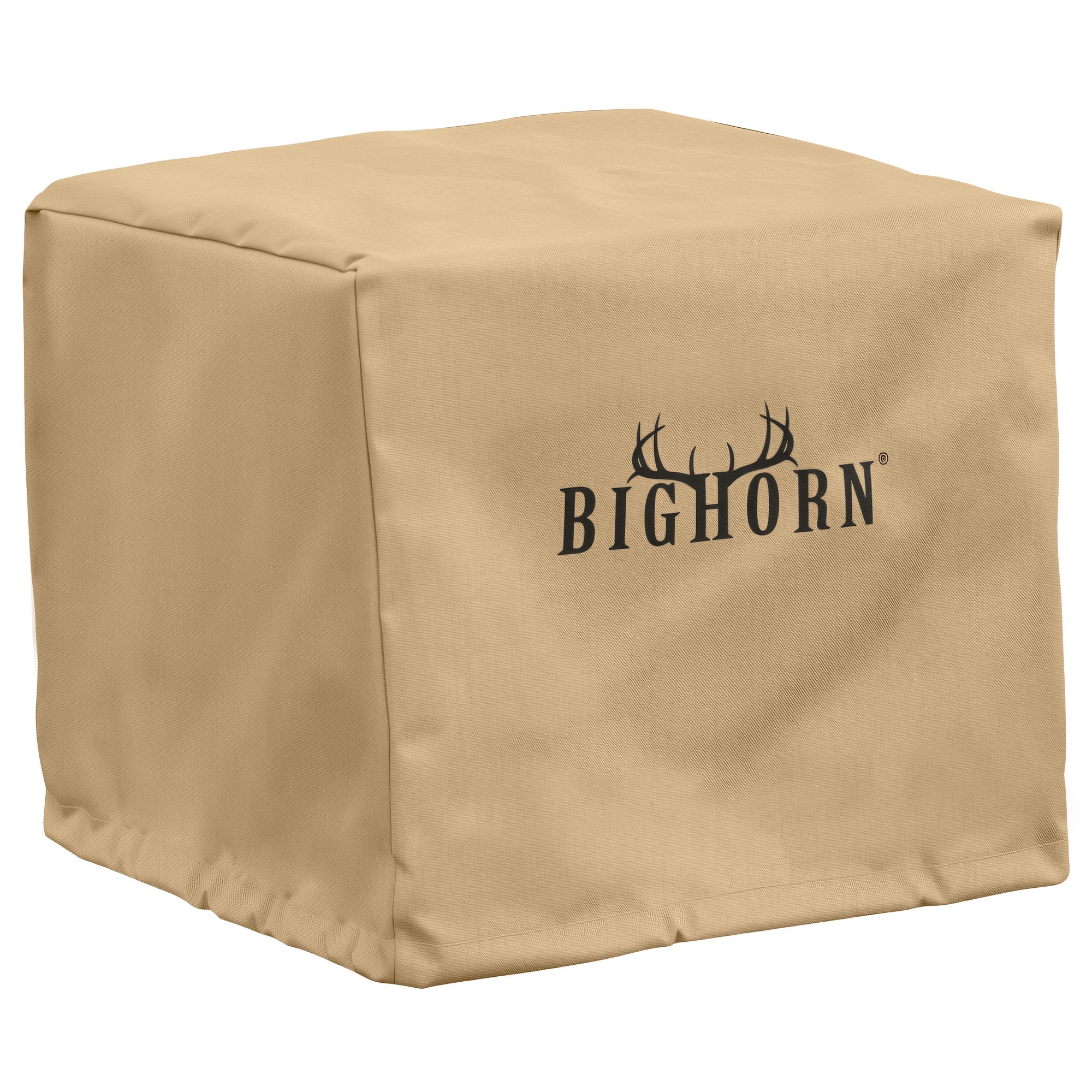
Covers complement—not replace—cleaning and dry-down. A dirty, wet grill sealed under vinyl can smell worse in spring. Browse fit-specific options like the infrared gas grill cover when you own a matching footprint, and compare broader gear in accessories.
Fabrics compared: polyester, vinyl, Oxford
Polyester and Oxford weaves with coatings are common for consumer grill covers: lighter to handle, often with UV resistance claims on the label. Vinyl can shed water aggressively but may trap condensation if it seals too tightly without vents.
Look for reinforced seams, tear resistance, and drawcords or straps that survive wind. Soft scratch liners help on polished stainless lids.
Ignore fabric marketing poetry until you check thickness and venting. Product pages list materials for specific SKUs—verify there rather than assuming every cover in a catalog shares one cloth.
| Fabric tendency | Pros | Watch-outs |
|---|---|---|
| Coated polyester / Oxford | Manageable weight, common UV finishes | Coatings wear; check seam quality |
| Vinyl-heavy covers | Strong water beading | Can trap moisture if unvented |
| Light universal covers | Cheap, packable | Blow off easily; poor fit |

Measuring for fit
Measure height, width, and depth with lids closed and side shelves in the position you usually store. Add a little ease so zippers and seams are not strained, but avoid sail-sized bags that catch wind.
Note side burner shapes, rear infrared boxes, and thermometer stems that poke covers. Island kitchens need covers cut for the outline—or modular sections—rather than a dome meant for a freestanding cart.
Portable and tailgate grills may use smaller fitted covers; measure the packed profile you actually store. Compare grill sizes in the grills and griddles collection before ordering a universal “large” that fits nothing well.
Ventilation and moisture traps
Moisture under a cover rusts faster than gentle rain that dries in afternoon sun. Choose covers with vents or plan to uncover on dry days.
Never cover a hot grill. Wait until surfaces are cool and, ideally, wiped dry. Empty standing water from lids first.
If you smell mildew each spring, change the routine: cleaner grill, more dry time, more breathable cover. Stainless care habits from regular wiping pair with covering for better results.
UV and rain protection
Sun fades knobs and brittle-izes plastic long before steel fails. UV-resistant fabrics earn their keep in high-sun yards even when rain covers seem optional.
Rain protection is about shedding, not submarine sealing. Water should bead and run off seams rather than pool in a saddle on the lid.
After storms, peek underneath. Adjust straps so covers do not pump water toward burners. Keep grilling fire safety in mind when you remove covers near ignition—air out gas smells before lighting.
Covers for infrared, island and portable grills
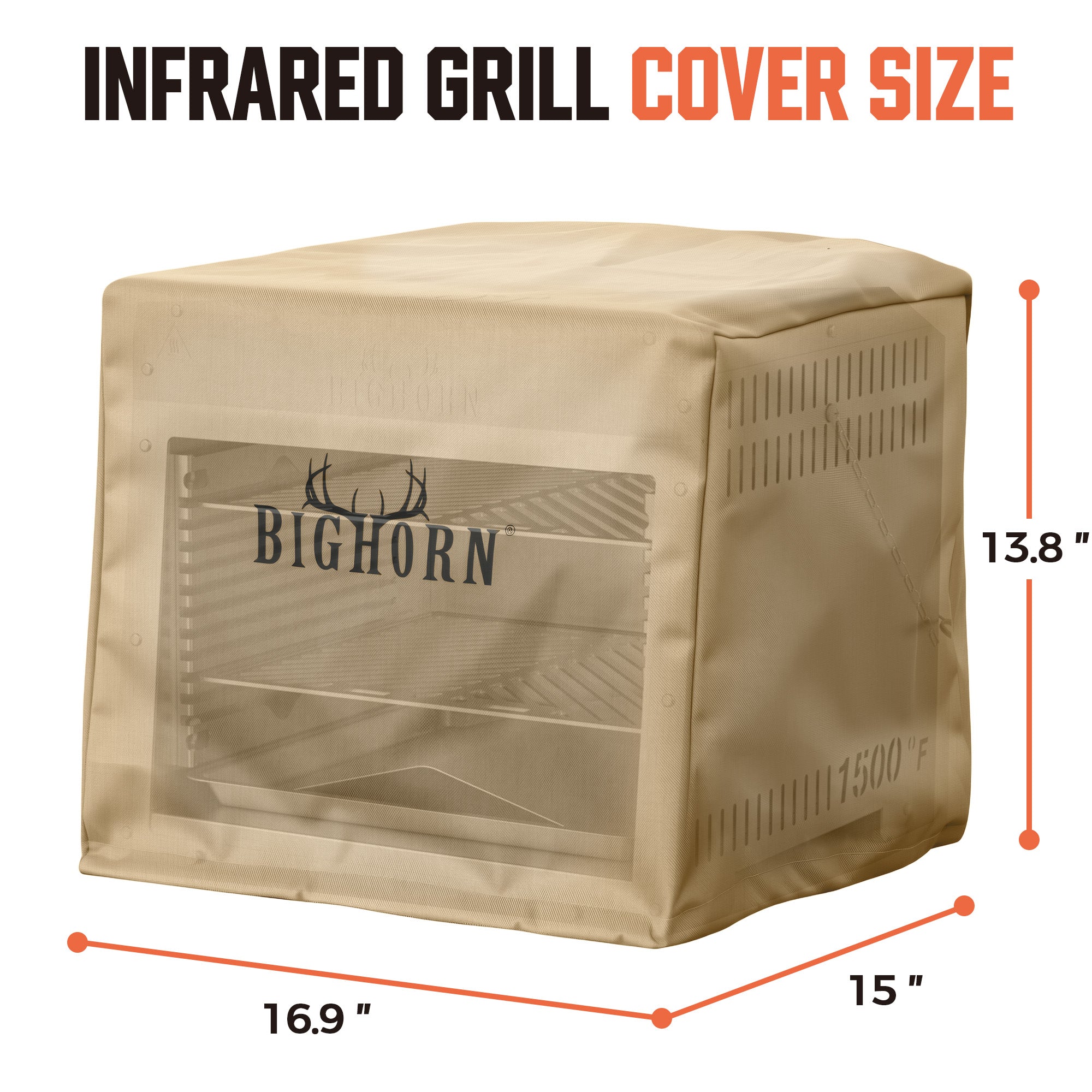
Infrared carts often have unique lid heights and side profiles—fitted covers beat generic barbecue bags. Islands may need custom or multi-piece covers that respect fridges and side burners.
Portables might share a cover with a soft case approach; keep vents clear and do not store a damp portable sealed in a trunk under a plastic shroud.
Match the cover to the grill you own in the infrared grill or island lines rather than forcing one cover across every appliance on the patio.
Care and replacement
Hose off dirt, dry the cover, and repair small tears before wind peels them open. Retire covers with failed waterproofing or broken straps that turn into kites.
Wash per the care label; heavy detergents can strip coatings. Store the cover itself dry during months the grill lives indoors.
Budget a replacement on a multi-year cycle in harsh climates. A faded cover that still fits is fine; a cracked cover that traps water is not.
Is it better to buy a grill from Lowes or Home Depot?
Buy the grill model and support you need.
Big-box availability varies by season and region; the better buy is the unit with the features, warranty path, and fit for your space—not the logo on the storefront.
Compare specifications, assembly reality, and parts availability. Direct-to-consumer brands and local dealers can be as valid as warehouse aisles. Measure your patio, check return policies, and ignore one-size rankings that ignore your climate and menu. If you already prefer a specific cooking style—infrared sear, island hosting, portable tailgating—shop that category first at makers like Big Horn Outdoors, then decide where fulfillment is convenient.
Is it okay to leave the grill outside in winter?
Yes if you protect and maintain it.
Outdoor-rated grills are built to live outside, but snow, ice, and freeze-thaw cycles still punish uncovered controls, covers that trap meltwater, and tanks stored poorly.
Use a fitted cover after the grill is clean and dry, keep propane cylinders upright outdoors per safe storage practice, and inspect burners before the first spring light. If heavy snow loads threaten shelves, clear them. A garage is optional, not mandatory, when covering and airflow are handled thoughtfully.
Cover mistakes that create rust
Covering a wet grill, cinching a waterproof bag with zero vents, and leaving a cover off-kilter so water pools on the lid are the big three. Each creates a moisture greenhouse.
Another mistake: dragging a dirty cover across stainless and grinding grit into the finish. Shake covers out and wipe the underside seasonally.
If wind repeatedly steals your cover, add strap kits or replace with a snugger fit rather than stacking bricks on the lid—bricks scratch and tip.
Buying checklist before you click purchase
Confirm dimensions against your measurements, check return policy, read whether vents exist, and look at strap design. Skim recent owner photos for real-world fit on similar grill shapes.
Prefer a cover sold for your grill family when possible. Universal covers are a compromise for odd sizes, not a badge of clever shopping.
Budget for replacement on a multi-year cycle in harsh sun. A faded but intact cover can wait; a cracked cover cannot.
Special notes for infrared and island outlines
Infrared lids and rear burners create silhouettes that generic covers miss. Measure twice and prefer model-matched covers when offered.
Islands with fridges and sinks may need more than one cover piece. Leaving half the stainless exposed defeats the purchase.
Portable infrared units that travel should dry fully before any cover or case closes over them for a trunk ride.
When a cheap cover is still the wrong cover
If straps fail in the first windstorm, the cover becomes litter and the grill stays wet. Mid-tier fitted covers often cost less than one stainless repair visit.
Spending more only helps if fit and vents are right. An expensive unvented bag can still rust a grill.
Balance budget across cover, cleaning tools, and fuel safety gear rather than putting the entire accessory budget into a logo embroidered on thin fabric.
After you install a new cover, watch the next two rainstorms. If water pools or straps loosen, adjust immediately while return windows are still open.
Write the purchase month on a piece of tape inside the cover hem. Future you will know whether fading is age or a premature coating failure.
If you own both a portable infrared grill and a full cart, do not assume one cover stretches to both. Ill-fitting covers flap, abrade finishes, and fail in wind.
Keep a spring clamp kit with the cover for unexpected gusts on uncovered corners while you adjust straps. Clamps are temporary—refit properly afterward.
When shopping sales, verify the SKU matches your measurements rather than buying by grill “brand family” alone. Generations change outlines quietly.
Finally, treat the cover as part of shutdown: cool, wipe, dry, cover. Skipping dry-down is the most common reason people swear covers “cause rust” when moisture was sealed in on purpose.
Before first light each spring, pair cover removal with a quick look at hoses and a skim of NFPA grilling safety.
If you smell gas when you uncover a grill, stop and leak-test rather than lighting—AGA safety pages and Ready.gov fire tips both push early caution.
Coastal storms can shove covers into burners; after big winds, inspect under the lid before cooking and keep NFPA home fire resources bookmarked for seasonal checklists.
Food safety still matters on the first cook after storage: refresh USDA grilling guidance when leftovers from winter deep-freezes return to the patio menu.
Conclusion
Choose a cover for fit, fabric, and breathability matched to your weather. Measure the real stored outline, vent moisture, and replace tired covers before they fail in a windstorm. The right cover is boring—and that is how you know it works.
Need a fitted option for an infrared cart? See the Big Horn Outdoors infrared grill cover and related accessories.
FAQ
What size grill cover do I need?
Measure height, width, and depth with the lid closed and shelves in their stored position, then match those numbers to the cover's stated dimensions with a little ease. Account for side burners and tall lids. Universal sizes are a last resort when a fitted cover exists.
What is the #1 grill brand?
There is no universal number-one brand for every cook. Rankings change by retailer, year, and cooking style. Choose features, size, and support that match how you grill rather than chasing a single leaderboard.
Do you need a grill cover?
If the grill stays outdoors in sun or precipitation, a cover helps protect finishes and controls. If it stores in a dry shed, you may need only occasional dust protection. Covers work best on clean, cool, dry grills.
Is it okay to leave the grill outside in winter?
Outdoor grills can winter outside with a good cover, dry-down habits, and safe propane storage. Clear heavy snow and inspect before spring lighting. Move the grill indoors only if you have safe, ventilated space and the manufacturer allows it.
Explore more in the Grill Buying Guides.
More to Read
Al Pastor Pizza: Marinade, Pineapple Balance and High-Heat Timing
Make al pastor pizza at high heat with thin, safely cooked pork and drained pineapple. Finish with salsa after the bake, and do not invent taco cal...
Mixed Vegetables on a Gas Grill: Baskets, Skewers and Direct Heat
Grill mixed vegetables on a gas grill with a path for baskets, skewers, or a bare grate, plus oil, salt timing, and a cut-size rule so pieces finis...
Pizza al Taglio (Roman Tray Pizza) at Home Outdoors
Make pizza al taglio at home as a Roman tray pie: oil the pan, dimple relaxed dough, top modestly, bake thoroughly outdoors, and cut it into squares.
