







Pizza Oven Comparisons
One household can make excellent midweek pies on a steel in a kitchen oven for months. Another household hits a wall on the first Saturday six people come over: the oven maxes out, the broiler sets off the alarm, and the cook is still waiting on a second pie. Those are not the same problem, and they do not have the same first purchase. A pizza steel is a cheap experiment. It is not a fake outdoor oven.
This page is a purchase path. It is not a surface comparison of stone versus steel inside an oven you already own.
A pizza steel is a cheap experiment, not a fake outdoor oven
Start with a pizza steel in the kitchen oven if you want a low-cost experiment and will bake for one or two people. Skip straight to a backyard oven if you already want outdoor heat, guests, and a bake a home oven cannot reach. A steel is a surface, not a fake outdoor oven.
The experiment is useful because it teaches dough, launch, and topping restraint without a new outdoor appliance. It fails as a substitute when you expect pizzeria-range heat, a party pace, or a cook that belongs in the yard. Buy the steel first when you are still unsure you will cook pizza often. Skip it when you already know the kitchen oven is the bottleneck.
If you need the definitions before the spend, use pizza maker versus pizza oven definitions and the buying guide for oven, countertop, and outdoor formats. Then come back to this path.
What a steel in a home oven can and cannot do
A thick steel plate stores heat and gives a kitchen pie a firmer, browner bottom than a thin sheet pan usually will. Home ovens, though, still top out far below a dedicated pizza oven. Many household ranges list a maximum around 500 to 550°F, and some sit lower. That cap is a design limit, not a setting you failed to find. A steel uses the heat you have. It does not raise the oven’s ceiling.
What it can do: weeknight pies for a small household, a better frozen pie, and a low-cost way to see if you will keep making dough. What it cannot do: an outdoor social cook, a very high-heat Neapolitan-style cycle, or a volume of pies limited only by your peel work. Methods such as King Arthur’s accessible pizza approach are a fair picture of the kitchen path. Food-handling rules from the FDA still apply to toppings and leftovers.
When the steel stops being enough: heat, guests, smoke, neighbors
The steel stops being enough when the heat cap shows up in the crust, when guests arrive faster than the oven can recover, or when you start using the broiler so hard that the kitchen fills with smoke. Neighbors and households with sensitive alarms feel that last problem sooner. A kitchen can only be a pizzeria for so long before the room, not the plate, becomes the limit.
If you are already opening windows, waiting out the alarm, and apologizing to guests, you do not have a steel problem. You have an appliance-and-site problem, and a backyard oven is the more honest next spend, assuming you have a legal outdoor place to put it.
A cost-and-effort table: steel first vs outdoor oven now
Costs vary by product and by site, so the table compares kinds of spend and effort rather than invented price tags.
| Path | What you buy first | What you learn | Where it usually fails |
|---|---|---|---|
| Steel first | A pizza steel, and maybe a peel, in the oven you already have | Whether you will keep making dough, and how your kitchen oven behaves | Guest volume, heat cap, and smoke in the house |
| Outdoor oven now | A listed backyard oven, a stand or cart, fuel, and a cover | Outdoor launching, fuel management, and site rules | You wanted a cheap experiment and are not ready for a yard appliance |
| Steel now, oven later | The steel, with a 90-day honest trial | A clear yes or no on whether an outdoor oven is worth the next spend | Extending the trial forever after the steel has already shown its limits |
How this differs from stone-vs-steel as a surface debate
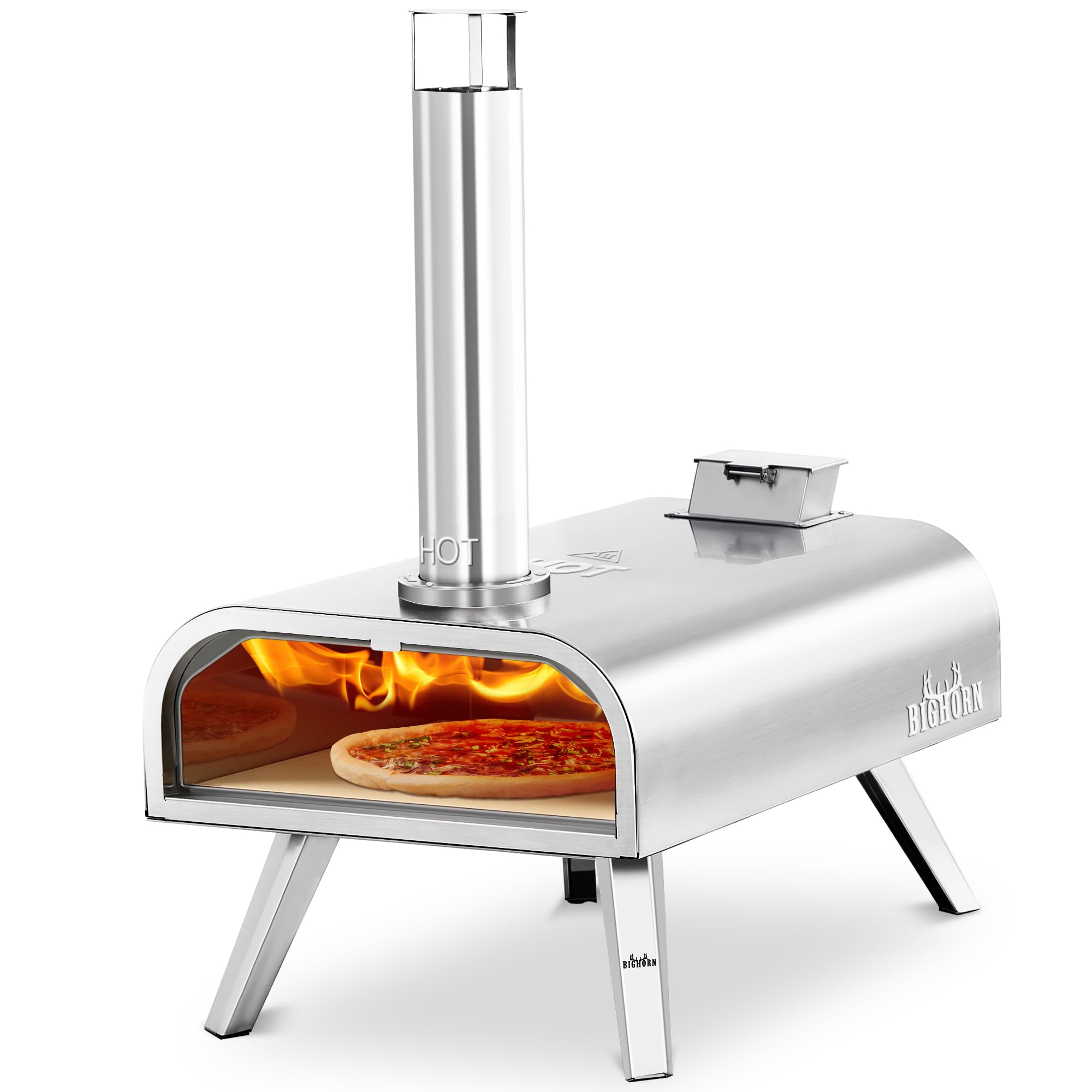
Stone versus steel, inside one oven, is about which plate you cook on. That debate already has a page: pizza stone versus steel in a pizza oven. This page is earlier and more expensive in implication: whether your next money should go to a plate, or to a backyard chamber such as a 16-inch wood-pellet pizza oven.
A steel in a kitchen oven and a steel or stone in an outdoor oven are not the same purchase. Do not use a surface article to dodge a structure decision, and do not use this article to re-litigate which plate browns a bottom more quickly.
For a wider outdoor product filter once you are ready, use the outdoor pizza oven purchase framework and the notes on choosing a stainless steel backyard pizza oven. Those titles can sound like shopping pages; here they are only the next reading once the steel-versus-outdoor choice is already made.

A 90-day trial plan before you buy a backyard oven
If you start with a steel, give it a defined trial. Ninety days is long enough to cover weeknights and at least a few guest meals, and short enough that you will not pretend the experiment is still running a year later. Cook on a schedule you would actually want to keep. Write down where the kitchen failed you: heat, recovery, smoke, or space. At the end, either keep the steel as your method, or move the next spend outdoors.
The trial is a diagnosis, not a loyalty test. If you already know by week three that the alarm, the guest line, or the heat cap is the issue, you do not have to wait out the calendar for politeness.
During the trial, change only one variable at a time. Learn your oven’s true maximum, your steel’s preheat, and a dough you can repeat, before you buy more pans, another steel, or a broiler trick that only adds smoke. The point is to see whether the kitchen path is enough, not to build a second hobby around compensating for it. If you need a written method, a straightforward kitchen-oven recipe is enough; you do not need a new gadget each weekend.
Broiler vs stone-only in a home oven, and the smoke alarm problem
Some kitchen methods finish a pie under the broiler to get more top color because the oven cannot supply outdoor-range heat. That can work, and it can also smoke a broiler pan, scorch cheese, and wake an alarm. A stone-only or steel-only bake at the oven’s true maximum is quieter and often enough for a weeknight. The broiler is a tactic, not a reason to keep forcing a party through a kitchen.
If the alarm is already part of pizza night, reduce smoke first: less oil on the steel, less cheese overflow, a clean broiler, and less time with the door open. If it still happens every time you cook for more than two people, that is evidence for an outdoor oven, provided the yard can take one under the manual and under local rules. Outdoor-fire and ventilation reading such as NFPA grilling safety, U.S. Fire Administration cooking-fire prevention, Ready.gov home fires, and the EPA on carbon monoxide is for the outdoor chapter, not an excuse to run a smoky indoor broiler harder.
A recap of who this method is for, and who should use a different cooker
The steel-first method is for cooks who want a low-cost test, who bake for a small household, and who can live with a kitchen oven’s heat cap. It is also for renters who cannot add a backyard appliance yet. It is not for the host who already knows pizza is a weekend outdoor event, or for anyone whose kitchen cannot take the smoke and the traffic.
If your real cooker need is a grill, a kamado, or a different outdoor appliance, do not buy a steel to postpone that honesty, and do not buy a backyard pizza oven to solve a smoking or roasting job it was not designed to own. Match the first spend to the meal and the room you actually have.
If the 90-day trial points outdoors, look at a backyard oven such as the 16-inch wood-pellet pizza oven and the purchase framework already on this site, rather than buying a second kitchen plate.
FAQ
Should you preheat pizza steel?
Yes. A pizza steel needs a full preheat in the kitchen oven so the plate is actually hot when the pie lands. Time varies with steel thickness and oven, so use the steel maker’s guidance rather than a single invented minute count. A short preheat leaves you with a pale, floppy bottom. Preheat the steel, then launch, and do not treat a cold plate as a shortcut.
How long to bake pizza at 200C?
200°C is about 392°F, a moderate kitchen-oven setting, and bake time still depends on dough thickness, toppings, and whether you are on a preheated steel. Many home pies at that heat need a longer bake than a backyard pizza oven would. Watch the crust rather than a single published minute. This is a kitchen-oven question and does not describe a high-heat outdoor bake.
How do outdoor pizza ovens work?
An outdoor pizza oven is a small, very hot chamber with a deck, designed so you can launch a pie, turn it, and take it out in a short cycle. Fuel may be pellets, gas, wood, or a listed combination, depending on the model. It is a different appliance from a kitchen oven with a steel inside. For a fuller product-level explanation, use the outdoor-oven guides already on this site rather than treating a steel as a miniature version of the same machine.
Can you cook a frozen pizza on a pizza steel?
Often yes, if the steel is fully preheated and you follow the pie’s packaging plus the steel maker’s heat guidance. A frozen pie can still steam the surface if the steel is underheated or crowded. A steel can improve a frozen weeknight bake. It does not turn a kitchen oven into a backyard party oven, and it does not settle the purchase path on this page.
More to Read
Al Pastor Pizza: Marinade, Pineapple Balance and High-Heat Timing
Make al pastor pizza at high heat with thin, safely cooked pork and drained pineapple. Finish with salsa after the bake, and do not invent taco cal...
Mixed Vegetables on a Gas Grill: Baskets, Skewers and Direct Heat
Grill mixed vegetables on a gas grill with a path for baskets, skewers, or a bare grate, plus oil, salt timing, and a cut-size rule so pieces finis...
Pizza al Taglio (Roman Tray Pizza) at Home Outdoors
Make pizza al taglio at home as a Roman tray pie: oil the pan, dimple relaxed dough, top modestly, bake thoroughly outdoors, and cut it into squares.
