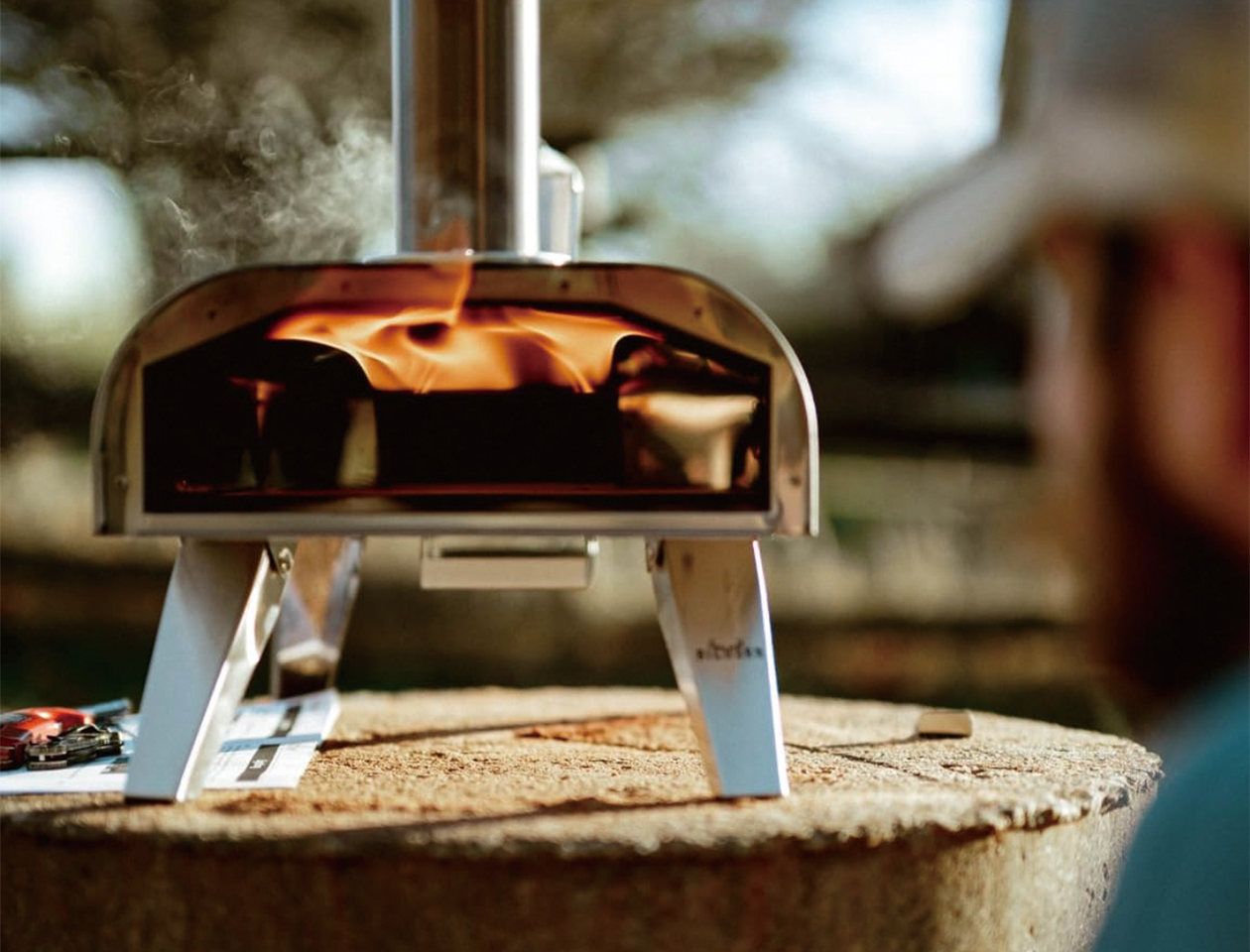
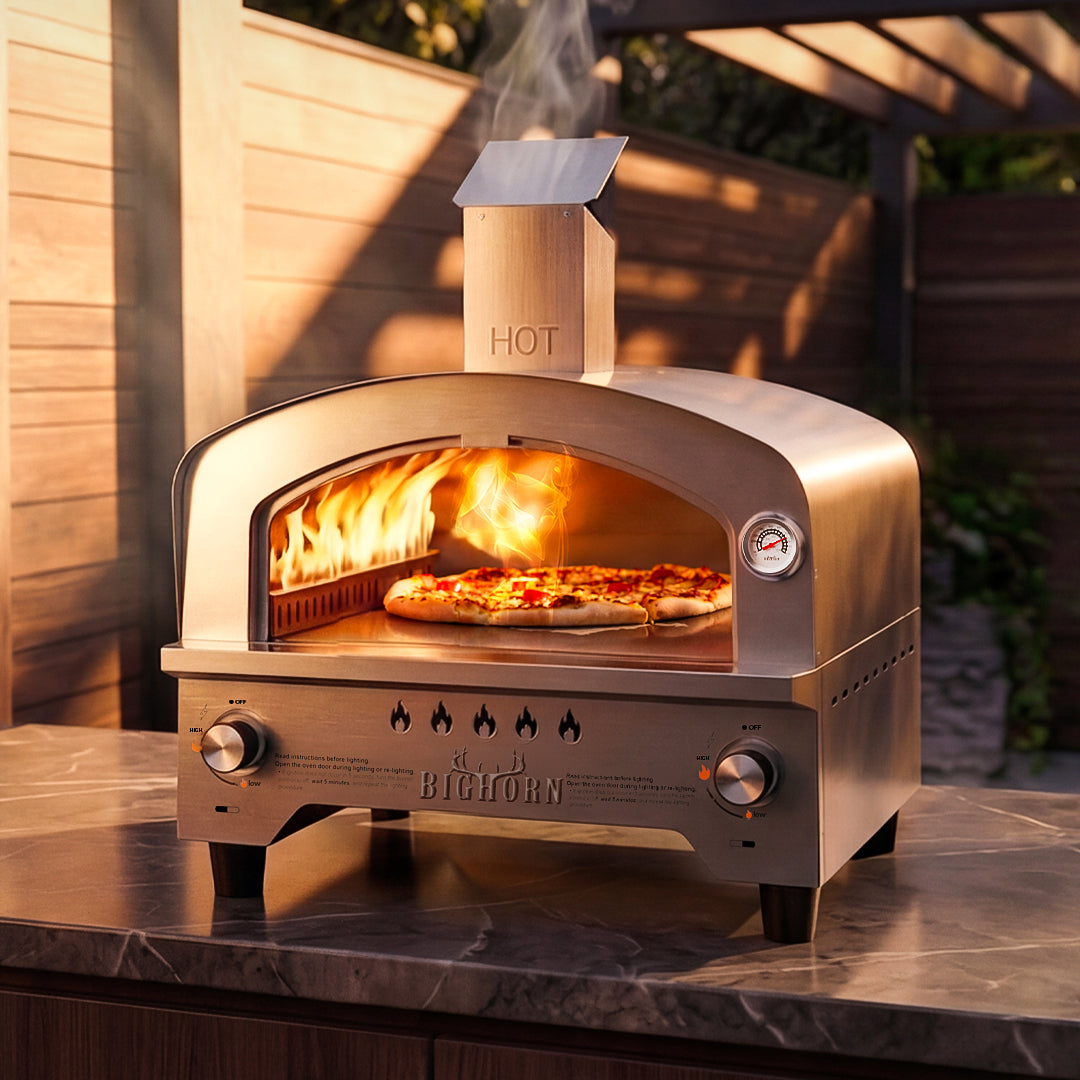
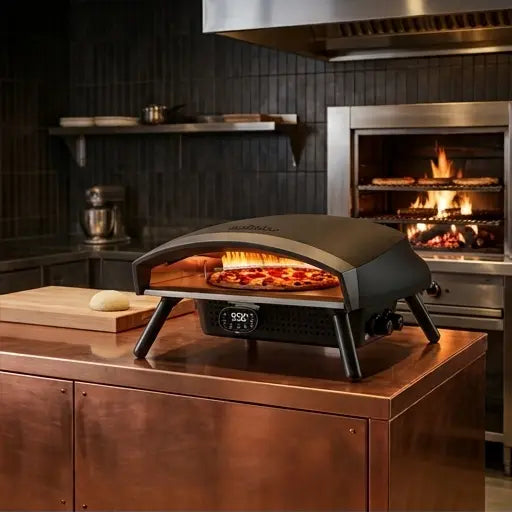
A portable gas pizza oven looks ideal for tailgates and day trips because ignition is quick and the fuel can be shut off. The real travel system is larger: oven, stone, regulator, hose, propane cylinder, stand, tools, chilled food, fire equipment, and enough time for every hot component to cool before the vehicle leaves.
Plan the outing around the venue’s current rules and a complete cold rehearsal. Stadium lots, parks, campsites, and event properties can restrict cylinders, open flame, appliance placement, ash or grease disposal, and operating hours. Ownership of a ticket or parking space is not permission to light an appliance.
Verify the Venue Before Preparing Dough
Check the official property or event authority close to departure. Look for current language covering propane cooking devices, cylinder size, fire extinguishers, distance from vehicles, designated cooking areas, open-flame cutoff times, and disposal. Contact the venue when “grill” is not defined clearly enough to cover an enclosed pizza oven.
| Question | Official answer/source | Checked date |
|---|---|---|
| Are propane cooking appliances allowed? | ||
| Is a cylinder size or quantity limited? | ||
| Where may the appliance operate? | ||
| Is fire equipment mandatory? | ||
| When must flame be extinguished? | ||
| How must waste or grease leave? |
Bring a cold-food or commercially prepared backup menu. If rules or weather prohibit operation on arrival, do not negotiate with the schedule by hiding the cylinder or cooking beside the vehicle.
Test the Complete Carry Configuration
Weigh and measure the packed system, not only the oven body. A removable stone may require a protective case; the cylinder must travel upright and secured according to applicable requirements; regulators and hoses need protection from crushing and contamination.
Rehearse the route from storage to vehicle and parking position to setup point. Carry the cold oven using intended handles or support points, never by the door, gas inlet, hose, chimney, or another removable part. Use two people or a cart if the operator cannot see the walking path, maintain a neutral grip, or place the unit without twisting.
Appliance crate
- cold clean oven and approved removable parts;
- protected stone following the transport instructions;
- regulator and hose with capped or protected fittings;
- exact manual or saved offline copy; and
- any required assembly hardware.
Fuel area
- serviceable approved cylinder, upright and secured;
- valve protection as required; and
- separation from loose cargo and ignition sources.
Cooking kit
- manufacturer-approved stable stand;
- launch and turning peels, receiving board, cutter, and gloves;
- leak-detection solution specified for the connection;
- required extinguisher or emergency equipment; and
- chilled ingredients, potable water, and cleaning supplies.
Do not use the oven cavity as a bin for the regulator, canned food, or tools unless the transport instructions allow it. Loose metal can crack a stone or damage the burner.
Transport Propane as Fuel, Not Luggage
Propane cylinder transportation and storage rules vary by cylinder and jurisdiction. Use a serviceable cylinder accepted for the appliance and secure it upright against movement. Keep the valve closed and use protection required for that design. Do not leave it in a hot vehicle longer than necessary or transport it in an enclosed passenger space contrary to applicable guidance.
Inspect the cylinder collar, foot ring, valve area, and body before loading. Significant rust, dents, fire exposure, valve damage, or an out-of-date qualification must be handled by the propane supplier. Do not repair or repaint damage to make a cylinder appear serviceable.
Keep the regulator and hose clean and protected from cargo edges. Never leave them connected during transport unless the manufacturer and applicable rules specifically require or permit that configuration.
Choose the Setup Point Away From the Vehicle
The open tailgate is not automatically a counter or shelter. Exhaust and radiant heat can damage vehicle finishes, weather seals, glass, interior fabric, and cargo, and gas can collect in low or enclosed spaces. Set up only where the manual and venue allow, with the full required distance from vehicles, structures, tents, canopies, dry vegetation, and people.
Walk the site before unloading. Check surface levelness, wind, overhead obstacles, pedestrian routes, emergency access, and the direction exhaust will travel. Use the approved stand with every foot fully supported. Folding tables must be specifically capable of the weight and heat conditions; a tablecloth or heat mat does not convert an unsuitable table. In a parking lot, that usually means the approved stand on level pavement, not the tailgate, a lowered liftgate, or the bed of a truck.
Create three zones:
- hot zone: oven, controls, cylinder, hose, fuel valve, and peel sweep;
- food zone: covered dough, chilled toppings, clean hands and tools; and
- guest zone: seating, drinks, plates, and conversation.
Nobody should step over the hose or stand between the operator and cylinder valve.
Connect and Leak-Test From Cold
With oven controls off and ignition sources absent, connect the approved regulator, hose, and cylinder exactly as instructed. Do not use an adapter because a borrowed cylinder or connector is convenient. Route the hose away from hot surfaces, vehicle tires, doors, sharp edges, and feet.
Perform the manual’s leak test at every specified joint after connection, and never test with a flame. Growing bubbles from the approved detection solution indicate a leak; close the cylinder when safe and correct the documented user-serviceable issue or replace the approved part. If leakage continues, do not operate.
Strong propane odor, hissing, a valve that cannot be closed, or suspected gas accumulation requires evacuation of the immediate area and contact with the fuel supplier or emergency services from a safe place. Do not operate vehicle switches, phones, or ignition sources within the suspected gas area.
Use a Small Tailgate Menu
Two to four pizzas make a practical first outing. Prepare equal dough balls and pre-portion three topping combinations. Avoid raw meat that would depend on a very short pizza bake for safety; pre-cook it to the applicable safe temperature and keep it cold or properly hot-held.
Perishable toppings should remain at 40°F (4.4°C) or below until needed. USDA guidance gives a two-hour limit at ordinary ambient conditions, shortened to one hour when the temperature exceeds 90°F (32.2°C). Use small working containers and refill from a well-managed cooler.
| Menu item | Quantity | Cold storage location | Serving tool |
|---|---|---|---|
| Dough balls | Covered chilled box | Clean dough tool | |
| Sauce and cheese | Cooler basket 1 | Dedicated spoons | |
| Pre-cooked toppings | Cooler basket 2 | Separate tongs | |
| Finished pizza | Immediate service | Clean board/cutter |
Keep fuel-handling gloves and leak-test supplies away from food surfaces. Wash hands after connecting the cylinder, touching waste, or handling raw food.
Establish a Field Baseline
Ignite only through the model-specific sequence. If ignition fails, turn controls off, close fuel as instructed, and wait the full required period before another attempt; repeated clicking with gas flowing can accumulate fuel.
Wind and ambient temperature can change preheat and flame stability. If surface measurement is approved, compare the same locations used at home. An infrared device measures a surface, not air or food interior. Launch a controlled pizza when the known successful floor pattern and normal burner behavior are present.
Do not let the event clock force operation in excessive wind or abnormal flame. If the flame repeatedly goes out, soot appears, output does not respond, or gas odor develops, shut down and use the backup menu.
Work Backward From Departure
Venue closing time is a hard boundary. Subtract full cooling, cold cleaning, disconnection, packing, and a margin from the required departure. The result sets the final pizza and shutdown time.
| Departure calculation | Allowance |
|---|---|
| Vehicle must leave | |
| Packing and cargo check | |
| Cold cleaning/disconnection | |
| Tested complete cooling plus margin | |
| Latest burner shutdown |
Use a supervised home trial to learn cooling time; do not copy a generic figure. Exterior metal may cool before the stone, underside, burner guard, or door, and never speed cooling with water or ice. Follow the exact order for turning off the burner and cylinder, keep the hot zone guarded, and disconnect only once every part is fully cold. Protect fittings from dirt, inspect for food and grease, and repack the stone securely.
Leave No Fuel or Heat Problem Behind
Take all waste and grease with you using venue-approved containers. Do not empty food, sauce, oily water, or debris onto pavement or landscaping. Inspect beneath the oven and stand after movement for scorching, residue, loose hardware, or damage.
Secure the cold cylinder upright for the return. Count the regulator, hose, stone, controls, peels, gloves, boards, and emergency equipment, and separate food-contact tools from fuel equipment. The final cargo check should confirm that no heat remains and nothing can strike the cylinder or stone during braking.
Tailgate Safety Checklist
- Current venue permission covers the appliance, cylinder, location, and operating hours; a backup meal is packed.
- Only a serviceable approved cylinder, secured upright with valve protection, kept from excessive vehicle heat and loose cargo.
- Oven set up outdoors on the approved stand at the required distance from vehicles, structures, canopies, dry vegetation, and traffic.
- Cold connection, safe hose routing, leak test by the specified method—never with flame—and correct ignition order with a full dispersal wait on failure.
- Separate hot, food, and guest zones; no one steps over the hose or stands between the operator and the cylinder valve.
- Shutdown on schedule and packing only after the stone, burner, body, hose, regulator, tools, and cylinder area are fully cold and inspected.
Frequently Asked Questions
Can I operate the oven from an open vehicle tailgate?
Not by assumption. Heat, exhaust, gas accumulation, and clearances make a vehicle a hazardous operating surface. Use only a location expressly permitted by the oven manual and venue, at the required distance from the vehicle; a level patch of pavement with the approved stand is usually the correct answer.
Can a propane cylinder stay in the car during cooking?
No. Connect the cylinder only in the approved outdoor operating position, and never run a hose from an enclosed vehicle or let propane collect inside cargo space. During the drive, secure the cylinder upright and out of direct sun rather than placing it on a hot seat or against metal that heats.
Do I need to leak-test after transporting the oven?
Follow the manual; transport and reconnection are strong reasons to perform the specified test at all required joints. Inspect the hose and fittings for cargo damage first, and never use flame. If the venue is windy or dusty, wipe the fittings clean before the test so bubbles are readable.
How many pizzas should I plan for a tailgate?
Begin with two to four pizzas and a backup menu. Use the oven’s tested recovery pace, venue time limit, guest count, and cooling deadline rather than maximum-temperature marketing; the first outing should prove the whole travel system, not set a record.
What if the venue bans cooking after I arrive?
Do not light the oven. Keep the cylinder closed and secured, use the backup meal, and follow the venue’s instructions. A portable appliance does not override current property rules, and a venue that changes its policy mid-event is still the authority on its own lot.
The Return Trip Is Part of Portability
A portable gas pizza oven is a travel system, not simply a small burner. Verify the venue, protect and secure the cylinder, rehearse the full carry, create separate hot and food zones, connect and leak-test cold, and serve a modest menu. Then shut down early enough for complete cooling and an orderly cargo check. A trip is successful only when the pizza is served and every fuel and heat component returns safely.