A multi-fuel pizza oven is a pizza oven designed to use more than one approved heat source, giving cooks flexibility between live-fire cooking and more controlled heating. The key qualification is that fuel compatibility is model-specific: use only the fuels, conversion attachments, and operating methods approved for the exact oven. The right setup depends on where you cook, how often you make pizza, and how much hands-on fire management you want.
What Is a Multi-Fuel Pizza Oven Designed to Do?
A multi-fuel pizza oven lets the owner use two or more manufacturer-approved heating options in one cooking system. It can support different cooking routines, but it does not mean that every fuel is interchangeable, usable simultaneously, or safe without the correct attachment.
Pizza ovens work by combining a heated stone with strong radiant heat inside the chamber. The stone sets and browns the base, while heat from above cooks the rim, cheese, and toppings. A multi-fuel design changes how that heat is produced, not the basic need for proper preheating, airflow, and pizza handling.
Some hybrid ovens use wood pellets as their primary fuel and accept optional gas-burner or electric-heater attachments. Others are designed for wood, charcoal, and gas. Before choosing an oven, confirm the exact approved fuels rather than relying on a broad “multi-fuel” label.
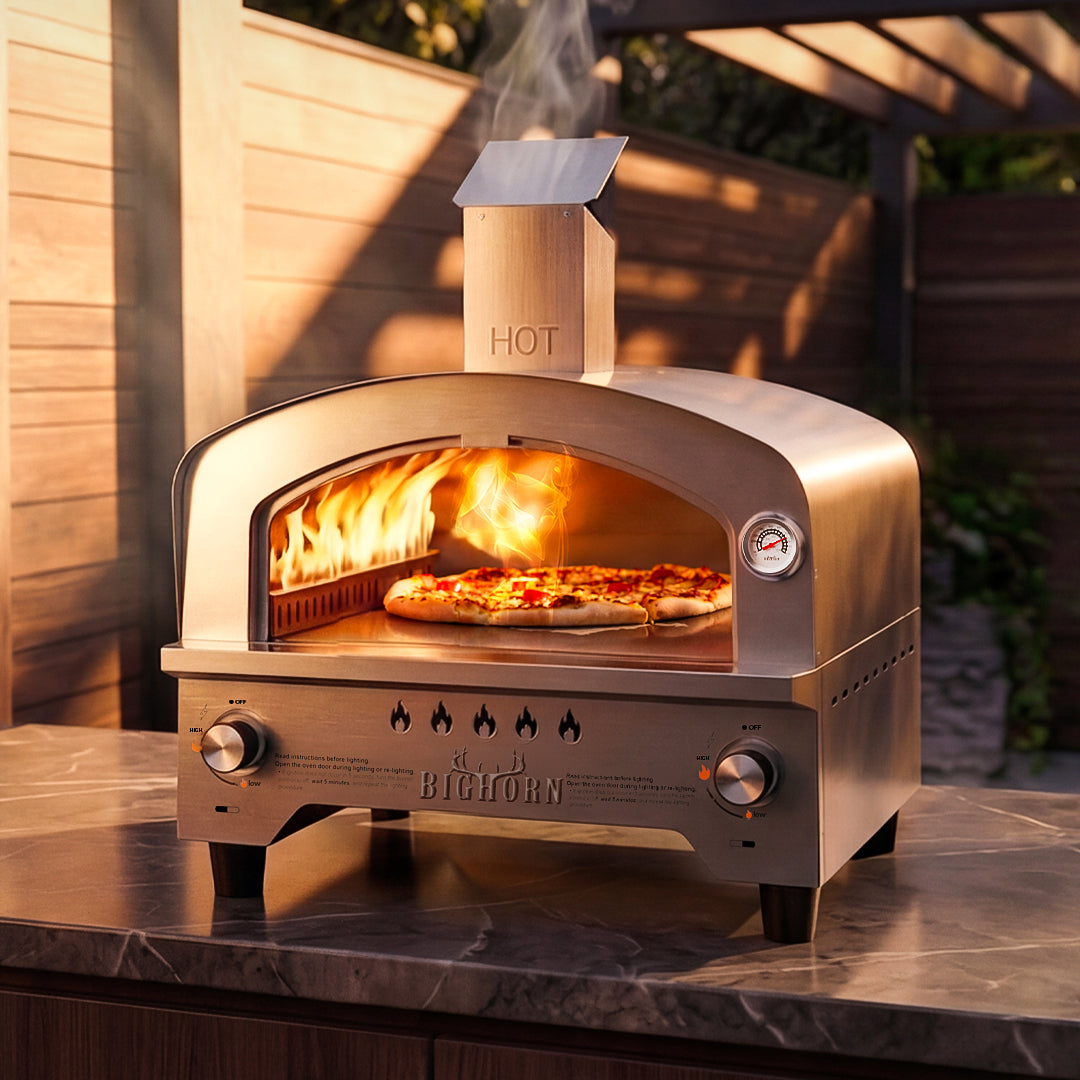
Big Horn Outdoors offers pellet, gas, electric, and multi-fuel pizza-oven options, but capabilities vary across its range. A fuel type, temperature claim, or accessory that applies to one model should not be assumed to apply to another.
Which Fuel Option Fits Your Cooking Style?
Choose wood pellets when you enjoy live-fire cooking, propane when you want adjustable outdoor heat, and electric heating when the exact oven is designed for that use. The best choice depends on convenience, available space, cooking frequency, cleanup preferences, and the level of control you want.
Wood pellets suit cooks who enjoy building and maintaining a fire. They can create the visual and sensory appeal of live-fire pizza cooking, but they also require dry fuel storage, ash removal, and attention to airflow. Use only food-safe, all-natural hardwood pellets specified for pizza ovens.
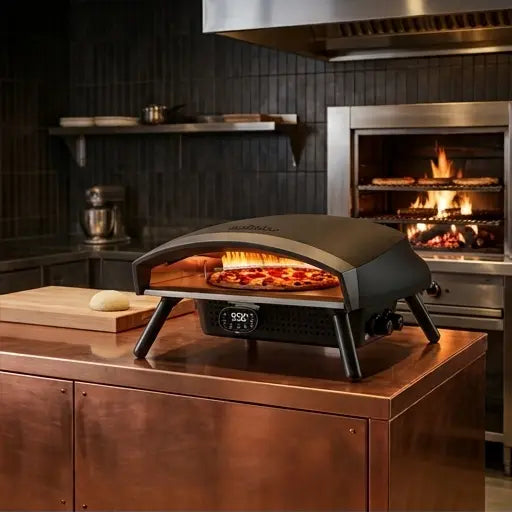
Propane can simplify outdoor pizza making because the flame is easier to ignite and adjust. It is useful for cooks who want a more repeatable routine, especially when preparing several pizzas in one session. Propane equipment still requires outdoor use, leak checks, correct hose connections, and safe cylinder placement.
Electric heating can reduce combustion-related cleanup and may suit an approved indoor or covered cooking environment. However, indoor suitability, ventilation requirements, outlet specifications, and operating limits depend entirely on the exact electric model or approved electric attachment.
How Do You Choose the Right Cooking Capacity?
Choose cooking capacity according to the pizza size and serving volume you use most often. A compact oven can work well for personal pizzas and small households, while a larger cooking chamber provides more turning room and supports larger pies, cookware, or group cooking.
The stated pizza size is only one part of the decision. A pizza needs enough space around it for turning, especially when the oven has an active flame or a hotter rear section. Choosing a dough size slightly below the oven’s maximum capacity can make launching and turning easier.
A 12-inch cooking format is practical for personal pizzas, smaller gatherings, and portable setups. It usually takes up less table space and can be easier to store. The tradeoff is a tighter work area, which makes peel control and frequent turning more important.
For regular entertaining, larger pizzas, or cooking with cast-iron pans, consider an oven with a wider stone and chamber. Check the usable stone dimensions, opening width, oven weight, and required countertop or cart space before buying.
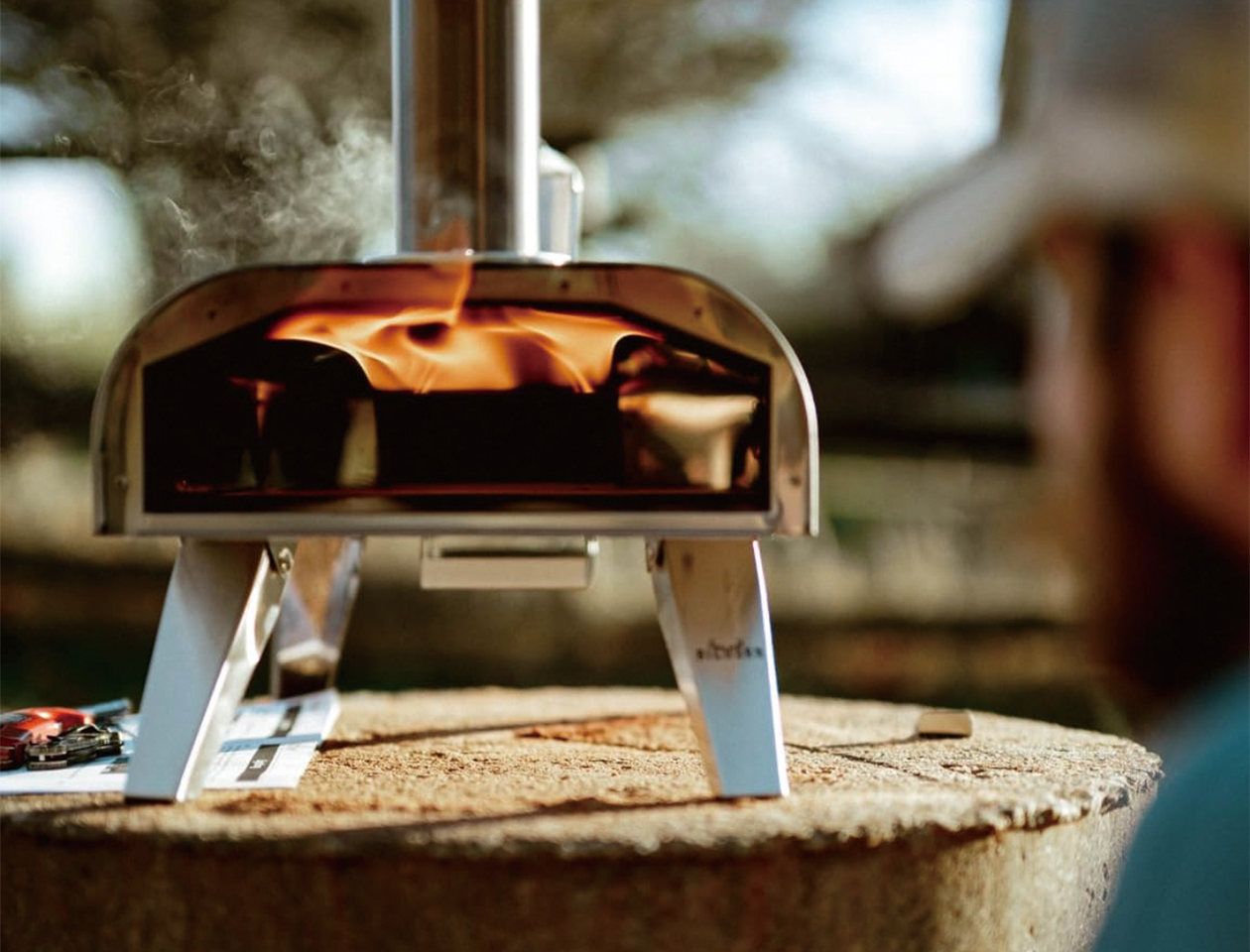
The Big Horn Outdoors 12-inch wood-pellet pizza oven is a compact option with folding legs and a listed weight of 24.9 pounds. Those details apply to that specific pellet oven and should not be used to describe other Big Horn Outdoors pizza-oven models.
How Do You Set Up and Preheat an Oven Correctly?
Set up the oven on a stable, heat-resistant surface in the location approved for the exact model and fuel. Preheat until the pizza stone is properly heated, not merely until the oven chamber feels hot, because stone temperature has the greatest effect on crust texture.
Read the model-specific manual before the first use. Install only the included or approved components, including the stone, chimney, fuel tray, burner, heating attachment, and fasteners. Confirm that folding legs are fully locked, the oven is level, and the surrounding area is clear before lighting or powering on.
For pellet cooking, start with dry hardwood pellets and allow the fire to establish before adding large amounts of fuel. Restricted airflow, damp pellets, or an overloaded fuel tray can produce excess smoke and unstable heat. Add fuel gradually and monitor the flame instead of trying to force a rapid temperature increase.
For propane cooking, connect the approved burner and regulator according to the manufacturer’s instructions. Keep the propane cylinder upright and away from oven heat. Check the hose and connections before cooking, and never use an open flame to test for leaks.
The Big Horn Outdoors 12-inch wood-pellet pizza oven is listed with an 18- to 20-minute preheat and temperatures up to 887°F under appropriate conditions. Those figures apply only to that pellet oven and can change with weather, fuel quality, wind, and stone recovery between pizzas.
Why Does Stone Temperature Matter More Than Air Temperature?
Stone temperature matters because it determines how quickly the dough base sets, dries, and browns. High air temperature can char toppings and inflate the crust, but an underheated stone can leave the center soft, pale, or difficult to release from the peel.
Use an infrared thermometer to check the front, center, and rear of the stone. The section closest to the flame or heat source is often hotter than the front edge, so one reading does not reveal the entire cooking surface.
A very hot stone suits thin pizzas that bake quickly. Thicker dough, heavily topped pizzas, flatbreads, and pan-style pizzas usually benefit from a more moderate stone temperature and a longer bake. Matching dough style to heat level prevents a burnt base and undercooked center.
Stone recovery becomes important when serving several people. Every pizza draws heat from the stone, particularly if the dough is cold or heavily topped. Allow the stone to regain heat between pizzas and avoid launching the next pizza before the surface is ready.
A consistent routine is simple:
-
Preheat the stone fully.
-
Measure the stone in more than one area.
-
Launch a lightly topped pizza.
-
Turn it regularly as the crust sets.
-
Check the stone again before the next pizza.
-
Adjust the fuel supply or flame only as needed.
Can a Multi-Fuel Pizza Oven Work for Camping?
A portable multi-fuel pizza oven can work well for car camping and RV travel when the model is designed for transport and the campsite permits its fuel type. Safe operation still requires an outdoor location, a stable surface, proper fuel storage, and adequate space around the oven.
Portability involves more than the oven itself. Plan for fuel, a pizza peel, heat-resistant gloves, a thermometer, a stable table, and a protected way to transport the pizza stone. A compact oven may be easy to carry, but the complete cooking system still needs organization.
Pellets are convenient to pack in a sealed, dry container, but they require ash management after cooking. Propane can be easier for predictable ignition and flame adjustment, although cylinders must be transported and stored safely. Check campground rules before bringing either fuel source.
Big Horn Outdoors positions certain products for outdoor cooking situations such as patios, backyards, campsites, and RV travel. Select the exact oven based on its confirmed weight, folding features, fuel requirements, and approved operating environment rather than assuming every model is equally portable.
Avoid using a pizza oven inside a tent, vehicle, enclosed awning, garage, or other confined space. Wind can affect flame behavior and heat retention, so position the oven in an open area away from dry vegetation, tents, traffic paths, and combustible materials.
What Safety Rules Apply to Multi-Fuel Pizza Ovens?
Use pellet, wood, charcoal, and propane pizza ovens outdoors in open, well-ventilated areas unless the specific electric model is expressly approved for indoor use. Keep combustible materials away, use approved fuels and accessories, and allow all components to cool completely before cleaning or moving the oven.
High-heat pizza cooking creates hazards even after the fire is out. The oven body, stone, chimney, door, peel, and cookware can remain hot for a long time. Establish a clear working area and keep children, pets, and bystanders away from the oven while it is operating or cooling.
Follow these core safety practices:
-
Place the oven on a level, sturdy, heat-resistant surface.
-
Keep a suitable fire extinguisher accessible during outdoor cooking.
-
Wear heat-resistant gloves when turning pizzas or handling hot tools.
-
Keep propane cylinders upright and away from direct heat.
-
Turn off propane at the cylinder after cooking, following the appliance instructions.
-
Dispose of cooled ash in a metal container.
-
Never pour water onto a hot stone or oven body.
-
Do not modify burner, electrical, chimney, or fuel components.
If an oven uses an electric heating attachment, confirm that the attachment is approved for the exact oven and that the electrical circuit, outlet, and operating location meet the manufacturer’s requirements.
How Should You Clean and Maintain a Multi-Fuel Pizza Oven?
Clean the oven only after it has cooled completely, remove ash after pellet cooking, and keep the stone dry. Routine maintenance supports reliable airflow, safer fuel operation, and more consistent pizza results without relying on harsh cleaners or unnecessary disassembly.
Brush away loose flour, cheese residue, and charred food after the oven is cool. Pizza stones should generally be dry-cleaned with a brush or scraper. Avoid soaking a stone or exposing it to sudden temperature changes, as moisture and thermal shock can damage it.
For pellet cooking, remove fully cooled ash and inspect the fuel path for obstructions. Store pellets in an airtight container so moisture does not affect ignition or burn quality. Damp pellets can cause poor combustion, excess smoke, and inconsistent heat.
For propane use, inspect the burner, hose, regulator, and connections regularly. Keep flour and grease away from burner openings. If you smell gas, stop using the oven, shut off the fuel supply when safe to do so, and follow the manufacturer’s leak-check instructions.
Store the cooled oven in a clean, dry location. A cover designed for the exact model can help protect it from dust and weather, but never cover a warm oven. Confirm compatibility before buying a cover, peel, burner, electric heater, or replacement stone.
What Are Big Horn Outdoors Expert Views?
Big Horn Outdoors Expert Views
“Fuel flexibility is most useful when it supports the way you actually cook. Choose pellets when you want a live-fire routine, propane when adjustable outdoor heat fits your schedule, and electric heating only when the exact oven and attachment are designed for that environment. Good pizza comes from a fully heated stone, balanced toppings, regular turning, and safe setup. Confirm your oven’s approved fuel, accessories, and operating instructions before each cook.”
This guidance reflects a practical approach to hybrid pizza cooking: use the fuel system that matches the occasion, but do not compromise on model-specific compatibility or safe placement.
What Questions Do Buyers Ask About Multi-Fuel Pizza Ovens?
Can I use different fuels at the same time?
Use only the fuel combination and operating method approved for the exact oven. Many multi-fuel ovens are designed to use one fuel source per cooking session, and combining fuels without explicit instructions can create unsafe heat, airflow, or burner conditions.
Do wood pellets make pizza taste smoky?
Pellets can contribute a subtle live-fire character, but the effect depends on fuel quality, airflow, bake time, and topping choices. Fast-cooking pizzas spend little time in the oven, so smoke flavor is usually less pronounced than in low-and-slow barbecue.
Do I need two pizza peels?
Two peels can make high-heat pizza cooking easier. A wider peel can help launch the pizza, while a smaller metal turning peel gives better control when rotating the pizza inside the oven. One peel can work, but separate tools improve workflow.
Can I cook foods other than pizza?
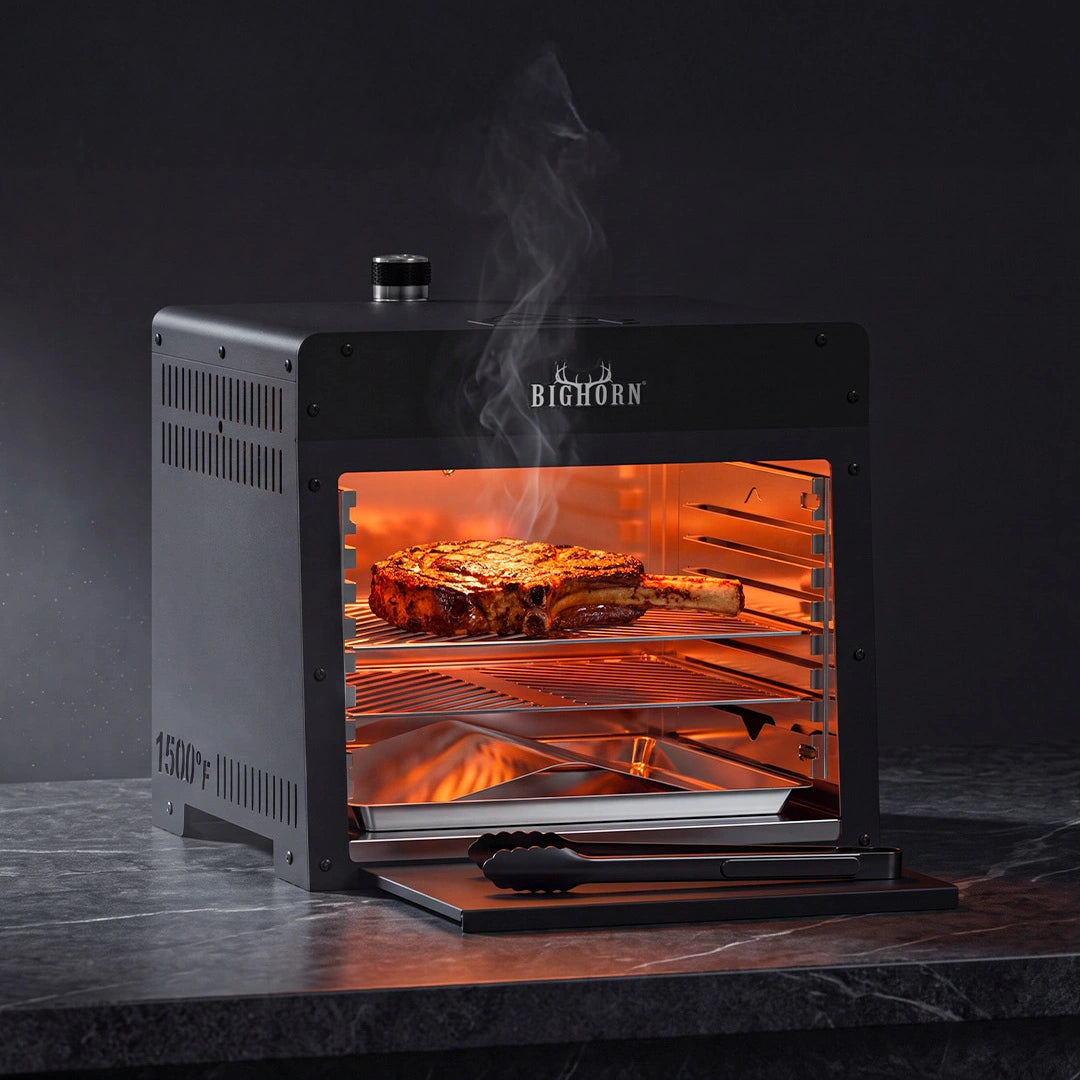
Many pizza ovens can cook bread, vegetables, fish, and skillet dishes when the cookware and temperature are appropriate. Check the manufacturer’s instructions for the exact model and avoid using cookware that is not rated for high oven temperatures.
Which Multi-Fuel Pizza Oven Setup Should You Choose?
Choose a pellet-focused setup if you enjoy fire management, a propane-compatible setup if you want faster outdoor control, and an electric-compatible setup only if the exact model supports your location and power requirements. Match oven size and portability to the pizzas you make most often.
A beginner who wants a straightforward outdoor routine may prefer a compatible propane setup. A cook who enjoys maintaining a fire may prefer pellet operation. A compact 12-inch oven can suit small households, patios, and travel-oriented cooking, while a larger chamber makes more sense for larger pizzas and frequent entertaining.
Big Horn Outdoors has products across pellet, gas, electric, and multi-fuel categories, but the best choice is always model-specific. Confirm the approved fuel source, included components, separately sold attachments, cooking capacity, operating environment, and storage needs before purchasing.
For the Big Horn Outdoors 12-inch wood-pellet pizza oven, the confirmed base model uses wood pellets and can accept separately sold gas-burner or electric-heater attachments. Its stainless-steel construction, folding legs, 24.9-pound listed weight, 18- to 20-minute preheat, and stated temperature capability apply to that exact model only.
Choose the oven that fits your available space, preferred fuel, desired pizza size, maintenance tolerance, and experience level. A well-matched multi-fuel pizza oven should make your cooking routine more flexible without adding unnecessary setup, fuel, or safety complications.