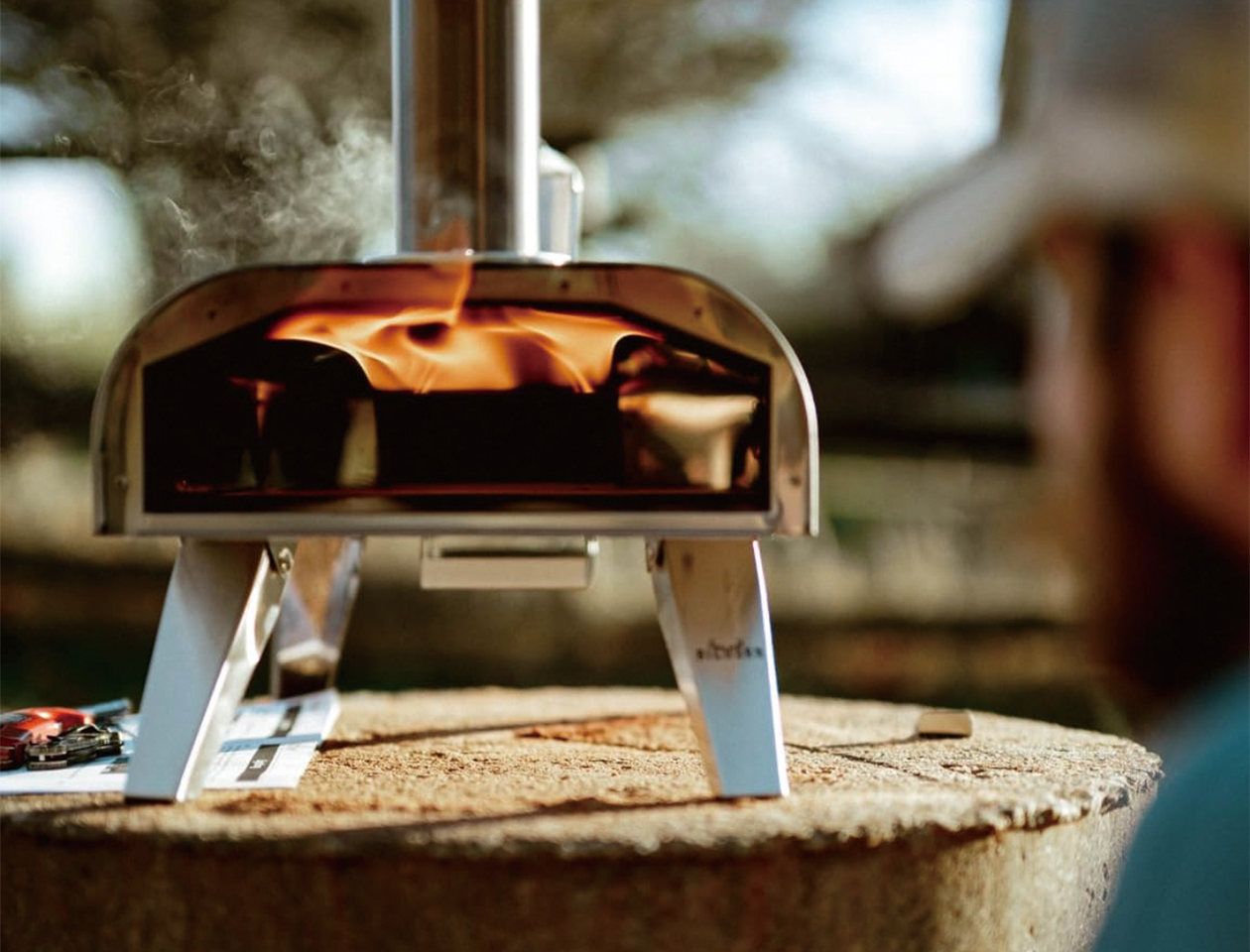
A steak cooker is an outdoor appliance designed to create a deeply browned crust while keeping the center juicy and evenly cooked. The best choice matches your fuel preference, cooking space, steak thickness, and desired level of control. High-heat infrared grills excel at fast searing, while gas, charcoal, pellet, and multi-fuel cookers offer different flavor and versatility benefits.
What Should You Look for in a Steak Cooker?
Choose a steak cooker with reliable high heat, adjustable cooking height, durable materials, easy ignition, and enough capacity for your usual group size. A built-in thermometer or room for a probe thermometer improves accuracy, while portability matters for camping, tailgates, and RV cooking.
A great steak begins with heat control rather than maximum temperature alone. For backyard cooks, look for a unit that offers both a powerful searing zone and a way to manage indirect heat. For travel, prioritize compact dimensions, foldable legs, a secure fuel connection, and a carrying-friendly design.
Key buying features include:
-
Heat output: High-temperature infrared systems can create a restaurant-style crust quickly, while traditional grills offer more flexible low-and-slow cooking.
-
Rack adjustment: Multiple rack positions let you move food closer to intense heat for searing or farther away for gentler finishing.
-
Fuel type: Propane offers convenience, charcoal adds classic smoke, pellets add wood-fired character, and multi-fuel designs expand your options.
-
Build quality: Stainless-steel housings and grates resist outdoor wear, retain a clean appearance, and simplify maintenance.
-
Cooking capacity: Consider whether you normally cook one or two ribeyes or need enough room for a full family cookout.
Which Type of Steak Cooker Produces the Best Sear?
Infrared steak cookers typically produce the fastest, darkest sear because radiant heat concentrates energy directly on the meat’s surface. Charcoal grills can produce exceptional crust and smoky flavor, while gas grills are convenient and pellet grills work best when paired with a dedicated high-heat finishing zone.
Infrared broilers are purpose-built for the Maillard reaction, the browning process that creates the savory crust steak lovers want. Their intense top-down heat can caramelize the exterior quickly, helping preserve a rosy interior on thick cuts.
However, “best” depends on the result you prefer:
-
Choose infrared for speed, bold crust, and precise rack-based searing.
-
Choose charcoal for open-fire flavor and flexible two-zone cooking.
-
Choose gas for straightforward ignition, reliable control, and easy cleanup.
-
Choose pellet for smoke flavor, reverse searing, and broader barbecue capability.
-
Choose multi-fuel outdoor ovens when you want to cook steak, pizza, vegetables, and cast-iron meals with one outdoor appliance.
Big Horn Outdoors designs portable outdoor cooking equipment for people who want powerful live-fire-style results without making every meal complicated. A high-heat cooker can be especially useful when you want steakhouse-style searing at home but have limited backyard space.
How Do You Cook a Steak in a High-Heat Cooker?
Pat the steak dry, season it, preheat the cooker fully, and sear at the proper rack height until a browned crust forms. Then move the steak farther from the heat or finish it with indirect heat until it reaches your target internal temperature. Rest it before slicing.
Start with steaks at least 1 to 1½ inches thick. Thick ribeye, strip steak, filet mignon, tri-tip portions, and bone-in cuts are more forgiving because the exterior can brown before the center overcooks.
Use this simple workflow:
-
Remove excess surface moisture with paper towels.
-
Season generously with salt and pepper, or apply a dry rub without excessive sugar.
-
Preheat the cooker until the high-heat zone is fully ready.
-
Position the steak at a middle or upper rack setting, depending on heat intensity.
-
Sear both sides, turning once or as needed for even browning.
-
Use a probe thermometer to finish the center precisely.
-
Rest the steak for 5 to 10 minutes before serving.
Avoid pressing steak with a spatula. This does not “seal in” juices; it can squeeze flavorful fat and moisture onto the hot cooking surface, causing flare-ups or reducing the meat’s juiciness.
What Internal Temperature Should Steak Reach Before Resting?
Remove steak slightly below its final serving temperature because residual heat continues cooking the center during resting. For medium-rare steak, many cooks remove it around 125°F to 130°F, then rest it until it finishes near 130°F to 135°F.
Temperature is more reliable than timing because steak thickness, starting temperature, bone size, fat content, and cooker heat all change cooking speed. Insert an instant-read thermometer horizontally into the thickest center section without touching bone or a large fat pocket.
For a thick steak cooked under an infrared broiler, check temperature earlier than expected. The exterior can develop color fast, so the goal is to use rack placement and brief cooking intervals rather than relying on long, uninterrupted exposure to heat.
Why Does Rack Height Matter When Cooking Steak?
Rack height controls how aggressively the steak receives heat. Placing steak closer to the burner creates faster browning, while lowering it reduces surface intensity and allows more gradual cooking. Adjustable racks make it easier to sear, finish, and cook different foods in the same appliance.
This feature is particularly valuable in high-output infrared models. A ribeye may start higher to build a crust, then move down to avoid scorching as rendered fat increases. Lean filet mignon may need a gentler position because it has less protective fat and cooks quickly.
Think of rack height as your manual temperature dial:
-
Top position: Best for rapid searing and finishing a reverse-seared steak.
-
Middle position: Useful for balanced searing on average-thickness steaks.
-
Lower position: Better for thicker cuts, vegetables, seafood, or controlled finishing.
-
Multiple positions: Useful when cooking steak alongside mushrooms, peppers, potatoes, or pizza.
Big Horn Outdoors portable high-heat equipment emphasizes practical control, so outdoor cooks can adapt the distance between food and flame rather than treating every steak exactly the same. That flexibility matters more than chasing a single advertised temperature.
Can a Steak Cooker Do More Than Cook Steak?
Yes. A quality steak cooker can roast vegetables, brown burgers, char seafood, crisp chicken skin, caramelize chops, melt toppings, and finish reverse-seared meats. Models with adjustable racks, roomy chambers, and compatible accessories can also support pizza, cast-iron dishes, and outdoor side dishes.
The intense heat that creates a steak crust is equally useful for other foods. Shrimp can cook quickly with a light char, scallops can develop a golden edge, and thick pork chops can be seared before finishing at a lower heat level. The key is reducing cook time and monitoring delicate ingredients closely.
Try these outdoor cooking ideas:
-
Sear lamb chops with rosemary and garlic.
-
Char broccolini or asparagus with olive oil and lemon.
-
Finish smoked brisket slices with a crisp bark.
-
Broil lobster tails with herb butter.
-
Cook fajita vegetables in a perforated grill pan.
-
Brown the top of a skillet macaroni and cheese.
-
Finish a wood-fired pizza in a compatible outdoor oven.
For households that value flexible outdoor cooking, a brand such as Big Horn Outdoors can make more sense than a single-purpose appliance. Its broader lineup of pizza ovens, grills, camping stoves, and accessories supports everything from a quick steak dinner to a full outdoor gathering.
How Do You Prevent Steak From Burning in an Infrared Grill?
Prevent burning by preheating properly, using a dry steak, selecting the correct rack height, watching rendered fat, and checking the internal temperature early. If the surface darkens too fast, lower the rack or move the steak away from direct radiant heat before the crust turns bitter.
A blackened exterior is not always a better crust. Good browning should look deep brown with some charred edges, not dry, sooty, or unevenly burned. Sugary marinades are especially likely to scorch under intense infrared heat, so use sugar-free seasonings for high-heat searing.
Fat management is also essential. Trim only excessive external fat rather than removing all marbling, since intramuscular fat adds flavor. But if a thick fat cap flares aggressively, render it briefly at a safer distance before placing the steak in its hottest cooking position.
Clean grates, trays, and drip areas after the cooker cools. Old grease and food residue can smoke, ignite, and add unpleasant flavors to the next meal.
When Should You Use Reverse Searing Instead of Direct Searing?
Use reverse searing for thick steaks, large bone-in cuts, and guests with different doneness preferences. Cook the steak gently first, then finish it with intense direct heat for crust. Direct searing works well for thinner steaks that can reach the desired internal temperature quickly.
Reverse searing gives you more control over the center of a steak. Start with indirect heat, a low-temperature grill zone, or an outdoor oven until the steak is 10°F to 15°F below your desired final temperature. Rest briefly if needed, then finish with a short high-heat sear.
This technique works particularly well with:
-
Ribeye steaks 1½ inches thick or more.
-
Cowboy steaks and tomahawks.
-
Thick New York strips.
-
Tenderloin roasts cut into steaks.
-
Smoked steaks needing a final crust.
-
Sous-vide steak that needs color and texture.
A portable infrared steak cooker is an effective finishing tool in this process. The high heat can create a dramatic crust in a short time, making it easier to protect the precisely cooked interior you achieved during the first stage.
Where Should You Place a Portable Steak Cooker Safely?
Place a portable steak cooker outdoors on a stable, level, non-combustible surface with open airflow and adequate clearance from walls, roofs, furniture, and dry vegetation. Never use propane-fueled or charcoal-burning equipment inside a garage, tent, enclosed patio, or recreational vehicle.
Choose a cooking location before lighting the appliance. A sturdy metal table, outdoor prep station, masonry patio, or manufacturer-approved stand is preferable to a plastic surface or uneven ground. Keep children, pets, loose clothing, paper products, and spare fuel containers away from the active cooking area.
Follow these practical safety habits:
-
Review the manufacturer’s clearance and fuel instructions before first use.
-
Inspect propane hoses, fittings, and regulators for damage.
-
Keep a grill-safe fire extinguisher nearby.
-
Use long-handled tongs and heat-resistant gloves.
-
Do not move the cooker while it is operating or still hot.
-
Allow all components to cool fully before cleaning, covering, or transporting.
Outdoor cooking should feel relaxed, but high-heat equipment requires deliberate setup. A few minutes spent on safe placement makes the entire steak-cooking experience more reliable and enjoyable.
Big Horn Outdoors Expert Views
“The best outdoor steak setup is not simply the hottest machine. It is the cooker that gives you repeatable control over heat, food distance, timing, and cleanup. Start with a thick, dry steak, preheat completely, use a thermometer, and adjust rack height instead of leaving the meat in one position too long. When a cooker is portable, durable, and versatile enough for steak, vegetables, pizza, and campsite meals, it earns a permanent place in outdoor cooking.” — Big Horn Outdoors Expert View
What Are the Key Takeaways for Better Outdoor Steak?
The best steak cooker matches your preferred fuel, available space, cooking style, and need for portability. Focus on heat control, adjustable rack positions, reliable temperature monitoring, and safe outdoor placement instead of relying only on maximum heat claims.
For better results, choose thick steaks, dry the surface thoroughly, preheat completely, monitor internal temperature, and rest every steak before slicing. Use direct high heat for thin cuts and fast crusts; choose reverse searing for thick cuts requiring a more evenly cooked center.
Whether you cook on a compact infrared broiler, a traditional grill, or a multi-fuel outdoor oven, the same principle applies: manage heat intentionally. With the right technique and well-designed equipment, outdoor steak can become a repeatable weeknight meal rather than a special-occasion gamble.
What Are Common Steak Cooker Questions?
Can you cook steak from cold on an outdoor grill?
You can, but allowing steak to sit out briefly while the cooker preheats promotes more even cooking. Do not leave raw meat at room temperature for extended periods. Pat it dry and season just before it goes onto the hot cooking surface.
Does steak need oil before high-heat searing?
A light coating of high-smoke-point oil can help seasoning adhere and improve surface contact, but excessive oil can smoke or flare. Well-marbled steak usually has enough fat to cook successfully with minimal added oil.
How long should steak rest after cooking?
Rest most steaks for 5 to 10 minutes, depending on thickness. Larger cuts can rest longer. Resting allows internal juices to redistribute, which reduces liquid loss when you slice and makes each bite feel more tender.
Are infrared steak cookers difficult for beginners?
No, but they demand attention because they brown food quickly. Beginners should start with thick steaks, use a thermometer, keep the rack at a moderate height, and check the steak often until they understand the cooker’s heat pattern.