







Pizza Oven Comparisons
The difference between sitting a pizza oven on an island and dropping it into a cutout is not mainly about style. It is about heat into the counter, who has to fabricate the opening, and whether you can get the oven out later without opening the stone a second time. Those are practical numbers and clearances, not a mood. A sit-on-top is a smaller project. A cutout is a built-in promise.
A broader retrofit decision already exists on the site. This page stays narrower: sit-on-top versus a cutout built-in unit, for an island owner who is already leaning toward the counter itself rather than a separate patio corner.
Sit-on-top vs a cutout: what actually changes
A sit-on-top countertop pizza oven on an island leaves the counter intact and stays easier to service or move. A cutout built-in unit looks permanent and needs fabrication, support, heat protection, and a way to pull the oven later. Measure the top, the load, and door swings before anyone cuts stone.
What changes is the structure, not the recipe. The sit-on-top keeps the island top whole and puts the oven’s weight and heat on a finished surface. The cutout removes material, adds a sleeve or trim, and hides part of the body. If you want a walk-through of oven formats before this install choice, use the pizza maker buying guide for oven, countertop, and outdoor formats and the outdoor pizza oven purchase framework.
An indoor countertop electric model is not automatically an outdoor island appliance. If the unit you are picturing is really a kitchen machine, start with whether your indoor kitchen fits a countertop electric oven instead of cutting an outdoor top to host it.
Counter heat, scratches and a barrier you may need
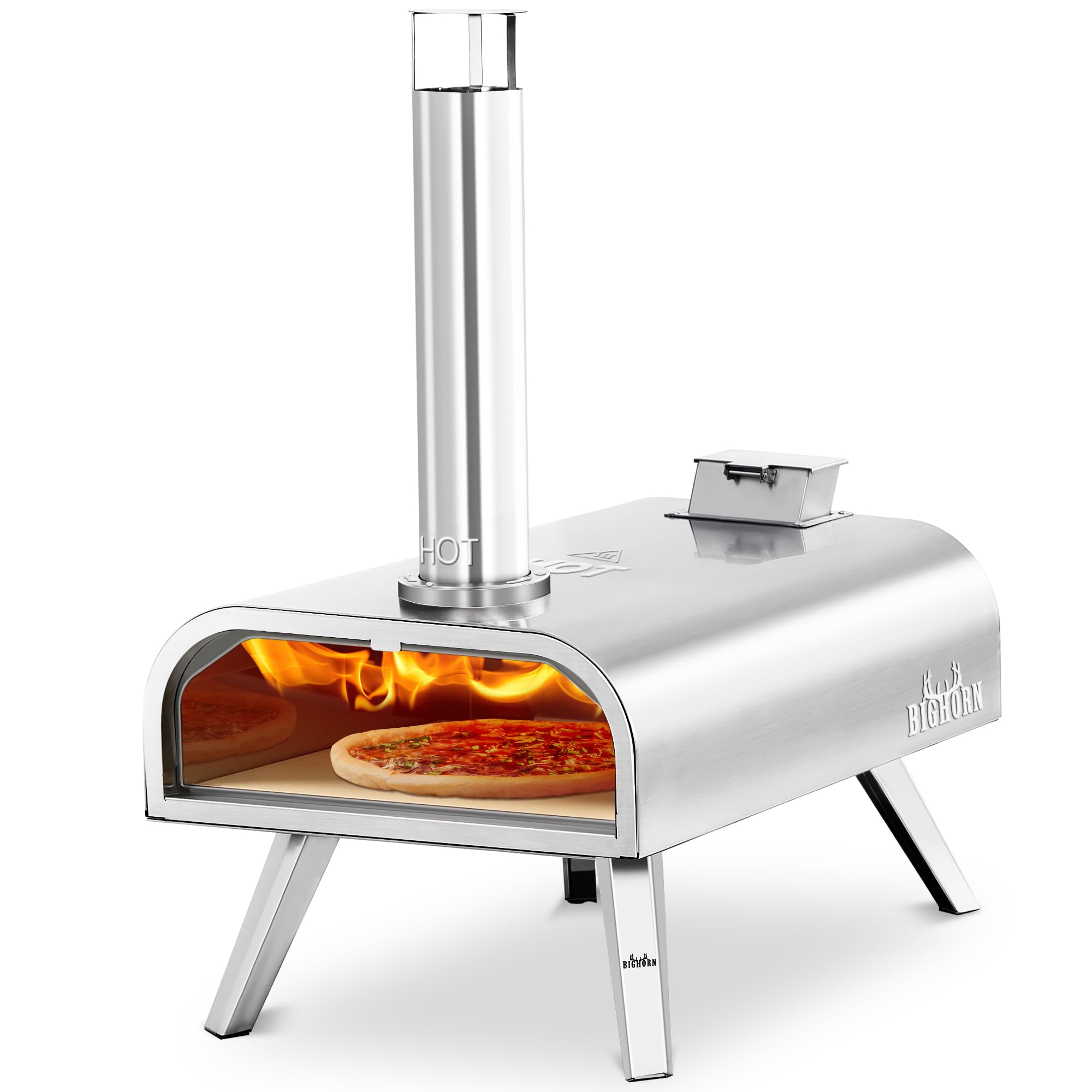
A sit-on-top oven puts a hot, heavy object on a finished counter. Stone can take heat better than some composites, but that is not a license to ignore the oven manual or the island maker. Feet can stain, scratch, or concentrate heat in a small patch. If the maker requires a listed barrier, a board, or a specific clearance under the oven, that part is part of the install, not optional styling.
Weather makes outdoor counters less forgiving than indoor ones. Standing water, grit, and a cover that traps moisture under an oven all leave marks. Lift the oven, when it is cool, to see what the top is doing. A scratch you accept on day one is easier than a burned ring you discover after a season.
Weight is the other number people skip. A portable oven may look manageable until you add a stone, a cover, and the habit of sliding it to clean underneath. Confirm the island maker’s load guidance, or ask the fabricator what the top and the cabinets can carry, rather than guessing from a photograph. A sit-on-top that slowly crushes an unsupported overhang is a deferred repair, not a clever install.
Cutout fabrication, support and service access
A cutout is a fabrication job. The opening has to match the oven’s required hole, not a guess traced from the jacket. Support under the oven has to carry the load once stone is removed. Heat shielding, trim, and any sleeve the maker lists are structural, not decorative. A pretty reveal that starves the oven of air or blocks a panel is a failed install.
Service access is the detail that gets dropped and then regretted. Plan how a technician, or you, will reach connections and how the oven can come back out. If the only answer is “we will cut the island again,” the design is not finished.
A comparison table for island owners
The table is a decision aid. Your manual, your fabricator, and local rules still win.
| Topic | Sit-on-top / countertop on the island | Cutout built-in unit |
|---|---|---|
| Island top | Stays intact; must carry heat and weight at the feet | Is opened; needs a specified hole, support, and trim |
| Look | An appliance sitting on the counter | A more built-in, permanent line |
| Project size | Usually smaller, if the top is already suitable | Fabrication, shielding, and utility work |
| Service and removal | Usually easier to lift off when cool | Easy only if a removal path was designed in |
| When it fails | A weak overhang, a surface that cannot take the heat, or a crowded grill zone | A tight hole, no support, or an oven you cannot pull later |
When a cart beside the island is the stronger third option
A cart is the stronger third option when you do not want to alter a finished top, when the counter cannot take the load or the heat, or when you want to roll the oven away for weather and parties. It is also the stronger option when a cutout would look tidy on paper and then block a fridge door or a grill lid.
The wider choice between a built-in island and a portable outdoor kitchen already has a page: built-in grill island or portable setup. This section only adds that a cart can rescue an island install that should not be cut. Place the cart with peel reach and clearances in mind, then treat that placement as its own layout job.
What to measure before anyone cuts stone
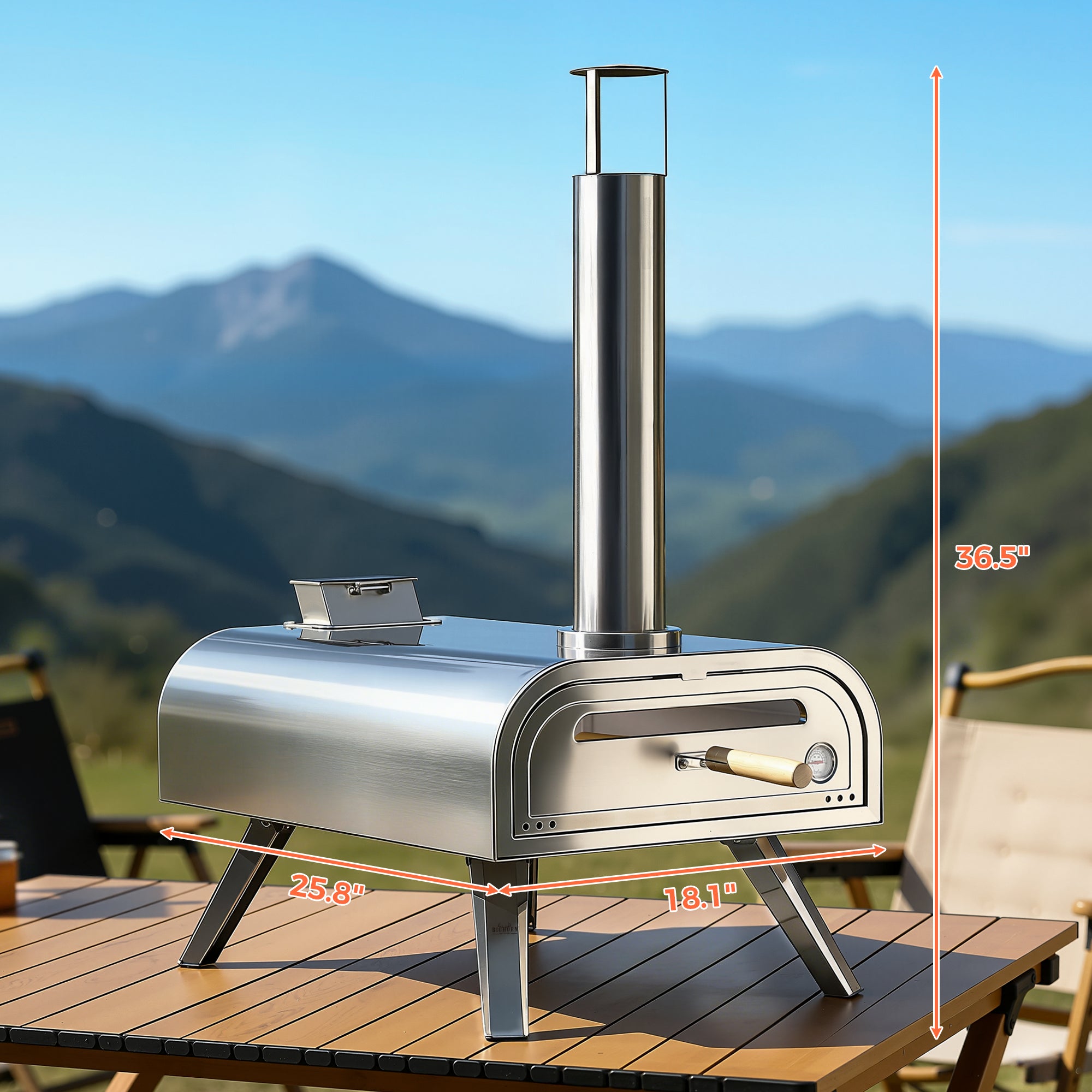
Measure the oven’s real footprint and height, including any chimney or back clearance, not just the marketing width. Measure the island’s supported area, not the decorative overhang. Measure lid, door, and drawer arcs. Measure peel swing and the path people walk with a tray. Then measure the distance to the grill, to walls, and to fuel storage, and compare those figures with the oven manual and with local rules. This page will not invent an inch count that fits every brand.
For fire and building context, use published guidance such as NFPA grilling safety, U.S. Fire Administration cooking-fire prevention, Ready.gov home fires, and general code orientation from the International Code Council, then ask your local department what applies. Enclosed or tightly covered islands also raise ventilation issues described by the EPA on carbon monoxide.
A product such as the 16-inch wood-pellet pizza oven still has to be checked against its own manual for allowed installs. Do not assume every outdoor oven is a cutout candidate, or that every island top is a sit-on-top candidate.
A short install-planning checklist
Confirm the oven model and the install types the manual allows. Measure and mock up the footprint with tape or cardboard, including door swings. Decide among sit-on-top, cutout, and a cart. Only then hire fabrication or fuel work. Build in a service path if you cut. After install, do a conservative first heat with clearances confirmed and the area free of clutter.
If you want material and product-level checks on a stainless outdoor oven, use the existing notes on choosing a stainless steel backyard pizza oven. Keep this checklist about the island, not about re-shopping every model.
Service access: can you pull the oven later without cutting the island again
Ask this before the fabricator leaves, not after a burner or a hopper needs work. A removable trim ring, a sleeve with working clearance, disconnects you can reach, and a lift path out of the hole are the usual ingredients. A caulked-in oven with no rear or lower access is a future cut. Write the removal path into the job, and do not accept “we can always cut it again” as a plan.
Sit-on-top ovens have an easier answer: when the oven is cool, you can usually lift it, service it, or replace it. That convenience is part of the trade-off you buy when you skip the cutout. Choose the cutout only if the built-in look is worth a designed service path, not a second visit from the stone shop.
If the oven you plan to place is a freestanding outdoor model, confirm allowed installs on a page such as the 16-inch wood-pellet pizza oven, then mock the footprint on the island before anyone cuts.
FAQ
Should I cut the island counter for a pizza oven or sit one on top?
Sit the oven on top when the counter can take the weight and the heat, the oven is designed for that use, and you want to avoid fabrication. Cut a cutout when you want a built-in look and you can provide support, heat protection, and a way to service or remove the oven later. If neither path is clean, park the oven on a cart beside the island instead of forcing a hole.
Can a countertop pizza oven sit on an outdoor kitchen island?
It can if the oven is rated for that placement, the top is strong and stable enough, and you can keep the clearances in the manual. Outdoor weather, scratches, and heat under the feet are the usual problems, so a barrier or listed pad may be required by the maker. An indoor countertop model is a different product and may not belong outdoors at all.
What should I measure before anyone cuts the stone?
Measure the oven footprint and height, the thickness and support of the top, door and lid swings on the island, peel reach, and the clearances to walls, a grill, and fuel storage. Mock the hole with tape or cardboard and leave it in place for a day. Compare every measurement with the oven’s install manual and with local rules before a fabricator starts.
Can you pull a built-in pizza oven later without cutting the island again?
Only if the cutout was planned with service access: a sleeve or opening you can work through, connections you can disconnect, and a path to lift the oven out. A hole trimmed so tightly that the oven is trapped will need more cutting later. Ask for a removal path in the design, not as a surprise after the stone is finished.
More to Read
Al Pastor Pizza: Marinade, Pineapple Balance and High-Heat Timing
Make al pastor pizza at high heat with thin, safely cooked pork and drained pineapple. Finish with salsa after the bake, and do not invent taco cal...
Mixed Vegetables on a Gas Grill: Baskets, Skewers and Direct Heat
Grill mixed vegetables on a gas grill with a path for baskets, skewers, or a bare grate, plus oil, salt timing, and a cut-size rule so pieces finis...
Pizza al Taglio (Roman Tray Pizza) at Home Outdoors
Make pizza al taglio at home as a Roman tray pie: oil the pan, dimple relaxed dough, top modestly, bake thoroughly outdoors, and cut it into squares.
