







Parties & Seasonal Cooking
Reservations are scarce and babysitters are pricier than ribeyes. A Valentine’s Day steak dinner at home can feel like a steakhouse night when you plan two plates carefully—from appetizer timing to a dessert that does not need a pastry team.
This two-person plan covers cuts, grill-versus-pan choices, sauces, sides, and a day-of timeline you can actually follow.
The two-person steakhouse menu
Keep the menu short: one shared starter, two steaks, one serious side, one simple vegetable, and a make-ahead dessert. Scarcity of dishes is what makes the evening feel intentional.
Example plate: shrimp cocktail or a small salad; ribeye or strip steaks; garlic butter mushrooms; roasted asparagus; chocolate pots de crème from the fridge.
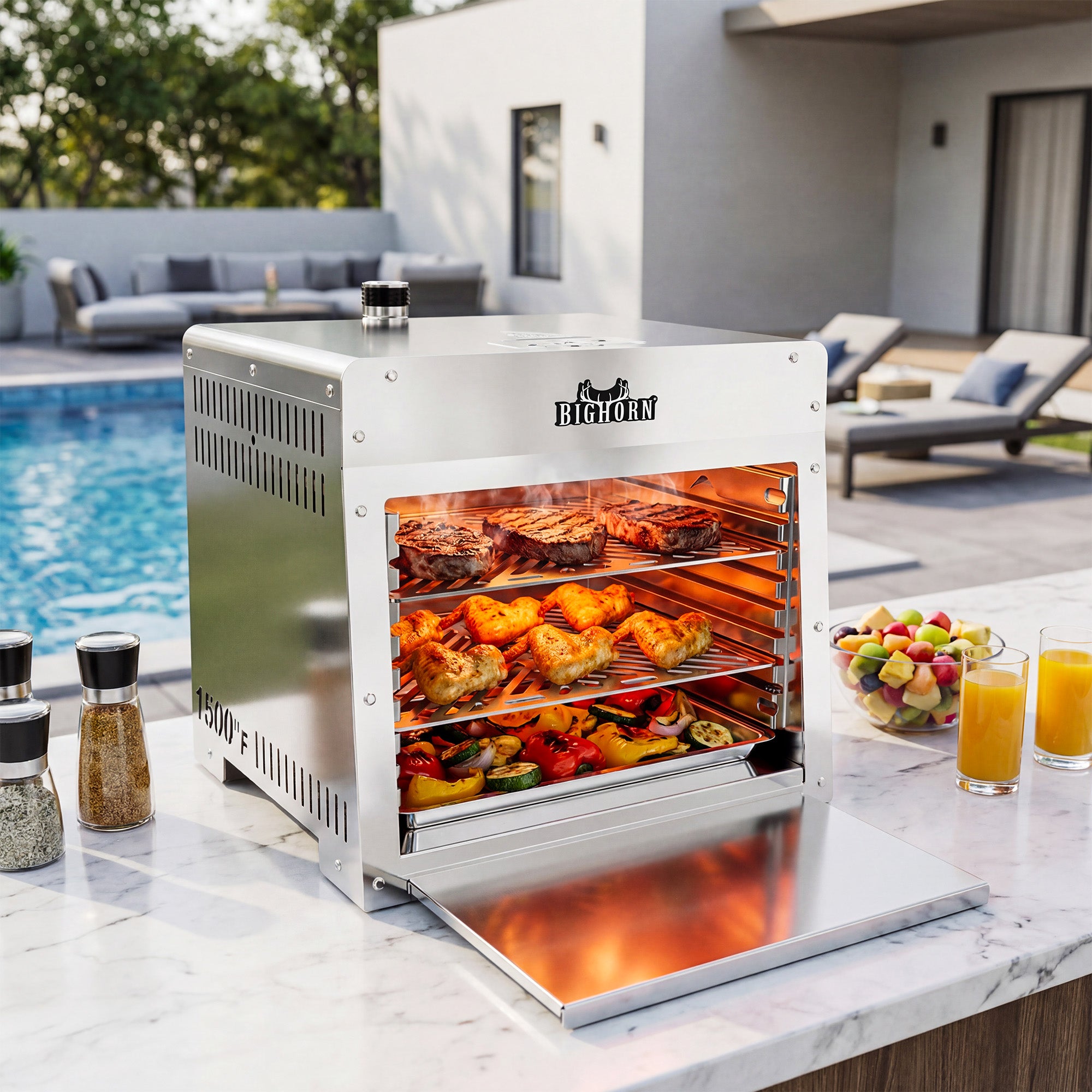
Set the table before any burner lights. Playlist and candles matter more than a third side dish. For high-heat searing outdoors, browse the infrared steak grill collection when weather cooperates.
Choosing and buying the steaks
For two people, buy two evenly thick steaks (about 1 to 1.5 inches) so they finish together. Strip, ribeye, and filet each bring a different fat and tenderness profile—pick the texture you both already love.
Look for bright meat, even thickness, and marbling that matches the cut. Ask the butcher for similar weights. Pat dry and salt ahead if you like a dry brine; keep steaks refrigerated until the cook window.
Food safety still applies on date night: USDA grilling guidance and safe internal temperature charts beat cutting-and-peeking as your only method.
Timing plan from appetizer to dessert
Dessert should already be cold. Starter cold or quickly warmed. Steaks last so they hit the plate medium-rare (or your preference) while sides finish.
Work backward: pull steaks from the fridge about 20–30 minutes before cooking if your kitchen is cool, preheat the grill or pan thoroughly, cook steaks, rest them under loose foil while you plate mushrooms and asparagus, then serve.
Resting is not optional if you want juices in the meat instead of on the cutting board. Use the rest window to warm plates and pour wine.
Grill vs pan: how each fits a small kitchen or patio
A screaming-hot cast-iron pan gives steakhouse crust indoors without lighting a grill. Ventilation matters—open a window and disable nearby smoke alarms’ drama with a real hood if you have one.
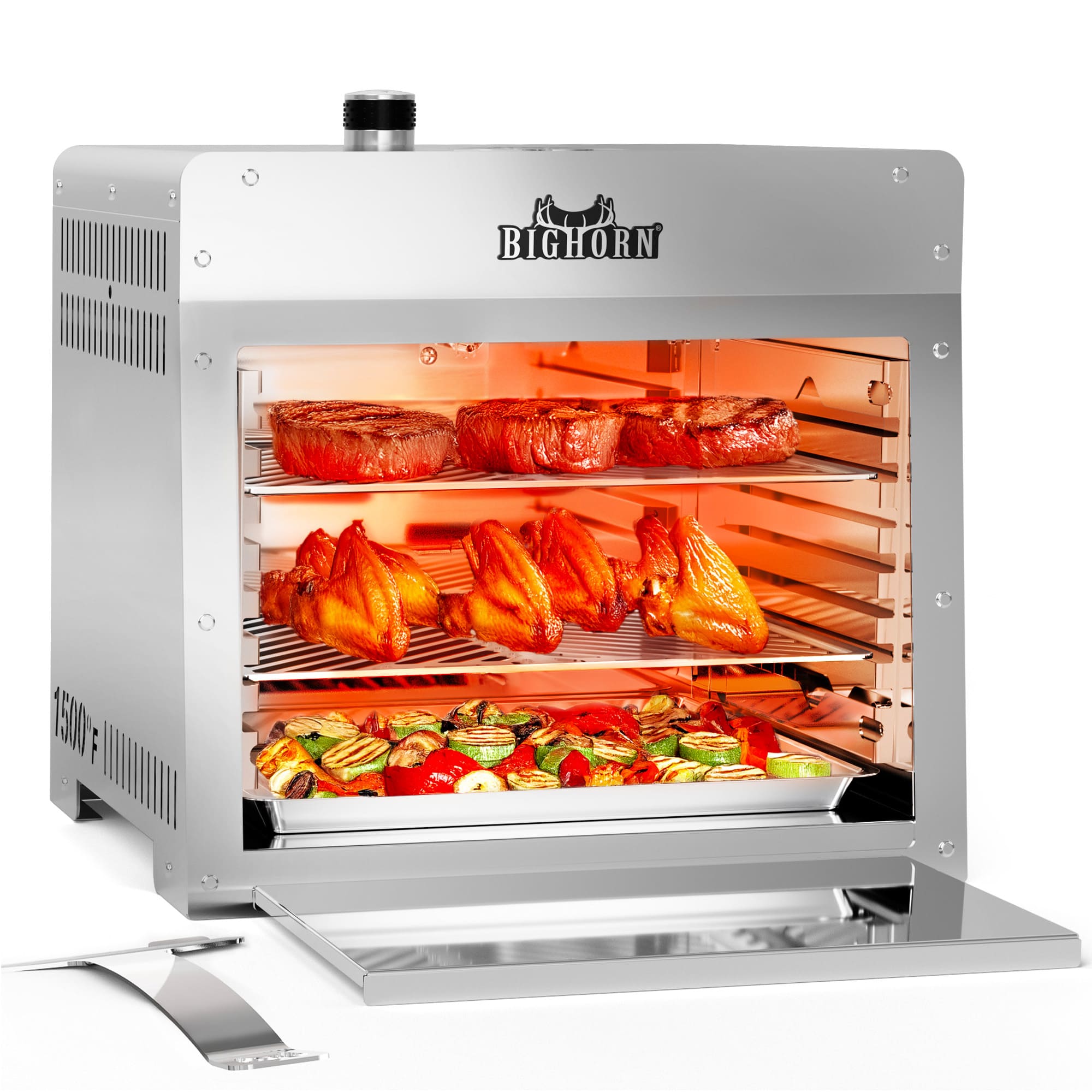
Outdoor grilling keeps smoke outside and frees the stovetop for sides. Infrared or gas sear stations shine when you want intense surface heat quickly; classic gas grills work too with a dedicated high-heat zone.
Apartment cooks often pan-sear and finish with a butter baste. House-with-patio cooks can split duties: one person on the grill, one on sides indoors. Choose the path that lets you talk instead of panic.
Sauce and butter options
Compound butter (garlic-herb, blue cheese, or smoked paprika) melts into a sauce on contact. Pan sauces from fond, stock, and a splash of wine take five minutes while steaks rest.
Peppercorn cream or chimichurri covers rich versus bright. Make herb butters a day ahead so evening work is slicing discs.
Go light—two steaks do not need three competing sauces. One butter and one bright green sauce already feel luxurious.
Wine and sides pairing
Match weight with weight: richer ribeyes like fuller reds; leaner filets tolerate lighter reds or even a serious rosé. Non-alcoholic pairings can be sparkling water with citrus or a tart cherry spritz.
Sides should contrast: earthy mushrooms, bitter greens, or acidic salad cut through fat. Starch can be small—a few roasted potatoes beats a mountain of mash that cools while you photograph the plate.
For more seasonal plating ideas, skim the recipes blog after you lock the steak plan. Keep agency cookout hygiene in mind if any appetizers sit out: FoodSafety.gov cookout tips.
Make-ahead plan and day-of timeline
Day before: dessert, compound butter, chopped herb garnish, table linens. Morning: buy or unwrap steaks, salt if dry-brining, chill champagne or mocktails.
T-90 minutes: set table, pull dessert glasses. T-45: start sides that need oven time. T-30: preheat cook surface, start appetizer. T-15: steaks on. T-5: rest steaks, plate sides, butter on top, serve.
Phones away for the first twenty minutes of dinner is the cheapest upgrade on the menu.
What is Gordon Ramsay's favorite cut of steak?
He has publicly praised ribeye for flavor.
Interviews and cooking demos over the years often highlight well-marbled ribeye for pan or grill searing, though chefs rotate cuts by menu and mood.
For your Valentine’s table, treat celebrity favorites as inspiration, not law. Buy the cut you both enjoy eating, at even thickness, from a shop you trust. A perfectly cooked strip you love beats a trendy cut neither of you finishes. If you want a chef-style crust, focus on dry surfaces, high heat, and resting—those techniques transfer across cuts better than chasing a famous name.
Table, lighting and pace
Dim overheads, use one candle cluster away from sleeves, and plate on warmed dishes. Put phones in a basket if that is your shared rule for the first course.
Serve water alongside wine so steaks do not compete with a dry mouth. Pace conversation between courses; the rest period for meat is also a rest period for people.
If cooking stress rises, simplify: skip the shared appetizer and keep the steak plus one side. A calm cook is more romantic than a perfect garnish.
Butcher counter script and backup plan
Ask for two steaks of equal thickness and similar weight. If the case looks tired, switch restaurants’ loss into your win: buy a quality strip instead of a mediocre filet.
Backup plan if outdoor weather collapses: cast-iron sear indoors with a window open, same timeline, same butter. Keep asparagus oven-ready so the grill cancellation does not cancel dinner.
Buy dessert the day before from a bakery if cooking three courses feels like too much. Steak night lives or dies on the main, not on homemade soufflé anxiety.
Doneness language you can share
Agree on targets before heat hits meat: rare, medium-rare, or medium. Write the thermometer numbers on a sticky note by the stove so nobody debates mid-sear.
Carryover cooking continues while steaks rest—pull a few degrees early if you know your cast iron runs hot. Slice only at the table if you want drama; slice before plating if you want easy sharing.
Salt early or just before—pick one philosophy and stay consistent so results are repeatable on anniversaries that follow.
Starter ideas that do not steal the spotlight
Shrimp cocktail, a small burrata plate, or simple crostini keep knives and attention free for the steaks. Avoid deep frying that fills the kitchen with smoke before the main event.
If you grill oysters or asparagus as a starter outdoors, finish them before the steak grate needs exclusive high heat.
Shared starters work best for two people when portions are small enough that hunger for steak remains.
Dessert that waits patiently
Pots de crème, flourless chocolate cake from a bakery, or macerated berries with whipped cream chill while you cook. Flame desserts compete with steak timing and are optional theater.
Coffee or tea readiness matters more than pastry complexity. Pre-measure coffee so you are not grinding beans in a post-steak daze.
Clear plates before dessert so the table resets. A calm reset is part of the steakhouse illusion.
If one of you does not drink alcohol, build the pairing around a thoughtful zero-proof option with equal ceremony—proper glassware included. The point is shared pacing, not matching ABV.
Keep a small towel and spare fork near the grill or stove so mid-cook messes do not send anyone hunting through drawers while steaks overshoot.
Choose playlist energy that matches cooking phases: upbeat while prepping, quieter while eating. Constant high-volume tracks make thermometer checks harder to discuss without shouting over sear noise.
If you cook outdoors in cool weather, stage a warm throw and an indoor landing zone so plates do not ice over on the table. Romantic does not have to mean shivering.
Photograph the plated steaks once if you must, then put the phone away. The better story is uninterrupted conversation over a medium-rare center.
Write a tiny timeline on a sticky note and stick it to the fridge: pull steaks, preheat, starter, sear, rest, plate. Crossing off lines lowers anxiety more than rereading long recipes mid-cook.
If any appetizers sit out during gift opening, follow FoodSafety.gov outdoor eating tips for time and temperature discipline.
Indoor candle-and-stove nights still benefit from a quick glance at NFPA cooking fire safety so romance does not include a range fire.
Agree on thermometer targets before the sear so you are not debating numbers over a loud exhaust fan.
Keep outdoor sear nights aligned with NFPA grilling safety when candles and open flame share the patio.
Conclusion
A two-person steakhouse night is timing plus restraint. Choose even steaks, pick grill or pan based on your kitchen, finish with one great butter, and protect the rest period. When the plates land together still hissing, reservations feel overrated.
Want a dedicated sear station for date night? Explore Big Horn Outdoors infrared steak grills.
FAQ
What to pair with a steak dinner?
Pick one rich side and one bright side—mushrooms plus salad, or potatoes plus asparagus. For drinks, match fuller reds to fattier cuts and keep a non-alcoholic sparkling option ready. A make-ahead chocolate dessert keeps the ending calm.
What is a good theme for Valentine's Day?
Steakhouse at home is already a theme: low lights, shared starter, two perfectly timed mains. Add handwritten place cards or a single flower if you like, but prioritize hot food over craft projects. The theme works indoors with cast iron or outdoors on a grill.
What do most guys want for Valentine's Day?
Preferences vary widely—ask your person instead of assuming. Many people appreciate an uninterrupted meal and a plan that does not create stress for the cook. A thoughtful steak dinner with real conversation beats a generic gift bag.
How do I cook two steaks so they finish together?
Buy even thickness, preheat thoroughly, cook them side by side, and use a thermometer instead of timing alone. Start the thicker steak thirty seconds earlier if needed. Rest both before slicing so juices redistribute.
Explore more in the Grill Recipes.
More to Read
Al Pastor Pizza: Marinade, Pineapple Balance and High-Heat Timing
Make al pastor pizza at high heat with thin, safely cooked pork and drained pineapple. Finish with salsa after the bake, and do not invent taco cal...
Mixed Vegetables on a Gas Grill: Baskets, Skewers and Direct Heat
Grill mixed vegetables on a gas grill with a path for baskets, skewers, or a bare grate, plus oil, salt timing, and a cut-size rule so pieces finis...
Pizza al Taglio (Roman Tray Pizza) at Home Outdoors
Make pizza al taglio at home as a Roman tray pie: oil the pan, dimple relaxed dough, top modestly, bake thoroughly outdoors, and cut it into squares.
