







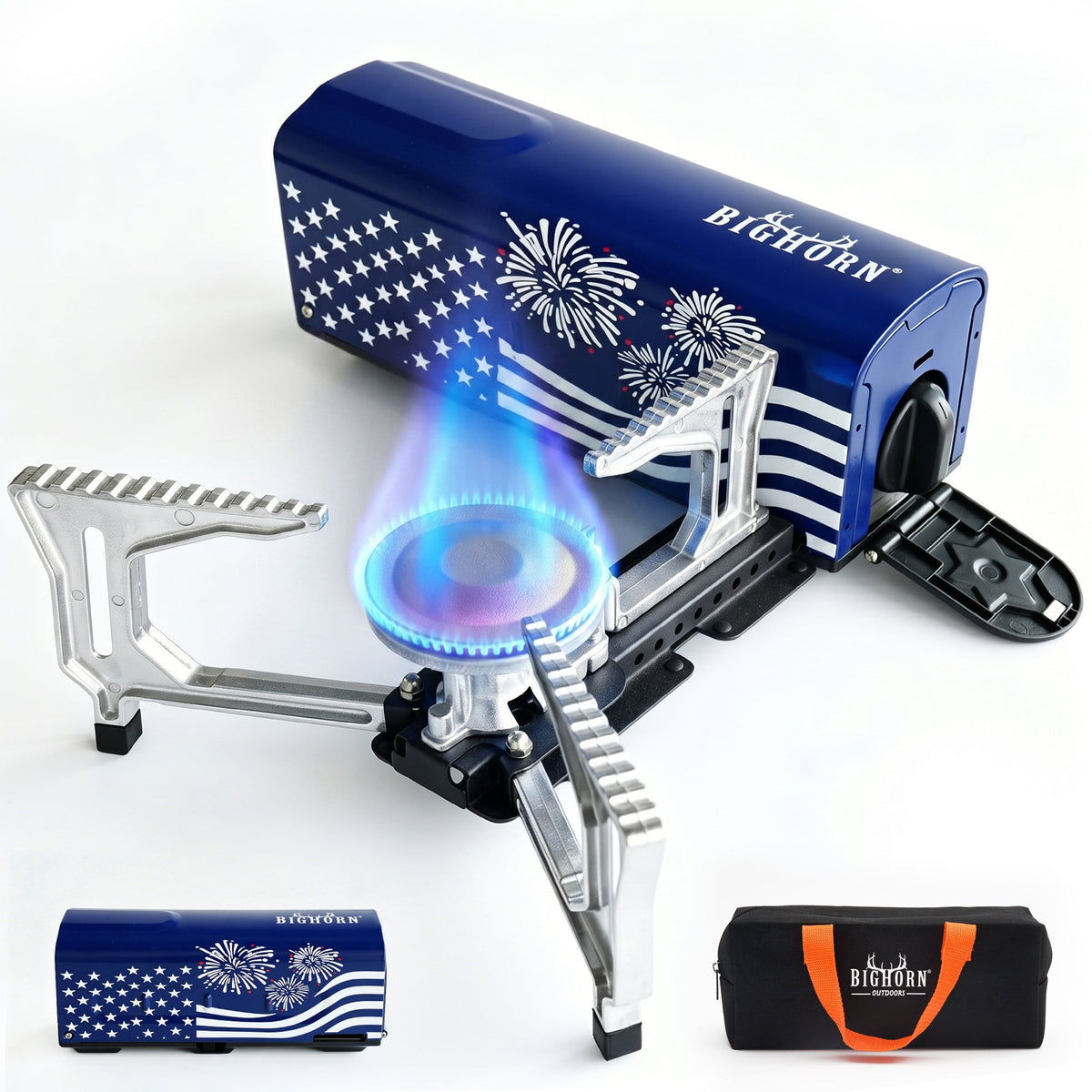
Fuel decisions begin with the stove model, not with a canister that happens to be convenient to buy. These guides cover propane and butane questions, connection arrangements, supply planning, storage, and the safety boundaries of portable cooking. Start by identifying the equipment and the approved arrangement in its instructions. Then use a focused guide to understand the decision. Comparing fuel costs is a different task from approving an adapter, and an apparent change in cooking performance does not, by itself, identify which component needs attention.
Related product: Shop Folding Butane Camping Stove.
Select a topic below, then open a guide to read the full article.
Explore more in Camping Stove Guides.
More Camp Stove Fuel & Safety Guides
- What Is the Best Camping Grill for Your Outdoor Cooking Style, Fuel Preference, and Portability Needs?
- What Is the Best Propane Camping Stove for Reliable Outdoor Cooking and Camp Meals?
- What Is the Best Butane Camping Stove for Outdoor Cooking and Emergency Use?
- What Is the Best Outdoor Cooking Stove for Your Setup, Fuel Preference, and Cooking Style?
- Propane vs. Butane Camping Stove: Which to Choose?
- Cold-Weather Camping Stove Tips: Fuel Behavior, Setup and Safe Use
- Camp Stove Maintenance: Cleaning Burners and Storing Fuel Safely
- Butane vs Propane Camping Stove: Cold, Portability, and Compatibility
- Camping Stove for Cold Weather: Fuel, Setup, and Wind
- Camping Stove Maintenance: Clean Burners, Store Fuel Right, Last for Years
- Is Propane or Butane Better for Camping?
- Portable Stove for an Emergency Kit: Fuel, Ventilation, and Fit
- Camping Stove Fuel Planning per Day: Test, Calculate, and Add a Real Reserve
- Run a Camp Stove from a 20 lb Propane Tank: Adapter Hoses, Regulators and Safety
- Camp Stove Fuel Cost per Meal: Propane vs Butane Compared
PRACTICAL GUIDANCE
Keep Fuel Choices Compatible, Traceable, and Practical

Identify the Stove and Approved Arrangement
Record the exact stove model and read the fuel and connection information before buying supplies. Keep the names of the specified parts together so you can compare a proposed arrangement with the actual requirements. Do not transfer approval from another appliance, even when the product names or connectors look similar.
If the manual and an accessory listing seem to describe different arrangements, resolve the difference before using the equipment. A general article can explain the questions to ask but cannot establish compatibility for every product. Keep the instructions available during setup rather than relying on memory from a different stove used on a previous trip.
Compare Propane and Butane Around the Trip
Begin with what the exact stove is designed to use, then consider the destination and cooking routine. Do not select a fuel first and assume the appliance can be adapted to it. If you are comparing different stoves, include their approved supplies, handling arrangements, and operating requirements in the comparison.
List the meals, anticipated cooking tasks, and practical access to supplies. Keep portability and storage requirements separate from a simple purchase-price comparison. Broad statements about a fuel category may not answer whether a particular stove and container arrangement is suitable for your trip. Use the model information and the conditions you actually expect rather than searching for one fuel that wins every situation.
Treat Adapters as Compatibility Questions
A larger supply or a different hose arrangement can look convenient when planning several meals. Before considering it, confirm whether the exact appliance permits that arrangement and which specified components and procedures apply. A physical fit is not a compatibility assessment.
Do not build a chain of assumptions from several accessory listings. Write down the proposed arrangement and check it against the stove instructions as a complete setup. If support is needed, provide the model and component details rather than asking only whether a connector type will work. Resolve the arrangement before cooking instead of using control adjustments to compensate for a suspected supply problem.
Estimate Supply With Explicit Cooking Assumptions
Start with a meal list and the cooking tasks involved. Distinguish a quick reheating task from a menu needing several pans or a long preparation sequence. Use product information where available and any observations from a known, permitted setup without treating a single session as a guarantee for every trip.
When comparing an estimate, keep the number of meals, group size, cookware, and operating assumptions visible. A cost-per-meal or consumption example is only meaningful under its stated conditions. Review the plan when the menu changes, and avoid treating an apparently low fuel expense as more important than whether the arrangement is approved and practical to transport and use.
Plan Transport, Storage, and Operating Location
Follow the applicable container, fuel, and appliance instructions for storage and handling, alongside any rules for the destination or transport method. Do not assume that a space convenient for packing is suitable for keeping fuel. Check those requirements before deciding how the camp kitchen will fit into the rest of the trip.
Outdoor fuel-burning equipment must not become an indoor backup because a campsite or household plan changes. Keep the permitted operating location distinct from the place supplies are stored. Build an alternative meal plan for unsuitable conditions rather than improvising a cooking arrangement inside a tent, vehicle, or other enclosed space.
Record Symptoms Without Guessing at Components
If performance changes, describe exactly when it happens and what changed beforehand. Include the stove model, approved fuel arrangement, operating stage, and any recent maintenance. A vague report of weak cooking performance can hide the observation needed to choose the next safe step.
Do not assume that swapping a regulator, container, or adapter is a universal troubleshooting method. Follow the model guidance and obtain appropriate support when a connection or equipment issue is suspected. Keep cooking variables, such as a different menu or pan, separate in your notes. Resolve any condition identified as unsafe before using the equipment again rather than experimenting through a warning.
Safety reference: CPSC: camping equipment and carbon monoxide
COMMON QUESTIONS
Plan Your Next Step
Can I choose fuel by canister appearance?
No. Identify the stove and use the approved fuel and connection information for that model. Similar packaging, a familiar connector, or a physical fit does not establish suitability. Check the complete arrangement rather than assuming one matching detail proves compatibility.
Does an adapter listing approve it for my stove?
A general listing is not enough. Confirm the arrangement permitted by the exact stove instructions, including the specified components and procedure. Resolve conflicting information before use rather than combining claims from several products into an assumed approval.
Is a cost-per-meal figure a reliable trip budget?
Treat it as a scenario with assumptions. Check the meals, quantities, cookware, and operating routine behind the figure, and compare those with your plan. A single estimate cannot guarantee consumption or compatibility for every stove and destination.
Can weather justify cooking in an enclosed area?
No. Keep outdoor fuel-burning equipment in its permitted outdoor operating location and follow the instructions. Plan another meal option when conditions or restrictions make the intended cook impractical. Convenience does not remove the carbon monoxide hazard of enclosed-space use.
