







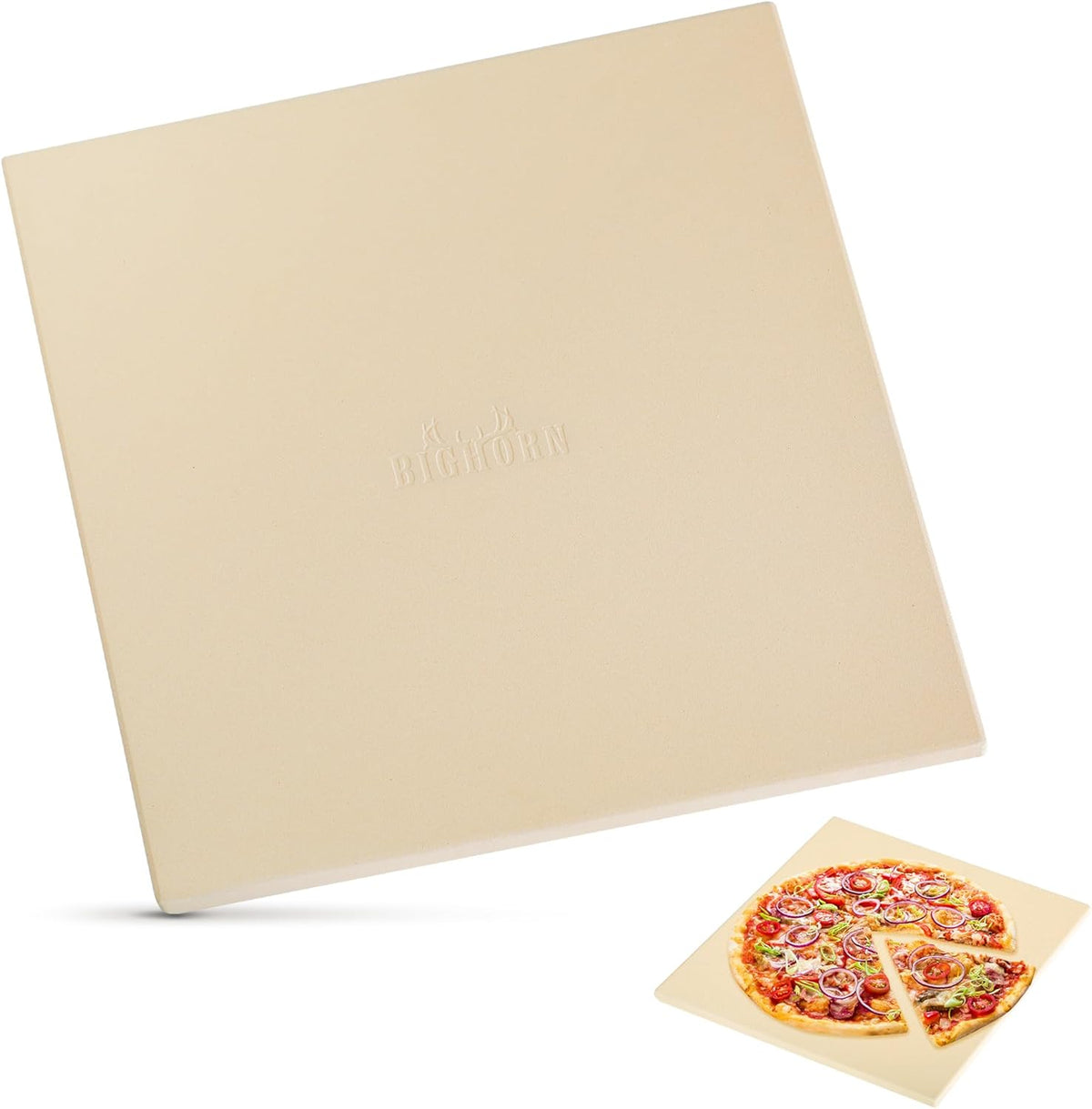
Pizza tools should make a particular task easier: preparing the dough, transferring a pizza, checking the cooking process, or caring for the surface afterward. This collection covers peels, stones, steels, and related handling questions without treating every accessory as a requirement for every oven. Start with the task that is difficult and the equipment you already use. Confirm compatibility with your exact appliance before adding an item, and separate a handling problem from a cooking problem so a new purchase has a clear purpose.
Related product: Shop Perforated Pizza Peel.
Select a topic below, then open a guide to read the full article.
Explore more in Pizza Dough & Crust Guides.
More Pizza Tools & Stone Guides
PRACTICAL GUIDANCE
Choose Tools by the Job They Need to Do

Separate Preparation, Launching, and Retrieval
Write down where the pizza goes between shaping and serving. Identify the work surface, the tool used for transfer, and the place finished food will be handled. These are related tasks, but a tool that suits one is not automatically suitable for all of them. Read the accessory and oven information before deciding how each step should work.
If a transfer fails, identify the stage rather than concluding that the peel is wrong. Dough may catch on the preparation surface, stick while being dressed, or deform during movement. A specific observation helps distinguish preparation and technique from a tool-selection question. Practice with a simple topping combination before adding extra tools that may not address the actual difficulty.
Check Dimensions Against Access, Not Only Pizza Size
Compare the tool with the oven opening, usable cooking area, and permitted handling method. Check the accessory dimensions and instructions instead of assuming that a size in the product name guarantees a good fit. Include the space needed outside the oven to use the tool without competing with other tasks.
Consider where the tool will be set down between uses and how it will be stored. A long handle or broad surface can change the workstation even if the food fits well. Use a practical sequence with your usual pizza to evaluate those dimensions rather than buying around an imagined maximum size you rarely cook.
Treat Stones and Steels as Specific Components
Before adding or replacing a cooking surface, check what your exact appliance permits. A stone or steel that fits physically is not automatically an approved substitute. Confirm the material, dimensions, support, and operating information required by the model, and distinguish a replacement component from a general baking accessory.
When comparing cooking results, record which surface was used and how the session was prepared according to the instructions. Do not attribute every pale or dark base to the material alone. Dough thickness, topping preparation, handling, and the sequence between pizzas can also change the comparison. Keep the setup consistent while investigating a specific result.
Build a Consistent Routine for Transfer
Have the peel, preparation area, and route to the oven ready before dressing the pizza. Follow an approach suitable for your dough, tools, and appliance. Avoid combining a new recipe, unfamiliar toppings, and a different handling tool in the same practice session when the aim is to understand which change helps.
Keep notes that describe what happened during movement. A pizza that caught before leaving the preparation surface presents a different question from one that folded during transfer. Use those observations when choosing a guide about peel handling or preparation materials. Extra equipment is most useful when it solves an identified step rather than simply expanding the collection.
Match Care to the Actual Material and Component
Read the care information for the specific tool or cooking surface. Do not assume that every peel, stone, steel, or coating accepts the same washing, scraping, or storage method. Check the appliance instructions as well when the item is part of the oven rather than a separate accessory.
Keep component and model details available when ordering a replacement. Similar appearance is not enough to confirm material, dimensions, or compatibility. If a tool or surface is damaged, follow the relevant instructions instead of trying an improvised repair from an unrelated product. A clear identification of the item prevents a care question from becoming an unsuitable replacement purchase.
Expand the Kit Only When the Workflow Needs It
Review the actual session before buying another accessory. Ask which task was slow, awkward, or difficult to repeat and whether the problem arose from the tool, the preparation, or the available space. A modest set of suitable tools can be easier to use and maintain than several overlapping items.
Compare a proposed accessory with a specific use case and confirm compatibility before purchasing. Check whether it is included with the appliance or an existing set so the same task is not being covered twice without a reason. Keep the workstation manageable, then add equipment when practice shows a clear need rather than treating every unfamiliar result as an invitation to buy something new.
COMMON QUESTIONS
Plan Your Next Step
Do I need separate tools for every pizza task?
Identify the tasks and check what your existing tools and appliance permit. Some items may serve more than one purpose, but do not assume that a preparation, transfer, or serving tool is suitable for every stage. Choose around the actual sequence rather than a universal accessory list.
Can a baking surface be replaced by anything that fits?
No. Confirm what the exact oven permits, including material, dimensions, support, and operating requirements. Physical fit is not compatibility. Keep the model and component information available when replacing a part or evaluating a different accessory.
Does a failed launch prove the peel is unsuitable?
First identify where the pizza caught or deformed. Check preparation, dressing, and movement separately. Use a familiar recipe and simple toppings while practicing so a tool change can be evaluated without several other variables obscuring the result.
How should I decide on my next accessory?
Name the task it will improve, check compatibility, and review whether preparation or workspace is the real limitation. Avoid duplicating items you already own without a practical reason. A purchase should answer an observed problem, not only complete a product photograph.
