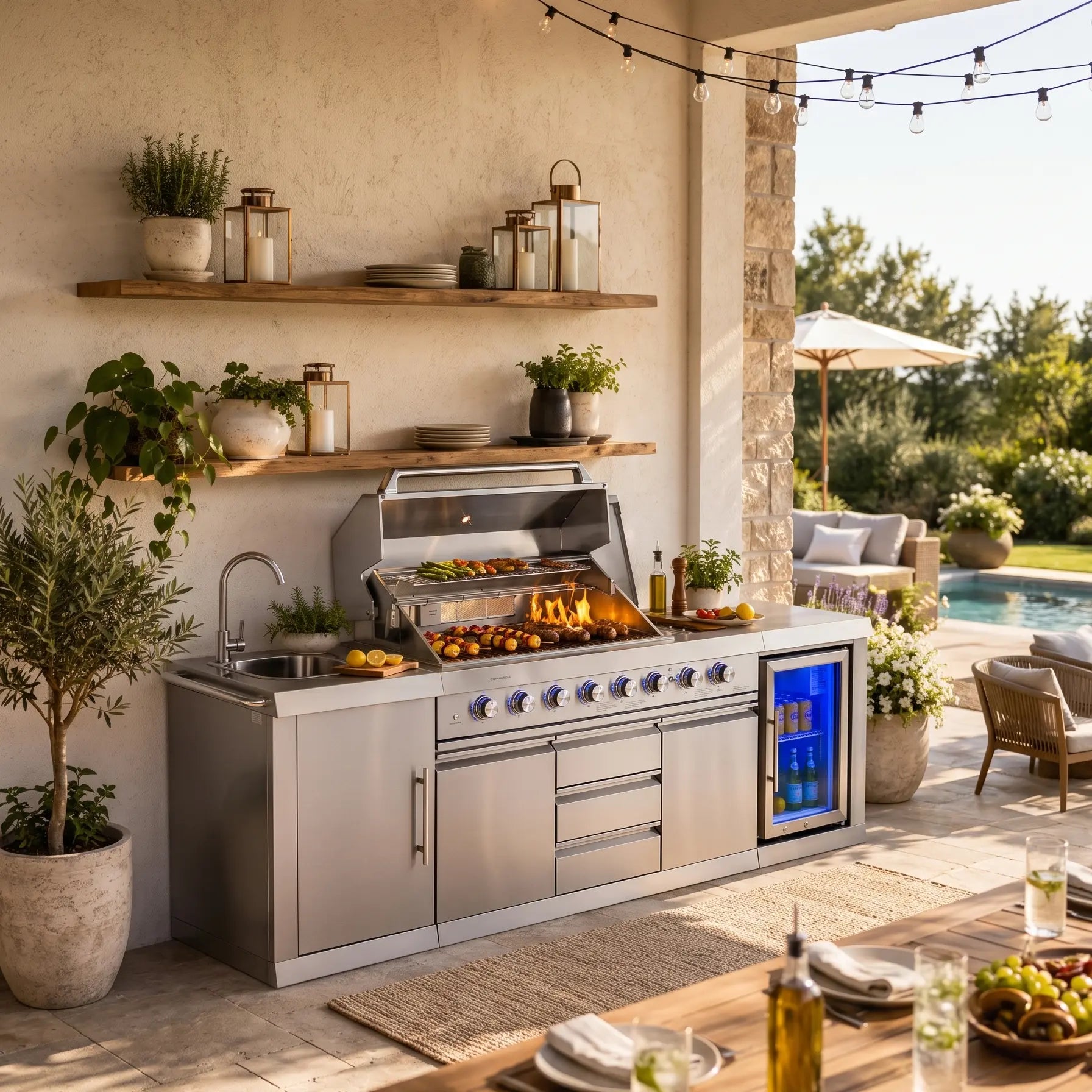
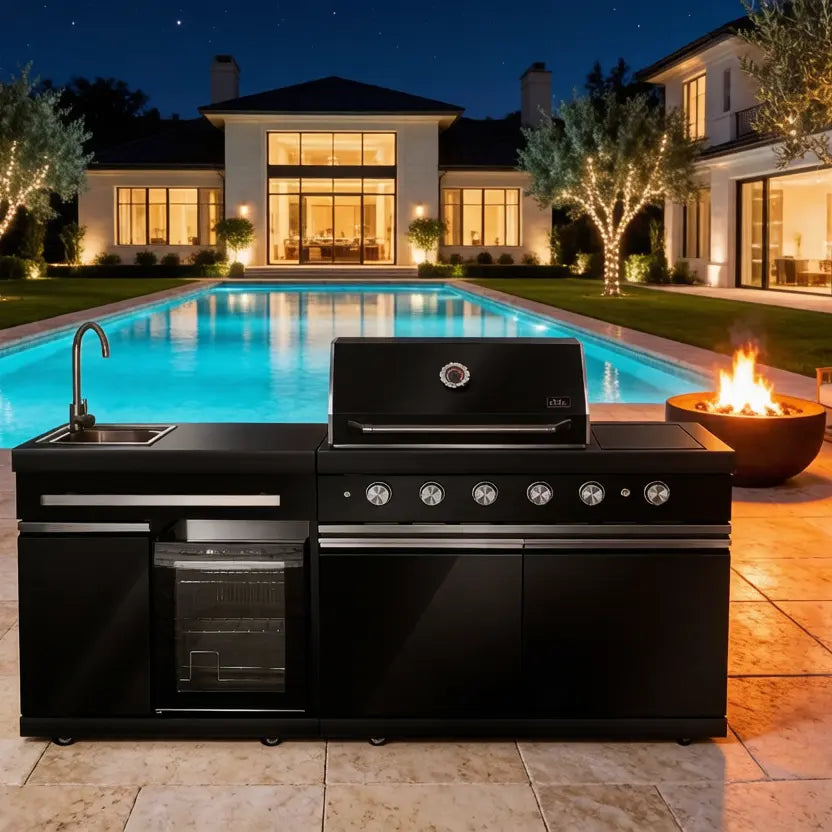
The outdoor cooking market is experiencing a massive shift. Backyard chefs are moving away from traditional, slow-heating grills and demanding commercial-grade equipment capable of extreme heat, rapid preheating, and versatile cooking environments. While pizza purists sparked this revolution, the modern standard requires a multi-functional system that can seamlessly transition from baking artisanal wood-fired pies to searing restaurant-quality steaks and roasting fresh vegetables.
To cut through marketing hype, our product review process is led by trained chefs, pizza enthusiasts, and thermal engineering specialists. We don’t just copy spec sheets.
For this July 2026 round-up, our team conducted rigorous, side-by-side performance tests in dedicated culinary labs. We standardized our evaluations by preparing over 50 pizzas using identical store-bought dough, tomato sauce, and mozzarella cheese to isolate variables. Additionally, we tested high-heat searing capabilities on premium bone-in ribeyes and checked heat retention via thermal imaging.
Every model featured in this guide has been personally unboxed, timed for preheating efficiency, pushed to its maximum temperature, and cleaned by hand to evaluate long-term maintenance.
Decoding the Anatomy of a High-Performance Outdoor Oven
An outdoor cooking oven is an ultra-high-heat appliance designed strictly for open-air environments. To deliver restaurant-style results, the system must balance four critical technical pillars:
-
Thermal Dynamics & BTU Output: True Neapolitan pizza requires ambient temperatures hovering near $900^\circ\text{F}$ to $950^\circ\text{F}$ to achieve a 60-second blistered crust without drying out the toppings. For gas units, this requires a high BTU rating (typically 15,000 to 19,000 BTUs) coupled with engineered flame distribution.
-
Insulation & Heat Retention: High-quality ovens utilize double-walled 304 stainless steel or ceramic fiber insulation. This traps intense heat inside the cooking chamber, keeping the exterior safe while ensuring the baking stone recovers its temperature rapidly between cooking rounds.
-
Fuel Engineering: Buyers must choose between the convenience of liquid propane or the authentic, smoky flavor of hardwood pellets and lump charcoal. Multi-fuel hybrids offer the best of both worlds via swappable burner assemblies.
-
The Workflow Ecosystem: A premium oven body is useless without a matching operational workflow. The ideal setup requires a high-density cordierite baking stone, a balanced pizza peel for launching, and a heavy-duty weather cover to prevent structural oxidation.
The Hidden Realities: Pitfalls & Tradeoffs Buying Guide
Many shoppers mistakenly look for a "one-size-fits-all" appliance, but every engineering design comes with inherent operational tradeoffs:
The Portability vs. Capacity Dilemma
Compact tabletop units heat up rapidly and travel effortlessly to tailgates or campsites, but their tight openings restrict the physical size of your cookware and make heat management highly sensitive to wind. Conversely, freestanding backyard kitchens offer massive cooking surfaces and superior insulation, but they become permanent fixtures requiring dedicated patio space and heavy-duty casters for minor adjustments.
Temperature Management and the "10-Second Window"
When cooking at extreme thresholds, ten seconds is the difference between a perfect artisanal char and a ruined, blackened crust. Inexperienced cooks struggle with localized hot spots. Ovens featuring specialized burner geometries (like L-shaped flames) or wide panoramic viewing windows significantly lower the learning curve by allowing real-time monitoring without dropping the internal ambient temperature.
Fuel Prep and Cleaning Friction
Wood and pellet-fired cooking delivers unmatched, authentic flavor profiles but demands continuous monitoring, airflow adjustments, and meticulous ash cleanup. Gas units ignite with a single click and reach peak temperatures in under 20 minutes, offering total consistency at the expense of traditional wood smoke aroma.
Comprehensive Product Comparison & Field Testing Scores
The matrix below outlines our lab-verified testing data, pricing value, and performance metrics across the market’s leading outdoor cooking systems.
| Brand & Specific Model | Core Fuel Type | Max Verified Temp & Preheat Speed | Structural Build & Key Strengths | Practical Limitations & Shortcomings | Lab Performance Score (1-10) |
| Big Horn Outdoors 1500°F Infrared Steak Grill & Pizza Oven (16") | Liquid Propane |
$1500^\circ\text{F}$ (Top Burner) Preheats in 15 Mins |
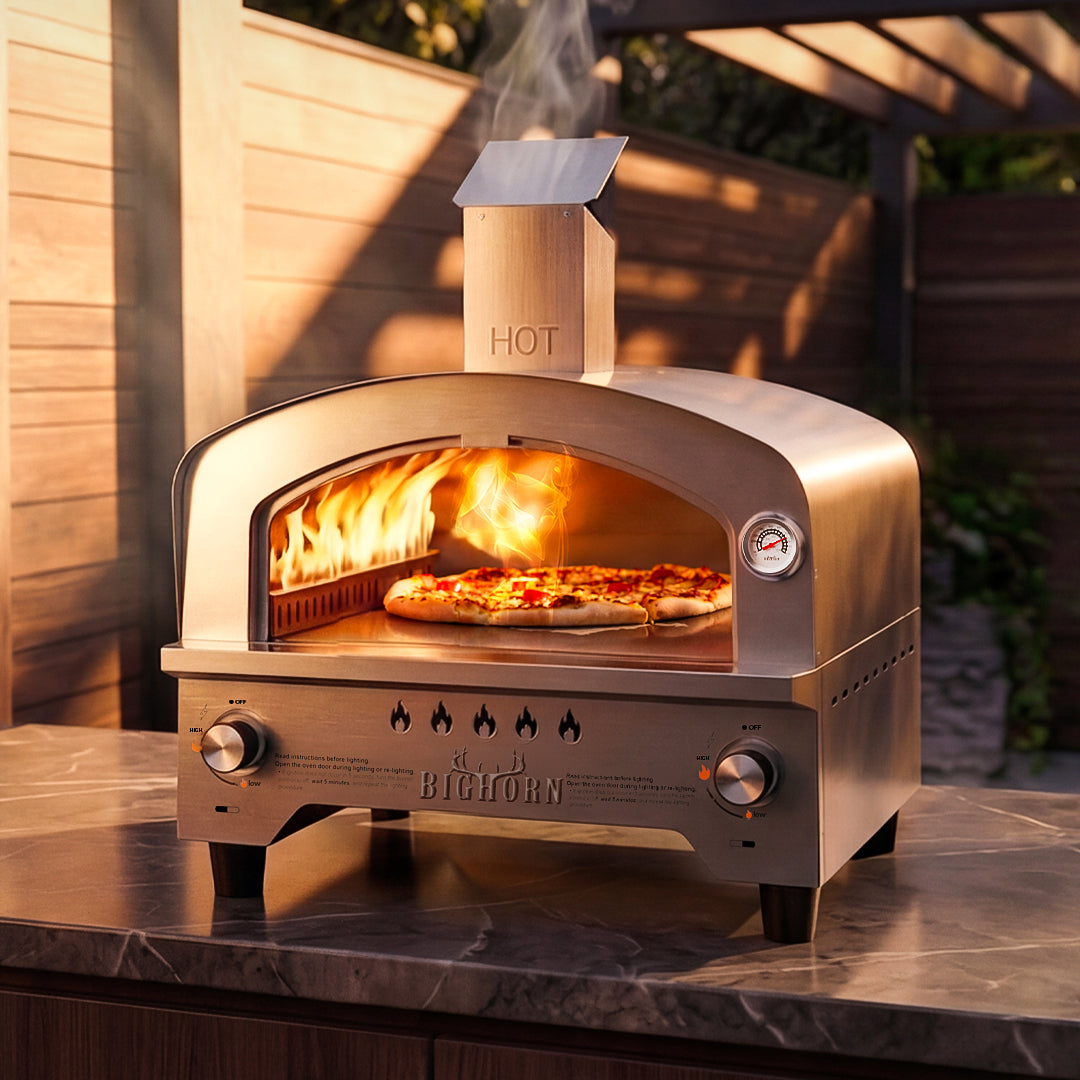
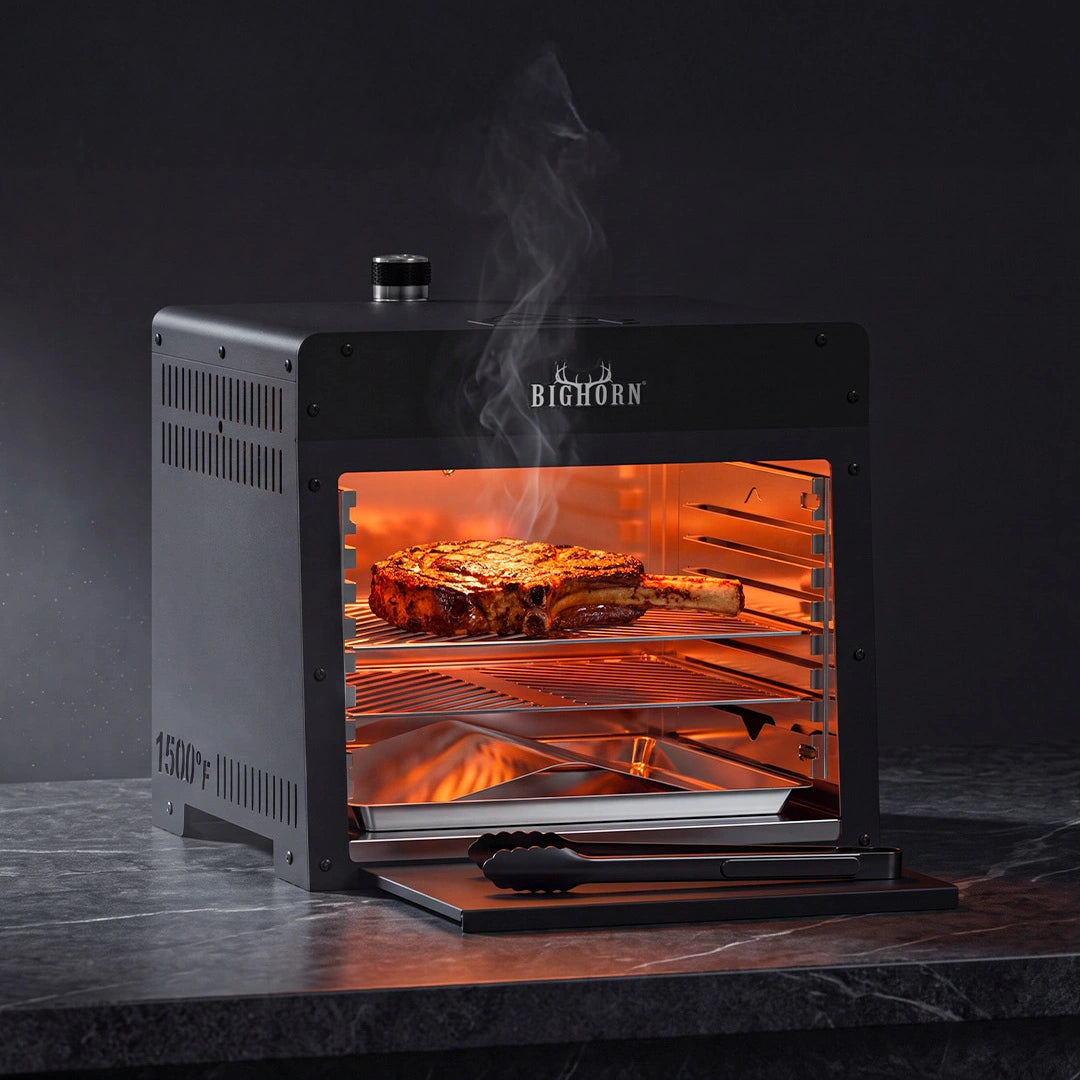
19,000 BTU extreme infrared top-down searing; massive 16-inch dual-use space. | Geared heavily toward high-heat searing; less suited for slow, low-heat baking. | 9.2 / 10 |
| Solo Stove Pi Dual Fuel Pizza Oven | Gas & Wood Hybrid |
$900^\circ\text{F}$+ Preheats in 30 Mins |
Highly consistent pizza bakes; panoramic opening makes food supervision incredibly easy. | Higher initial financial investment; requires separate adapter for gas. | 9.4 / 10 |
| Ooni Koda 16 Gas Pizza Oven | Liquid Propane |
$923^\circ\text{F}$ Preheats in 20 Mins |
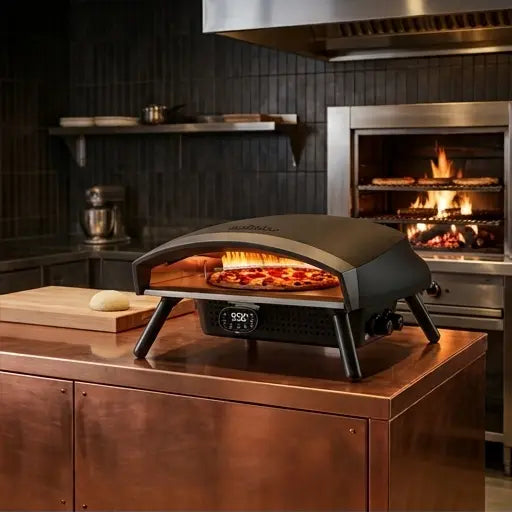
Innovative L-shaped flame design requires only a single turn for a 60-second pizza. | Large footprint makes it less ideal for compact travel or camping. | 9.3 / 10 |
| Ooni Karu 12 Multi-Fuel Oven | Wood, Charcoal, & Gas |
$950^\circ\text{F}$ Preheats in 20 Mins |
Ultra-portable (26.4 lbs); excellent ceramic fiber insulation and authentic smoky flavor. | Small 12-inch interior requires precise dough launching and frequent management. | 9.1 / 10 |
| Solo Stove Prime Pizza Oven | Liquid Propane |
$900^\circ\text{F}$ Preheats in 15 Mins |
Durable 304 stainless steel; lightweight layout (approx. 30 lbs) for flexible placement. | Lacks an integrated thermometer; exterior metal shell gets very hot. | 8.8 / 10 |
| Big Horn 16" Multi-Fuel Pizza Oven | Pellets & Wood |
$850^\circ\text{F}$ Preheats in 25 Mins |
Budget-friendly price point; upgraded combustion chamber with integrated front thermometer. | Ash cleanup takes longer; pellet hopper requires constant manual refilling. | 8.5 / 10 |
| Thor Kitchen Freestanding Cabinet Oven (MK07SS304) | Wood Burning |
$800^\circ\text{F}$+ Preheats in 35 Mins |
Premium heavy-duty 304 stainless steel; massive bottom storage cabinet; includes full accessory kit. | Zero portability; requires a large, dedicated patio footprint and long preheat time. | 8.9 / 10 |
| Kalamera Stainless Steel Freestanding Oven | Wood Burning |
$800^\circ\text{F}$ Preheats in 35 Mins |
Heavy-duty wheels for mobility; glass fiber insulation; fits two 12-inch pizzas at once. | Large structure requires significant storage space; high wood consumption rate. | 8.7 / 10 |
Step-by-Step Selection Framework
To make the right choice for your backyard setup, evaluate products using this step-by-step technical framework:
-
Analyze Primary Menu Intent: If your absolute priority is blistering a Neapolitan pizza crust, look closely at Ooni or Solo Stove models. If you want a dual-purpose powerhouse that can flash-sear a thick steak using extreme top-down infrared heat while simultaneously baking pizzas on a stone, prioritize specialized high-heat units like the Big Horn 1500°F Infrared system.
-
Determine Physical Mobility Requirements: Will this unit remain permanently on your deck, or will it travel to tailgates and campsites? For permanent, architectural outdoor kitchen integration, choose a heavy-duty freestanding cabinet system like Thor Kitchen. For on-the-go cooking, look for lightweight units under 35 pounds like the Ooni Karu 12.
-
Evaluate Fuel Convenience vs. Flavor Ritual: If you value speed, zero-mess operation, and absolute temperature control, stick with dedicated liquid propane gas models. If you view outdoor cooking as a craft and want an authentic, wood-fired smoky profile, choose a multi-fuel or dedicated wood-burning option.
-
Audit the Accessory Ecosystem: A high-end oven requires proper accessories. Check whether the model includes or offers matching cordierite stones, custom pizza peels, digital infrared thermometers, and custom-fit protective weather covers to shield your investment from the elements.
Real-World Culinary Scenarios & Case Studies
Scenario 1: The High-Volume Backyard Pizza Party
-
The Problem: Standard indoor kitchen ovens max out around $500^\circ\text{F}$, resulting in a pale, chewy, slow-baked crust that dries out the cheese.
-
The Solution: Utilizing a high-performance outdoor oven like the Solo Stove Pi or Ooni Koda 16 provides an environment exceeding $900^\circ\text{F}$. The high ambient heat yields a crispy, airy, restaurant-style blistered crust in under 60 seconds, allowing a host to feed an entire crowd sequentially without delays.
Scenario 2: The Perfect Thick-Cut Steak Sear
-
The Problem: Traditional charcoal or gas grills cook from the bottom up at lower temperatures ($500^\circ\text{F}$–$600^\circ\text{F}$). This radiates heat slow enough to create a thick, gray, overcooked band beneath the meat's surface before a proper exterior crust can form.
-
The Solution: An ultra-high-heat unit, such as the Big Horn 1500°F Portable Infrared Steak Grill, utilizes intense overhead infrared waves. This flash-sears the exterior surface instantly, locking in juices and creating a flawless, uniform crust while keeping the interior perfectly pink from edge to edge.
Scenario 3: Small-Space Entertaining on a Compact Patio
-
The Problem: Homeowners want an outdoor kitchen layout but lack the physical space or budget for a massive, permanent stone structure.
-
The Solution: A compact gas or tabletop option (like the Solo Stove Prime or Ooni Karu 12) delivers commercial-grade heat and professional cooking power on a small footprint. It sits comfortably on a standard outdoor table and packs away easily when not in use.
Pro Cooking Tips from Our Test Kitchen
No matter which outdoor cooking oven you select, our culinary testing revealed three universal truths for achieving flawless results:
Preheat Thoroughly: Never rush the setup. Even if the air inside your oven reaches cooking temperature in 15 minutes, the dense cordierite baking stone takes up to 30 minutes to heat all the way through. A fully charged, hot stone is the secret to a perfectly crispy bottom crust.
Prep and Organize Your Station: Cooking at $900^\circ\text{F}$ moves incredibly fast. A difference of just 10 seconds can completely burn your food. Have all your toppings, turning peels, and serving platters fully organized at your side before you launch anything into the chamber.
The Par-Baking Hack for Heavy Toppings: If you love loading up your pizzas with tons of meats and vegetables, the toppings can sometimes release moisture and make the center soggy before the dough finishes cooking. To fix this, slide your raw rolled dough into the oven entirely blank for roughly 30 to 45 seconds to let it partially rise and set. Pull it out, quickly add your sauce and toppings, and return it to the chamber to finish baking smoothly.
Frequently Asked Questions
What makes an outdoor cooking oven different from a standard home oven?
Standard home kitchen ovens are insulated for indoor safety and typically top out at $500^\circ\text{F}$ to $550^\circ\text{F}$. Outdoor cooking ovens are engineered with heavy-duty open-air insulation, specialized burner ports, and premium stones to safely sustain temperatures between $800^\circ\text{F}$ and $1500^\circ\text{F}$. This extreme environment is required to replicate authentic, high-speed pizzeria results and steakhouse-quality searing.
Can you cook foods other than pizza in an outdoor oven?
Absolutely. High-quality outdoor ovens are incredibly versatile. Models featuring high-volume interiors or intense overhead infrared setups can roast cast-iron vegetables, bake fresh artisanal breads, char chicken wings, and flash-sear steaks at temperatures traditional backyard grills cannot hope to match.
Which fuel type produces the best results?
It depends entirely on your operational goals. Gas (liquid propane) offers rapid startup, easy cleanup, and perfect temperature consistency. Wood and pellets deliver a traditional, unmatched smoky flavor profile and an authentic cooking ritual, but they require active fuel management and regular ash maintenance.
Why do I need a cordierite baking stone?
Cordierite is a highly durable thermal shock-resistant mineral composite. It absorbs intense thermal energy from the oven burners and transfers that heat directly into the bottom of your dough or cooking vessel. Unlike standard ceramics, cordierite can handle rapid temperature swings without cracking or shattering.
How do you safely clean a high-heat outdoor oven?
Because these appliances operate at such extreme temperatures, they are largely self-cleaning. Any stray cheese, sauce, or organic drippings that fall onto the stone will burn to ash at maximum heat. Once the oven cools completely, simply sweep out the loose ash with a specialized copper-bristle oven brush and wipe down the exterior stainless steel with a damp microfiber cloth. Never use dish soap or water directly on a porous baking stone.