What Is the Best Pizza Cooker for Delicious Outdoor Meals at Home?

ByJohn White
Share

A pizza cooker is a high-heat outdoor oven or appliance that produces crisp crusts, melted toppings, and flame-fired flavor faster than a conventional oven. The best model matches your preferred fuel, cooking space, pizza size, and skill level. Preheat the stone completely, use balanced toppings, turn pizzas regularly, and maintain safe clearances for consistently delicious outdoor meals with family and friends.

What Is a Pizza Cooker and Why Does It Matter?

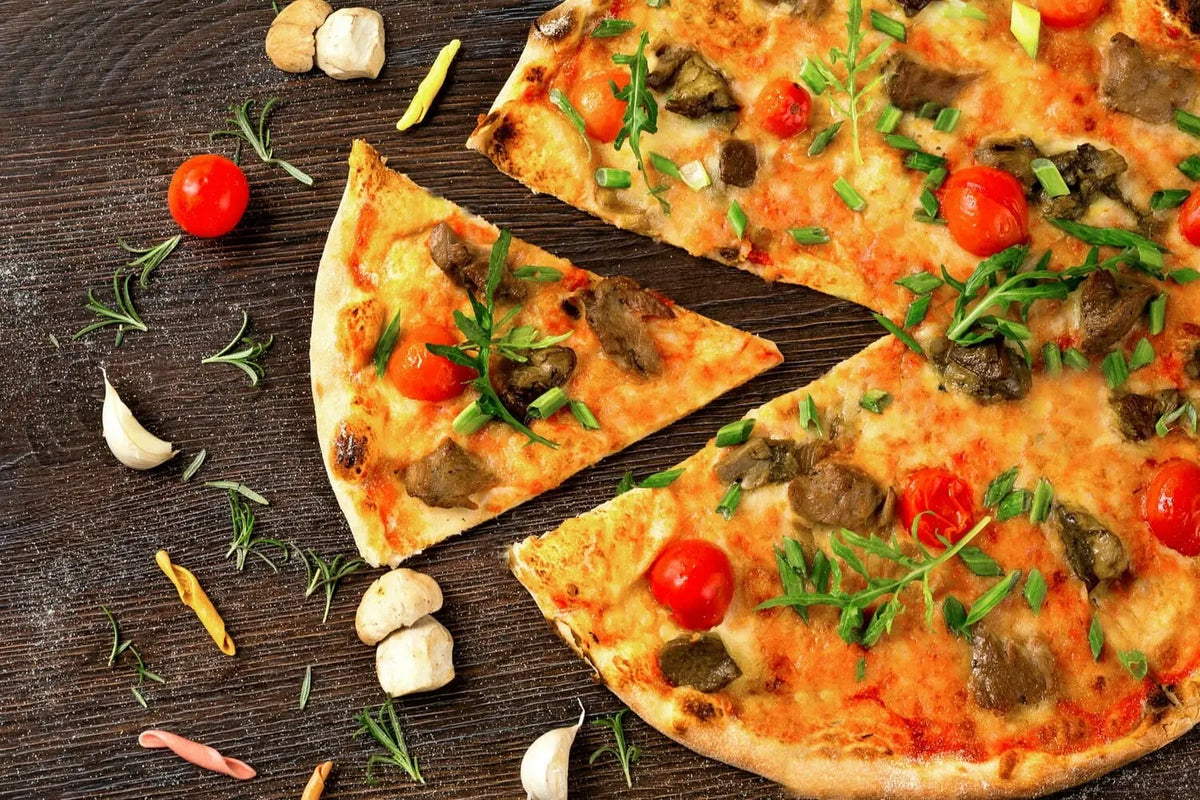
A pizza cooker is designed to generate intense radiant heat and a hot baking surface, allowing pizza dough to crisp quickly while toppings cook evenly. It helps home cooks create restaurant-style pizza outdoors with better char, texture, and speed than many standard kitchen ovens.
Unlike a conventional oven, a dedicated pizza cooker focuses heat around the dough from above and below. The pizza stone absorbs and releases heat into the base, while the upper chamber cooks cheese, sauce, and toppings. This balance is essential for blistered crust edges, a crisp center, and a properly melted finish.
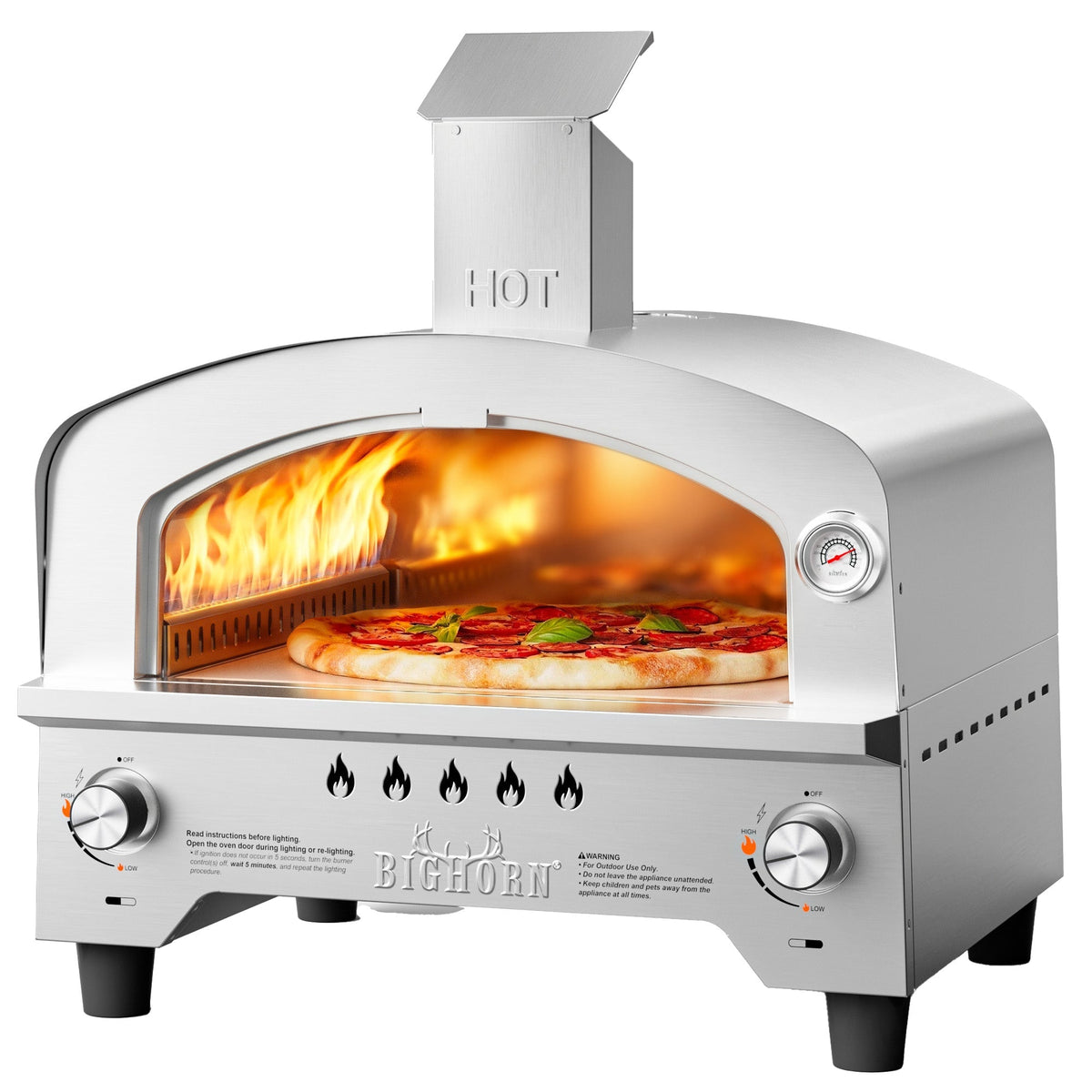
Outdoor pizza cookers come in several formats, including portable gas ovens, pellet-fired ovens, electric models, wood-fired ovens, and multi-fuel designs. Some are compact enough for camping, RV travel, tailgating, and small patios. Others are larger units intended for backyard entertaining and outdoor kitchens.
A well-designed model can also cook more than pizza. It can roast vegetables, sear steak in cast iron, bake flatbreads, cook seafood, toast sandwiches, and prepare skillet desserts. That versatility makes it a valuable centerpiece for outdoor meals rather than a single-purpose appliance.

Which Fuel Type Is Best for a Pizza Cooker?

Gas offers fast ignition and simple control, pellets and wood provide a live-fire cooking experience, electric supports convenient operation, and multi-fuel models give cooks more flexibility. The right choice depends on your location, available fuel, cooking frequency, and preferred level of hands-on fire management.

Fuel Type Best For Primary Benefit Main Consideration
Propane gas Busy households and beginners Fast lighting and responsive heat control Requires a propane tank
Wood pellets Outdoor cooks who enjoy live fire Aromatic flame-fired cooking experience Needs fuel management and ash removal
Wood Traditional outdoor cooking Strong visual fire experience Requires dry wood and more attention
Electric Easy plug-in cooking Consistent operation with less fuel handling Needs suitable electrical access
Multi-fuel Flexible outdoor cooks Multiple cooking options in one oven May require additional accessories

Gas pizza cookers are often the easiest starting point for new users. They heat quickly, allow simple flame adjustments, and reduce the learning curve when cooking several pizzas. This makes gas a practical fit for family pizza nights, casual gatherings, and weeknight meals.
Pellet and wood-fired models appeal to cooks who enjoy the process as much as the final result. Building and managing the fire becomes part of the cooking experience. These models reward patience, but they require more attention to airflow, fuel quality, weather, and stone temperature.
Big Horn Outdoors offers outdoor cooking equipment designed for different fuel preferences, including pellet, gas, electric, and multi-fuel pizza oven options. Choosing the right fuel system helps ensure that the oven fits naturally into your routine instead of becoming equipment that is rarely used.

How Do You Choose the Right Size and Capacity?

Choose a pizza cooker based on the size of pizzas you plan to make, the number of people you serve, and the usable space in your backyard, patio, campsite, or RV setup. Compact ovens suit portability, while larger ovens offer more room for family meals and cookware.
A 12-inch oven is often a smart choice for couples, small households, camping trips, and tailgating. It is typically easier to move, faster to set up, and more fuel-efficient. It also encourages cooks to make individual pizzas, allowing everyone to choose their own toppings.
A 16-inch oven gives you more flexibility for entertaining. It can accommodate larger pizzas, wider peels, cast-iron skillets, roasting trays, and more generous portions. This size is useful for families who want to prepare multiple pizzas or cook complete outdoor meals.
Measure more than the pizza stone. Consider the oven mouth, exterior width, table space, folded dimensions, leg stability, and clearance around the appliance. A compact oven with an awkward opening may be harder to use than a slightly larger model with better access.
Portable Big Horn Outdoors ovens are designed to support backyard cooking and travel-friendly use. Features such as foldable legs, stainless-steel construction, practical carrying designs, and flexible fuel choices can make setup and storage more manageable.

What Temperature Produces the Best Pizza?

The ideal temperature depends on the pizza style, dough thickness, and toppings. Thin Neapolitan-style pizzas often cook at very high heat, while thicker crusts and heavily topped pizzas benefit from lower, steadier temperatures that allow the center to finish without burning the surface.
For fast-cooking thin-crust pizza, a stone temperature around 700°F to 850°F can produce a blistered crust in a very short time. At these temperatures, the pizza must be turned regularly because the side facing the flame can brown much faster than the opposite side.
For thicker dough, pan pizza, or pizzas with extra cheese and vegetables, a lower range of roughly 450°F to 650°F is often more forgiving. The reduced intensity gives the dough time to bake through and allows toppings to soften without scorching.
Always monitor the stone as well as the air temperature. A strong flame can make an oven appear ready before the stone has stored enough heat. If the stone is too cool, the dough may stick or develop a pale, soft base.
An infrared thermometer can help create consistency. Check the stone before the first pizza, then allow time for recovery between pizzas. Every launch transfers heat from the stone into the dough, so cooking several pizzas in a row requires patience and temperature awareness.

How Can You Make Better Pizza at Home?

Make better pizza by fully preheating the oven, using properly fermented dough, keeping toppings light, launching with a floured peel, and turning the pie during cooking. Small adjustments in dough handling and heat control can dramatically improve crust texture and topping balance.
Start with dough that has relaxed enough to stretch without tearing or snapping back. Press outward from the center, leaving a thicker rim for the crust. Avoid using a rolling pin if you want an airy edge, as rolling can press out the gas pockets that create lift.
Use moderate toppings. Excess sauce, cheese, oil, or wet vegetables can make the center soggy and difficult to launch. Drain ingredients such as fresh mozzarella, mushrooms, pineapple, and roasted vegetables before adding them to the dough.
Build your pizza on a peel using a light dusting of flour or semolina. Shake the peel gently before moving toward the oven. If the pizza does not slide easily, lift one edge and add a little more flour underneath before launching.
Once the pizza enters the oven, watch it closely. Turn it every 15 to 30 seconds when using intense heat. This keeps the crust evenly colored and prevents the edge closest to the flame from burning.

Where Should You Set Up a Pizza Cooker Safely?

Set up a pizza cooker on a stable, heat-resistant surface in a well-ventilated outdoor location. Keep it away from walls, overhead structures, dry grass, furniture, foot traffic, children, and pets, while following the clearance requirements in the product manual.
A level stone patio, outdoor cooking table rated for heat, metal stand, or sturdy noncombustible surface is generally suitable. Avoid unstable tables, uneven ground, or surfaces that may shift under the oven’s weight. Confirm that folding legs are fully opened and locked before use.
Wind can affect flames, cooking performance, and safety. Position the oven so strong gusts do not blow directly into the opening. At the same time, never place a fuel-burning oven inside an enclosed garage, tent, vehicle, or covered area without proper ventilation.
Keep the working area organized. Place the peel, gloves, thermometer, fuel, and cooking trays within reach, but away from direct heat. Leave clear space around the oven so you can move safely while launching, turning, and removing food.
Before lighting a gas model, inspect the hose, regulator, burner area, and connections. For pellet or wood models, use dry, food-safe fuel and remove old ash that could interfere with airflow.

Can a Pizza Cooker Cook More Than Pizza?

Yes, a pizza cooker can prepare many outdoor dishes, including roasted vegetables, steaks, seafood, flatbreads, baked pasta, skillet appetizers, and desserts. Its high heat and compact cooking chamber make it especially effective for foods that benefit from quick browning and crisp edges.
Cast-iron cookware is one of the most useful accessories for outdoor pizza cooking. Use a preheated skillet for sizzling fajitas, shrimp, mushrooms, sausage, or bubbling cheese dips. A small pan can also bake cookies, cinnamon rolls, fruit cobblers, and other shareable desserts.
For steak, preheat a cast-iron pan until hot, sear the meat quickly, then reduce the flame or move the pan to a less intense area to finish cooking. This method creates a rich crust while keeping more control over the final doneness.
Vegetables benefit from the same high radiant heat that cooks pizza. Toss peppers, onions, zucchini, asparagus, or mushrooms lightly in oil and cook them in a tray or skillet until tender and charred around the edges.
Big Horn Outdoors pizza ovens can support this broader style of outdoor cooking, helping users prepare complete meals instead of limiting the appliance to pizza night alone.

What Are Big Horn Outdoors Expert Views?

The most useful pizza cooker is one that balances strong heat, stable temperature control, practical portability, and simple operation. Cooks should choose equipment that supports frequent use, fits their space, and makes outdoor meals easier to share with family and friends.

Big Horn Outdoors Expert Views

“Outdoor pizza cooking becomes more enjoyable when equipment removes unnecessary guesswork. A dependable oven should heat efficiently, remain stable during use, and give cooks enough control to learn and improve. Beginners benefit from straightforward ignition and predictable performance, while experienced cooks value fuel flexibility and room to experiment. The goal is not only to make great pizza, but to create more reasons to gather outdoors around flavorful food.”
Big Horn Outdoors focuses on portable outdoor cooking solutions built for backyards, patios, campsites, RV trips, and family cookouts. When selecting a model, prioritize durable materials, usable cooking space, simple cleaning, safe setup, and fuel options that match the way you actually cook.

How Should You Clean and Maintain a Pizza Cooker?

Clean a pizza cooker after it has cooled completely by brushing away crumbs and ash, wiping external surfaces, checking burners or vents, and storing the oven in a dry protected place. Proper maintenance improves heat performance, safety, durability, and cooking consistency.
For pellet and wood models, remove cold ash from the fuel area after cooking or when buildup starts to affect airflow. Use a dry brush or ash tool recommended for the oven. Ash left inside for long periods can retain moisture and make cleaning more difficult.
For gas models, inspect burner openings and hose connections regularly. Keep grease, food residue, insects, and debris away from the burner system. If flames appear weak, uneven, or unusually colored, stop using the oven and review the manufacturer’s care instructions.
Avoid pouring water on a hot pizza stone. Sudden temperature changes can damage the stone. Let it cool naturally, brush away excess flour, and scrape off burnt residue only when the surface is cool enough to handle safely.
Use a fitted cover after the oven is fully cool. A cover helps protect the appliance from dust, rain, leaves, and moisture. If you store the oven for long periods, clean it thoroughly and keep it in a dry place.

Which Pizza Cooker Questions Do Buyers Ask Most Often?

Buyers commonly ask about preheating time, beginner-friendly fuel choices, pizza stone care, portable use, and multi-fuel value. Understanding these points before buying helps you choose an oven that suits your available space, cooking style, and budget.

Does a pizza cooker need a pizza stone?

Most pizza cookers use a stone or similar baking surface because it stores heat and helps create a crisp base. The stone should be fully preheated, kept dry, and handled according to the manufacturer’s instructions.

Can beginners use a high-heat pizza cooker?

Yes. Beginners can get excellent results by starting with simple dough, light toppings, and a gas or electric model with easy temperature control. Practice launching and turning smaller pizzas before cooking for a large group.

How long does a portable pizza cooker take to heat up?

Many portable models heat up in approximately 15 to 30 minutes, depending on fuel type, weather, oven size, and target temperature. Check the stone temperature before launching pizza rather than relying only on the flame.

Are pellet pizza cookers difficult to use?

Pellet models require more attention than gas units, but they become easier with practice. Use dry hardwood pellets, maintain airflow, add fuel gradually, and allow enough time for the stone to heat and recover.

Is a multi-fuel pizza cooker worth buying?

A multi-fuel model is worthwhile for cooks who will genuinely use different fuel types. It provides flexibility for backyard cooking and travel, but buyers should consider the added cost, accessories, and storage needs.

What Should You Do Before Choosing a Pizza Cooker?

Choose a pizza cooker that fits your real cooking routine, available outdoor space, preferred fuel, and serving needs. A reliable model should be easy to set up, safe to operate, hot enough for your preferred pizza style, and versatile enough for everyday outdoor meals.
Start by deciding where you will cook most often. A compact portable model may be ideal for camping and smaller patios, while a larger oven may better serve frequent backyard gatherings. Next, select the fuel type that matches your comfort level and access to propane, pellets, wood, or electricity.
Preheat the stone fully, use restrained toppings, and turn pizzas regularly for the best results. With the right equipment and a few practice sessions, outdoor pizza cooking can become a dependable way to serve crisp, flavorful meals and create memorable time around the table.

More to Read

Rotating Stone Gas Pizza Oven: Is the Automation Worth It? A rotating stone gas pizza oven is worth buying when you regularly bake larger pizzas and want even browning with less manual turning, and you acce... 15-Inch Gas Pizza Oven: Controlling Two Burners for Family Bakes The 15-inch dual-burner gas pizza oven heats the stone more evenly than a single burner, and the skill is learning the two zones: start balanced, a... Portable Gas Pizza Oven: Choosing the Fuel Setup for the Trip A portable gas pizza oven is chosen by the destination: the cylinder logistics, the site's fuel rules, the packed kit, and the cold leak check at e...